Many parents and teachers look for Training Llblogkids guides. They get lost in design tools, web hosts and web addresses. They want steps to spark a child’s creativity. They need simple tips that build confidence.
Did you know kids under 13 cannot use WordPress.org or Blogger.com by TOS? This guide will share tips on blogging platforms, design tools, tutorials, and online courses. You will learn to boost digital literacy and communication skills.
You will also guide peer feedback, build a safe learning environment, and spark creative storytelling. Keep reading.
Key Takeaways
- Kids under 13 cannot use WordPress.org or Blogger.com per TOS; choose child-safe platforms like WordPress.com, Blogger, Wix, Weebly, or Canva.
- Set a daily routine with infographics and short video demos; use software reminders to nudge consistent practice and build confidence.
- Offer 10 prompt topics (science, lifestyle, health) and tutorials on KidsLearnToBlog.com; add Canva banners and interactive polls to spark creativity.
- Encourage peer feedback in forums and mini workshops; celebrate each win with digital badges, simple certificates, or real sales (two 10-year-olds earned $25).
- Follow step-by-step courses such as “How to Start a Blog for Kids Under 13” to guide setup, comment filters, netiquette, and design tools.
Key Tips for Training Llblogkids Success

Let ideas bloom like seeds in a garden by using a blogging platform and a simple design tool to spark fun posts and polls. Then, send them a brief tutorial clip, give clear feedback, and watch their critical thinking and collaboration skills burst into life.
Encourage Consistent Practice
Parents set a steady routine. Proverbs 22:6 urges training children in the right path. This educational guide, llblogkids, suggests time slots for practice. A simple infographic schedule helps.
Video demos of key steps guide young bloggers. Each child posts daily on a free website. Praise flows with every entry. Drill sergeant-style repetition makes habits stick. Multimedia and interactivity spark mind, knowledge, and critical thinking.
Software reminders nudge kids to write. Social media platforms host collaborative posts for peer feedback. Parents share real dialogue, mixing humor and discipline. Such training advice from llblogkids shapes problem-solving and community bonds.
Young writers gain confidence before anxiety can set in.
Foster Creativity Through Blogging Topics
KidsLearnToBlog.com holds a list of 10 teen blogging topics to jump-start creative ideas. That guide sparks a creative process. Youth pick prompts on science, lifestyle, or health promotion.
They can peek at Examples Of Best Kids Blogs To Inspire Teens to see fun layouts that cover a science quest or a nutrition tip on a dietary supplement or a nod to honor your father and your mother.
They play with a child llblogkids style by writing on imagination or technology. The llblogkids educational, by the lovelolablog team, built a tutorial series on blogger.com. It has multiple lessons on choosing topics, adding graphics, and mixing diet advice with fun tales.
Young writers open Canva to build bold banners. They use graphic design tricks to boost usability. They count clicks with analytics to test fun posts. They add interactive polls on science quests or health promotion.
They test cookies and review name servers for fast-loading pages. Kids swap files and domain names to learn network solutions. They link user experience design to clear menus. This routine trains a child llblogkids to solve problems and boost knowledge transfer.
Tools and Resources for Effective Training
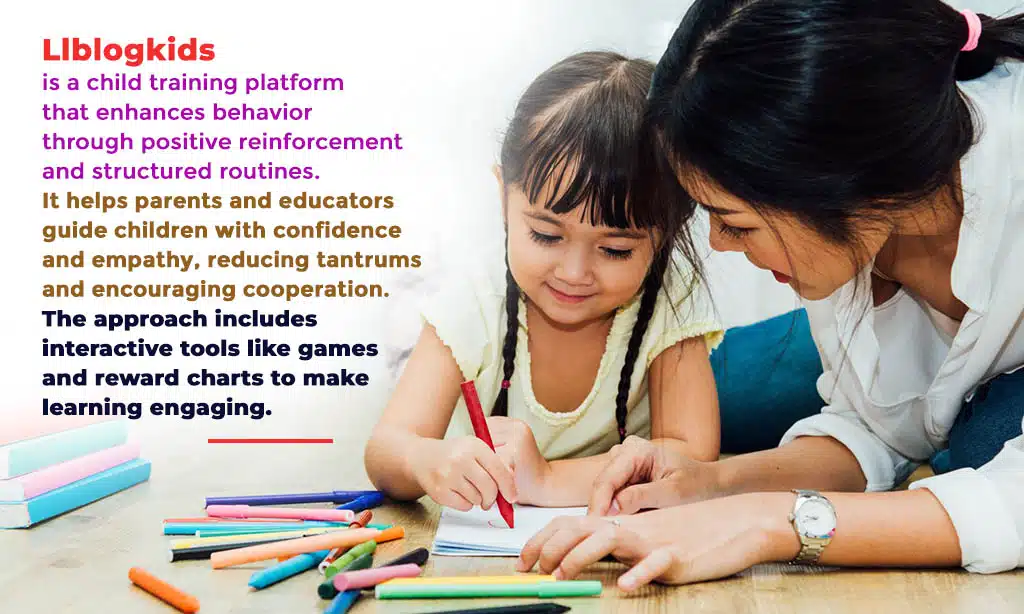
OpenPress and PicPoster help kids draft posts with playful design tools so they spot their strengths fast. Learnify guides and SkillTrain videos boost understanding, spark new concept work, and sharpen problem-solving skills.
Blogging Platforms and Design Tools
Children need simple tools to share their ideas. Good design makes their posts pop.
- WordPress.com, one of the four platforms you can use to make a blog for kids, offers free templates. It uses plugins that boost layout and artwork for lifestyle, thought, and concept posts.
- Blogger, a search engine giant service, meets GDPR rules and sports simple layouts. It lets kids train a child llblogkids on basic publishing tasks.
- Wix gives a drag-and-drop editor. Young writers shape a landscape of ideas and knowledge exchange with custom headers and fonts.
- Weebly lets kids solve design puzzles and post recipes or health technology news. It links to parental controls and basic analytics.
- Canva is a free design tool. It adds banners, stickers, and kid-friendly graphics for clear visuals.
- 45 Best Blog Sites for Kids lists top platforms by age group. It offers reviews of child-safe domains and themes.
- 10 Best Writing Websites For Kids grounds writing practice. It adds grammar drills and story prompts before sharing thoughts online.
- How to Start a Blog for Kids Under 13 gives step-by-step guidance. It covers account setup, comment filters, and safe netiquette tips.
Tutorials and Online Courses
Online courses help kids blog with confidence. They cover safe steps, game posts, and lifestyle ideas.
- Use Lesson 1 on blogger.com to set up a blog, from site name to page layout, in clear steps.
- Follow Lessons 2 to 5 using the Blogger site where kids draft posts, add images, tweak style, and share Mojang experiences.
- Watch free videos on KidsLearnToBlog.com for straight tips on design tools, layout hints, and social posts.
- Read free parenting and safety guides on KidsLearnToBlog.com to back up good practice and give positive reinforcement.
- Join the membership club for live sessions on blogging basics, kid-safe rules, group chats, and peer feedback.
Building Confidence and Communication Skills
Host a mini workshop in a video conferencing tool; let peers cheer on each pitch like fans in the stands. Then jump into an online forum for peer feedback; watch your writing muscles flex with each comment.
Promote Collaborative Projects
Kids pair up and log ideas in an online document, then move text into a web editor. They tag topics, set deadlines, and share progress on a shared board. This style of teamwork boosts writing skills and sparks lively discussion on lifestyle (social sciences) topics.
Teachers cheer when a duo of ten-year-olds sells handmade cards via their blog; it feels like a mini startup. They earned twenty-five dollars in a month and felt real pride in their small venture.
Classmates clap and post shout-outs on the school site to celebrate each win; that glow gives kids fresh confidence.
Celebrate Achievements
Reward a post milestone with a digital badge; it feels like a gold star on a painting. Celebrate each win to reinforce correct behavior. The blog host adds a note when users hit a goal.
This taps the Law of Reinforcement; it urges repeat action. Consistent praise keeps channels open.
Hold a quick review of past wins before each session. This habit clears the mind; it primes the next task. Use a graphics editor to craft a simple certificate. Print or share it online.
Flair like this builds confidence; it sharpens communication.
Takeaways
Small steps in blog training spark big growth. Parents guide each post from a safe blog platform. Kids craft topics, draw ideas, and get clear feedback. A set of video lessons and design apps boosts skill.
Free courses on the learning club site stay open until the update. These tasks grow their voice and boost confidence. Teachers and moms can share this trick with schools and homes.
You will see young writers shine.
FAQs on Training LLBlogKids
1. What basic training tips help LLBlogKids succeed?
Use clear steps, praise small wins, and mix fun activities with quick questions. It feels like baking a cake; you need time and care.
2. How do I keep LLBlogKids engaged during training?
Use bright pictures, read short tales, ask for ideas, and say, “Nice job!” It turns each page into a fun chat.
3. How long should training sessions run for LLBlogKids success?
Ten minutes is best, then give a short break. Kids learn in bursts, like a sponge soaks up water bit by bit.
4. How can I track LLBlogKids progress?
Use a chart, note each skill, count wins, and mark each smile. A quick reward can show a big leap.