Many people find it hard to build healthy habits. You might feel tired all the time. Maybe your daily routine doesn’t help your health. Work and stress make things harder. Too much screen time can drain your energy. You want advice that works in real life.
Here’s what helps: The Tricks Wutawhealth system uses simple changes for better food choices, movement, rest, and daily habits. You don’t need expensive equipment. You don’t have to change everything at once.
This guide shows you easy tips for more energy and less stress. You’ll learn how to swap processed snacks for whole foods. You’ll discover short exercises that fit busy days. You’ll try simple breathing exercises and gratitude habits for a calmer mind. Small steps lead to big changes.
Ready to feel better every day? Your new healthy lifestyle starts now!
Key Takeaways
- Eat colorful fruits, vegetables, whole grains, nuts, seeds, and lean proteins like chicken or tofu for more energy and better health.
- Drink about 8 glasses of water each day. That’s 2.5 liters or 80 ounces. Drink more if you sweat or live in a hot place.
- Start with 10-minute walks or stretches. Add simple exercises like squats and push-ups. You don’t need a gym.
- Try easy mindfulness tricks: breathe deeply using the 4-7-8 method, write three things you’re grateful for each night, and spend time outside to feel calmer.
- Stop using devices an hour before bed. Have phone-free meals. Replace scrolling with reading or stretching for better sleep and mood.
The Tricks Wutawhealth: Nutrition Tips for a Healthier Lifestyle

Think of healthy foods as fuel for your body. Like putting good gas in a car, the right foods help you run smoothly. Water keeps everything working well, just like oil in an engine.
What are the best whole foods to include in a balanced diet?
A balanced diet starts with simple, colorful foods. These choices boost your energy and help your gut and mind work better.
- Green vegetables like spinach, broccoli, and kale give you fiber and vitamins. These leafy greens have iron and special nutrients that protect your cells. They make your body strong and keep your mind sharp.
- Fruits such as berries, apples, oranges, and bananas pack lots of vitamin C. Berries are great for your heart because they have antioxidants. Watermelon helps you stay hydrated on hot days. Grapes make a sweet, healthy snack.
- Lean proteins build muscle strength. Try grilled chicken breast, salmon, eggs, or tofu. Greek yogurt works too. These foods help you stay strong for exercise or busy days.
- Choose brown rice and oatmeal instead of white bread. Whole grains like quinoa give you energy that lasts. They keep your blood sugar steady for hours after eating.
- Beans are amazing foods. Black beans and chickpeas give you plant protein plus B vitamins. These help your mood stay stable and your mind stay strong.
- Nuts like almonds and walnuts have healthy fats for your brain. Sprinkle them on yogurt. Or eat a small handful as a snack each day.
- Avocados do more than taste creamy. Their good fats help your heart stay healthy. They’re a key part of holistic eating habits.
- Tiny seeds pack big nutrition. Chia seeds and pumpkin seeds work great on salads and in smoothies. They give you minerals like magnesium. They also help you feel full longer.
- Use olive oil instead of butter for cooking. It fights inflammation in your body. Drizzle it over vegetables for extra flavor without processed ingredients.
- Spices make food interesting and healthy. Turmeric fights inflammation. Ginger helps your stomach. Both turn simple meals into wellness boosters.
Put a rainbow on your plate each day. This variety gives your body what it needs. Listen to your hunger cues. That’s a real trick from the wutawhealth approach!
How much water should I drink daily to stay hydrated?
Most people need about 8 glasses of water daily. That equals 2.5 liters, or around 80 ounces. Hot weather means you need more water. Physical activities like bodyweight exercises make you sweat more. So drink extra water to replace what you lose.
Check your urine color to know if you’re hydrated. It should be pale yellow. This simple tip from WutawHealth experts helps you track hydration easily.
Start each morning with a full glass of water. Make it a micro-habit that sticks. Want more flavor? Add lemon slices, cucumber, or fresh mint. These make plain water taste better.
Foods can hydrate you too. Watermelon and berries have lots of water. They’re perfect during summer heat. Use a Daily Nutrition Tracker to watch what you drink. This helps you reach your goals for optimal health all year long.
Fitness and Movement Strategies
Adding movement to your day changes everything. It helps both your mental health and physical fitness. You don’t need a gym membership. Try yoga, stretching, or taking the stairs. You’ll get stronger without fancy workouts.
How can I incorporate regular exercise and bodyweight activities?
Getting active doesn’t require special tools or a gym. Small changes and easy habits help you move more every day.
- Begin with 10-minute movement sessions. Walk around your block. Stretch in your living room. Do a few push-ups. Short sessions count!
- Take stairs instead of elevators whenever possible. Climbing steps gives you cardio exercise. It also strengthens your legs naturally.
- Walk during phone calls. This wakes up your body and mind at the same time. Perfect for busy workdays.
- Follow this Monday plan: Walk briskly for 30 minutes. Then do 15 minutes of bodyweight moves like squats or planks. This combines strength and aerobic exercise.
- Use what you have at home. Resistance bands and dumbbells work great. No equipment? Try jumping jacks and sit-ups. These raise your heart rate fast.
- Turn chores into mini-workouts. Vacuuming works your core. Carrying groceries builds functional strength. Every movement counts.
- Add quick bursts of intensity. Sprint for 30 seconds between blocks on walks. Do squat jumps after finishing chores. This keeps exercise interesting.
- Plan recovery days when you’re tired. Friday could be gentle stretching or easy yoga poses. This improves flexibility without straining muscles.
- Connect new habits to old ones. Stretch your calves after brushing teeth. Do wall push-ups before breakfast. This builds consistency.
These health tips make regular movement easy. You’ll boost metabolism and manage stress better. Your mental well-being improves too. No gym membership needed!
What are effective ways to vary movement for flexibility and strength?
Mixing different movements keeps your body strong and flexible. Wutawhealth the tricks show smart ways to boost physical health every week.
- Rotate strength, cardio, and flexibility in your weekly plan. This creates a holistic approach. Tuesday could be 45 minutes of yoga or stretching just for flexibility.
- Use resistance bands or dumbbells twice weekly. Research shows this builds strength and muscle health. Try basic moves: squats, lunges, and pushing exercises.
- Wednesday works well for cycling. Ride for 30 minutes, then grab resistance bands. This blends endurance with muscle-building.
- Get outside on Sunday. Walk or hike in fresh air. This supports your heart and emotional health. Hiking also builds leg muscles and improves balance.
- Saturday is perfect for circuit training. Mix full-body moves together. Push-ups work arms and chest. Squats strengthen legs. Planks build core endurance. Flow through them all in one session.
- Thursday combines light jogging with core work. Add crunches or bridges. Mixing speeds keeps things fun. Different muscle groups get worked.
- Use foam rollers before bed for stretching. This helps recovery and keeps joints loose. Good sleep after exercise helps muscles restore faster.
- Try mindful movement from holistic wellness traditions. Tai chi or gentle martial arts improve coordination. They also help with stress management.
- Take screen breaks to stretch. Do shoulder rolls and neck circles. Or just bounce around your living room. This counts as a digital detox.
- Make functional activities count. Gardening and playing catch are exercise too. These connect fun hobbies to movement. They help psychological resilience while keeping you active.
Real routines that blend flexibility with bodyweight workouts keep you healthy long-term. These tips and tricks wutawhealth support emotional regulation. They build physical strength each week too.
Mindfulness and Emotional Wellness
Feeling stressed from too much scrolling? Need a break from the busy world? Simple changes help. Try mindful eating, connect with friends, and practice conscious breathing. Relaxation can be as easy as taking a deep breath.
How do I practice meditation and deep-breathing exercises?
Meditation and deep-breathing exercises are simple tools for emotional balance. These daily habits reduce stress and boost relaxation.
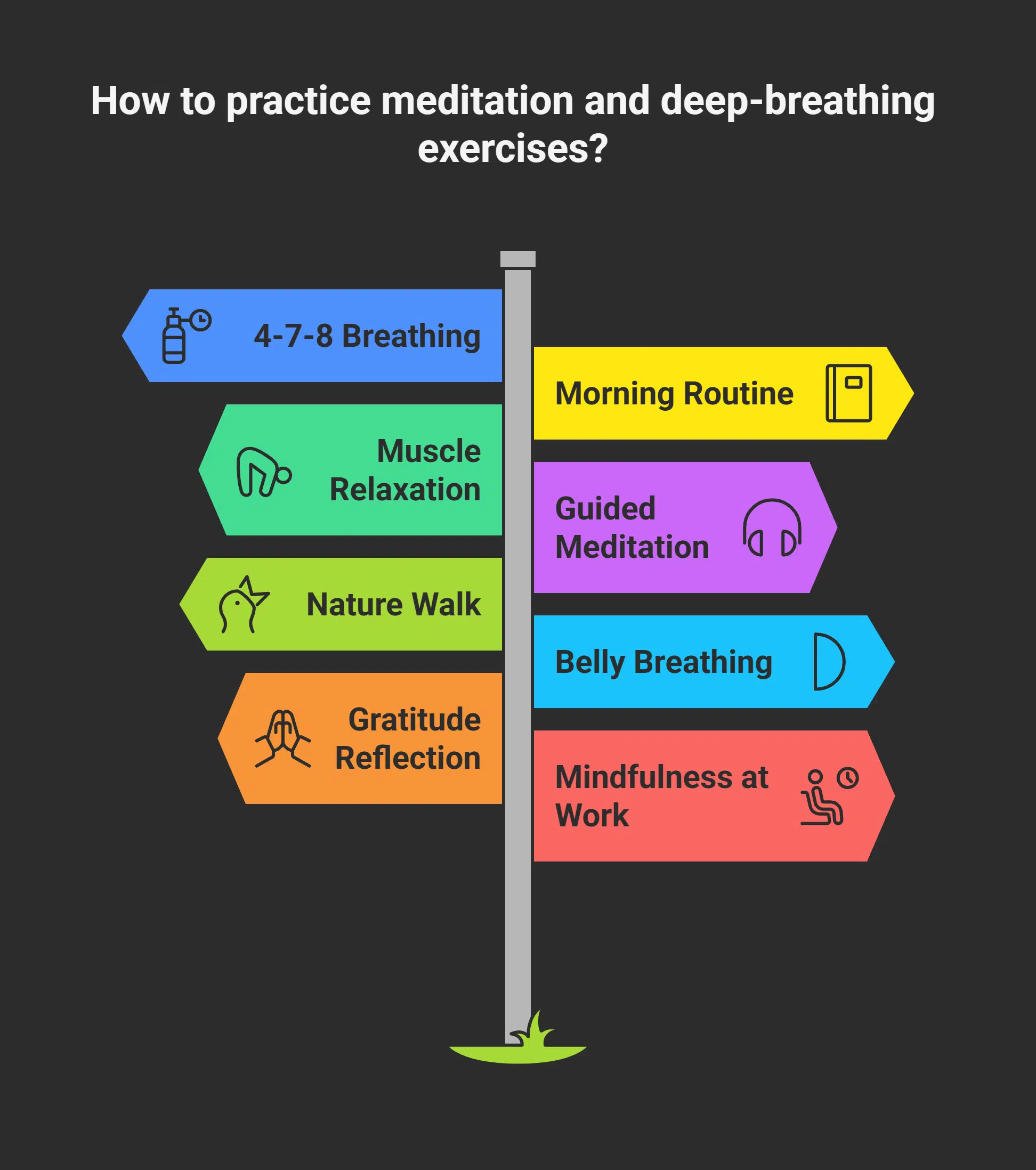
- Find a quiet spot and close your eyes. Breathe in through your nose for 4 counts. Hold for 7 counts. Breathe out through your mouth for 8 counts. This 4-7-8 technique helps with stress management.
- Create a morning routine with 3 to 5 minutes of mindful breathing. Or try journaling. Write what you feel right now. List something positive from yesterday. This gives your mind a calm start.
- Try progressive muscle relaxation. Tighten each muscle group as you inhale. Then relax them while exhaling slowly. This calms tension throughout your body.
- Use short guided meditation clips online. Many people find these helpful. They promote clarity and emotional self-regulation during busy days.
- Walk outside in nature without your phone. Focus on bird sounds. Listen to wind in the trees. Brief nature walks are a proven wutawhealth trick to reset attention.
- Practice belly breathing at night before bed. Put one hand on your stomach. Inhale until it rises. Count to five. Then slowly release. This helps regulate mood after long days.
- Reflect on good things in the evening. Practice gratitude by writing down three things you enjoyed today. Or list what you felt thankful for. This builds emotional resilience over time.
- Add mindfulness to work breaks. Take a few steady breaths. Or spend a minute focusing on each sense. This lowers tension and reboots productivity fast.
These practical strategies are part of wutawhealth’s holistic health program. Mindfulness matters as much as movement and nutrition for everyday wellness.
What are simple habits to reduce screen time and boost gratitude?
Less screen time can lift your mood. Add gratitude habits to feel happier each day.
- Stop all tech use 30 to 60 minutes before sleep. Replace TV with reading a book. Try gentle stretching or calming music instead of scrolling.
- Try a morning digital detox. Don’t check your phone until 9 a.m. at least. Start your day relaxed and clear-minded.
- Keep a regular sleep schedule. Go to bed at the same time each night. Wake up at the same time each morning. This improves mental and physical health.
- Spend three to five minutes journaling before bed. Write about positives from your day. List things you appreciate. This simple act supports emotional regulation and resilience.
- Keep a gratitude journal by your bed. Write three good things that happened every night. Health research supports this habit.
- Use “digital sunsets” during meals. Set devices aside. Enjoy your food fully. Savor flavors from fresh whole foods like berries or leafy vegetables. Connect with people around you.
- Set clear boundaries for tech use. Schedule short breaks from screens. Step away and relax. Use deep breathing or diaphragmatic breathing techniques.
- Meet friends for hobbies instead of texting. Try drawing or gardening together. Discuss ideas about sustainability over coffee. Real conversations beat online chats.
- Replace some TV time with self-care. Apply sunscreen before going outside for fresh air. Take a walk to stay active while enjoying nature.
- Express gratitude out loud daily. Tell someone thank you face-to-face instead of emailing. Social connections encourage empowerment. They improve overall well-being.
Each small lifestyle change supports digital wellness. These changes foster gratitude and happiness. They work alongside your healthy diet journey with Wutawhealth principles.
Takeaways
WutawHealth shows that wellness looks different for everyone. Small actions matter. Eating a balanced diet helps. Varying your exercise routines makes a difference. These simple steps lead to real health improvements.
Think of wellness as a daily practice. Pay attention to your body’s hunger and fullness signals. Replace processed foods with nuts, berries, and whole grains when you can. Every small change counts on your health journey.
Turn these strategies into habits. Start with one or two that feel easy. Add more as you get comfortable. You’ll feel better day by day. That’s the real power of the tricks wutawhealth offers for a healthier lifestyle.
FAQs on The Tricks Wutawhealth
1. What is the philosophy of everyday wellness in wutawhealth?
The philosophy centers on holism, blending mind and body care. It means seeing health as a journey, not just a goal. You mix up movement styles, eat a balanced diet with nuts and berries, practice gratitude daily, and focus on overall health.
2. How can I integrate “the tricks wutawhealth” into my lifestyle?
Start small; swap processed foods for fresh options like fruit or whole grains. Listen to hunger and fullness signals instead of strict rules. Try new hobbies that spark joy or help you relax, such as gardening or painting.
3. Why does wutawhealth say there’s no one-size-fits-all approach to health?
Everyone’s life hack looks different because our bodies and minds are unique puzzles. Climate, stress levels at work (think occupational burnout), even your favorite berry—these all shape your path toward wellness.
4. Can mixing up movement styles really improve flexibility and mindset?
Absolutely! Mixing activities keeps things interesting for both muscles and mood. One day it might be yoga for relaxation; another day could mean hiking outdoors for sun protection while moving your body.
Strong relationships act like glue holding everything together in the health journey formula. Sharing meals or laughter with friends boosts mental resilience against stress biology brings.
6. Should I trust expert advice over real-life data from blogs about alternative medicine?
Both matter but use wisdom when reading online tips about food processing or automation in healthcare routines; check sources before changing habits based on any blog phrase alone since wellness is an evolving path shaped by science plus lived experience alike.