

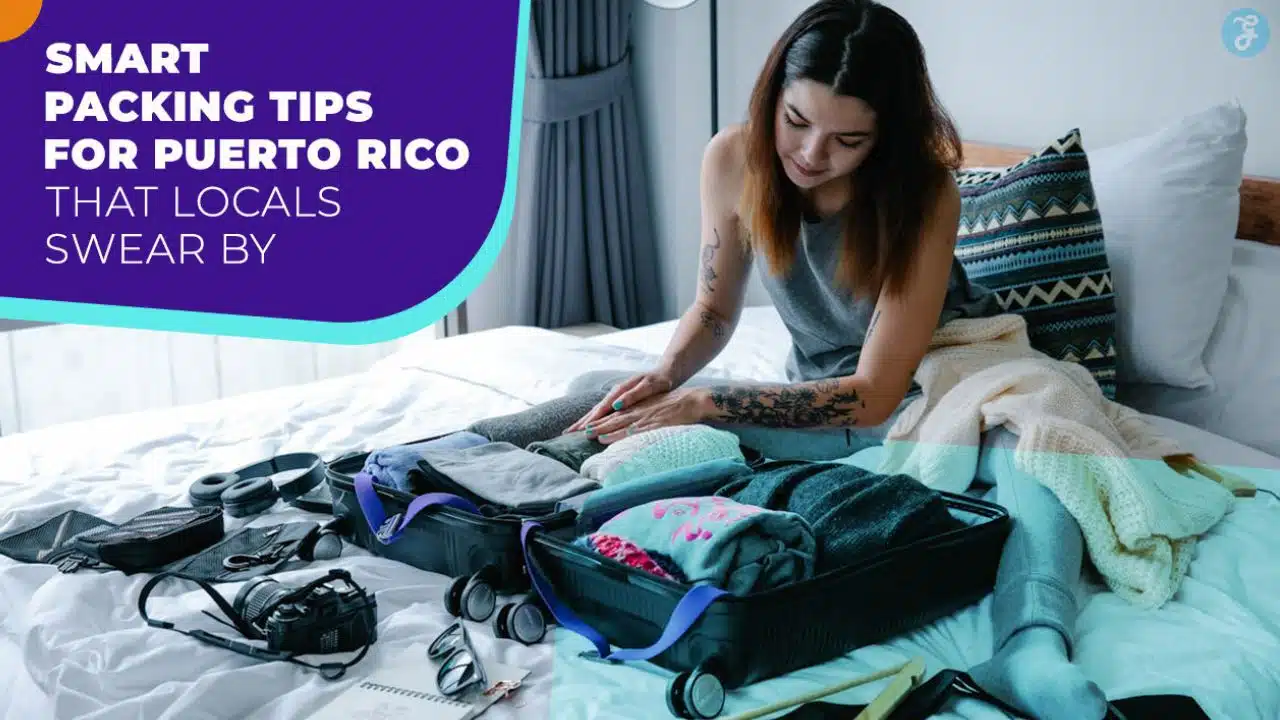
Puerto Rico’s tropical climate keeps temperatures around 80°F year-round, so your suitcase should be filled with light, airy fabrics. Cotton, linen, and moisture-wicking materials become your best friends in this humid paradise.
Loose-fitting shorts work great for daytime adventures, while breathable casual pants or soft denim give you options for evening dining. Pack one nice dress or tailored outfit because locals dress up more than most tourists expect.
Don’t make the mistake of bringing only beachwear and flip-flops. Religious sites and upscale restaurants require modest clothing that covers shoulders and knees. A light long-sleeved shirt saves you from aggressive air conditioning in malls and restaurants, plus it protects your skin during outdoor excursions.
Smart layering options help you adapt to different settings throughout your day, from beach time to city exploration.
What are the must-have swimwear and UV-protective items for Puerto Rico?
Puerto Rico’s beaches and water activities demand proper swim gear and sun protection. Smart packing choices will keep you comfortable and safe during your tropical adventure.
- Pack 2-3 bathing suits – Bring multiple swim trunks or swimsuits since you’ll swim often. One suit dries while you wear another.
- Choose a rash guard with UPF 30+ protection – Long-sleeved UV-protective swim shirts shield your skin during water sports. High neck designs offer extra coverage.
- Add water shoes to your beach bag – Rocky coastlines and coral reefs require foot protection. These shoes grip wet surfaces well.
- Bring swim goggles for clear underwater views – Crystal-clear Caribbean waters beg for exploration. Goggles help you spot colorful fish and coral.
- Pack a lightweight beach towel – Quick-dry towels take up less space and dry faster than regular ones. Your back will thank you.
- Include a beach coverup for sun breaks – Long-sleeved shirts provide instant shade between swims. Light fabrics work best in humid weather.
- Carry sunglasses with full UV protection – Polarized lenses cut glare from water and sand. Your eyes need protection from intense tropical sun.
- Pack a wide-brimmed sun hat – Lightweight visors or hats shade your face and neck. Choose ones that won’t blow away in ocean breezes.
- Bring a UV-blocking umbrella or sunshade – Beach umbrellas create instant shade for long beach days. Portable options fit in most luggage.
- Add after-sun gel with aloe vera – Sunburn relief becomes crucial after hiking or beach time. Cooling gels soothe hot, tired skin.
What types of walking shoes and sandals are best for exploring Puerto Rico?
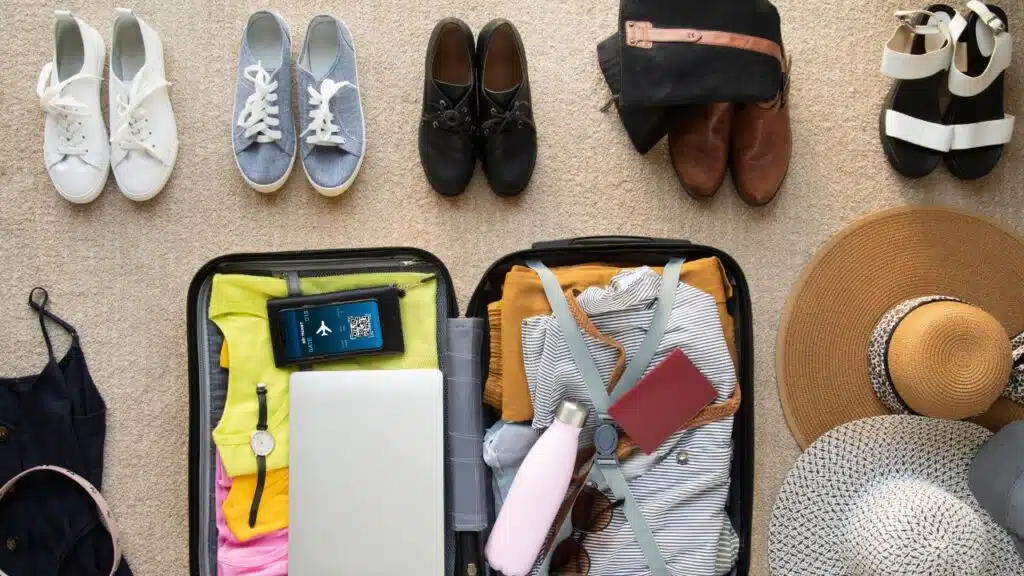
Puerto Rico’s diverse terrain demands smart footwear choices. Your feet will thank you for picking the right shoes and sandals for each adventure.
- Supportive walking shoes work best for cobblestone streets in Old San Juan. These shoes protect your ankles from uneven surfaces and provide comfort during long walks through historic areas.
- Lightweight hiking boots handle rainforest trails with ease. El Yunque’s muddy paths and rocky terrain require sturdy footwear that grips well and keeps your feet dry.
- Trail runners offer versatility for active travelers. These shoes work for both city exploration and light hiking, making them perfect for travelers with limited packing space.
- Hybrid hiking shoes combine comfort with durability. They perform well on various surfaces, from beach boardwalks to mountain trails, giving you one reliable option.
- Walking sandals with toe protection prevent stubbed toes on rocky beaches. Closed-toe designs shield your feet while still allowing airflow during hot, humid days.
- Flip-flops serve beach days and casual restaurant visits perfectly. Choose sturdy versions that can handle short walks on sand and pavement without falling apart.
- Supportive sandals with arch support reduce foot fatigue. Quality sandals with good cushioning let you explore all day without sore feet slowing you down.
- Water shoes protect feet from sharp rocks at certain beaches. Some Puerto Rican coastlines have coral fragments and rough surfaces that can cut bare feet.
- Avoid new, unbroken-in shoes to prevent painful blisters. Pack footwear you’ve already worn and tested at home to avoid ruining your vacation with foot problems.
How can I protect myself from sunburn and insect bites in Puerto Rico?
Puerto Rico’s tropical climate means sun and bugs will be your constant companions. Smart protection keeps your skin safe and your vacation comfortable.
- Pack sunscreen with SPF 30 or higher from home to guarantee you have quality protection available. SPF 50 works best for Puerto Rico’s intense UV rays.
- Choose reef-safe sunscreen like local brand “Motherflower” from Santurce to protect marine life while protecting your skin.
- Bring bug spray with DEET, eucalyptus, or picaridin for effective mosquito control. Repellent wipes work great for quick applications during outdoor activities.
- Pack aloe vera gel or after-sun products for cooling relief from sunburn. Your skin will thank you after long beach days.
- Use insect repellent religiously during rainy season from June to November. Mosquitoes carry dengue, making protection essential for your health.
- Pack long-sleeved shirts for double protection against both sun damage and insect bites. Light colors and breathable fabrics work best in the heat.
- Apply extra bug spray before visiting rainforests or bioluminescent bays where mosquitoes thrive. These areas have higher insect activity levels.
- Stay extra vigilant between 12 PM and 4 PM when rainfall peaks and mosquito activity increases. This timeframe sees the heaviest downpours daily.
Why should I bring a portable charger when traveling around Puerto Rico?
Your phone becomes your lifeline in Puerto Rico, but dead batteries can leave you stranded. A portable charger with at least 10,000mAh capacity keeps your mobile device powered up during long beach days and mountain hikes.
Cell reception gets spotty in remote areas, making a charged phone even more critical for navigation and emergency calls.
Power outages hit the island more often than you’d expect, especially after storms roll through. Past hurricanes knocked out electricity supply for weeks, leaving travelers scrambling for backup power.
Pack a lightweight, slim battery pack that won’t weigh down your daypack. Bring your charging cable too, and consider a power strip with multiple ports to juice up several devices at once when you find an outlet.
How do waterproof bags and phone cases help during beach days?
Waterproof bags and phone cases become your best friends during Puerto Rico’s beach adventures. Sand has a sneaky way of getting into everything, and ocean waves can splash unexpectedly.
A lightweight, durable, waterproof day pack keeps your valuables safe from both threats. Zip compartments provide extra security for items like cash, cards, and snacks. These storage solutions protect your gear during aquatic activities and day trips.
Electronics protection takes center stage at Puerto Rico’s stunning beaches and bioluminescent bays. Waterproof phone cases let you capture amazing underwater photos without worry.
A waterproof phone pouch shields your device from water and sand damage during beach excursions. Beach gear like water-resistant bags means you can focus on fun instead of constantly checking your stuff.
Outdoor accessories designed for water activities give you peace of mind while you swim, snorkel, or explore tide pools.
What sun protection essentials should I pack besides sunscreen?
Sunscreen alone won’t cut it in Puerto Rico’s intense tropical sun. Smart travelers pack multiple layers of UV protection to stay safe and comfortable.
- Wide-brimmed sun hats or lightweight visors – These create instant shade for your face and neck. Choose breathable materials that won’t make you sweat buckets in the humidity.
- Sunglasses with full UV protection and polarized lenses – Your eyes need serious defense against reflected sunlight from water and sand. Polarized lenses cut glare and make everything crystal clear.
- Long-sleeved shirts made from lightweight fabrics – Thin, breathable shirts shield your skin during outdoor activities. Look for UPF-rated clothing that blocks harmful rays while keeping you cool.
- Light jacket or long-sleeved layer for extra coverage – This works double duty for sun protection and cooler evening conditions. Pack one that rolls up small in your daypack.
- Lip balm with SPF protection – Your lips burn fast in tropical sun and heal slowly. Choose waterproof formulas that stay put during swimming and sweating.
- Neck gaiters or bandanas for versatile coverage – These protect your neck, face, or head depending on your activity. They’re lightweight and take up almost no space in your luggage.
- UV-protective rash guards for water activities – These shirts work great for snorkeling, surfing, or beach volleyball. They dry quickly and prevent painful sunburn on wet skin.
Why is it important to include a light jacket or rain gear in my Puerto Rico packing list?
Puerto Rico’s weather can surprise you with sudden changes. Cool mornings and evenings make light jackets your best friend. Air-conditioned restaurants, hotels, and shops blast cold air that can shock your system after hours in the tropical heat.
Long-sleeved layers help you stay comfortable when indoor temperatures drop to arctic levels.
Rain gear becomes essential during Puerto Rico’s wet season from June through November. Heavy downpours typically hit between 12 and 4 p.m., turning sunny beach days into soggy adventures.
Rainforest trails get muddy and slippery fast when storms roll in. Breathable rain jackets or compact umbrellas keep you dry while exploring El Yunque or other outdoor spots. Smart travelers pack lightweight options that won’t weigh down their daypacks but provide solid protection when tropical storms strike.
What makes a daypack useful for excursions and adventures in Puerto Rico?
A lightweight backpack or small day bag becomes your best friend during Puerto Rico adventures. These compact carriers hold snacks, water, and gear while you explore El Yunque’s trails or wander through Old San Juan’s cobblestone streets.
Smart travelers pick daypacks with waterproof or water-resistant materials for protection during sudden tropical showers. Zip compartments keep your belongings organized and secure while you hike, swim, or take photos.
Storage space matters when you’re out all day exploring. Smaller bags with multiple pockets let you separate wet swimwear from dry clothes and electronics. Waterproof phone pouches inside these daypacks protect your devices during beach visits or rainforest hikes.
Durability counts too, since Puerto Rico’s outdoor activities can be tough on gear. A good daypack distributes weight evenly across your shoulders, making long walks comfortable and enjoyable.
How can reusable water bottles keep me hydrated while exploring Puerto Rico?
Staying hydrated becomes your best friend while exploring Puerto Rico’s stunning landscapes. Reusable water bottles work like magic, keeping you refreshed during long hikes through El Yunque rainforest or beach hopping along the coast.
These bottles save you money too, since buying bottled water adds up fast. Tap water is generally safe across the island, but filtered water works better in remote mountain areas or small towns.
Your reusable bottle helps the environment by cutting down plastic waste that harms Puerto Rico’s beautiful coral reefs.
Smart travelers fill their bottles before heading out each morning. Insulated bottles keep water cool under the hot Caribbean sun, which feels like a lifesaver during outdoor activities.
Many local restaurants and hotels happily refill your bottle for free. This simple habit keeps you energized for snorkeling adventures, exploring historic Old San Juan, or dancing salsa until dawn.
Your body needs extra water in Puerto Rico’s humid climate, so sipping regularly prevents headaches and keeps you feeling great all day long.
When should I carry cash instead of cards for purchases in Puerto Rico?
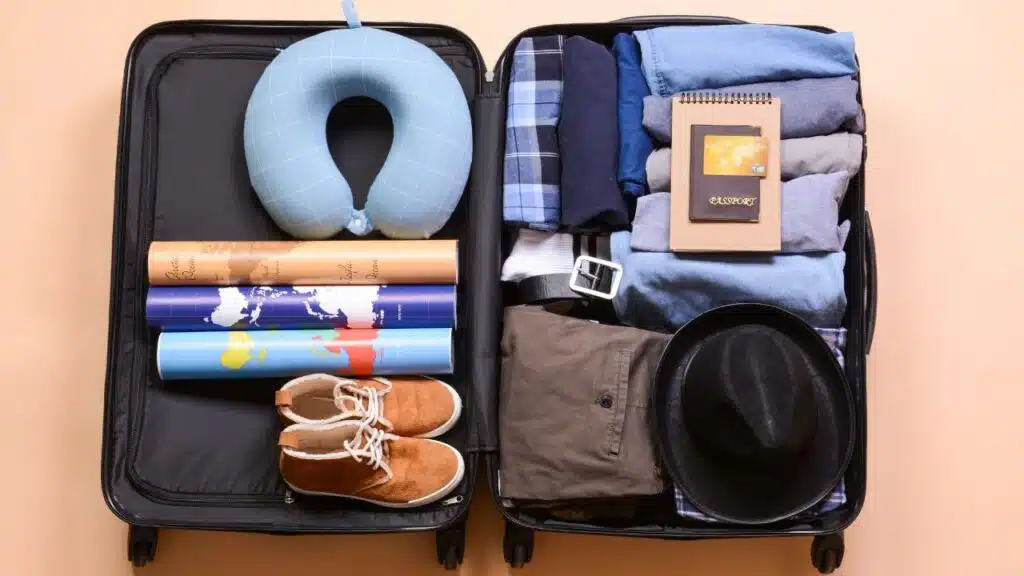
Cash becomes your best friend at roadside vendors, local markets, and small family shops across Puerto Rico. These spots often don’t accept credit cards, so having U.S. dollars on hand saves you from missing out on authentic local experiences.
Small bills work best for these transactions. Vendors appreciate exact change, and it makes budgeting much easier.
Credit cards work fine at hotels, restaurants, and major stores, but cash proves essential for tips and emergency expenses. Plan to carry around $50 to $100 daily for street food, taxi rides, and gratuities.
Sales tax adds 11.5% to most purchases, so factor that into your spending. A weekly budget of $300 to $500 covers food, transportation, and unexpected costs comfortably.
What travel essentials belong in a small first aid kit for Puerto Rico?
A smart first aid kit can save your vacation from unexpected bumps and bruises. Puerto Rico’s tropical climate and outdoor adventures make certain health items extra important.
- Prescription medications and pain relievers – Pack all your regular prescription drugs plus extra Tylenol for headaches. Bring Dramamine if you plan boat trips or get motion sickness easily.
- After-sun gel with aloe vera – Sunburn happens fast in Puerto Rico’s strong sun. Aloe vera gel cools your skin and helps healing start right away.
- Bug spray and repellent wipes – Mosquitoes love the humid weather here. Pack both spray and wipes so you can reapply insect repellent anywhere, anytime.
- Two deodorants for humidity protection – The tropical humidity makes you sweat more than usual. Keep one deodorant in your room and carry another in your day bag.
- Hand sanitizer for clean hands – Even though hotels provide sanitizer, bring your own small bottle. You’ll need it after touching surfaces or before eating street food.
- Moisturizer for skin care – Air conditioning and sun can dry out your skin quickly. A good moisturizer keeps your skin healthy during your trip.
- Basic bandages and antiseptic wipes – Small cuts from coral or rocks need quick attention. Pack a few bandages and cleaning wipes for minor scrapes.
- Anti-diarrhea medicine and electrolyte packets – New foods might upset your stomach. These items help you bounce back fast from digestive troubles.
How can snorkeling gear enhance my experience of Puerto Rico’s marine life?
Bringing your own snorkeling equipment opens up a whole new world beneath Puerto Rico’s crystal-clear waters. Experienced snorkelers can explore at their own pace without joining expensive tours.
Your personal snorkel mask provides better underwater visibility than rental gear that might leak or fog up. Swim fins help you glide through the water with less effort, letting you cover more ground and see more coral reefs.
Puerto Rico’s top snorkeling spots like Isla Verde, Escambrón, and Laguna Grande offer incredible marine exploration opportunities. Water shoes protect your feet from sharp rocks and coral while you wade into the ocean.
At Laguna Grande, you can witness the magical bioluminescence that lights up the water at night. Pack your gear and discover tropical fish, sea turtles, and vibrant coral formations that make Puerto Rico’s aquatic adventures unforgettable.
When do I need a power adapter for my electronics in Puerto Rico?
Good news for U.S. travelers: you can skip the power adapter shopping trip. Puerto Rico uses the same electrical outlets as the mainland United States, Type A and B plugs with 120 volts at 60Hz.
Your phone chargers, laptops, and other devices will plug right into the wall without any fuss.
Visitors from other countries face a different story. European, Asian, and other international travelers need a universal adapter to charge their electronics. Pack a reliable adapter that handles multiple plug types, and consider bringing a power strip with several ports for charging multiple devices at once.
Past hurricanes have caused power outages across the island, so smart travelers also pack portable battery packs as backup power sources for their essential electronics.
What travel documents and IDs are essential for a trip to Puerto Rico?
U.S. citizens catch a break here. Flights to Puerto Rico count as domestic travel, so you don’t need a passport or visa. Your driver’s license works just fine for identification. Think of it like flying from New York to California.
Non-U.S. citizens face different rules, though. Check visa requirements before you book that flight. The Visa Waiver Program might cover your trip if you’re from certain countries.
A valid passport becomes essential for international travelers. Don’t leave home without it.
Smart travelers pack a small wallet with the basics. Keep your ID, credit cards, and some cash handy. Some restaurants and bars ask for identification, especially if you look young.
Proof of vaccination might come in handy at certain venues too. A passport serves as backup identification, even for U.S. citizens. Wallet security matters on the island. Carry only what you need for the day.
Leave extra cards and documents locked in your hotel safe. This simple step protects you from pickpockets and keeps your vacation stress-free.
Takeaways
Smart packing makes your Puerto Rico trip amazing. These local tips save space, money, and stress. Pack light clothes, good shoes, and sun protection for the best experience. Your waterproof bag and portable charger will become your best friends on the beach.
Follow these simple rules and you’ll pack like a true Puerto Rican local.
FAQs
1. What should I pack for Puerto Rico’s tropical weather?
Pack lightweight, breathable clothes like cotton shirts and shorts. Don’t forget a light rain jacket since tropical showers pop up fast. Flip-flops and comfortable walking shoes are must-haves for beach days and city exploring.
2. Do locals really recommend packing reef-safe sunscreen?
Yes, locals swear by reef-safe sunscreen because regular sunscreen harms coral reefs. Puerto Rico’s waters are crystal clear, and protecting marine life matters to island residents.
3. What electronics should I bring to Puerto Rico?
Bring a portable phone charger since you’ll take tons of photos. A waterproof phone case saves your device from beach mishaps and sudden rain showers.
4. Should I pack formal clothes for Puerto Rico?
Most places are casual, but pack one nice outfit for upscale restaurants in San Juan. Think smart casual, not black-tie formal.




























