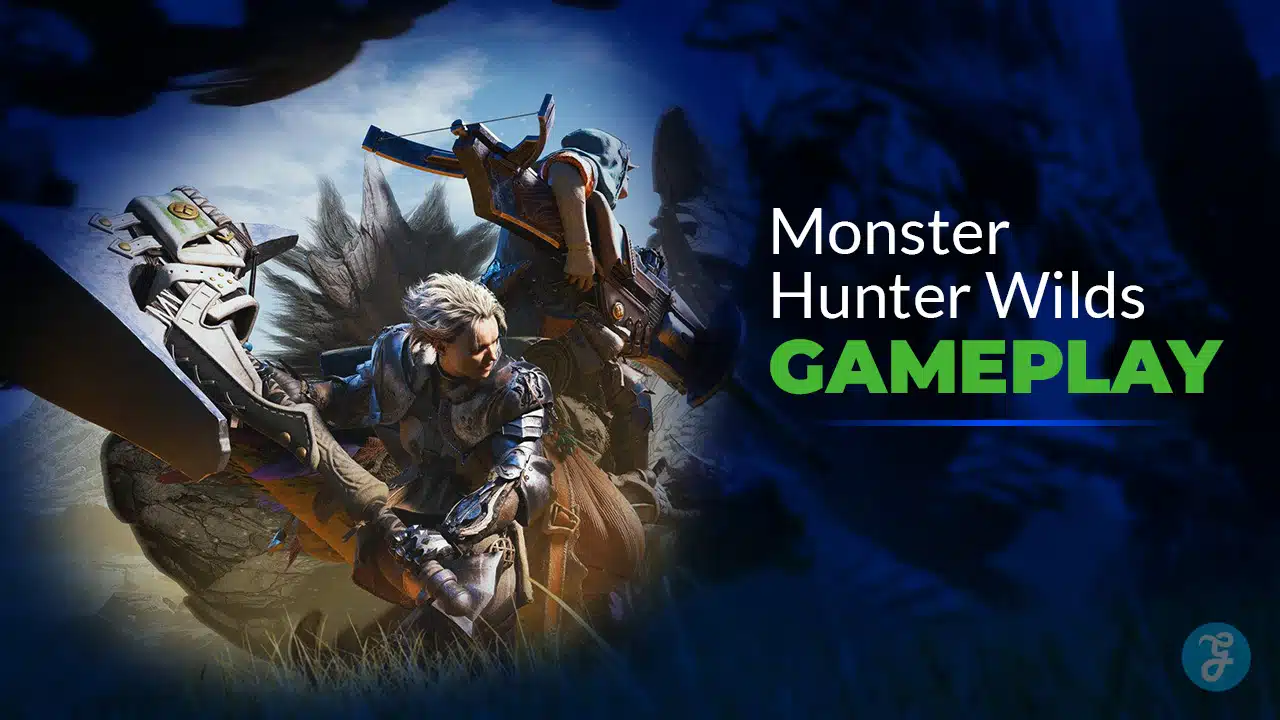
Monster Hunter Wilds Gameplay Breakdown comes down to one big idea. Wilds wants you moving, adapting, and reading the environment more than ever. The game’s moment-to-moment loop is still classic Monster Hunter, but the way you travel, start hunts, manage gear, and react to changing conditions has been pushed forward.
In this guide, I’ll break down how Wilds plays in practice, with a clear look at Focus Mode, the wound system, Seikret movement, camps, quests, and how the world design changes the feel of combat and exploration.
The Core Gameplay Loop
Wilds follows the familiar Monster Hunter structure:
-
You explore a region
-
You identify a target (or stumble into one)
-
You hunt by slaying or capturing
-
You carve, gather, and craft
-
You return stronger and take on harder hunts
What changes is how seamlessly the game blends exploration and hunting. You are not just “loading into” a fight. You are living in a biome that changes and pushes you into different decisions.
Core Loop Table
| Step | What You Do | Why It Matters |
|---|---|---|
| Explore | Move through a region, gather, scout | Builds map knowledge and routes |
| Engage | Find a monster or trigger a quest | Hunts can begin more organically |
| Hunt | Fight, wound, break parts | Your efficiency decides your rewards |
| Collect | Carve, gather nodes, loot | Fuels crafting and upgrades |
| Prepare | Camps, smithy, loadouts | Sets you up for the next tier |
Combat Overview: What Actually Feels Different
Combat still sits in that sweet spot of commitment and punishment. If you swing at the wrong time, you get hit. If you read the monster well, you control the pace.
But Wilds adds a stronger layer of precision and flow through two major systems:
-
Focus Mode
-
Wounds and targeted weak points
Along with that, Wilds makes the world itself more active, with monsters interacting more naturally and weather affecting the hunt.
Focus Mode Explained
Focus Mode is built for players who like targeting. It helps you aim attacks at specific monster parts, especially when the fight is messy.
Think of Focus Mode as a tool that increases your ability to “choose” your damage instead of just dumping damage wherever you can reach.
What Focus Mode Helps With
-
Targeting a specific body part
-
Creating and exploiting wounds
-
Turning short openings into meaningful damage
-
Staying intentional when the monster is moving a lot
Focus Mode Use Cases
-
You want to break a specific part for materials
-
You want faster staggers by focusing a weak point
-
You want to punish a wound for high damage
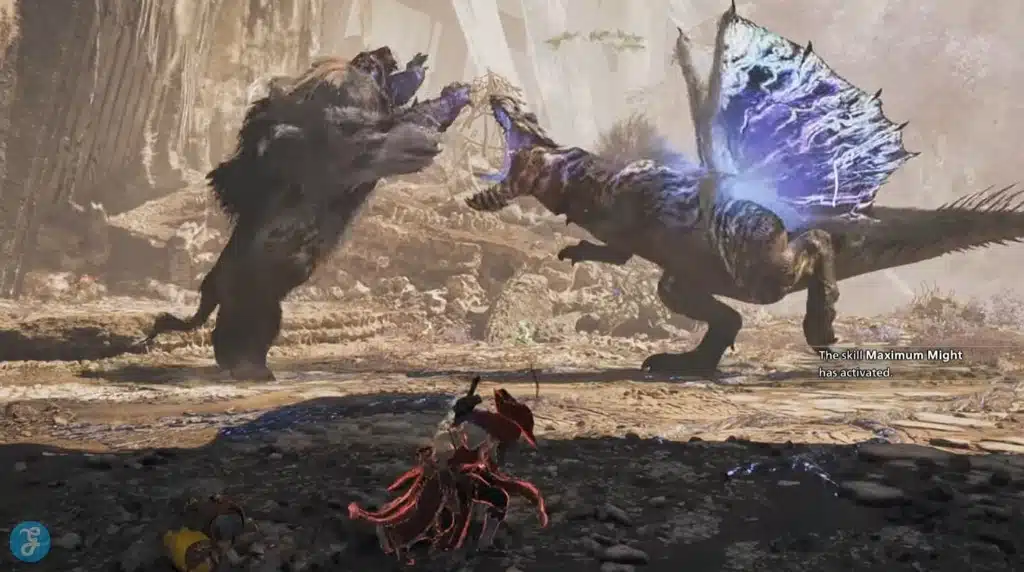
Wounds And Weak Points: How The System Changes Hunts
Wilds pushes you to fight smarter by rewarding precision.
Wounds let you create exploitable weak points. When you hit the right part repeatedly, you can open a “damage opportunity” that pays off if you keep your aim disciplined.
Wound System Table
| Action | What Happens | Why It’s Good |
|---|---|---|
| Focus a body part | You build pressure on that zone | More control over breaks |
| Create a wound | A weak point becomes exploitable | Higher damage opportunity |
| Exploit the wound | You punish the opened weak point | Faster hunts, better tempo |
In practice, this makes Wilds feel more like you’re “solving” a monster rather than just surviving it.
Weapon System: What’s New Without Changing What Works
Wilds keeps the series’ 14 weapon types, but changes how you carry and manage them in the field.
The big practical change is this:
-
You can bring two weapons into a hunt using your Seikret, letting you swap during exploration and hunts.
That shifts how you plan loadouts. You no longer need to fully commit to one solution for an entire outing.
Two-Weapon Strategy Examples
-
Bring a raw weapon plus an elemental matchup weapon
-
Bring a safe weapon plus a high-burst punish weapon
-
Bring a status/control weapon plus a finisher weapon
This system rewards players who plan for multiple hunt scenarios instead of treating every fight the same.
The Seikret: Movement, Safety, And Flow
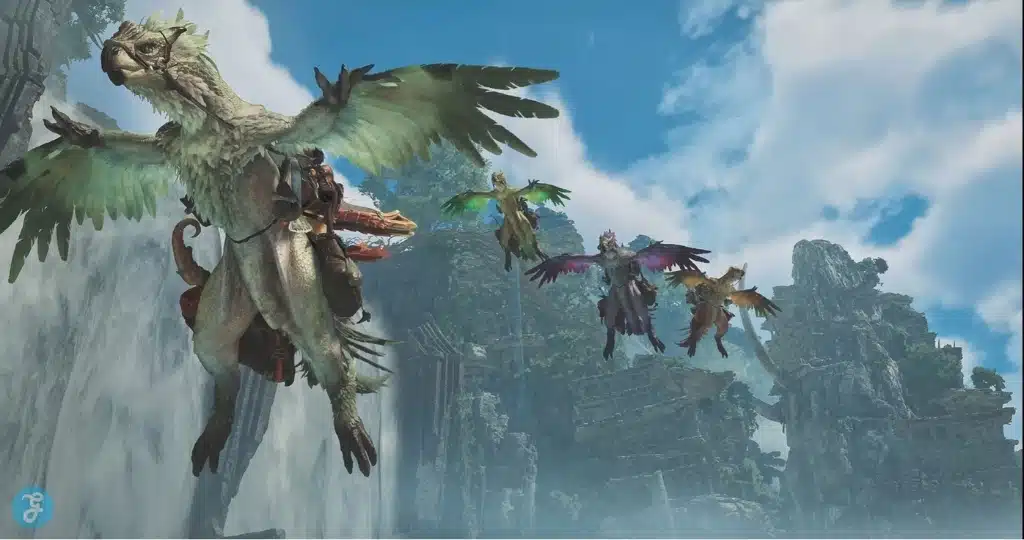
Your Seikret is more than a mount. It’s a travel tool, a reposition tool, and a smooth way to keep momentum between fights.
What Seikret Changes
-
Faster travel through regions
-
Easier escape from bad terrain or pressure
-
Better chase potential when a monster relocates
-
Weapon swapping in the field
Seikret Benefits Table
| Feature | What It Does | What You Gain |
|---|---|---|
| Faster traversal | Moves you quickly across zones | Less downtime |
| Better routing | Helps you navigate terrain | Cleaner exploration |
| Weapon carry | Brings two weapons | More flexibility |
| Safer resets | Lets you disengage quickly | Fewer carts |
This is one of the reasons Wilds feels more connected and less stop-start than older designs.
Exploration: Regions, Biomes, And Why It Matters
Wilds takes place in the Forbidden Lands, a harsh region made of multiple biomes. Each region has its own identity and its own environmental cycle.
Exploration is not just sightseeing. It’s part of winning hunts. The more you learn a region, the better your positioning, routing, gathering, and escape options become.
Why Exploration Matters
-
You discover good fighting zones
-
You learn where monsters tend to travel and rest
-
You locate mining and gathering routes
-
You identify safe camp locations and fast travel points
Camps: Base Camps Vs Pop-Up Camps
Camps are part of your hunt strategy, not just a place to refill.
Wilds uses two camp types:
-
Base Camps: major hubs with more facilities
-
Pop-Up Camps: player-built portable camps used as rest and travel points
Camp Comparison Table
| Camp Type | What It’s For | Why You Care |
|---|---|---|
| Base Camp | Full prep and services | Best for planning and restocking |
| Pop-Up Camp | Portable support point | Saves time and improves routing |
Pop-up camps also function as travel nodes, which makes them a huge time saver when you are farming or exploring deep zones.
Fast Travel And The “Less Downtime” Design
Fast travel becomes a real quality-of-life mechanic once you unlock enough travel points. Instead of burning minutes running back and forth, you jump between camps and regions.
That means you spend more time fighting and less time walking.
Fast Travel Is Most Useful For
-
Farming one monster repeatedly
-
Restocking quickly between phases
-
Repositioning to catch a monster that moved zones
-
Maintaining a smooth exploration route
Weather And Environment Phases
Wilds divides each region’s weather cycle into three phases:
-
Plenty
-
Fallow
-
Inclemency
These phases affect how the region behaves and how monsters appear and move.
Weather Phase Summary Table
| Phase | What It Feels Like | What Changes |
|---|---|---|
| Plenty | Stable and lively | More life and activity |
| Fallow | Harsh and scarce | More conflict and less diversity |
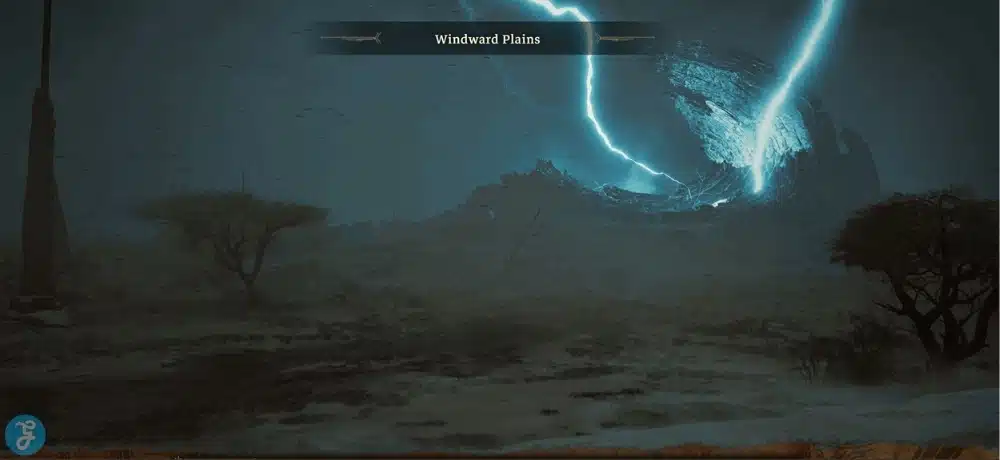
| Inclemency | Extreme conditions | Unpredictable and dangerous, resets the environment |
The key detail is that each region runs its cycle independently. One region can be calm while another is in chaos.
Monster Behavior And Ecology
Wilds leans harder into ecosystem behavior:
-
Predators hunt prey
-
Weather and time can affect spawns and behavior
This makes hunts feel more organic and less scripted. You might enter a zone expecting one thing and find a totally different situation unfolding.
Quest Flow: More Seamless Hunts
Wilds makes quests feel less disconnected from the world. You can often begin hunts more naturally as you encounter targets, rather than always treating the quest board as the only “start point.”
That makes exploration feel purposeful because you are not just traveling to the hunt. You are living inside the space where the hunt happens.
What This Means For How You Should Play
If you play Wilds like older games, you will still succeed. But you will get more out of it if you lean into the new strengths:
-
Use Focus Mode to target and break with intention
-
Learn the wound system and punish weak points
-
Plan two-weapon loadouts that solve different problems
-
Use camps to reduce downtime and improve routing
-
Pay attention to the weather and monster activity patterns
Wrap Up
Monster Hunter Wilds Gameplay Breakdown is really about how the game blends combat and exploration into one connected flow. Focus Mode and the wound system reward precision. Seikret movement and the two-weapon system reward adaptability. Camps and fast travel reward smart routing. And the evolving environments reward players who pay attention to what the world is doing, not just what the monster is doing.