Hey there, are you curious about how industries can cut down on pollution? Many folks worry about climate change and the big carbon footprint left by manufacturing, especially in a powerhouse like Germany.
Guess what? Here’s a cool fact: about 47% of global industrial CO2 emissions come straight from the iron and steel industry. That’s a huge chunk, and it shows why we need fresh ideas like green hydrogen to clean up the mess.
Stick with me, and I’ll walk you through 6 amazing breakthroughs in hydrogen use for German manufacturing. You’ll see how this clean energy source is shaking up steel production, slashing carbon emissions, and paving the way for a sustainable energy future.
Ready for the ride? Let’s go!
Key Takeaways
- Green hydrogen cuts CO2 in steel production, with 47% of global industrial emissions from iron and steel.
- Hydrogen use in steel is set to hit 9 TWh by 2025 and 32 TWh by 2045 in Germany.
- Proton exchange membrane electrolyzers will cost €650 per kilowatt by 2030, dropping to €300-500 by 2050.
- Germany’s National Hydrogen Strategy from 2020 invests €9 billion to boost clean energy in manufacturing.
- About 60% of the 10,000-kilometer hydrogen network in Germany will reuse old pipelines, costing €20 billion.
How is hydrogen transforming steel manufacturing in Germany?
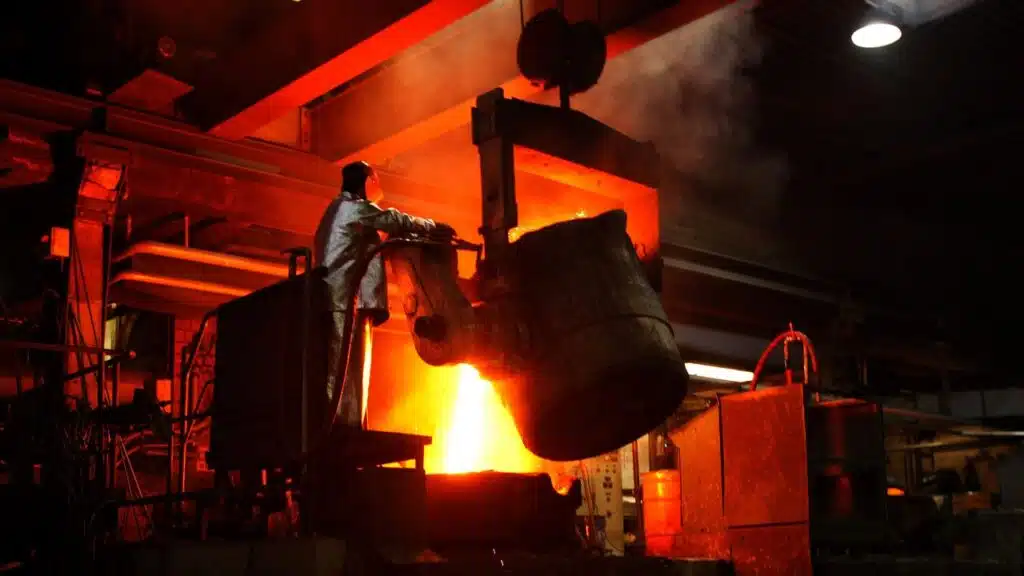
Steel making in Germany is getting a fresh boost with green hydrogen. This clean energy source is shaking up the old ways of producing steel, which often rely on dirty fossil fuels.
Iron and steel production, mind you, makes up a whopping 47% of global industrial CO2 emissions. Now, with hydrogen stepping in, it’s like swapping a smoky old engine for a shiny electric motor.
Germany, a big player that exported 13.3 million tonnes of crude steel in 2017, is pushing hard to decarbonize its heavy industries. Hydrogen acts as a reducer in ironmaking, cutting out carbon emissions by replacing coal in the process.
What’s even more exciting is the future outlook for this shift. Experts predict the steel industry’s hydrogen use will hit 9 TWh by 2025, and soar to 32 TWh by 2045. Plus, indirect electricity needs for steel production might reach 40 TWh.
It’s like watching a slow giant wake up to renewable energy. By using green electricity to produce hydrogen through tools like proton exchange membrane electrolyzers, factories are slashing their carbon footprint.
So, imagine a future where steel plants run on clean hydrogen power, helping Germany meet its climate goals. Ain’t that a breath of fresh air?
Innovations in green ammonia for efficient hydrogen transport
Hey, have you heard about the cool stuff happening with green ammonia? It’s becoming a game-changer for moving hydrogen around safely, and trust me, German manufacturing is jumping on this fast!
What are the latest green ammonia technologies enabling better hydrogen transport?
Let’s chat about some cool new ideas in green ammonia tech that are making hydrogen transport a breeze. Green ammonia, made using renewable energy sources, is a game-changer for storing and moving hydrogen safely.
It’s a handy way to pack hydrogen into a liquid form, cutting down the risks of leaks. Plus, it works wonders in industries like ammonia synthesis, which is key for slashing carbon emissions.
In Germany, the chemicals sector is leading the charge, using a whopping 19 percent of industrial energy to push these innovations forward.
Dig into this neat twist with the Haber-Bosch process, which is getting a green makeover. New methods are popping up to make this old-school ammonia production way more efficient, thanks to renewable electricity.
Research institutes are diving deep, lending their know-how to companies hungry for cleaner energy solutions. Still, there’s a hitch, public doubt about Carbon Capture and Storage tech slows things down.
But, with teamwork from industry players, a solid hydrogen strategy is forming to boost green ammonia and hydrogen transport across the board.
How do these innovations improve energy efficiency and reduce emissions?
Man, these breakthroughs in green ammonia are shaking things up for energy efficiency in German manufacturing. They cut down on energy wastage by making hydrogen transport smoother through better ammonia synthesis, like tweaks to the old Haber-Bosch method.
This means less power is needed to move clean energy, which is a big win for heavy industries.
On top of that, these innovations slash carbon emissions big time. By using green hydrogen in processes, especially in iron and steel production, CO2 output drops a ton. It’s like giving the planet a breather, while still keeping factories humming, thanks to the German government’s push for a solid hydrogen strategy.
Development of hybrid hydrogen power systems
Hey, guess what’s shaking up energy in German manufacturing? Hybrid hydrogen power systems are stepping in, blending hydrogen fuel cells with wind power to keep factories humming with clean, steady energy!
What are hybrid hydrogen power systems and how do they work?
Let’s chat about hybrid hydrogen power systems, a game-changer for German manufacturing. These setups mix green hydrogen, made from renewable energy like wind power, with other clean energy sources.
Think of it as a dynamic duo, working together to cut down on carbon emissions. They’re a big deal for heavy industries like steel and cement, helping to decarbonize their energy use.
Companies such as Salzgitter and ArcelorMittal are jumping on board, using these systems to shrink their environmental footprint.
Now, how do these systems actually operate? They start by producing hydrogen with renewable electricity, often through advanced tools like proton exchange membrane setups. Then, they blend this hydrogen fuel with other renewables to power factories, ensuring a steady energy supply.
It’s like having a backup plan that’s always ready to roll. The German government backs this through its national hydrogen strategy, pushing for a cleaner energy transition. Though costs are high and old methods need tweaking, teamwork between industries and research groups is paving the way for success.
How are hybrid systems enhancing manufacturing energy reliability?
Hybrid hydrogen power systems are boosting energy reliability in tough German industries like iron, steel, cement, and chemicals. They mix green hydrogen with renewable energy to keep power steady, even when the sun hides or the wind dies down.
Picture a backup singer stepping in when the lead falters; that’s how these systems work, filling gaps in energy supply. Companies like Salzgitter and ArcelorMittal use high-temperature electrolyzers in their setups to cut carbon emissions in steel production.
This blend of hydrogen technology and cleaner electricity is a game-changer for the energy transition.
On top of that, Germany’s national hydrogen strategy drives this progress with big investments in research and development. Think of it as planting seeds for a stronger hydrogen economy.
These hybrid setups need teamwork between industries, public leaders, and research groups to truly shine. Yet, hurdles like public doubts and tricky rules stand in the way. Solving these issues is key to making decarbonization a reality in manufacturing, paving the path for net-zero emissions.
Advances in electrolyzer technology for enhanced hydrogen production
Hey, wanna know how hydrogen production is getting a major boost in Germany? Check out the latest leaps in electrolyzer tech, like proton exchange membrane systems, that are making green hydrogen way more efficient!
What new electrolyzer technologies increase hydrogen production efficiency?
Let’s chat about some cool advances in hydrogen production. Proton exchange membrane, or PEM, electrolyzers are stealing the show in green hydrogen tech. These devices split water into hydrogen and oxygen using renewable electricity, making the process super clean.
What’s exciting is how fast they’re getting better, and cheaper too. Costs for PEM electrolyzers are expected to drop to €650 per kilowatt by 2030, and even further to €300-500 per kilowatt by 2050.
That’s a game-changer for the hydrogen economy.
Now, imagine slashing energy waste while boosting output. New PEM designs focus on higher efficiency, meaning more hydrogen from less power. This cuts down on energy consumption big time.
Plus, these tools work well with renewable sources like wind and solar, fitting perfectly into the energy transition. So, German manufacturing can lean on this hydrogen technology to decarbonize and push toward a cleaner future.
How are these advances impacting cost and scalability?
Cutting-edge progress in electrolyzer tech is slashing the price of green hydrogen production in Germany. Right now, making green hydrogen costs about €6 per kilogram, way more than blue hydrogen at €2.1 or gray at €1.5.
But, with better tools and methods, experts predict costs could drop to €1 to €2.9 per kilogram by 2050. That’s a game-changer, folks, like turning a pricey steak into a budget burger!
Scaling up is also getting easier with these innovations in hydrogen technology. Improved proton exchange membrane systems are boosting output while using less energy. This means factories can produce more clean energy without breaking the bank.
Plus, the push for a stronger hydrogen economy makes it simpler to grow operations. It’s like adding lanes to a highway; more room for everyone to zoom ahead in the race to decarbonize!
Repurposing pipelines for effective hydrogen distribution
Hey there, ever thought about turning old gas lines into highways for green hydrogen? Let’s chat about how German engineers are revamping these rusty pipes to push clean energy across the manufacturing landscape, and why it’s a game-changer!
How can existing pipelines be adapted for hydrogen transport?
Adapting old pipelines for hydrogen transport is a smart move for Germany’s energy transition. Many of these tubes, originally built for natural gas, can handle hydrogen with some tweaks.
About 60% of the planned German hydrogen core network, stretching over 10,000 kilometers, will reuse existing lines. That saves time and cuts costs big time, especially with the total price tag for the network hitting €20 billion.
Now, let’s chat about the process. Engineers check the pipes for wear and tear, then add special coatings to stop hydrogen from seeping out. Hydrogen is a tiny molecule, so it sneaks through cracks easier than gas.
They also swap out some parts, like seals and valves, to match hydrogen’s quirks. This shift to a hydrogen grid helps decarbonize industries and boosts the hydrogen economy. It’s like giving an old car a new engine; it just works better for clean energy!
What challenges and solutions exist in pipeline repurposing?
Turning old pipelines into hydrogen transport systems isn’t a walk in the park, folks. Big hurdles stand in the way, like outdated infrastructure and gaps in know-how that slow down hydrogen technology use.
Add to that institutional failures, and you’ve got a real pickle. Germany’s long history with traditional energy sources makes this shift even tougher, demanding huge investments to get rolling.
Plus, rules like the EU Emissions Trading System can mess with the practicality of these hydrogen pipeline projects.
Now, let’s chat about fixing this mess. Teamwork is the name of the game, with industry players, public authorities, and research groups joining hands to tackle pipeline repurposing for the hydrogen economy.
Grasping how national and tech systems connect helps sort out the snags in hydrogen infrastructure. Policy pushes are key to spot and fix bottlenecks in spreading this clean energy idea.
With big demand from sectors like automotive, there’s extra fire to make hydrogen transport work, paving the way for decarbonizing Germany’s future.
How is hydrogen being used in various industrial processes?
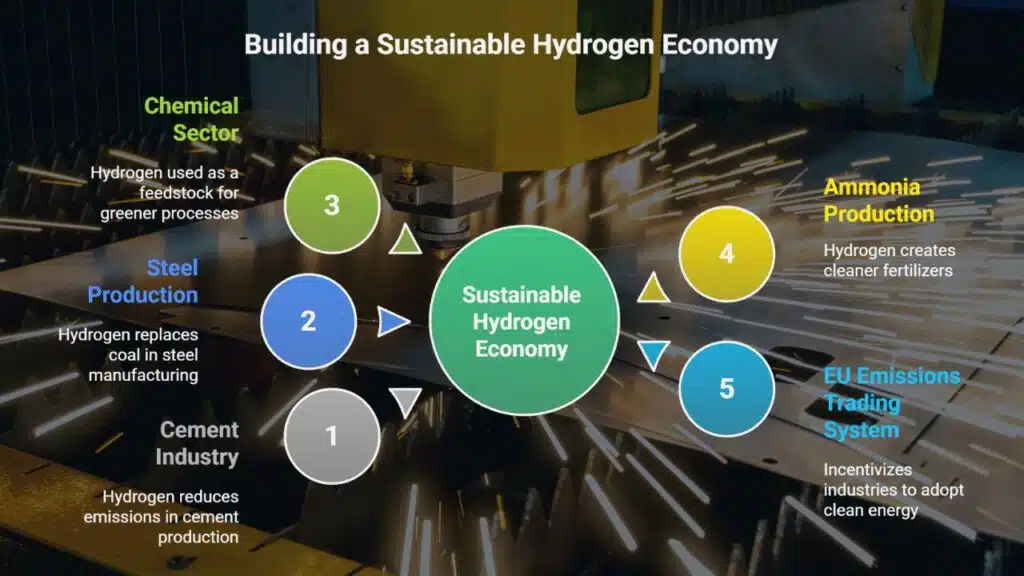
Hydrogen is making waves in German industries, folks. Think of it as a clean energy superhero, swooping in to cut down nasty carbon emissions. In the cement industry, for instance, it’s set to guzzle between 5.3 and 11 TWh yearly by 2045.
That’s a huge leap toward decarbonizing a sector known for heavy pollution. Plus, in steel production, green hydrogen swaps out coal in the heating process, slashing CO2 output big time.
It’s like trading a smoky old engine for a shiny electric motor. This push ties right into the energy transition, helping heavy industries clean up their act.
Now, let’s chat about the chemical and petrochemical sectors. They’re behind 7% of global industrial CO2 emissions, a hefty chunk to tackle. Hydrogen steps up here as a chemical feedstock, making processes greener.
Ammonia production, for one, uses it to create cleaner fertilizers with renewable electricity. Germany’s goal of hitting 14 TWh of hydrogen production by 2030 fits this plan like a glove.
With support from the EU Emissions Trading System, industries get a nudge to adopt clean energy. It’s all about building a solid hydrogen economy for a sustainable tomorrow.
Breakthroughs in hydrogen storage and logistics
Hey, have you heard about the fresh ideas for keeping hydrogen safe and moving it around with ease? Stick around to uncover more on this game-changing topic!
What are the latest methods for safe and efficient hydrogen storage?
Storing hydrogen safely and efficiently is a hot topic in the push for clean energy. New methods are popping up, like using solid materials to hold hydrogen in a compact form. Think of it as packing a suitcase tight, so you fit more in less space.
These materials, often called metal hydrides, grab hydrogen and keep it secure until needed.
Another cool trick is turning hydrogen into liquids, like ammonia, for easier storage. This approach cuts risks and makes transport a breeze. With Germany’s gas storage hitting 90.1% by December 31, 2022, the nation is gearing up to store green hydrogen on a massive scale.
Such steps help build a strong hydrogen infrastructure for the energy transition.
How are logistics evolving to support large-scale hydrogen use?
Logistics for hydrogen are changing fast in Germany, and it’s a big deal for the energy transition. With the country pushing hard for clean energy, moving hydrogen safely and efficiently is key.
Germany’s LNG import capacity is set to hit 500 TWh once new terminals are up and running, showing just how much infrastructure is gearing up. This shift isn’t just about gas; it’s about building a solid hydrogen supply chain to cut carbon emissions.
On top of that, natural gas made up 37% of Germany’s imports from Russia in 2021, with coal at a whopping 50%. Now, as the nation pivots to green hydrogen, companies are adapting ports, trucks, and storage for this new fuel.
Think of it as rewiring a giant machine, one piece at a time. Special containers and cooling tech are popping up to handle hydrogen transport, making sure this clean energy reaches factories without a hitch.
What policies support hydrogen adoption in German manufacturing?
Germany is pushing hard for clean energy, and hydrogen plays a big role in this shift. Back in 2020, the nation rolled out its National Hydrogen Strategy, a bold plan to kickstart the hydrogen economy.
They pumped in a massive €9 billion for projects to cut carbon emissions in manufacturing. Then, in 2023, they updated this strategy, showing they mean business about energy transition.
It’s like planting a seed and watching it grow with extra care.
On top of that, Germany’s recovery and resilience plan throws in €26.4 billion in grants, targeting hydrogen development. This cash helps build hydrogen infrastructure and boosts renewable energy storage for industries.
Think of it as a giant fuel pump, filling up the drive for green hydrogen and decarbonization. With policies like these, German manufacturing gets a solid push toward a cleaner future.
Takeaways
Let’s conclude with a brief overview of the remarkable progress in hydrogen use for German manufacturing. We’ve observed how green hydrogen revolutionizes steel production, reduces carbon emissions, and enhances energy efficiency with innovative tools like proton exchange membrane tech.
These practical measures, from hybrid power setups to upgraded pipelines, are straightforward to implement and deliver significant energy savings. The impact is substantial; embracing clean energy strategies can greatly decrease pollution and propel the energy transition ahead.
For additional details, explore resources on the national hydrogen strategy or renewable energies online. So, seize the opportunity, join this hydrogen movement, and contribute to creating a sustainable future!
FAQs
1. What’s the big deal with green hydrogen in German manufacturing?
Hey, let me tell you, green hydrogen is shaking things up big time with renewable energy! It’s made using renewable electricity, cutting down nasty carbon emissions, and helping with global decarbonization. German factories are jumping on this clean energy train to power their production of hydrogen and decarbonise heavy industries.
2. How does hydrogen storage play a role in Germany’s energy transition?
Listen up, storing surplus power as hydrogen is like keeping extra cookies in a jar for later. It’s a game-changer for the hydrogen economy, making sure renewable energies are ready when needed, especially for off-grid setups in manufacturing.
3. Are there cool new hydrogen applications popping up in German plants?
You bet! Hydrogen technologies, like proton exchange membrane (PEM) systems and solid oxide fuel cells, are being used in fuel cell vehicles and power generation, pushing the boundaries of hydrogen energy in the European Green Deal framework.
4. What’s Germany doing to boost the hydrogen supply chain for factories?
Well, pal, under the National Hydrogen Strategy, they’re building a solid hydrogen infrastructure for hydrogen transport and supply. It’s all about linking renewable hydrogen production to industrial needs, supporting energy transitions. Think of it as laying down tracks for a high-speed hydrogen train across the German Renewable Energy Sources Act landscape!
5. How are hydrogen derivatives helping mitigate climate change in manufacturing?
Here’s the scoop, hydrogen derivatives are like secret weapons in the fight against climate change. They’re used as alternative fuels to slash emissions in tough-to-tackle sectors, aligning with the Inflation Reduction Act and production tax credit incentives. This ties right into Germany’s push for mitigating climate change through a full-on transition to clean energy.
6. Can hydrogen vehicles impact German manufacturing’s future?
Oh, absolutely, my friend, hydrogen vehicles are revving up to change the game! They run on fuel cells powered by hydrogen generation, cutting reliance on conventional energy. This shift not only supports the hydrogen economy but also weaves into broader energy technologies, paving the way for cleaner transportation in industrial hubs.