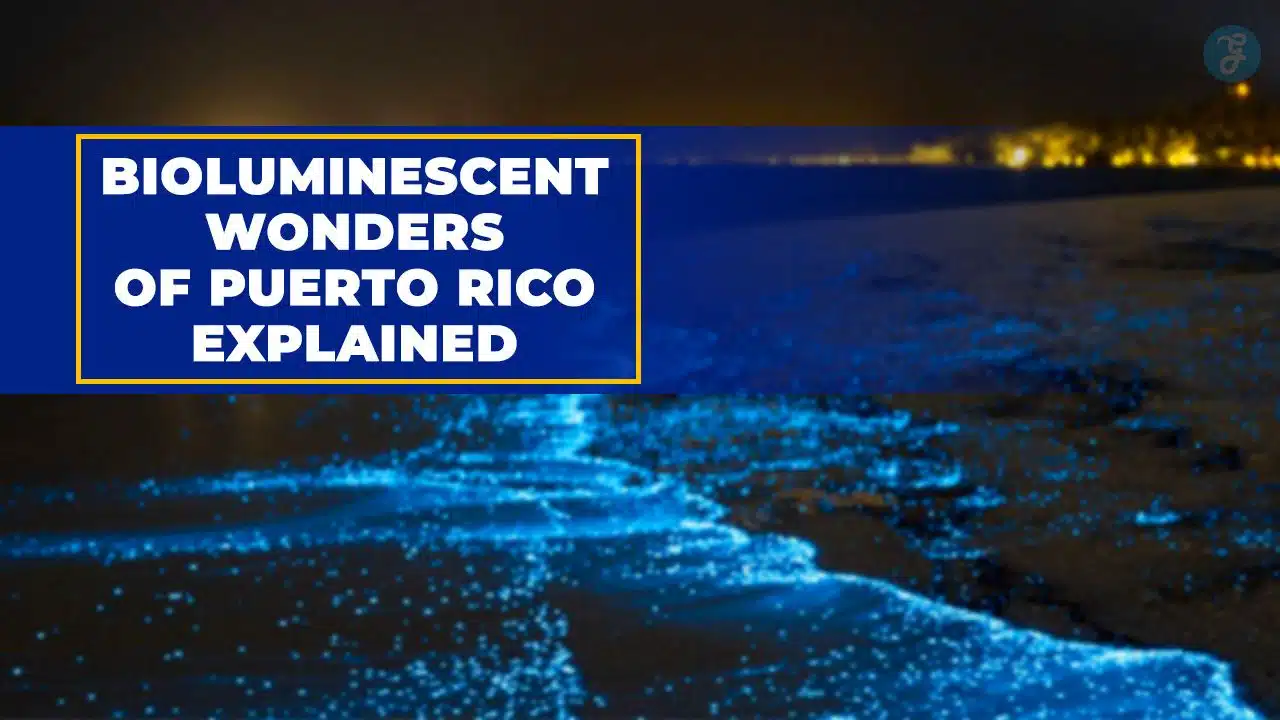
Have you ever wondered where you can see water that glows like magic in the dark? Puerto Rico has three amazing bays where tiny sea creatures make the water light up bright blue when you move through it.
This guide shows you exactly where to find these glowing waters, when to visit for the best light show, and how to explore them safely. Get ready to discover nature’s most amazing light display.
Key Takeaways
- Puerto Rico has three bioluminescent bays where tiny dinoflagellates create bright blue glowing water when disturbed by movement.
- Mosquito Bay in Vieques holds the Guinness World Record as the brightest bioluminescent bay with 720,000 dinoflagellates per gallon.
- New moon nights provide the best viewing conditions because minimal light pollution makes the natural bioluminescence appear brightest.
- Swimming is only allowed at La Parguera bay, while Mosquito Bay and Laguna Grande require kayaking tours only.
- Visitors must avoid sunscreen and bug spray before entering the water because these chemicals harm the delicate dinoflagellate organisms.
What Makes Mosquito Bay in Vieques the Brightest Bioluminescent Bay?
Mosquito Bay earned its title as the world’s brightest bioluminescent bay from Guinness World Records in 2006. This magical spot glows like nature’s own disco ball, thanks to millions of tiny dinoflagellates swimming in its waters.
These microscopic creatures light up the water every time you move your hand through it. The bay holds the highest concentration of these glowing organisms anywhere on Earth. Each gallon of water contains about 720,000 dinoflagellates, creating an electric blue glow that looks almost supernatural.
The bay’s incredible brightness comes from perfect conditions that protect these delicate marine life forms. A nature reserve surrounds Mosquito Bay, keeping light pollution away from the water.
This darkness helps visitors see the full magic of the bioluminescence during night tours. The protected mangrove forests filter the water and provide food for the dinoflagellates.
Kayaking remains the only way to explore this glowing wonder, with glass-bottom boats offering clear views of the light show below. Most tours start from Esperanza, where you can stay at places like El Blok hotel or Casa de Amistad guesthouse for the full island getaway experience.
Why Is Laguna Grande in Fajardo a Top Spot for Kayaking?
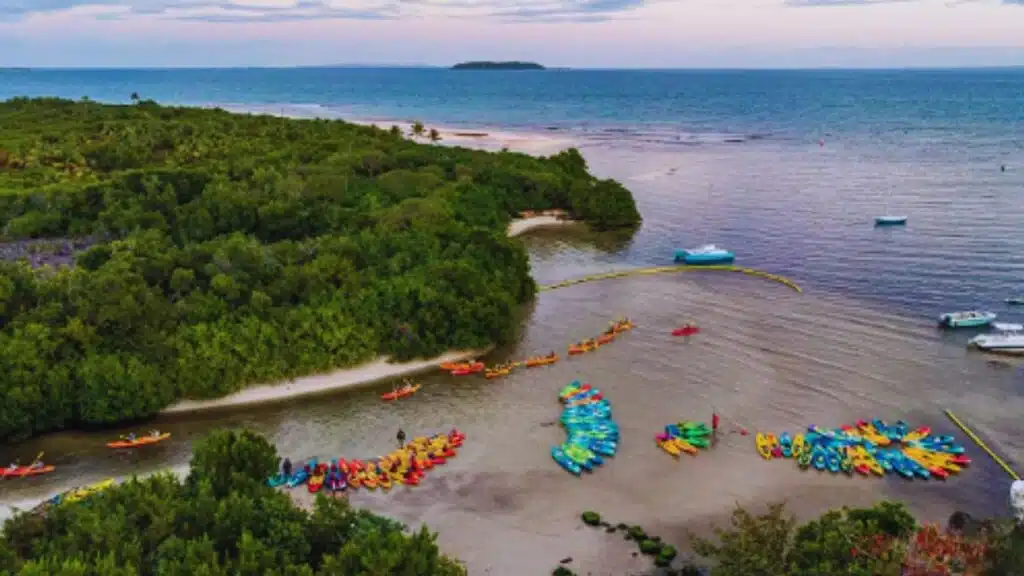
Laguna Grande stands out as the most popular bioluminescent destination for kayaking adventures. This magical spot sits just 75 minutes from San Juan along PR-3, making it super easy to reach.
Tour companies offer multiple kayak time slots each night, giving visitors plenty of chances to paddle through glowing waters. The lagoon features a long, narrow canal that leads to the main bioluminescent area, creating an exciting journey for kayakers.
Fajardo offers the perfect base camp for your glowing water adventure. Smart travelers stay overnight in the area to explore nearby attractions like Icacos Island and El Yunque National Forest.
You can choose from great places to stay, including El Conquistador Resort, Fajardo Inn, or cozy vacation rentals. The lagoon’s design makes it ideal for paddling, with calm waters and a protected environment that keeps the tiny glowing creatures safe while you explore their underwater light show.
What Is Unique About La Parguera in Lajas for Swimming?
La Parguera stands out as the only bioluminescent bay in Puerto Rico where swimming is allowed. This makes it a dream destination for water sports fans who want to dive right into the glowing waters.
Motorboats can cruise through the bay at night, which gives visitors more options than just kayaking. The southwest coast location offers a different adventure compared to other bio bays on the island.
Adventure seekers love La Parguera because it combines bioluminescence with active water sports. The drive from San Juan takes about two hours and fifteen minutes, making it perfect for a day trip.
Full-day tours last around eight hours and give you plenty of time to explore. Lajas town nearby has great places to stay, including Plaza Parguera hotel and cozy vacation rentals for those who want to extend their visit.
How Do Dinoflagellates Create Bioluminescence?
Dinoflagellates are tiny microorganisms that live in Puerto Rico’s glowing bays. These microscopic creatures pack a powerful punch. Each one acts like a living flashlight. The magic happens inside their cells through a chemical reaction.
Dinoflagellates contain a substance called luciferin and an enzyme called luciferase. These two ingredients mix together to create light. The process releases photons, which are particles of light.
This reaction occurs instantly when something disturbs the water around them.
Movement triggers the glowing effect in these marine organisms. Visitors can shake up the dinoflagellate organisms during tours to see the spectacular light show. A kayak paddle creates thousands of tiny sparkles.
Swimming through the water makes your body glow like a ghost. The phytoplankton respond to any disturbance in their aquatic ecosystem. High concentrations of these organisms make Mosquito Bay the brightest bioluminescent bay in the world.
The more dinoflagellates present, the brighter the glow becomes. Scientists believe this defense mechanism helps scare away predators in the dark ocean waters.
When Is the Best Time to Visit Puerto Rico’s Bioluminescent Bays?
**6. When Is the Best Time to Visit Puerto Rico’s Bioluminescent Bays?**.
Puerto Rico’s bioluminescent bays glow year-round, but the brightness changes with moon phases and weather conditions. New moon nights offer the best viewing experience because minimal ambient light makes the natural glow appear brightest.
Dark nights create perfect conditions for witnessing this amazing natural phenomena at its peak intensity.
Smart visitors call ahead to confirm visibility before booking their night tours. Full moons wash out the glow with too much light, so avoid those dates for your ecotourism adventure.
Tour operators recommend booking during the darkest nights possible for the most spectacular outdoor adventures with marine life. Weather can also affect visibility, making advance confirmation a wise choice for your Puerto Rico travel plans.
How Can You Explore the Bio Bays at Night by Kayak or Boat?
Exploring Puerto Rico’s glowing waters at night opens up magical outdoor adventures you’ll never forget. Different bays offer various water activities, from peaceful kayaking experiences to motorboat rides that showcase these natural wonders.
- Book guided tours for Mosquito Bay and Laguna Grande since these locations require kayak access only. Tour companies provide all equipment and expert guides who know the best spots for bioluminescence viewing.
- Choose glass-bottom kayaks at these two bays for enhanced marine life observation. The clear bottom lets you see the glowing dinoflagellates swirling beneath your paddle strokes.
- Plan your departure times around sunset or 8 PM when most kayak tours begin. These scheduled times offer the darkest conditions for maximum glow visibility.
- Consider La Parguera if you prefer motorboat access over paddling. This bay permits boats at night, making it perfect for visitors who want scenic views without physical effort.
- Take full-day, eight-hour tours from San Juan to La Parguera for a complete experience. These comprehensive trips include transportation, meals, and extended time in the glowing waters.
- Paddle independently to Mosquito Bay and Laguna Grande if you’re an experienced kayaker. You can reach these spots without tours, though guided experiences offer better safety and knowledge.
- Wear dark clothing and avoid bright lights to preserve your night vision. Flash photography and phone lights can ruin the bioluminescence effect for everyone on the tour.
- Move your paddle or hands through the water to activate the glowing organisms. The more you disturb the water, the brighter the blue-green light becomes around you.
How Is Puerto Rico Protecting Its Bioluminescent Ecosystems?
Puerto Rico takes ecosystem conservation seriously, especially for its glowing waters. Mosquito Bay sits within a protected nature reserve that shields the area from harmful light pollution.
This protection helps keep the dinoflagellates healthy and bright. Swimming stays off-limits in both Mosquito Bay and Laguna Grande to protect these tiny organisms. Marine life thrives when people follow these rules.
Certified eco-tour operators lead visitors through these magical places with minimal environmental impact. Tour guides teach people to skip bug spray and sunscreen before entering the water, since these products harm the delicate habitat.
Sustainable tourism practices help preserve these natural wonders for future generations. Local authorities work hard to maintain the perfect conditions that make bioluminescence possible.
Environmental protection efforts focus on keeping the water clean and the surrounding areas dark at night.
What Factors Affect the Visibility of Bioluminescence?
Several environmental factors control how bright the bioluminescent glow appears in Puerto Rico’s magical waters. Moon phases play the biggest role in visibility conditions. New moon nights offer the darkest skies, making the blue-green luminescence from dinoflagellates shine like liquid starlight.
Full moons wash out the natural light show with their bright illumination. Weather conditions also impact how well you can see these marine organisms sparkle. Clear skies help the photophores in tiny creatures create their best display.
Cloudy nights can dim the ecological interactions between water movement and glowing plankton.
Temperature and water quality affect how active bioluminescent organisms become during nighttime hours. Warm water temperatures make dinoflagellates more responsive to movement. Rain can reduce the glow by diluting the concentration of these microscopic light makers.
Tour operators often reschedule trips during less favorable conditions to give visitors the best viewing experience. Wind creates more water disturbance, which can actually increase the brightness as more organisms get stirred up.
Pollution from sunscreen, bug spray, and boat fuel can harm these delicate creatures and reduce their ability to produce light. The darker the night sky, the more spectacular the underwater fireworks become.
How Can You Capture Bioluminescence in Low Light Photography?
Photographing bioluminescence presents real challenges that most cameras cannot overcome. The natural glow from dinoflagellates appears much dimmer in photos than what your eyes see in person.
- Set your camera to manual mode with the highest ISO setting possible – Most cameras need ISO 3200 or higher to detect any luminescence from the water.
- Open your aperture to its widest setting – Use f/1.4 or f/2.8 to let maximum light reach your camera sensor during nighttime shooting.
- Use exposure times between 15-30 seconds – Longer exposures capture more of the faint glow, but movement can blur your shots.
- Bring a sturdy tripod for stability – Camera shake ruins low light photography, especially during long exposure sessions.
- Focus manually on infinity before darkness falls – Autofocus fails in complete darkness, so set your lens focus while light remains.
- Expect disappointing results compared to what you witness – The glow appears much brighter to human eyes than any camera can record.
- Use a remote shutter release or timer function – Touching your camera during exposure creates vibration that blurs the image.
- Shoot in RAW format for better editing options – RAW files give you more control when brightening dark images later.
- Consider bringing a headlamp with red filter – Red light preserves your night vision while you adjust camera settings between shots.
What Other Bioluminescent Experiences Are Available in Puerto Rico?
Puerto Rico offers exciting bioluminescent adventures beyond the famous trio of glowing bays. Snorkeling tours at night reveal marine creatures that light up the dark waters. Coastal exploration trips take visitors to hidden coves where tiny organisms create natural fireworks.
Beach walks after sunset showcase bioluminescence washing up on shore, creating magical moments for families.
La Parguera serves as a paradise for water sports enthusiasts seeking aquatic adventures with a glowing twist. Swimming experiences here let people move through living light shows.
Boat tours provide comfortable viewing platforms for those who prefer staying dry. Stand-up paddleboard excursions offer a different perspective on these natural wonders. Night photography workshops teach visitors how to capture the glow-in-the-dark magic.
Ecotourism companies now combine traditional nature experiences with bioluminescent encounters, creating unforgettable memories for travelers of all ages.
How Should Visitors Respect and Protect Bioluminescent Bays?
Puerto Rico’s bioluminescent bays need your help to stay bright. These fragile ecosystems depend on responsible travel choices from every visitor.
- Skip bug spray and sunscreen before entering any bio bay, as these chemicals kill dinoflagellates and damage the entire marine ecosystem.
- Choose certified eco-tour operators who follow conservation guidelines and protect biodiversity in these sensitive areas.
- Swim only at La Parguera bay, since swimming is banned at Mosquito Bay and Laguna Grande to preserve dinoflagellate populations.
- Wear quick-dry clothing on kayaking tours to avoid bringing harmful chemicals into the water from wet fabrics.
- Leave motorboats at the dock, as they are prohibited in protected areas like Mosquito Bay and Laguna Grande.
- Keep noise levels low during tours to avoid disturbing marine life and other visitors enjoying the experience.
- Pack out all trash and avoid dropping anything in the water, including food scraps or personal items.
- Follow your guide’s instructions about where to paddle and how to move through the water safely.
- Support local environmental protection efforts by choosing sustainable tourism options that give back to conservation programs.
Takeaways
Puerto Rico’s glowing waters offer magic that stays with you long after your visit ends. These three bioluminescent bays create memories that sparkle just like the water itself. Each bay brings its own special charm, from Mosquito Bay’s record-breaking brightness to Laguna Grande’s easy access from San Juan.
La Parguera welcomes swimmers into its gentle glow. Pack your sense of wonder, leave the sunscreen at home, and get ready to witness nature’s most amazing light show.
FAQs
1. What makes Puerto Rico’s bioluminescent bays so special?
Puerto Rico has three glowing bays that light up when you move through the water. These magical spots contain tiny organisms called dinoflagellates that create blue-green light when disturbed. Only a handful of places on Earth have this natural wonder.
2. Which bioluminescent bay in Puerto Rico glows the brightest?
Mosquito Bay in Vieques shines the brightest of all three bays. This bay holds the world record for the most concentrated bioluminescent organisms. The glow here will knock your socks off, especially on dark, moonless nights.
3. Can you swim in Puerto Rico’s glowing waters?
Swimming is allowed in Laguna Grande in Fajardo, but not in Mosquito Bay. The organisms in Mosquito Bay are too delicate for swimming and need protection to survive.
4. What’s the best time to see bioluminescence in Puerto Rico?
Dark, cloudy nights work best for seeing the glow. The moon can wash out the light, so new moon periods give you the most spectacular show.