Do you ever feel like your logistics team is chasing shadows in the supply chain? Packages vanish into thin air, customers bombard you with “where’s my order” calls, and delays pile up like traffic on a rainy day.
It’s frustrating, right? Imagine juggling freight forwarders, warehouses, and last-mile delivery without a clear view. That chaos hurts customer satisfaction and spikes holding costs.
Real-time tracking could change all that, but finding the right tool feels like searching for a needle in a haystack.
Eighty-eight percent of online shoppers say real-time tracking is key to a great delivery experience. This software automates updates from multiple carriers, streamlines communication, and boosts supply chain visibility.
Our post spotlights seven top options, from AfterShip’s branded tracking pages to TrackingMore’s API for e-commerce platforms. We’ll break down features like GPS tracking, predictive analytics, and ERP integrations to help you pick the best fit for your logistics management.
Ready to track smarter?
Key Takeaways
- Eighty-eight percent of online shoppers say real-time tracking is key to a great delivery experience.
- AfterShip connects to over 1,000 carriers in more than 200 countries, with pricing at $11 per month for 100 shipments and $0.08 for each extra one, plus a free plan and trial.
- Shippeo offers real-time multimodal tracking with advanced analytics and ERP integrations, priced by custom quote.
- Project44 provides AI-powered ETA and global multi-carrier visibility for enterprise shippers, with custom pricing.
- TrackingMore tracks shipments from over 1,400 carriers, starts at $9 per month, and includes a free trial.
What is AfterShip and How Does It Help Logistics?
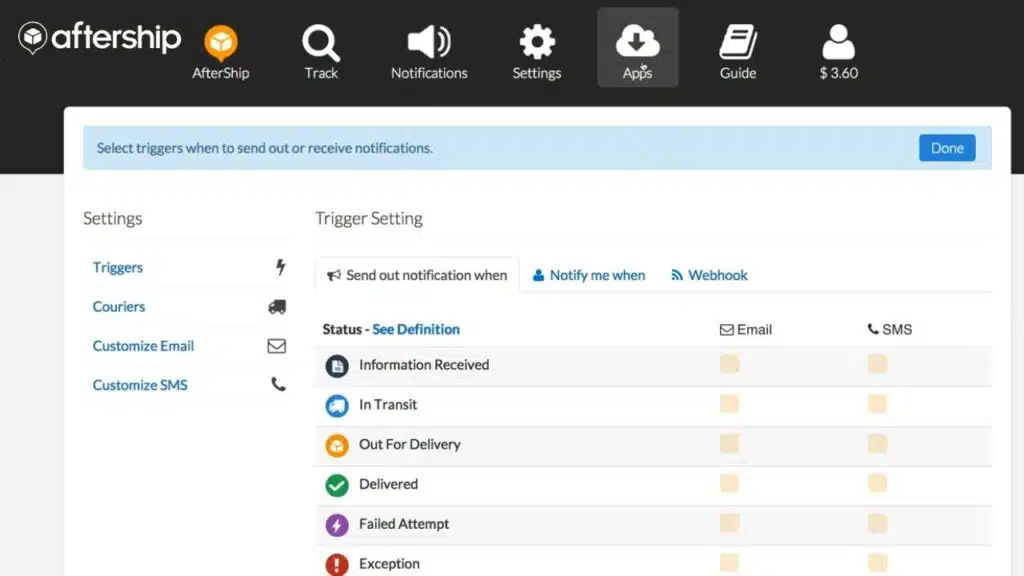
AfterShip serves as shipment tracking and post-purchase experience software that boosts logistics for e-commerce retailers and brands. It connects to over 1,000 carriers worldwide across more than 200 countries.
You get real-time tracking that keeps everyone in the loop, like a trusty map during a road trip. Branded tracking pages let you customize the look to match your brand, enhancing customer satisfaction with a personal touch.
Automated notifications via email or SMS alert customers on delivery status, cutting down on those anxious “where’s my package” calls. Returns management handles reverse logistics smoothly, so returns feel less like a headache.
API integrations work with platforms like Shopify, WooCommerce, Magento, and BigCommerce, tying into your ERP systems or warehouse management system for seamless inventory management.
Strengths shine in broad carrier coverage, a strong API, and customizable workflows that fit global supply chains.
Pricing starts at $11 per month for 100 shipments, with an extra $0.08 per shipment beyond that. A free plan exists for starters, plus a free trial to test the waters. Imagine your team uses GPS tracking and real-time dashboards to spot issues early, improving supply chain visibility and reducing stockouts.
Delivery notifications build trust, much like a friendly heads-up from a neighbor. For international logistics, it supports freight forwarding and LTL options, integrating with CRM tools to streamline order fulfillment.
E-commerce platforms benefit from Shopify integration, automating tasks that once relied on spreadsheets. This setup cuts hidden costs in warehouse management, boosts delivery transparency, and elevates the entire customer experience.
What Features Make Shippeo Stand Out?
Shippeo shines as a top logistics tracking system provider. It delivers real-time multimodal tracking, perfect for companies juggling complex supply chains. Envision your shipments moving across trucks, ships, and planes, all visible in one spot, like having a bird’s eye view of a busy highway.
Logistics firms love this for end-to-end supply chain visibility. They get advanced analytics by integrating with enterprise systems, such as ERP software and transportation management systems.
Visualize a team spotting delays before they snowball, using predictive analytics and real-time dashboards. Pricing comes via custom quote, customized to your needs. This setup boosts route optimization and real-time visibility, making operations smoother than a well-oiled machine.
Supply chain management feels less like a puzzle, more like a clear map. You can track international logistics with ease, including GPS tracking and delivery notifications.
Folks in warehousing often chat about how Shippeo stands out with its focus on multi-modal supply chains. It helps with carrier management and customizable workflows, turning chaos into order.
Think of it as a trusty sidekick in logistics management software, handling everything from barcode scanning to inventory management. Companies integrate it with warehouse management systems (WMS) and e-commerce platforms, like Shopify integration for online stores.
This enhances delivery transparency and boosts customer satisfaction through branded tracking pages. Real-time order tracking keeps everyone in the loop, reducing surprises in delivery operations.
For reverse logistics, it offers traceability with RFID technology, making returns a breeze. Enterprise resource planning ties in seamlessly, supporting just-in-time inventory control and cycle counts.
Dispatch teams appreciate the real-time updates, much like getting live scores in a game. Suppliers benefit too, with better supply chain finance and demand management.
How Does Project44 Improve Shipment Tracking?
Project44 delivers global shipment visibility with advanced analytics, making it a top pick for enterprise shippers who need predictive visibility. This logistics management software supports global multi-carrier shipments, so you handle loads from places like UPS without a hitch.
It provides real-time tracking and exception management, plus branded communications that keep everyone in the loop. Imagine your team spotting delays early, like catching a curveball before it strikes; that’s the power here.
The tool includes AI-powered estimated time of arrival (ETA) and control-tower dashboards, which offer real-time dashboards for quick decisions. You even benchmark carrier performance to pick the best ones, boosting supply chain visibility and delivery operations.
Pricing stays custom and suited for enterprise shippers, fitting your exact needs like a glove. Think of it as your warehouse management system (WMS) sidekick, with ERP integrations that connect to your database or accounting software seamlessly.
Real-time visibility shines through GPS tracking and delivery notifications, enhancing customer satisfaction with branded tracking pages. For international logistics or reverse logistics, it steps up with predictive analytics, helping you cut costs in order fulfillment.
Visit project44.com to see how it ties into eCommerce platforms, Slack, or even route optimization for smoother rides.
Why Choose FourKites for Your Logistics Needs?
FourKites stands out with its predictive logistics tracking, giving you a clear edge in supply chain visibility. Imagine your team spotting delays before they hit, like a weather forecast for shipments.
This tool provides a single dashboard for international logistics, pulling everything together in one spot. It integrates smoothly with warehouse management systems, or WMS, and yard management setups too.
Plus, AI-driven analytics examine shipment tracking, offering real-time visibility across trucks, ships, and planes. Enterprises love this for end-to-end supply chain management, especially when juggling multiple transport modes.
You get predictive analytics and real-time dashboards that boost delivery operations, route planning, and even carrier management. Talk about turning chaos into a well-oiled machine, right?
Pricing comes via custom quote, so it fits your specific needs without breaking the bank. FourKites supports ERP integrations and works great with inventory management tools. Think of it as your logistics management software on steroids, handling reverse logistics and GPS tracking with ease.
Delivery notifications keep everyone in the loop, enhancing customer satisfaction through delivery transparency. Customizable workflows let you tweak things for your setup, while real-time order tracking ensures no surprises.
It even ties into warehouse management, making order fulfillment a breeze. For folks in global trade, this means better shipment visibility and fewer headaches with international logistics.
What Are Narvar’s Key Shipment Tracking Benefits?
Narvar focuses on post-purchase customer experience and tracking, like a trusty sidekick that keeps shoppers in the loop after they hit buy. This tool supports multiple carriers across North America, Europe, and APAC, so you handle international logistics without a hitch.
Imagine your brand shining through branded tracking pages; customers get that personal touch. They receive automated notifications, which boost customer satisfaction and delivery transparency.
Retailers love how Narvar offers returns management and personalized communication, turning potential headaches into smooth sails. Delivery analytics help you spot trends in real-time visibility, much like a crystal ball for your supply chain.
Best of all, these highly customizable tools strengthen engagement, making post-purchase interactions feel like a warm chat with a friend. Oh, and pricing comes by quote only, with no free trial, so you talk directly to customize it to your needs.
Imagine this: your logistics team uses Narvar to improve shipment visibility, complete with real-time tracking that feels like GPS tracking on steroids. Automated delivery notifications keep everyone updated, reducing those frantic “where’s my package?” calls.
You integrate it with ERP systems for seamless reverse logistics, handling returns like a pro. Predictive analytics provide insights that improve supply chain visibility, helping you cut costs in delivery operations.
Carrier management becomes a breeze with customizable workflows and real-time dashboards. For retailers, this means boosting order fulfillment and inventory management, all while creating a branded experience that screams professionalism.
Shoppers stay happy with real-time order tracking, turning one-time buyers into loyal fans.
How Can ClickPost Enhance Your Delivery Process?
ClickPost powers up your delivery operations with real-time multi-carrier tracking that keeps everyone in the loop. Imagine you’re running an e-commerce business, and shipments zip across the globe without a hitch.
This tool offers branded tracking pages and notifications, boosting customer satisfaction like a well-timed high-five. It handles NDR management smoothly, cutting down on those pesky delivery snags.
Plus, AI-driven analytics provide predictive insights, much like a crystal ball for your supply chain visibility. Over 350 global brands trust it for last-mile intelligence and customizable alerts, making reverse logistics a breeze.
You get e-commerce and ERP integrations that fit right into your warehouse management system. Think of it as the glue holding your inventory management and order fulfillment together.
Carrier management becomes simple with real-time dashboards, and customizable workflows let you tweak things just right. Logistics companies love it for international logistics support, enhancing delivery transparency every step of the way.
Pricing comes by quote, with no free trial, but it shines for firms chasing top-notch delivery analytics. GPS tracking and delivery notifications add that extra layer of real-time visibility, helping reduce costs in your supply chain.
What Does TrackingMore Offer for Shipment Visibility?

TrackingMore pulls updates from over 1,100 carriers. It tracks shipments from more than 1,400 carriers. This tool gives you real-time visibility, like a spotlight on your packages.
Developers love it for the multi-carrier tracking API. E-commerce platforms thrive with its integrations, such as ERP integrations and Shopify integration. Imagine spotting delays before they bite, thanks to GPS tracking and delivery notifications.
You get branded tracking pages for that personal touch. Bulk tracking handles loads of orders at once. The system shines in shipment visibility and real-time order tracking. Extensive carrier coverage makes it a go-to for international logistics.
Comprehensive API documentation helps you set up fast.
A free trial lets you test the waters. Paid plans kick off at just $9 per month. These features boost customer satisfaction through delivery transparency. Think of it as your secret weapon in logistics management software.
Predictive analytics forecast issues early. Real-time dashboards keep you in the loop. Carrier management becomes a breeze. Customizable workflows fit your needs. Best for those needing strong tracking integrations, it supports warehouse management systems (WMS) and inventory management.
Order fulfillment gets smoother with barcode scanning. Reverse logistics? Handled with ease.
Key Features to Look for in Shipment Tracking Software
Picking the right shipment tracking software feels like finding a trusty sidekick for your logistics team, one that keeps everything running smooth without the headaches. Explore what sets top options apart, like GPS tracking that spots packages in a flash, or ERP integrations that link up with your warehouse management system, and you’ll see how they amp up efficiency and keep customers smiling.
How Important Is Real-Time Tracking and Updates?
Real-time tracking stands out as a game-changer in logistics, you know? Imagine your packages zipping across ocean, air, and road freight with full real-time visibility, just like Beacon offers.
This feature feels essential to 88% of online shoppers for a smooth delivery experience. FourKites steps in with AI-driven analytics for predictive, real-time logistics tracking that keeps everything on point.
Real-time updates cut down delivery issues by boosting team and carrier communication, making operations flow like a well-oiled machine. Live fleet tracking with GPS and proof of delivery, as Detrack provides, gives instant delivery confirmation and adds that extra layer of trust.
You get immediate exception management and customer notifications through real-time tracking, which is a real lifesaver. This setup reduces the risk of costly delays and strengthens supply chain reliability, no doubt about it.
Enhanced visibility from real-time updates even boosts your negotiation power with solid tracked performance. Tools like real-time dashboards and predictive analytics make shipment visibility crystal clear, while GPS tracking and delivery notifications keep everyone in the loop.
Carrier management becomes a breeze, and supply chain visibility ramps up customer satisfaction in ways that feel almost magical.
How Does Integration with Existing Systems Work?
Shipment tracking software links up with your current tools, like ERP systems and warehouse management systems (WMS). Take AfterShip, for example. It supports API and e-commerce integrations with platforms such as Shopify, WooCommerce, Magento, and BigCommerce.
This setup cuts down on manual data entry, and it automates shipment status updates for you. Project44 and Shippeo connect with ERP and TMS for smooth logistics tracking. Outvio blends tracking with warehouse operations to give unified visibility.
Modern tools use native APIs to join multiple internal and external systems, making everything flow better.
Imagine your supply chain as a busy highway; integrations act like on-ramps that keep traffic moving without jams. RocketFuel Recharge provides over 80 WMS and ERP integrations for billing and cash flow automation.
Solutions like Sendcloud and AfterShip shine with ties to major e-commerce platforms. These connections boost real-time visibility and streamline order fulfillment. You get seamless links to inventory management and carrier management, all in the cloud.
It’s like having a chatty friend who shares updates without you asking, saving time and hassle in your delivery operations.
What Analytics and Reporting Capabilities Are Essential?
You need strong analytics in shipment tracking software to make smart choices. Advanced analytics give you delivery data and store records for better planning. They help with compliance and accountability through event logs for audits and claims.
Outvio, for example, audits carrier invoices to spot billing errors and hidden costs. Shipwell examines quoting, booking, tracking, and performance metrics. FourKites and Project44 use AI-driven analytics for shipment tracking and carrier performance.
Think of it like a detective in your supply chain, uncovering issues before they grow. These tools boost supply chain visibility and real-time visibility. Analytics dashboards, like Orbit AI in RocketFuel, show profitability, carrier rates, and billing efficiency.
You get predictive analytics to foresee problems.
Analytics spot delays and report exceptions for constant improvement. Delivery analytics aid in carrier negotiations and highlight optimization chances. They tie into warehouse management systems and ERP integrations for smooth flows.
Carrier management becomes easier with real-time dashboards. Customizable workflows let you tweak reports to fit your needs. Imagine negotiating better deals with solid data in hand, like a secret weapon in logistics management software.
This setup enhances delivery operations and reverse logistics. International logistics get a lift from gps tracking insights. You see opportunities for route optimization and inventory management.
Why Is a User-Friendly Interface Critical?
Logistics teams face tight deadlines every day. A user-friendly interface cuts setup time, like with Perseuss’ browser-based warehouse management system (WMS). This quick setup boosts efficiency right away.
Branded tracking pages and notifications from tools like AfterShip, WeSupply Labs, and Shipup amp up customer engagement. Imagine your customers smiling at easy updates; it builds loyalty.
Self-service portals, such as those from WeSupply Labs, let folks track shipments and handle returns without hassle. Personalization features in Shipup and Narvar turn plain interfaces into fun spots for end users.
Easy integration and setup slash onboarding time for your crew. Clear dashboards from FourKites and Project44 spark fast decisions on real-time tracking. Accessible interfaces help support and operations teams manage shipments smoothly, improving supply chain visibility.
Customizable workflows support multi-brand or multi-warehouse operations, fitting your needs like a glove. Think of it as a smooth ride in delivery operations, with GPS tracking and delivery notifications keeping everyone happy.
Customer satisfaction soars when real-time visibility feels effortless, reducing logistics costs along the way.
Benefits of Using Shipment Tracking Software
Picture your supply chain as a busy highway, where GPS tracking and delivery notifications act like traffic lights, keeping everything moving without crashes. You gain better visibility, cut costs on route optimization, and delight customers with branded tracking pages, making logistics feel like a well-oiled machine.
How Does Enhanced Visibility Improve Supply Chains?
End-to-end supply chain visibility lets you spot delays and fix them fast. You manage exceptions before they grow big. Real-time tracking works across air, road, and sea modes. This setup supports tough supply chain jobs.
Supply chain visibility gives quick fixes for disruptions, which cuts risks. Integrated tracking platforms link carriers, warehouses, and customers. Information flows smooth and easy.
Tools like Shippeo and FourKites offer single dashboards for international logistics. Enhanced visibility boosts accountability in every supply chain step. Think of it like having a clear map during a foggy drive, you dodge potholes with ease.
Data-driven supply chain management sharpens forecasting and inventory planning. Improved visibility helps with regulatory compliance and audit readiness. Real-time visibility sparks predictive analytics on real-time dashboards.
Logistics management software ties into warehouse management systems and ERP integrations. You get shipment visibility that feels like magic, turning chaos into smooth sails. Customers love the delivery transparency.
It all connects for better route optimization and order fulfillment.
In What Ways Does Shipment Tracking Boost Customer Satisfaction?
Shipment tracking boosts customer satisfaction by providing real-time visibility into orders. Imagine waiting for a package, like a kid on Christmas morning, only to face silence. That frustration vanishes with branded tracking pages and automated notifications.
These tools keep customers informed every step of the way. Multi-channel notifications, through email or SMS, deliver timely updates. They turn anxiety into excitement. Self-service portals, such as those from WeSupply Labs, let customers check status and start returns on their own.
This empowerment feels like giving them the wheel in their delivery journey. Personalization of tracking communications, from tools like Narvar and Shipup, enhances the post-purchase experience.
It adds a personal touch, making buyers feel valued.
A poor delivery experience drives away 85% of customers, who won’t shop again. Shipment tracking fights this with proactive delay notifications, like those from LateShipment.com. These alerts minimize negative vibes before they build.
Transparent tracking builds trust and sparks repeat business. Automated incident management quickly fixes concerns, smoothing out bumps in the road. Real-time order tracking and delivery transparency improve supply chain visibility.
Predictive analytics and real-time dashboards forecast issues, keeping everything on track. Delivery notifications ensure no surprises. Together, these features turn logistics into a customer satisfaction powerhouse, encouraging loyalty with every on-time arrival.
How Can Shipment Tracking Software Reduce Logistics Costs?
Automation cuts labor costs by handling manual tracking and notifications. Imagine, you swap tedious tasks for smart systems, saving time and money right away. Invoice auditing in tools like Outvio spots billing errors and hidden operational costs, keeping your budget in check.
Route optimization from Routific and Onfleet slashes fuel and delivery expenses, like finding the shortest path in a maze. Analytics dashboards in RocketFuel and Shipwell uncover inefficiencies, opening doors to cost reduction.
Integration with warehouse management systems and ERP systems, such as RocketFuel Recharge, streamlines billing and cash flow; this frees up over $300,000 in cash during peak times for third-party logistics providers.
Exception management stops costly delays and chargebacks before they hit. Automated refund claims through LateShipment.com pull back lost revenue, acting like a safety net for your profits.
Cost transparency lets you negotiate better with carriers and service providers, turning data into deals. Real-time visibility and predictive analytics boost supply chain visibility, spotting savings in inventory management and order fulfillment.
GPS tracking and delivery notifications enhance delivery operations, reducing errors in international logistics and reverse logistics. Carrier management and customizable workflows in logistics management software trim waste, much like tuning an engine for peak performance.
Real-time dashboards reveal patterns, helping with route optimization and warehouse management. ERP integrations and Shopify integration smooth out processes, cutting costs in packing slips and barcode scanning.
You gain efficiency, and your bottom line thanks you.
Takeaways
Pick the right shipment tracking software, and watch your logistics game soar like a rocket. Tools like AfterShip and Project44 deliver real-time visibility, cut costs, and keep customers smiling with quick updates.
Explore these options, boost your supply chain, and turn delivery headaches into smooth sails.
FAQs
1. What makes shipment tracking software a game changer for logistics companies?
Picture this, you’re juggling deliveries like a circus performer, and real-time tracking steps in as your trusty sidekick, offering gps tracking and delivery notifications that keep everything on point. It boosts supply chain visibility, so you avoid those nasty surprises. Plus, with route optimization, you save time and fuel, making your operations smoother than a well-oiled machine.
2. How does real-time order tracking improve customer satisfaction?
Customers hate waiting in the dark, right? Real-time order tracking gives them delivery transparency through branded tracking pages, turning frustration into smiles.
3. Can shipment tracking software handle inventory management too?
Oh, absolutely, it pairs up with warehouse management system (wms) for seamless inventory software use. Think of it as a helpful buddy that scans barcodes and manages stock, cutting down errors in order fulfillment. This setup even ties into checkout processes, keeping your warehouse humming.
4. What about integrations with other tools in logistics management software?
You’ll love how it connects with erp integrations and shopify integration, like old friends catching up. It supports carrier management and customizable workflows, making your daily grind a breeze.
5. How does predictive analytics fit into shipment tracking?
Predictive analytics in this software acts like a crystal ball, forecasting issues before they hit. It uses real-time dashboards to analyze data, helping with reverse logistics and international logistics.
6. Does it support features like barcode scanning for delivery operations?
Yes, barcode scanning is a core part, speeding up tasks in warehouse management (wms). It enhances real-time visibility and ties into project management for fintech firms, ensuring smooth sails even in tricky spots.