Sustainability has become a driving force behind many of our daily decisions, and the beauty industry is no exception.
With increasing awareness about the environmental impact of disposable products, more people are turning to eco-friendly alternatives. Among the most impactful changes you can make is switching to reusable makeup remover pads.
These versatile tools are not only kinder to the planet but also offer a range of benefits that go beyond the obvious.
Reusable makeup remover pads are a practical, cost-effective, and environmentally conscious choice. They’re designed to fit seamlessly into your beauty routine, offering an easy way to reduce waste and promote healthier skincare habits.
This article dives deep into the benefits of reusable makeup remover pads, shedding light on why they’re the perfect choice for anyone looking to combine effective skincare with environmental responsibility.
What Are Reusable Makeup Remover Pads?
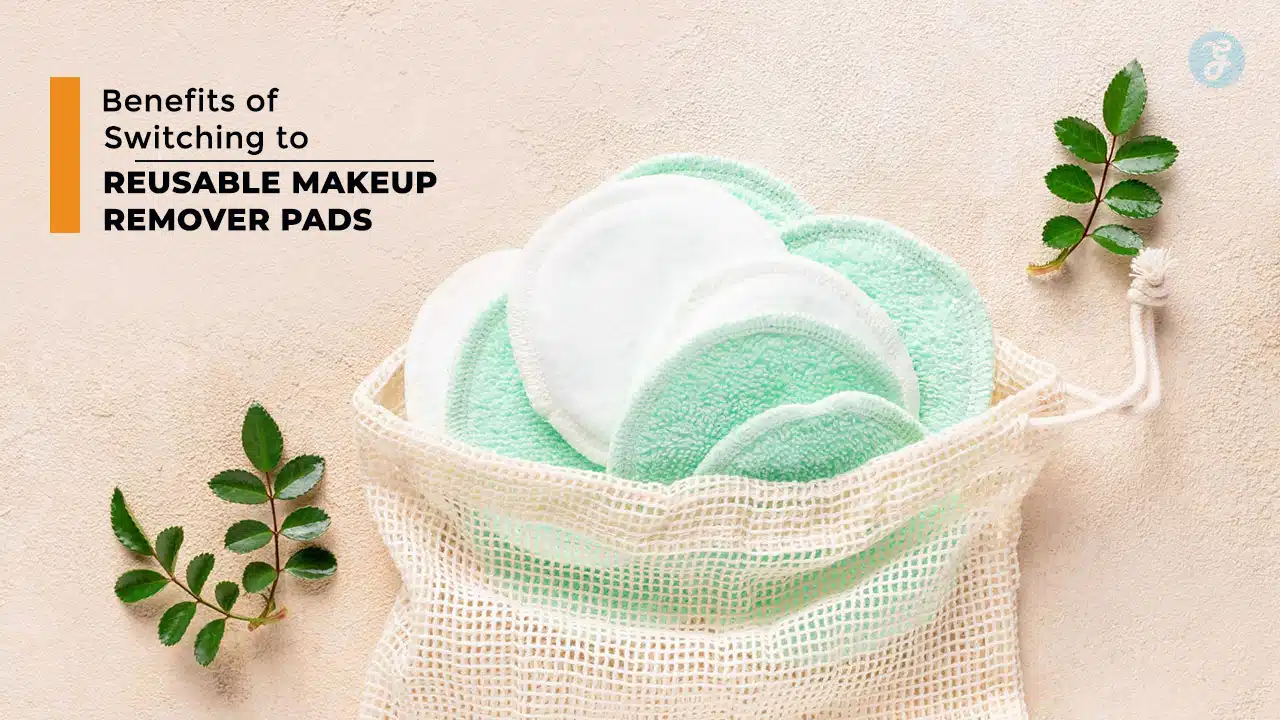
Reusable makeup remover pads are designed as sustainable alternatives to single-use cotton pads and wipes.
Made from materials such as bamboo, organic cotton, or microfiber, they are washable and long-lasting, making them a great investment for your beauty routine.
Unlike disposable pads, these eco-friendly versions are gentle on your skin, versatile, and reduce waste significantly.
They come in various sizes and textures to cater to different skincare needs, whether you’re removing waterproof mascara or applying toner. With proper care, they can last for years, making them a practical and sustainable choice.
| Feature | Reusable Makeup Pads | Disposable Pads |
| Lifespan | 1-2 years | Single use |
| Materials | Bamboo, cotton, microfiber | Synthetic fibers, bleached cotton |
| Environmental Impact | Low (washable and reusable) | High (landfill waste, microplastic pollution) |
| Cost Over Time | Low (one-time investment) | High (continuous purchase) |
1. Environmental Benefits of Reusable Makeup Remover Pads
Reducing Landfill Waste
Disposable cotton pads and wipes contribute to millions of tons of landfill waste annually. By switching to reusable makeup remover pads, you can drastically cut down on the waste generated by your beauty routine. These pads can last for years with proper care, meaning fewer items clogging up landfills.
Saving Water and Energy in Production
The production of disposable cotton pads consumes an immense amount of water and energy. For example, producing one kilogram of cotton requires approximately 20,000 liters of water. Reusable pads, on the other hand, require far less water and energy over their lifetime.
| Environmental Impact | Disposable Pads | Reusable Pads |
| Water Usage | High (20,000 liters/kg) | Minimal (washing only) |
| Energy Consumption | High | Low |
| Waste Contribution | Significant | Minimal |
Combating Microplastic Pollution
Many disposable makeup wipes contain synthetic fibers that break down into microplastics, polluting our oceans and harming marine life. Reusable makeup remover pads made from natural fibers help avoid this issue entirely, ensuring cleaner waterways and healthier ecosystems.
2. Cost-Effectiveness: Save Money Over Time
Initial Investment vs. Long-Term Savings
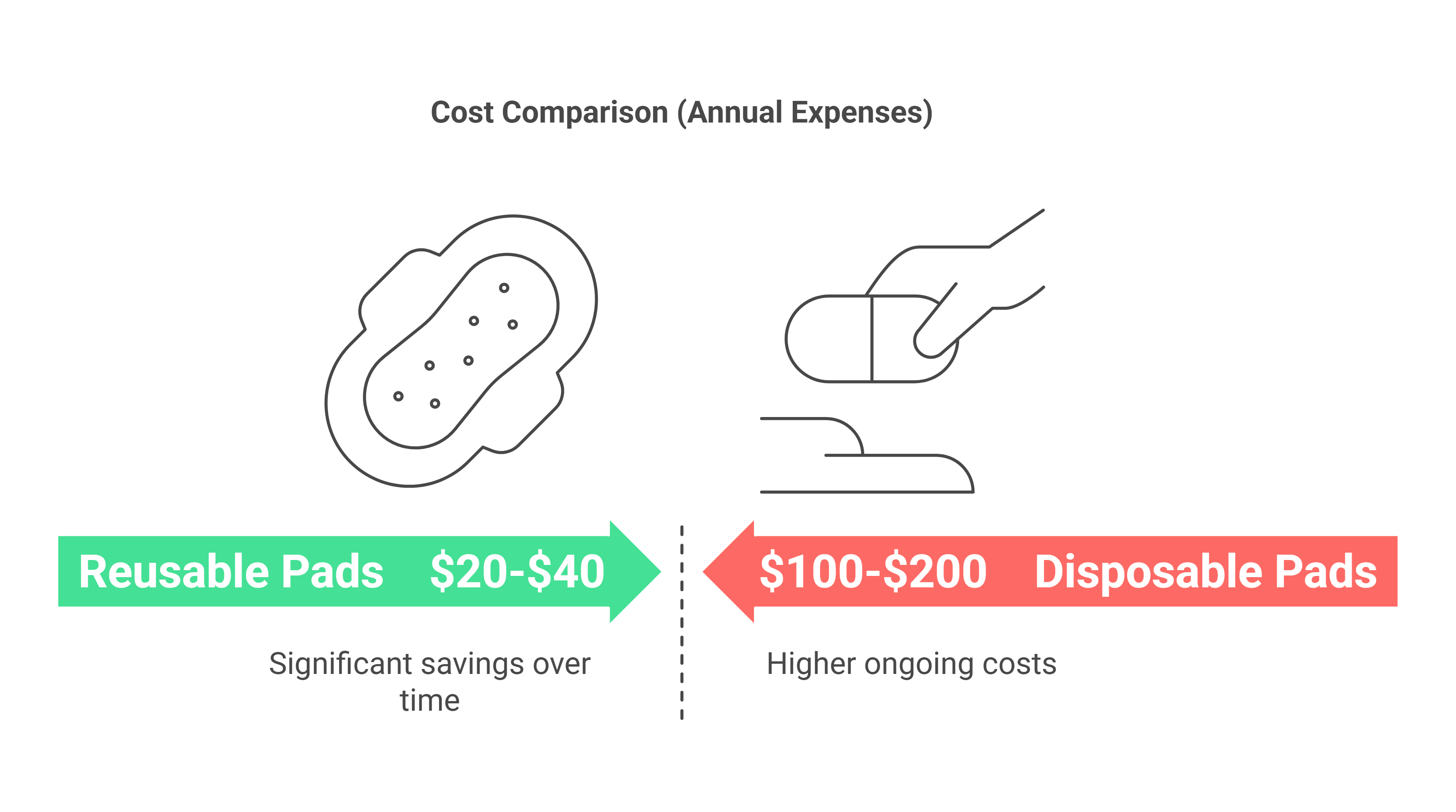
While reusable makeup remover pads may seem more expensive upfront, they quickly pay for themselves. A single set can replace hundreds of disposable pads over its lifetime, saving you money in the long run.
Durability and Reusability
High-quality reusable pads are designed to withstand repeated washing and usage, making them a cost-effective choice. Most sets come with multiple pads, ensuring you always have a clean one ready to use.
A One-Time Purchase
Unlike disposable options that require frequent repurchasing, reusable pads are a one-time investment, reducing the need for constant restocking.
| Cost Comparison | Disposable Pads (Annual) | Reusable Pads (Annual) |
| Average Expense | $100-$200 | $20-$40 |
| Longevity | Single use | 1-2 years |
3. Better for Your Skin
Gentle on Sensitive Skin
Reusable makeup remover pads are often crafted from soft, skin-friendly materials like organic cotton or bamboo. They’re ideal for sensitive skin, helping to prevent irritation caused by harsh chemicals or rough textures found in disposable wipes.
Effective Cleansing Without Harsh Ingredients
Many disposable wipes are pre-soaked in cleansing solutions that may contain alcohol or synthetic fragrances. Reusable pads allow you to use your preferred makeup remover or cleansing solution, ensuring a safer and more customized skincare routine.
Reducing Allergic Reactions
By eliminating reliance on chemically treated disposable products, reusable pads minimize the risk of allergic reactions, helping maintain healthier skin. Users with conditions like eczema or rosacea often find reusable pads to be a gentler alternative.
4. Convenience and Versatility
Multi-Functional Usage
Reusable makeup remover pads aren’t just for removing makeup. They’re perfect for applying toners, exfoliating, or even as compresses for puffy eyes. Their versatility makes them a must-have for any beauty routine.
Travel-Friendly
Compact and lightweight, reusable pads are easy to pack, making them ideal for travel. Many sets even come with a mesh bag for convenient storage and washing.
Easy to Clean
Reusable pads are simple to clean. You can hand-wash them with mild soap and warm water or toss them into a washing machine for effortless care. For best results, air-dry them to extend their lifespan.
| Feature | Reusable Pads | Disposable Pads |
| Multi-Functionality | Yes (makeup, toner, etc.) | Limited (makeup only) |
| Travel-Ready | Yes | No (bulky packaging) |
| Cleaning Method | Washable | Not applicable |
5. Supporting Ethical and Sustainable Practices
Fair Trade and Ethical Sourcing
Many companies producing reusable makeup remover pads prioritize ethical practices, ensuring fair wages and safe working conditions for workers.
Encouraging Sustainable Business Models
By supporting brands that produce reusable products, you’re encouraging a shift toward sustainable manufacturing and reducing the demand for disposable goods.
Promoting Conscious Consumerism
Switching to reusable makeup remover pads helps promote a culture of mindful purchasing, encouraging others to adopt sustainable habits. Brands like LastObject and Marley’s Monsters are excellent examples of companies championing these principles.
6. Encouraging a Zero-Waste Lifestyle
A Step Toward Zero-Waste Goals
Reusable makeup remover pads are an excellent starting point for anyone embarking on a zero-waste lifestyle. By reducing dependence on single-use items, you’re taking actionable steps toward sustainability.
Inspiring Further Eco-Friendly Changes
Once you experience the benefits of switching to reusable makeup remover pads, you’re likely to explore other sustainable swaps, such as bamboo toothbrushes or silicone food storage bags.
Building Community Awareness
Using and advocating for reusable products can inspire friends and family to consider sustainable alternatives, amplifying the positive impact.
7. Reduced Carbon Footprint
Reusable pads require fewer resources to produce over time compared to their disposable counterparts. Each time you reuse a pad, you decrease the demand for new products and their associated carbon emissions.
| Comparison | Disposable Pads | Reusable Pads |
| Production Emissions | High | Low |
| Transportation Impact | Frequent (restocking) | Minimal |
8. Promotes Minimalist Living
Reusable pads align perfectly with minimalist values, reducing clutter and promoting a more intentional lifestyle. You need fewer items in your bathroom and travel bag, simplifying your beauty routine.
Practical Tip
Choose multi-purpose reusable pads that cater to various needs like cleansing, exfoliation, and makeup removal to maximize their utility.
9. Gentle on the Environment During Disposal
Even at the end of their life cycle, reusable pads are more eco-friendly. Many brands offer biodegradable options, ensuring they break down naturally rather than sitting in landfills for years.
| Disposal Method | Disposable Pads | Reusable Pads (Natural Fibers) |
| Landfill Impact | High (non-biodegradable) | Low (biodegradable options) |
| Decomposition Time | Years | Months (if compostable) |
10. Encourages Responsible Consumer Behavior
By switching to reusable makeup remover pads, you contribute to a culture of responsible consumption. This shift impacts not only personal choices but also market trends, pushing brands to adopt sustainable practices.
Real-Life Insight
A survey by Statista revealed that over 60% of consumers are willing to pay more for sustainable beauty products—a trend that highlights the growing demand for eco-conscious solutions.
How to Choose the Best Reusable Makeup Remover Pads
Material Matters
Look for pads made from high-quality, natural fibers like organic cotton or bamboo. These materials are gentle on the skin and environmentally friendly.
Consider the Size and Thickness
Different sizes and thicknesses cater to varying needs, from removing heavy makeup to applying toner.
Check for Additional Features
Some reusable pads come with convenient extras like storage bags or exfoliating textures for added functionality. Opt for options that suit your lifestyle and beauty routine.
| Criteria | Recommended Option | Why It Matters |
| Material | Organic cotton, bamboo | Gentle and eco-friendly |
| Features | Storage bag, exfoliating pad | Convenience and versatility |
Wrap Up
Switching to reusable makeup remover pads is a small yet impactful change that benefits your wallet, skin, and the planet.
These eco-friendly alternatives offer a host of advantages, from reducing landfill waste to supporting ethical practices, all while delivering superior performance compared to disposables.
By embracing reusable makeup remover pads, you’re not just upgrading your beauty routine—you’re making a statement about the kind of future you want to create.
So why wait? Start reaping the benefits of switching to reusable makeup remover pads today and inspire others to follow suit.
Together, we can build a more sustainable world, one small step at a time.