Many homebuyers face sky-high real estate prices and a tough housing market. They want a custom home that cuts energy bills. Rising cost of living adds stress. Many fear a passiv house will cost too much.
Energy savings can reach 80 percent with proper r values, airtight walls, and double pane windows. We will use cost estimation tools and american community survey data. We will add consumer expenditure survey numbers and cost-of-living indexes.
You will see 10 builds under $300k with spray foam and fiberglass batts, from a tiny studio to a two-story home. Stay tuned.
Key Takeaways
- Ten Passive House homes cost under $300 000. The smallest is 800 sq ft at $180 000 and the largest is 1 500 sq ft at $295 000.
- All builds use R-40 to R-60 walls, an airtight shell (0.6–1 air change per hour), and triple-pane windows to cut heating energy by up to 80 percent.
- Build 1 (1 200 sq ft ranch) cost $250 000: land $40 000, framing $35 000, insulation $30 000, windows $25 000, ventilation $20 000, labor $45 000, permits $5 000, contingency $10 000.
- Builders install heat recovery ventilators for about $7 000 and spend $5 000–$10 000 on PHPP energy modeling and blower-door tests to ensure tight performance.
Key Features of Passive House Construction
Smart plans cut power bills and seal out drafts, like a jar that locks in freshness, and PHPP modeling spots each weak link. Infrared scanning then shines a light on hidden leaks, so you lock in comfort year-round.
Energy efficiency and insulation
Buildings with tight shells lock in warmth. Foam panel material costs about $2 per square foot; labor adds $1 to $2 per foot. A 2,500 sq ft wall surface runs around $10,000. Seal basement walls with spray foam or glass fiber layers, and use a heat vision device to hunt down drafts.
This combo slashes heating bills, boosts custom home charm in today’s housing market.
High R-value walls act like a winter coat for your home. Materials and windows may not swing much in Pittsburgh builds. You curb wasted heat like ad-blocking stops pop-ups. Families near the poverty line can still fund a tight building shell for long term savings.
Airtight building envelope
Builders wrap the shell with a continuous air barrier membrane, spray foam, and tape at joints, studs, seams. They block wind and drafts, seal around windows, doors, plumbing. They test leaks with a blower-door gauge or a thermal imaging camera.
The tight shell stops energy waste and keeps rooms cozy.
A 2000 square foot custom home in Zone 6 of Maine passed its blower-door gauge at under one air change per hour. It cost 96k. That house shows a housing market build can snag a tight shell and top insulation for under 100k.
Builders then help homeowners slash heating bills.
High-performance windows and doors
Triple-pane windows, and insulated doors, curb heat seepage with low-E coatings, and argon fills. Harrison55 used these units in Lynchburg, VA, for a Zero Energy Ready Home. They paid $162 per square foot for the structure.
A blower door test measures the airtight seal, and a thermal camera spots cold leaks.
Michael Maines warns many builders cling to old habits, and skip these upgrades. Buyers in a tight housing market, seek homes with tight seals. They save on utility bills, and enjoy stable temperatures.
Heat recovery ventilation systems
Heat recovery ventilation systems bring fresh air in and push stale air out. A heat exchanger swaps up to 90% of warmth or cool from outgoing air to incoming air. This swap cuts energy waste and boosts indoor air quality.
Fans drive the airflow through flexible duct runs.
Energy recovery ventilators cost about $7,000 installed. Builders link them to home energy models. They can run non stop with low power draws. These units earn back costs over time as bills drop.
Cost Considerations for Passive Houses Under $300k
Land costs, R-value targets, heat recovery ventilator specs, labor fees, permit charges, energy models, airtightness tests and infrared scanners shape the budget—read on for the numbers.
Land costs and location
Buyers find a 0.2-acre lot at $200k to $300k in some cities, thanks to high demand near schools and shops. Caitlin Higgins used a listing service to scout teardown sites in Los Angeles, she chased a $300k budget and learned how fast plots vanish.
Surveyors rely on land use maps and digital terrain analysis to check slopes and sun paths. A property appraisal flags flood risks or soil issues, so buyers avoid nasty surprises. Some buyers head out to the sticks for cheaper plots, but they pay in commute miles and utility extensions.
Material selection and sourcing
Drewintoledo chose Insulated Concrete Forms to tame lumber price hikes. They fit together like giant bricks and cut waste. These forms add strong insulation and stop thermal bridging.
BirchwoodBill noted lower shipping bills when he ordered from a regional supplier.
BirchwoodBill hit $200 per square foot on his Minnesota build. He ran plumbing, electrical and HVAC lines himself to save big. That DIY cut his labor fees by thousands. He also shopped local lumber yards and snagged deals on window packages.
Labor and contractor fees
Contractors in Maine bill $250 to $350 per square foot for a custom Passive House. Owners pay five to ten percent more for high performance upgrades. A build on a 1,200 square foot plan can cost an extra $15k to $42k.
That fee covers skilled trades, dense insulation, and tight windows.
Joenorm saved big by acting as lead builder on a 1,430 sq ft Passive House. He spent $140 per sq ft. Local bids hit $600 to $700 per square foot. He used a free cost estimator and a budget worksheet to track labor hours.
You can try budget planning tools to shape your costs.
Permits and additional fees
Permit fees can run four thousand to eight thousand dollars per project. They cover building, electrical, plumbing, and climate control approvals with local authorities. Zoning board reviews often add a few hundred dollars more.
DCContrarian factors all permit costs into its three hundred thousand dollar cap.
Architect and engineer fees sit between eight and twelve percent of the build cost. Many homeowners see budget estimates double when they skip these charges. Try cost estimation software or spreadsheets to track permit and design line items early.
10 Affordable Passive House Builds Under $300k
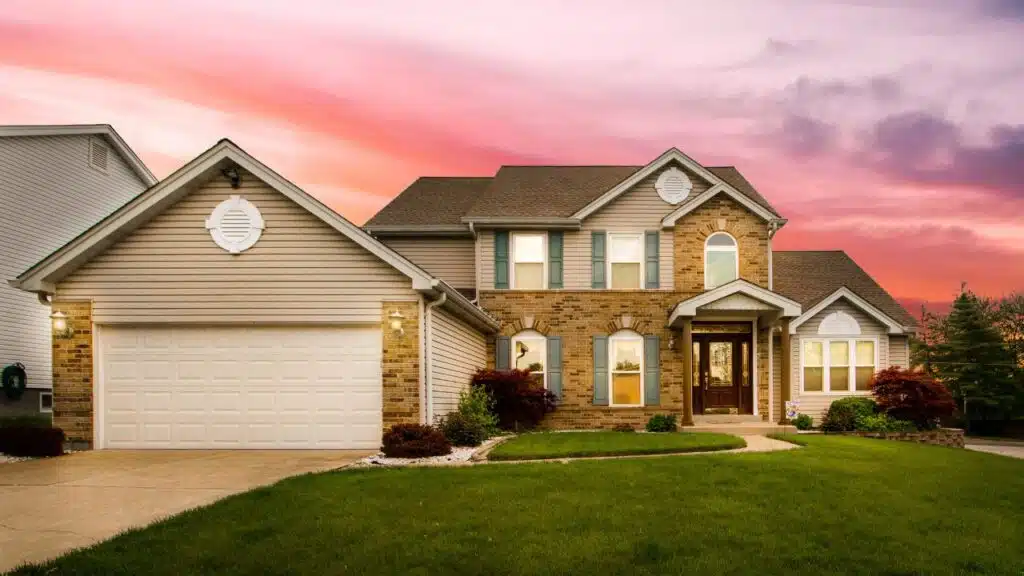
They use a heat-exchange fan and insulating boards to slash energy use. Builders run the Passive House planning package and airtightness tests to lock in real performance.
Build 1: 1,200 sq. ft. Passive Ranch Home ($250k breakdown)
Here is a budget split for a 1,200 sq. ft. passive ranch home at a $250,000 total cost.
| Category | Details | Cost (USD) |
|---|---|---|
| Design & Modeling | PHPP design, airtightness test | $5,000 |
| Land Acquisition | 0.5-acre lot in rural zone | $40,000 |
| Site & Foundation | Concrete slab with frost wall | $20,000 |
| Structure & Framing | Wood frame with structural panels | $35,000 |
| Insulation & Air Barrier | Blown cellulose, membrane wrap | $30,000 |
| Windows & Doors | Triple-pane, low-E frames | $25,000 |
| Ventilation System | Heat recovery unit, ducts | $20,000 |
| Exterior Finish | Metal roof, fiber cement siding | $15,000 |
| Labor & Contractors | Certified Passive House team | $45,000 |
| Permits & Fees | Local building permits | $5,000 |
| Contingency Fund | Unexpected expenses | $10,000 |
| Total | $250,000 |
Build 2: Compact 900 sq. ft. Modern Cottage ($220k breakdown)
This compact modern cottage fits 900 sq ft, with top features at a $220 000 tag.
| Category | Cost | Details |
|---|---|---|
| Land Acquisition | $30 000 |
|
| Shell & Structure | $100 000 |
|
| Insulation & Air Barrier | $25 000 |
|
| Windows & Doors | $20 000 |
|
| Ventilation System | $15 000 |
|
| Labor & Contractor |
|
|
| Permits & Fees | $10 000 |
|
| Total Investment | $220 000 |
|
Build 3: 1,400 sq. ft. Minimalist Family Home ($280k breakdown)
Readers, here is a breakdown for a 1,400 sq ft Minimalist Family Passive House at $280,000.
| Line Item | Cost | Notes |
|---|---|---|
| Site prep & foundation | $50,000 | Excavation, slab on grade |
| Framing & envelope | $70,000 | Advanced framing cuts waste |
| Insulation & air barrier | $40,000 | Closed-cell foam, weather membrane |
| High-grade glass units | $30,000 | Triple-pane, low-e coating |
| Balanced ventilation unit | $20,000 | Energy recovery core |
| Roofing & siding | $25,000 | Metal roof, fiber-cement panels |
| Interior finishes | $14,000 | Floors at $10/sq ft with healthy planks |
| Mechanical & electrical | $15,000 | Solar-ready wiring, LED fixtures |
| Permits & fees | $6,000 | Local zoning, airtightness permit |
| Contingency & airtightness test | $10,000 | Covers 5–10% cost uplift for standards |
| Design, financing & soft costs | $10,000 | PHPP energy model, loan fees |
| Budget approach | n/a | Uses available funds, projected sales, loans |
| Total | $280,000 | $200 per sq ft, under $300/sq ft barrier |
Build 4: 800 sq. ft. Tiny Passive House ($180k breakdown)
An 800 square foot home sits on a small lot, but feels big, thanks to tall ceilings. Builders used Douglas fir beams for strength, and dense cellulose batts for R-40 walls. They fit three-layer glass windows in an airtight shell, then sealed each joint to hit 0.6 air changes per hour. Owners ran the Passive House Planning Package model, and a blower door test confirmed the tight seal.
Cost breaks into five parts. Materials, like framing and insulation, hit $72,000. Labor added $54,000 in fees. Installers set the three-layer glass windows and doors at $27,000. A heat recovery ventilator list price reached $18,000. Permits and tests topped off at $9,000. Winter energy bills drop to about $300 a year.
Build 5: 1,000 sq. ft. Suburban Passive Home ($240k breakdown)
A single-story passive home sits on a small lot. It spans 1,000 square feet. The builder used an energy planner model to meet tight energy targets. A blower door test confirmed an airtight shell at 0.6 air changes per hour.
The project cost reached $240,000. About $110,000 went to wall assembly with R-60 insulation. Triple-pane windows ran $50,000. High-efficiency ventilation and heat pump systems cost $40,000. Labor ran near $30,000. Permits and site prep added $10,000. Owners enjoy near-zero heat bills.
Build 6: 1,500 sq. ft. Two-Story Passive Home ($295k breakdown)
This house spans 1,500 sq ft across two levels. It carries a $295,000 construction price tag. Builders quote $150 to $450 per square foot, based on location and finish. Land, permits, site work, and interior finishes fill the cost list. Stable prices for insulation and windows cushion your budget, while framing, wiring, and plumbing often swing. Expenses jumped more than 20 percent last year.
High-performance windows, an airtight building envelope, and a heat recovery ventilator cut energy waste. Energy modeling software guides each design tweak. A certified pro from the Passive House Institute leads the crew and shares clear cost sheets. You stay in control from foundation to finish.
Build 7: 1,200 sq. ft. Rustic Passive Cabin ($270k breakdown)
A rustic cabin feels snug under cedar beams and wide porches. Passive House standards drive the simple shape and tight shell. It uses triple-pane glazing and high-density insulation to cut energy bills.
Builders broke down the $270,000 into land at $40,000; foundation and shell at $90,000; windows and doors at $50,000; ventilation system at $25,000; and interior finishes at $65,000. They ran an airtightness check and used PHPP calculations. Owners end up with near-zero heating needs and low bills.
Build 8: 900 sq. ft. Urban Passive Studio ($200k breakdown)
The studio packs 900 sq ft of living space. Occupying a tight urban lot, it blends with rowhomes. Builders sealed walls to hit 0.6 air changes per hour in a pressure exam. The layout uses triple-glazed windows and an ERV to cut heat loss. They ran an infrared scanner to spot cold leaks.
Owners spend about $200k on land, site work and finishes. They split costs across PHPP modeling, solar module, air-to-water pump and labor. A local crew ran a blower door check to spot weak seals. They used a slab with 4 inches of foam under to reach R-30. Simple forms cut framing costs and add charm.
Build 9: 1,300 sq. ft. Farmhouse-Inspired Passive Home ($290k breakdown)
Farmhouse-Inspired Passive Home spans 1,300 sq ft. It costs $290,000, or $223 per square foot. It blends a pitched roof and barn doors, while tight insulation fights heat loss. Builders use the Passive House Planning Package tool and run an airtightness check. They install high-performance doors and windows with triple glazing, plus a heat recovery ventilator.
Construction costs jumped over 20% last year. A not-to-exceed budget helps curb surprises. Regional prices range from $150 to $350 for each square foot. This build keeps costs low by choosing local timber, bulk insulation, and simple framing. It shows how smart design beats high bills.
Build 10: 1,100 sq. ft. Coastal Passive Retreat ($230k breakdown)
This Coastal Passive Retreat spans 1,100 square feet and meets passive home standards for $230,000. That figure works out to about $209 per square foot. The breakdown covers land purchase, site work, and a ten percent contingency fund.
Builders factored in a five to ten percent premium for air sealing, added insulation, and high-performance doors. They ran energy models with PHPP software, then passed a blower door test with tight numbers. Rising material and labor costs jumped over twenty percent last year, so clear plans help avoid surprise fees. You’ll want to chat early with your crew about heat recovery ventilation and triple-pane windows to lock in long-term savings.
Tips for Staying Within Budget
Track all invoices in a budget tracker or a calculator. Check your walls in software to spot heat loss early.
Choose simple and functional designs
Builders pick a 900-sq-ft cottage plan. They use a box shape with a gable roof. They drop fancy angles to save on cuts. The plan keeps the floor open. That step makes wiring and duct work simple.
SketchUp helps run a fast layout.
Teams focus on foam insulation and triple-pane windows. These parts slash heat loss. Project teams run the Passive House Planning Package to check air seal. It flags weak spots fast.
Simple design plus smart products costs less and cuts bills.
Focus on energy-efficient materials
Homeowners choose recycled cellulose, foam board, or fiberglass as cavity fillers. Each material trims heat loss and boosts comfort. Layers act like a warm sweater around walls. Projects hit R-20 to R-30 targets without pricey upgrades.
Energy modeling software checks performance before installation.
Installers fit triple-pane windows with low-e coatings and argon fills. Airtight frames link with sealant to close gaps. Smart meters track energy use in real time. That setup cuts heating costs by up to 30 percent.
Work with experienced Passive House builders
A seasoned Passive House Institute pro uses the PHPP model to score each wall and roof like the back of their hand. Michael Maines warns many contractors cling to old habits and dodge energy checks.
They run a blower door exam, seal leaks with tape and foam, and fit triple pane glass. One 2021 project caught a hidden gap, saving $5,000 in annual heat bills. You dodge rookie mistakes, curb waste, and lock in your $300k budget.
Plan for long-term savings on energy costs
Start by checking a home’s air leaks. I once met a builder who cut monthly bills from $200 to $20. Use a performance program to track heat loss. A DOE Zero Energy Ready home label can save you thousands in utility fees.
Armando Cobo says these houses cost just 1% to 3% more up front.
Pick windows with triple glazing and install a heat recovery ventilator. Add solar panels on your roof or a small ground heat pump. A mini-split system can boost comfort and cut power use.
These upgrades pay you back over decades, cutting costs year after year. You lock in savings that smile on your wallet.
Challenges in Building Affordable Passive Houses
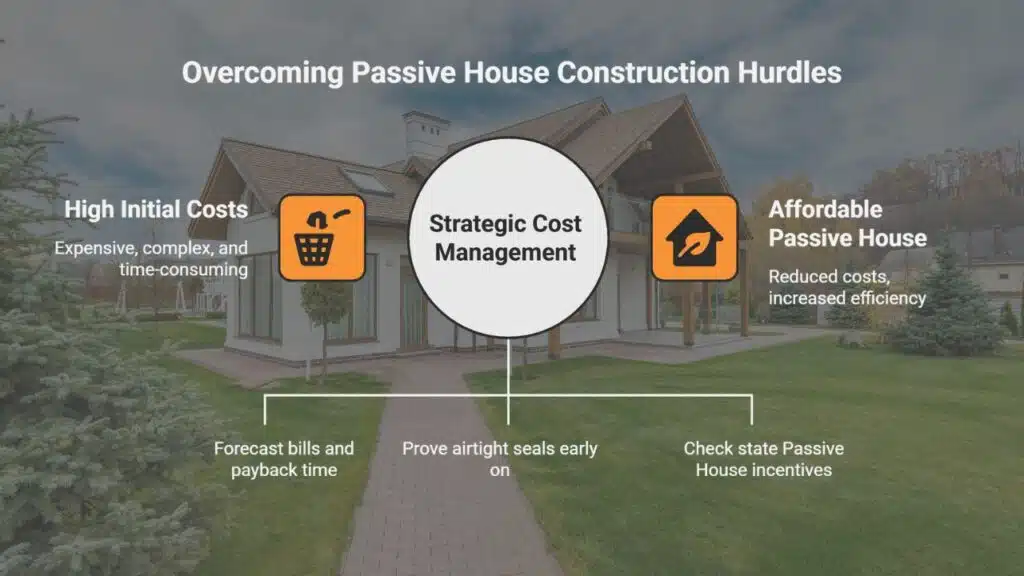
Tight budgets can trip up your airtightness test targets in energy modeling software and ramp up high-performance glass costs, so keep reading for clever solutions.
Balancing upfront costs with long-term savings
Homeowners face higher upfront expenses, thanks to a 20% cost jump in construction last year, per Armando Cobo. A Passive House may cost more now. Builders use the Passive House Planning Package, PHPP, to forecast energy bills and payback time.
They run a blower door test to prove airtight seals. A U-value calculator checks wall insulation.
Triple-pane windows add about $10,000 to a project. They cut heat loss by 50%. A heat recovery ventilator costs roughly $5,000. It slashes heating loads and raises comfort. Payback can occur in under five years, based on energy modeling.
Local zoning rules can slow down your Passive House project. You submit blueprints to the building department for plan review under the International Residential Code and the IECC.
You track permit status with plan review software or simple spreadsheets. A blower door test follows rough framing to catch air leaks early.
Check state Passive House incentives before you sign a contract. Some states waive permit fees or offer rebates up to a few thousand dollars. Rising lumber costs since 2020 can add thousands to your build.
You adjust your budget for that spike.
Limited availability of Passive House-certified contractors
Many areas have no Passive House-certified contractor. Michael Maines says most builders stick to wood frame and fiberglass, they fear new steps. They skip blower door tests and planning software checks.
Owners must book a skilled firm months ahead. They pay more for certified windows and heat recovery ventilator fans. They see crews drive in from metro areas for airtight sealing.
Resources for Passive House Enthusiasts
Passive House fans can hit the Passive House Institute site for guides, and join an Internet of Things forum to trade tips on smart sensors. You can snag open-source Python scripts or Tableau dashboards to track energy use, even a newbie can geek out on the data.
Passive House Institute resources
The Institute offers an online archive of technical sheets and case studies. It covers design guidelines and performance data for walls, windows, and ventilation units. Passive House Planning Package, or PHPP, serves as a key design tool.
PHI hosts training classes led by PHI-certified experts. Join their webinars and workshops for hands-on exercises. They publish reports on EnerPHit retrofit projects.
Online forums and community groups
A well-known discussion board hosts over 10,000 active members who share PHPP tips, blower door test results. Members post sketches, WUFI data, and cost splits. They ask about thermal bridging and airtight wall details.
Passive House Accelerator links to free guide files and energy labels. Builders join local chapters on social media, chat apps and messaging groups.
Experts point to Passive House Institute resources for design standards, certification rules. User groups swap tool files, like planning model templates and cost estimation spreadsheets.
Casual threads break into heated talk about air sealing, square foot costs. This network feels like a workshop, you pitch ideas and nab fresh tips.
Cost estimation tools for Passive House projects
Builders use the Passive House Institute planning program, PHPP, to map out all project expenses. The program spits out estimates for insulation, windows, even heat recovery vents.
Some teams link it with a cost guide to compare local labor rates.
Many folks join online forums and community groups, to swap real bids, material costs, and builder tips. These chats trim guesswork and spark laughs over tricky code rules.
Takeaways
Every example shows how smart design and solid energy modeling can cut costs. The Passive House Institute offers free guides and an energy modeling tool maps out performance. You can test air leakage with an air leakage test and track heat recovery with a ventilation system.
A keen eye on material costs, like insulation and windows, keeps projects under $300k. Readers can start plans with a cost estimation tool and build a cozy, green home that pays back in energy savings.
FAQs
1. What exactly is an affordable passive house?
A passive house is a super tight, well insulated home, that uses multi-layer glass, an air exchanger, and smart design, to cut energy use.
2. Can I build a passive house under $300k?
Yes, you can get an affordable passive house under $300k. A budget breakdown helps you track land, shell, panel insulation, windows, air exchanger, and labor costs. Choose a simple plan, and a smart plot. Aim for about two hundred dollars per square foot.
3. What budget items are key in the $300k limit?
For this cost list each major expense is clear: land, the shell, panel insulation, multi-layer glass, an air exchanger, solar modules, and finish work. It is like baking a cake, each layer costs a slice of your budget.
4. Do I save money after I move in?
Yes, the home uses almost no heat, so your bills are tiny. The shell stays fresh, it needs less work. One owner said, “My heating bill is a joke,” and they laughed.