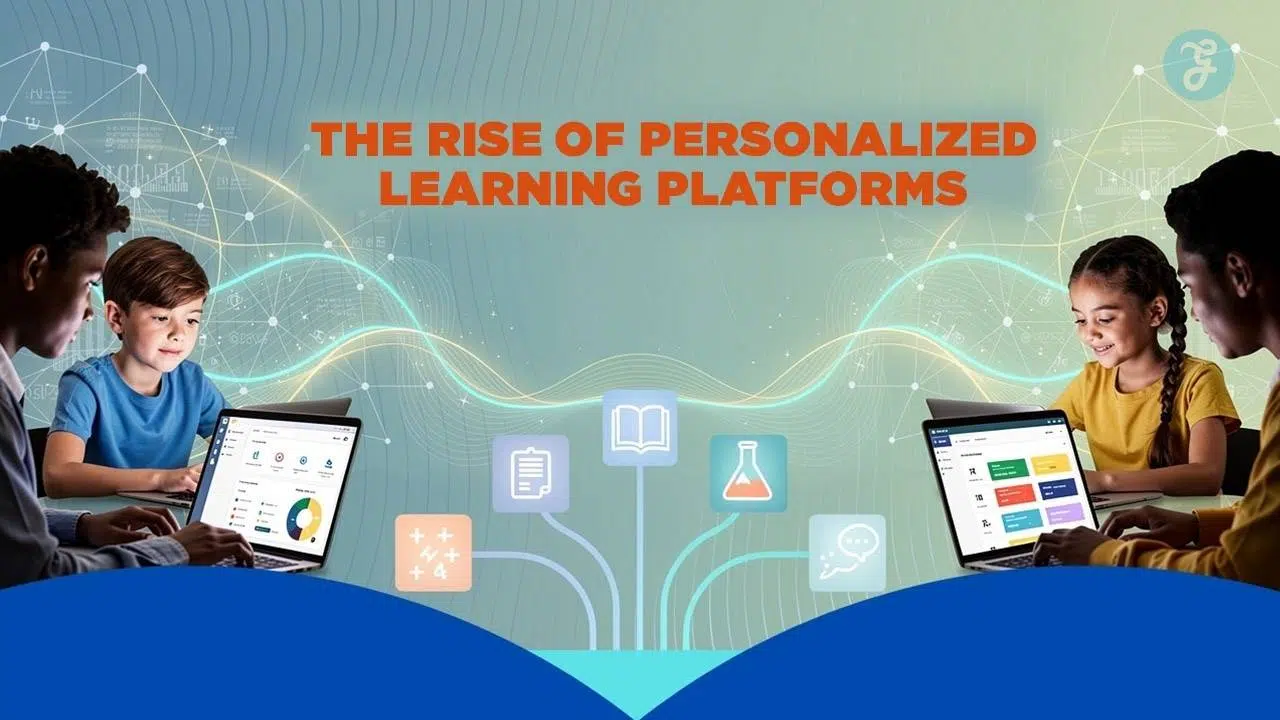
Ever get frustrated because your lessons move too fast, or maybe too slow? You are not alone. Many students struggle with classes that treat everyone the same, even though we all learn in different ways and at our own pace. Here is a fact: students do better when their lessons fit their needs. Adaptive Learning Platforms help make this happen by changing what you learn based on how well you understand each topic.
This guide will show how these tools work, why they bring real results, and what makes them special for both kids and adults. Curious about how learning can finally fit you like your favorite pair of shoes? Keep reading!
What Are Adaptive Learning Platforms?
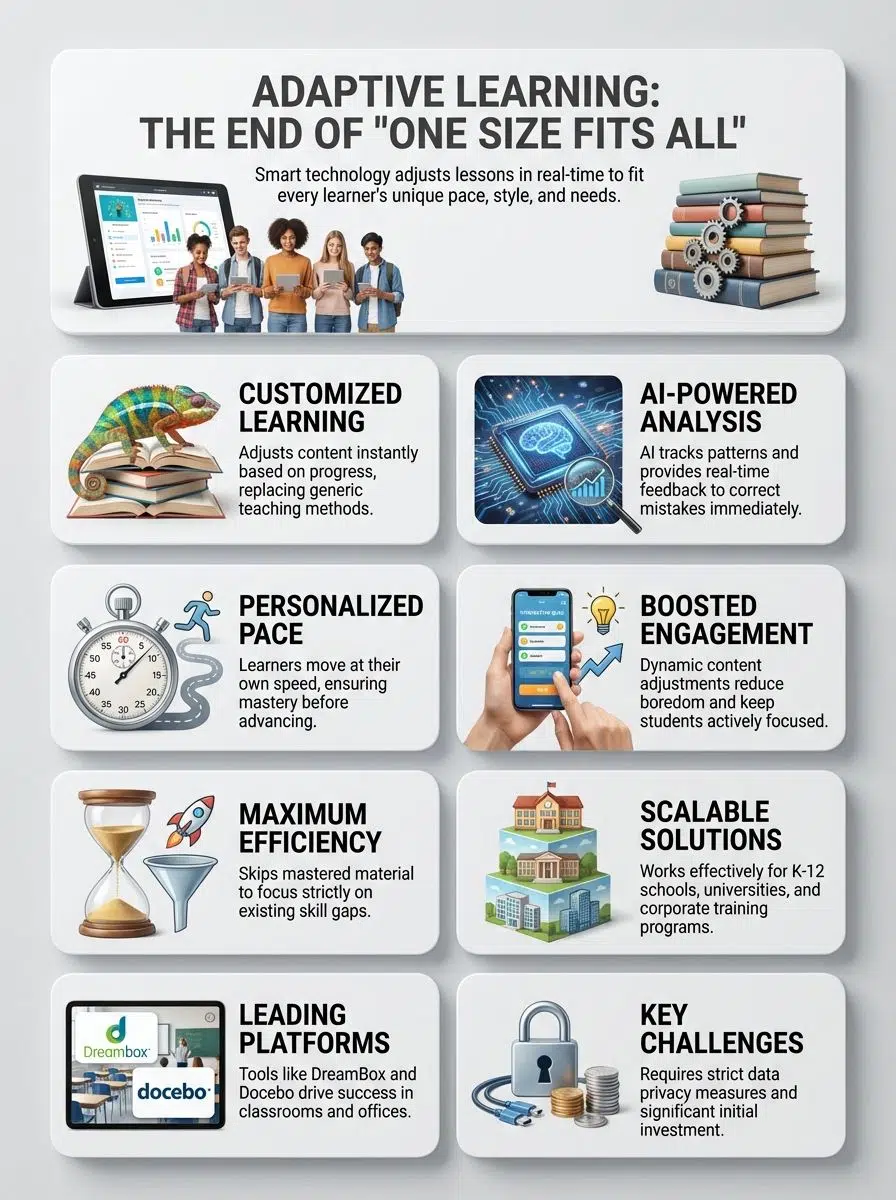
Adaptive learning platforms adjust lessons the same way a GPS changes routes when you miss a turn. These smart tools notice your pace and style, then fine-tune what comes next. It is like having a tutor in your pocket.
Definition and purpose
Adaptive learning platforms use smart technology to customize lessons for each person. These systems track a student’s answers and progress, then adjust content instantly. They do not follow the old “one size fits all” teaching style found in most classrooms.
Instead, each learner receives just what they need at the right time. Think of it as “Goldilocks” learning. The material isn’t too hard or too easy. It is just right.
These tools support individual strengths and weaknesses using data and analytics. Students get help where they struggle and move faster through material they know well. This approach makes education more personal, fair, and efficient for everyone involved.
How they differ from traditional learning systems
Old learning systems use one lesson plan for every student. Teachers present the same material at the same pace, no matter who sits in front of them. Some students race ahead while others fall behind and get frustrated.
Little help exists for slow learners or kids needing extra support. These classes often use basic quizzes to test knowledge, but do not change lessons if someone struggles.
Newer digital approaches give each learner a unique path using smart technology. Software like DreamBox or ALEKS uses learning analytics and real-time feedback to spot mistakes right away. These systems rely on advanced methods like Item Response Theory to measure ability continuously.
- If a child is stuck on fractions, the system sends more practice problems or shifts teaching methods until they understand better.
- Fast learners can skip skills they already know and move forward quickly with skill-based learning tasks that suit them best.
- This student-centric approach saves time and boosts engagement for all types of thinkers.
How Adaptive Learning Platforms Work
These platforms watch how each student learns quickly. They shift lessons and quizzes on the fly so learning fits perfectly.
Use of AI and machine learning
Smart computer programs use artificial intelligence (AI) to spot what each student knows. Machine learning lets the system notice patterns just like a good teacher picks up on cues from kids in class.
As students answer questions or make mistakes, the technology quickly sees who needs help. It also identifies who is ready to move forward. This creates a cycle of constant improvement.
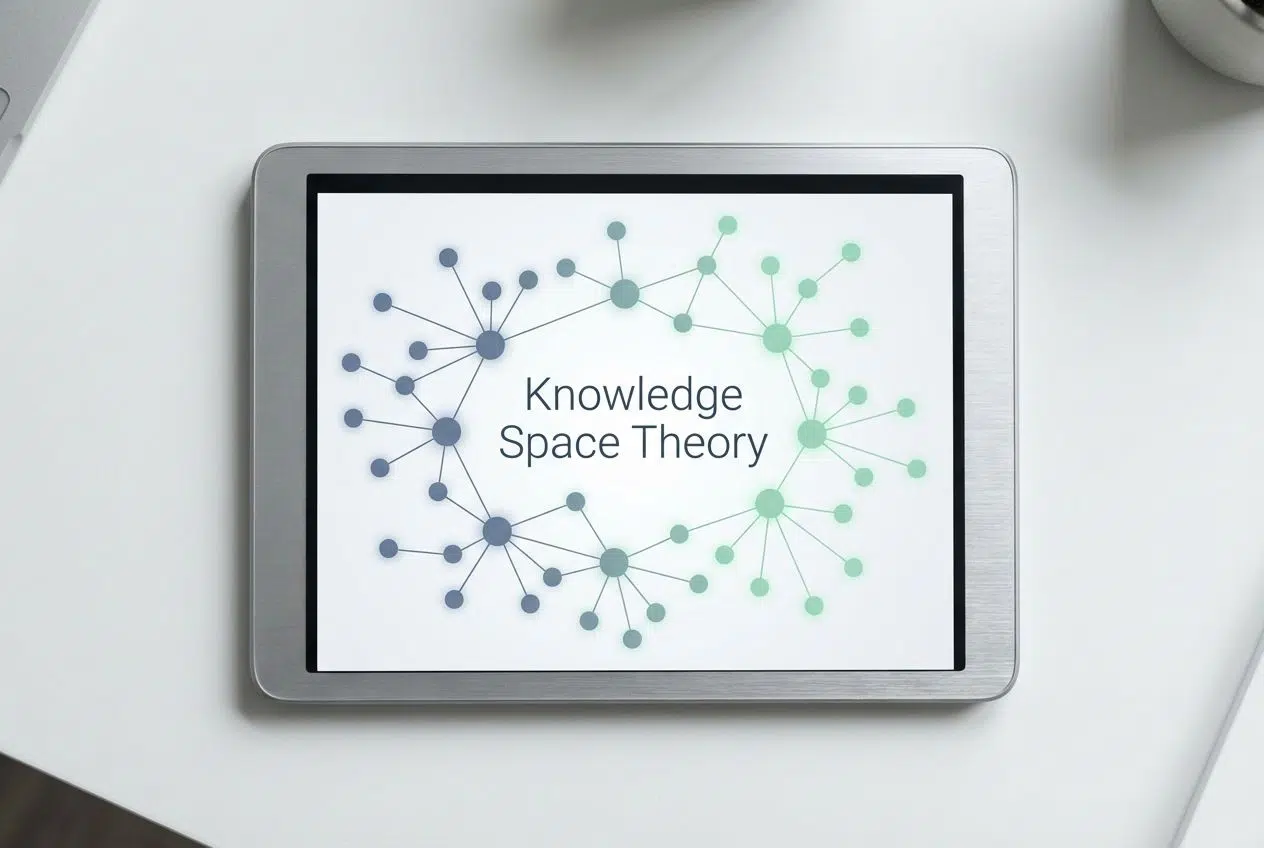
The “secret sauce” here is often Knowledge Space Theory. This concept helps the software map exactly what a student knows and what they are ready to learn next.
Real-time feedback kicks in so learners get hints right away if they get stuck. AI helps adjust content for math drillers like DreamBox or language apps such as Duolingo. With every click or tap, the platform gets smarter about what works best for each learner’s path.
Real-time data analysis and content adjustment
AI and machine learning run beneath the surface, but real-time data steals the show. Every click, wrong answer, or pause tells a story. Adaptive Learning Platforms track these actions constantly.
The system collects this information right away using powerful learning analytics. Content shifts on the fly based on student progress. If someone breezes through math problems, harder questions appear next.
Stuck on fractions? Extra practice pops up in seconds. Real-time feedback keeps learners moving forward at their own pace while keeping lessons fresh and engaging for every user. Students get help exactly where they need it.
Key Benefits of Adaptive Learning Platforms
With adaptive learning platforms, you get lessons that fit just right. Students stay motivated, and teachers can rest easy knowing progress is steady.
Personalized learning experiences
Each student learns at a different pace. Adaptive learning platforms use smart tools to read how each learner responds so lessons fit their needs. A fifth grader who struggles with fractions gets more practice problems, while someone who masters them quickly can move on without waiting.
Some programs like DreamBox and Knewton change questions in real-time using data from every answer. This helps kids stay challenged but not overwhelmed. Teachers once had to teach whole classes the same way, but now adaptive technology helps everyone learn in their own style.
Improved engagement and retention
Students stay interested longer with adaptive learning platforms. Lessons shift in real time, so boredom and confusion disappear. DreamBox and Prodigy Math use learning analytics to track progress and then adjust topics to keep students focused.

This keeps minds active and eyes off the clock. Research from 2024 shows that learners using adaptive technology remember more over time. Personalized pathways help knowledge stick because no one has to wade through repetitive or too-tough lessons.
Kids using these systems often score up to 20% higher on proficiency tests compared to traditional methods. That is a clear win for both teachers and learners.
Time-efficiency for learners
Adaptive learning platforms save a lot of time. They use smart algorithms to spot what you know and what you still need help with. Instead of repeating lessons you already understand, these systems focus on your gaps right away.
Picture how much faster math becomes if the lesson skips your easy parts and jumps straight to tougher problems! Many educational technology tools, like ALEKS, adjust in real-time to ensure no one wastes effort on simple tasks.
Scalable solutions for diverse needs
Schools and companies have different needs. Standard learning falls flat on busy teachers or growing classrooms. Adaptive learning platforms scale up or down with ease. These systems support thousands of learners at once. They use smart technology to change content for every student.
Prodigy Math keeps kids engaged across grades K-8. Docebo works well for global companies needing quick updates for new rules and skills. Each user moves ahead at their own pace without getting lost in a crowd.
Core Features of Adaptive Learning Platforms
Core features help each learner get lessons and feedback that match their needs. Here is how the magic happens.
Personalizing Learning Paths
Adaptive learning platforms make learning fit each person. No two learners take the same road.
- Each student gets a plan shaped by their skill level and goals.
- If a student struggles in math, the system finds that fast and offers extra help.
- Platforms like DreamBox study how students answer questions to show easier or harder problems as needed.
- Learning Analytics tracks progress every step of the way.
- Teachers use these tools to spot where someone is stuck without guesswork.
Providing Targeted Remediation
Every student learns in their own way. Some kids need extra help to understand tough topics.
- Platforms use learning analytics to spot where a student struggles.
- They send practice problems right as mistakes happen.
- Smart systems adjust lessons based on each learner’s errors.
- Adaptive assessment tools give quizzes that change in difficulty if students miss too many questions.
- These platforms offer hints or video lessons for tricky skills.
Enhancing Assessments with Smarter Feedback
Assessment is not just about right or wrong answers. Smarter feedback helps each student grow step by step.
Adaptive learning platforms use real-time data to spot where a student struggles. They can show hints, tips, or fresh questions to help right away. Systems like Knewton Alta give instant feedback so students do not have to wait for a teacher’s review.
These tools adjust questions based on each learner’s path. Weak spots get extra attention until understanding improves. Teachers save time with automatic grading, which allows them to focus on student support.
Examples of Adaptive Learning Platforms
Curious how these platforms work in real life? Check out some tools shaking up classrooms and offices.
K-12 platforms: DreamBox, ALEKS, Prodigy Math
Kids learn in many ways. Adaptive learning platforms help meet each student’s needs using technology and data.
| Platform | Best For | Key Feature |
|---|---|---|
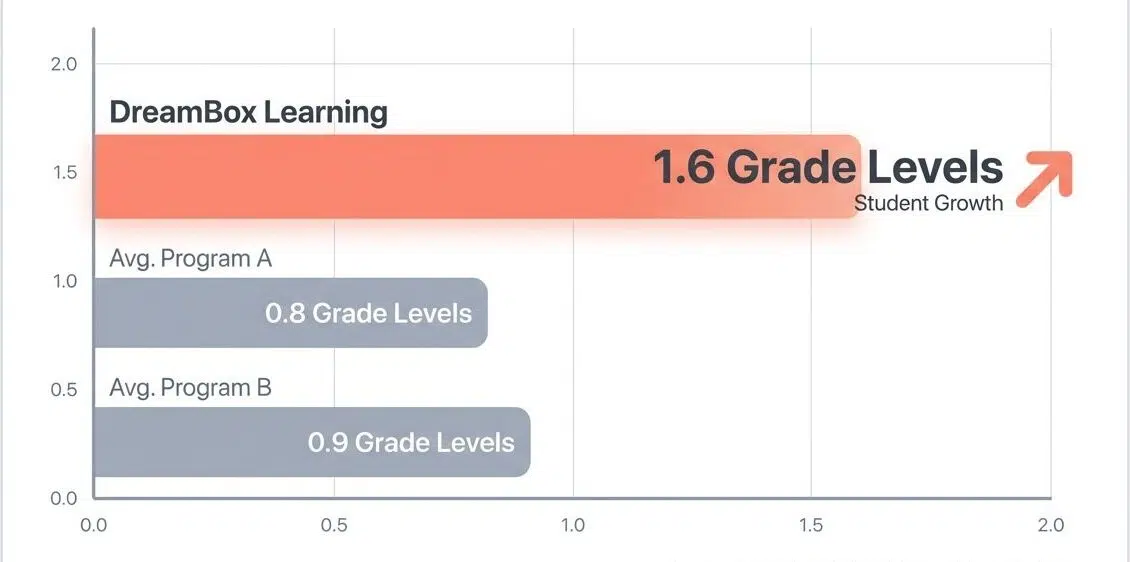
| DreamBox Learning | K-8 Math Concepts | Uses an “Intelligent Adaptive Learning” engine to adjust lessons during the game. Proven to increase growth by 1.6 grade levels. |
| ALEKS | Math & Science (K-12/College) | Uses “Knowledge Space Theory” to map exactly what a student knows and is ready to learn next. |
| Prodigy Math | Engagement (Grades 1-8) | A role-playing game (RPG) style that makes math practice feel like an adventure. Used by millions of students. |
These K-12 tools focus on personalized learning and engagement strategies for every student. They turn difficult subjects into manageable tasks.
Higher education and corporate platforms: Docebo, Knewton, Smart Sparrow
Higher education and the business world need smart ways to help people learn. Adaptive learning platforms like Docebo and Knewton answer this need.
- Docebo is a popular learning management system used by many big companies. It uses AI to suggest courses that fit employee skills. Managers get clear reports showing progress through learning analytics tools.
- Knewton Alta helps colleges personalize lessons in math and science. This platform checks each student’s answers in real-time, then shifts the next question to match their skill level.
- Smart Sparrow lets teachers build custom online lessons using adaptive technology. It offers students immediate feedback and adjusts content based on their answers.
Each of these platforms gives detailed feedback so learners know what skills they must improve. Their use of real-time data makes corporate training faster and more focused.
Challenges and Limitations of Adaptive Learning Platforms
Some things can trip up adaptive learning platforms, like keeping personal data safe. Schools and companies also need to think about the money and time needed for setup.
Data privacy concerns
Adaptive learning platforms often collect lots of student data. They track quiz answers, time spent on lessons, and even clicks in real time. This helps create personalized learning pathways but raises questions about safety.
Laws such as FERPA and COPPA protect learners in the United States. State laws like California’s SOPIPA also set strict rules on how companies can use student data. Schools must ensure their vendors comply with these regulations to stop leaks or misuse.
Implementation costs
The price tag of educational technology can be high. Setting up adaptive learning platforms may impact school budgets significantly.
Research from 2024 shows that schools might pay anywhere from $30 to $100 per student per year for premium adaptive licenses. Higher education systems can cost even more. Training teachers to use new tech brings extra costs, too.
However, many districts see this as an investment. The long-term gain in student performance often outweighs the initial expense.
The Future of Adaptive Learning
The future of adaptive learning looks bright with smarter tools popping up everywhere. Big changes are on the horizon.
Integration of advanced AI technologies
Smart AI tools now shape how students learn. These tools watch what each student does and change lessons based on their needs. Machine learning helps spot weak spots faster than a teacher might catch in class.
Generative AI is the next big step. Tools like Khan Academy’s Khanmigo use large language models to act as a Socratic tutor. Instead of just giving hints, Khanmigo chats with the student to guide them toward the answer.
In 2025, more platforms began adding these chat-based features. This means kids no longer struggle alone. Support comes as they go along their own path.
Broader adoption in education and corporate training
Schools and companies use adaptive technology more each year. Large businesses continue to include personalized learning in their training. Colleges rely on platforms that help students learn at their own pace.
These systems adjust lessons to fit different skills. Teachers find it easier to track progress with real-time feedback. With the rise of eLearning, both classrooms and offices now shape skill assessment around what works best for each learner.
The Bottom Line
Adaptive learning platforms set a new standard in education technology. Each student moves along an individualized pathway guided by real-time feedback and smart analytics.
Systems like DreamBox, ALEKS, and Prodigy Math bring fun and challenge to K-12 learners. Docebo boosts job skills fast in the corporate world. Every person learns at their own rhythm.
Adaptive assessment allows for quick reviews or deeper exploration where needed. These platforms help instructors spot needs early and make lessons stick longer. With strong data privacy protection as a goal, adaptive technologies pave the way for smarter classrooms everywhere.