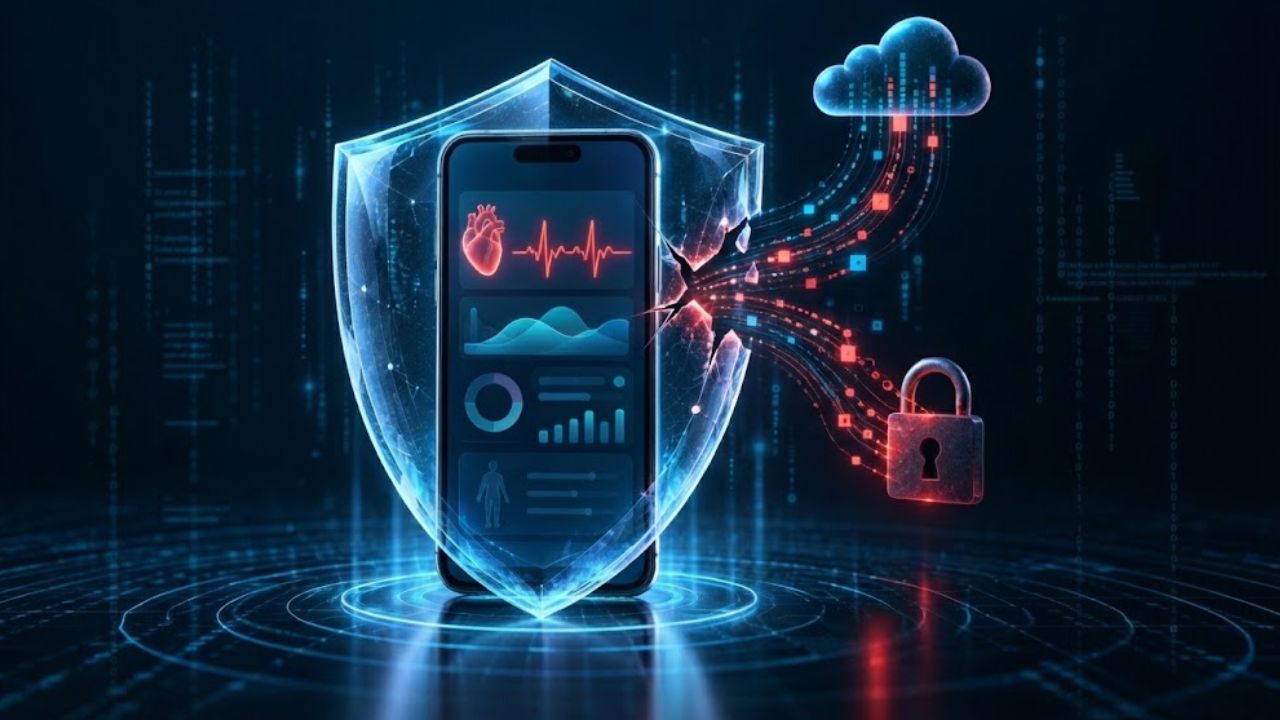

In today’s world, where digital communication has become a necessary element of our lives, online platforms like Telegram have grown significantly popular. As a result, the need to buy and sell Telegram acc has increased considerably. Nevertheless, this rise in demand highlights the growing issues about personal privacy and security that arise as proximity technology ends up being more prevalent in our every day lives. This article checks out the privacy issues in the age of distance, and how we can strike a balance between security and benefit.
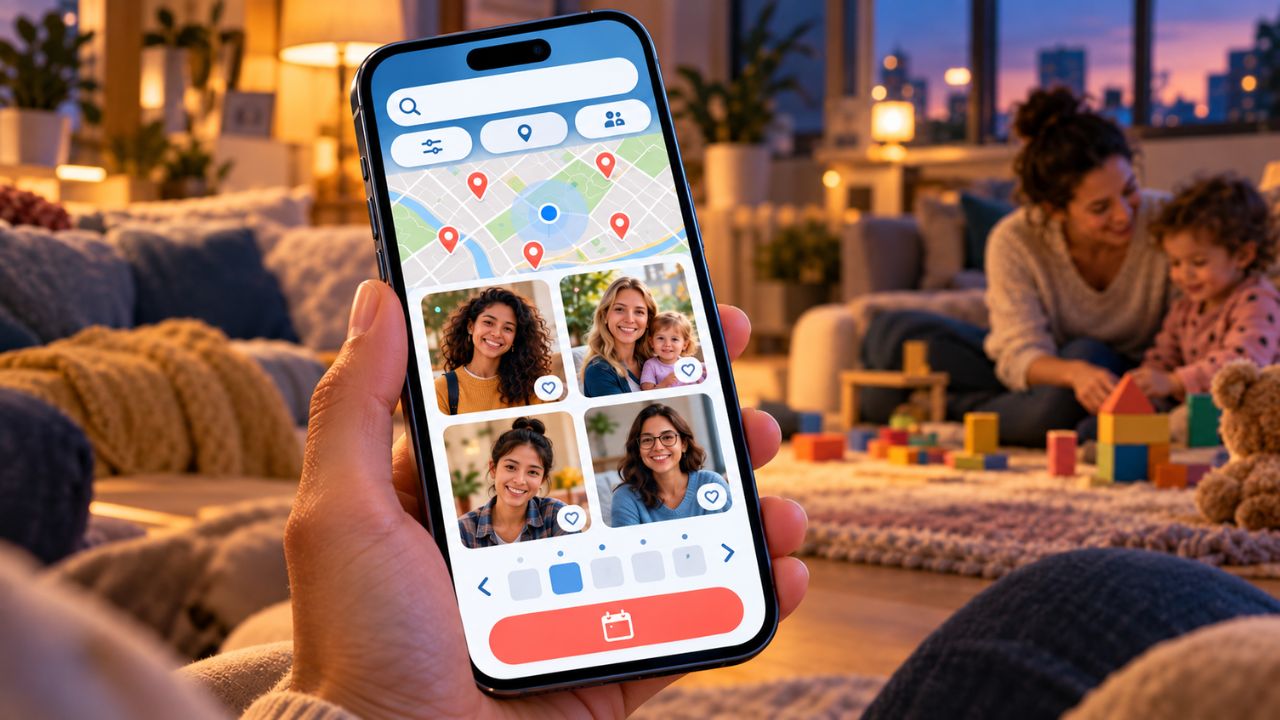
Distance innovation refers to making use of numerous systems and devices to identify the physical location or presence of people, items, or other items within a specific variety. This technology has actually discovered applications in a large range of industries, consisting of retail, health care, transport, and education. By leveraging distance information, services and organizations can supply individualized services and experiences, improving total efficiency and customer fulfillment.
Nevertheless, the quick development and adoption of proximity technology have raised numerous concerns about privacy and security. The primary issue is that the collection of distance data may cause unapproved gain access to, misuse, or even abuse of individual info. This may lead to identity theft, unapproved tracking, or other breaches of personal privacy that can have severe consequences for individuals and organizations alike.
To attend to these issues, it is important to implement robust security procedures that protect users’ information and privacy without jeopardizing the benefits that distance innovation uses. One such method is the use of encryption and secure interaction procedures to make sure that data transmission and storage are safeguarded from unapproved gain access to. Additionally, companies must adopt stringent data access and sharing policies to prevent the abuse of proximity details.
Another element of stabilizing privacy and security is openness. Companies and companies should be transparent about their data collection practices and clearly interact their privacy policies to users. By doing so, users can make educated decisions about whether they wish to take part in proximity-based services and comprehend the potential risks related to sharing their data.
Additionally, organizations and companies should think about embracing privacy-preserving innovations that permit them to make use of distance information without exposing delicate personal info. For instance, strategies such as differential privacy and federated learning can make it possible for the analysis of aggregated information without revealing the specific data points that added to the insights. This approach not just protects user personal privacy however also encourages innovation and the development of brand-new proximity-based services.
User control is another critical consider preserving a balance in between security and benefit. It is vital to give users the capability to manage their information and decide how and when it is shared. This can be achieved by providing users with user friendly privacy settings that permit them to personalize their choices and opt-out of information collection or sharing if they so desire.
Education and awareness are crucial in ensuring that users comprehend the ramifications of proximity innovation and can make informed choices about their information privacy. Business and organizations should buy public education campaigns that inform users about the benefits and threats associated with proximity innovation and empower them to take control of their data.
Finally, regulators and policymakers have an important role to play in ensuring that distance technology is utilized responsibly and morally. They should establish clear standards and regulations that safeguard user personal privacy while cultivating innovation in the field of distance technology. This can include setting information retention limitations, mandating routine security audits, and imposing penalties for non-compliance.
In conclusion, as proximity technology continues to reshape our lives and redefine the way we interact with the world around us, it is crucial that we find a balance in between the security and benefit that it uses. By implementing robust security procedures, promoting transparency, adopting privacy-preserving innovations, and empowering users through education and control, we can create a much safer and more safe and secure environment in which distance technology can prosper. As we continue to buy and sell Telegram accounts or other comparable platforms, it is essential to keep these considerations in mind to ensure that our digital lives remain private and protected.