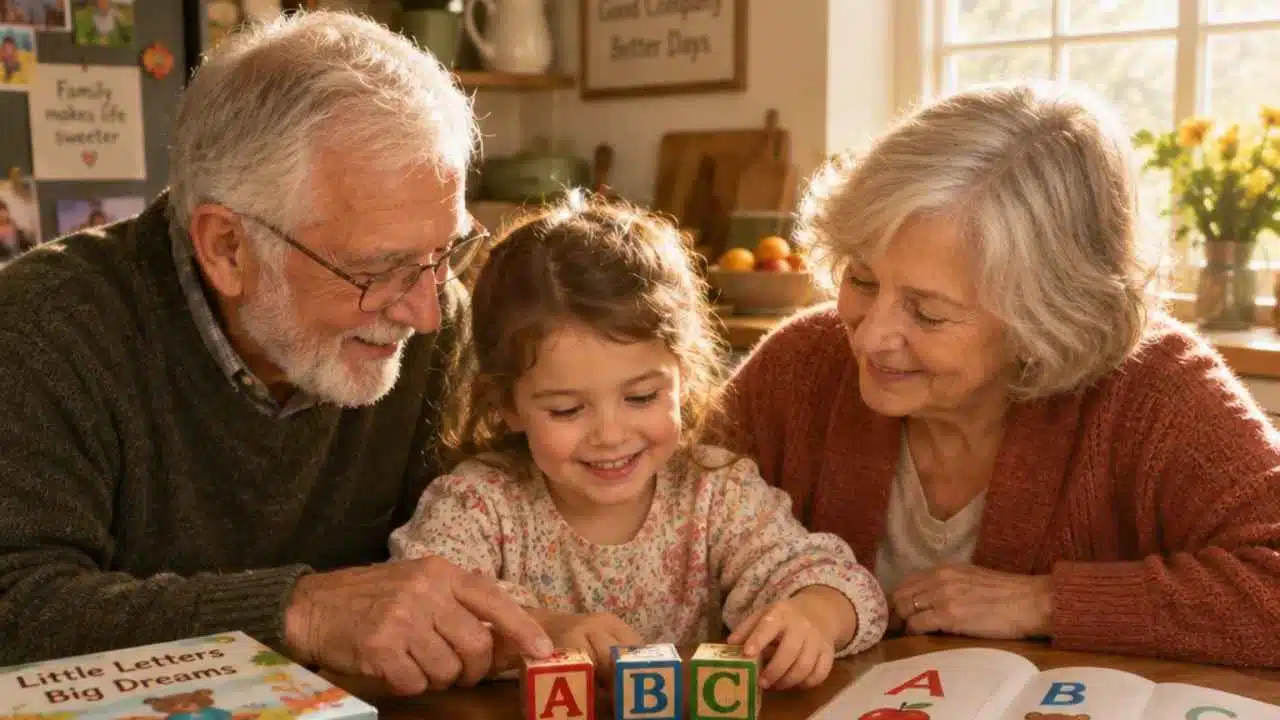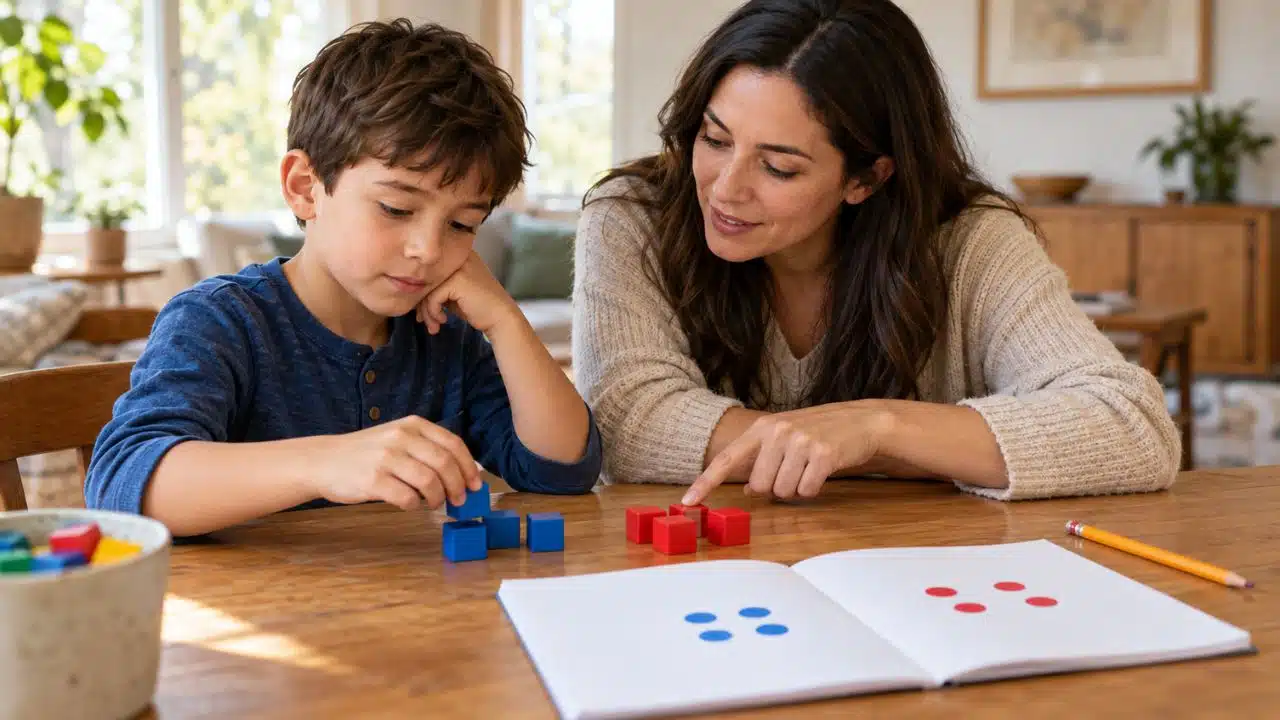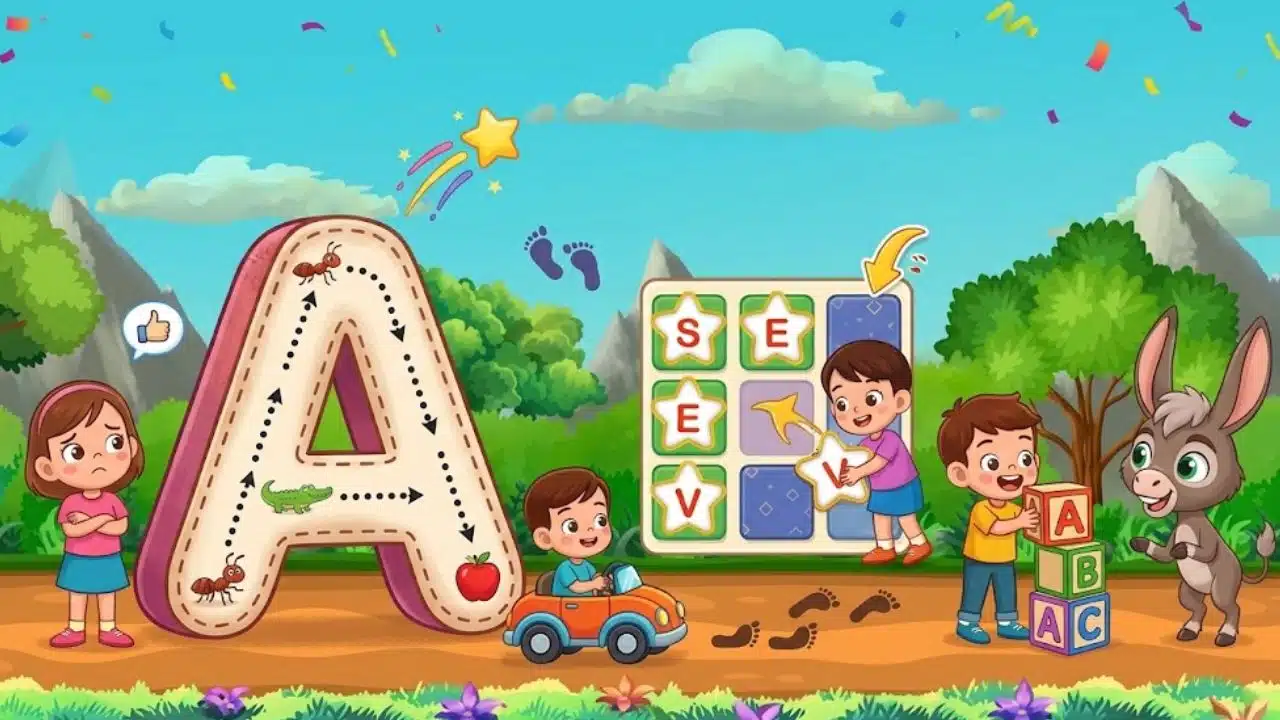
A child pushes away the flashcards. You ask what letter is on the page, and they leave the table. When that happens, doing the same activity for longer rarely helps. Families asking how to teach the alphabet to a reluctant learner may get further by changing the activity and making it feel less like a test.
I’ve seen children become more willing to practise when letters connect to something familiar: their own name, a story they like, or a game they can control. My Younger Cousin Jojo, for example, began learning letters at age three and initially recognized uppercase letters. Over roughly a year and a half, she practised uppercase and lowercase letters, sounds, and tracing through a mix of apps, books, toys, and preschool activities. She later recognized letters in books and everyday settings. That experience is a useful example, but it does not show that one app or method alone produced the change.
Alphabet learning is more than reciting the ABC song. Children gradually learn to recognize and name letters, notice them in print, and connect letters with sounds. The Institute of Education Sciences recommends planned activities to build children’s letter and sound knowledge, along with shared book reading.
How to Teach the Alphabet to a Reluctant Learner
Start by observing what the child finds difficult. Do they enjoy a song but avoid writing? Can they spot a letter without naming it? Do they lose interest as soon as the activity feels like a quiz? These clues can help you choose a better starting point.
My answer to how to teach the alphabet to a reluctant learner starts with a smaller invitation. Offer two choices: “Would you rather find a letter in this book or make one with a play game?” If the child says no to both, pause. Returning to letters later is more useful than turning the moment into a contest.
Make Letters Part of Play
Children can handle, move, and notice letters without sitting through a formal lesson. NAEYC suggests everyday literacy activities, including sound games and materials such as magnetic letters, alphabet blocks, and puzzles.
Try a game that matches the child’s interests:
- Build a letter: Shape one with play dough or make it from blocks.
- Go letter hunting: Look for a chosen letter on a book cover, sign, or food packet.
- Drive a letter road: Draw a large letter and let a toy car follow its shape.
- Add print to pretend play: Make a sign for a toy shop or a menu for a pretend café.
You do not need to label every turn as teaching. If the child finds a letter, name it together. If they lose interest, stop. For teaching the alphabet to a reluctant learner, brief, enjoyable encounters are a better starting point than one long session.
Begin with Familiar Names
A child’s name appears on drawings, belongings, and notes from family members. That makes it a practical place to begin. Point to the first letter as you write the name: “Your name starts with M.” You can also notice letters in a sibling’s name, a pet’s name, or a favorite character’s name.
Do not make recognition a requirement. If the child knows the letter, acknowledge it. If they do not, say the name and carry on. This is one way how to teach the alphabet to a reluctant learner can start with what already matters to that child.
Connect Letter Names and Sounds Simply
Introduce a letter’s name and a familiar sound together: “This is M. Moon starts with /m/.” Keep the example simple. In English, letters can represent different sounds in different words, so a beginner does not need to learn every exception at once.
If a child mixes up a name or sound, model it calmly and try again another day. Avoid adding an extra vowel to a consonant sound: /m/ is different from “muh.” The first goal is to make a clear connection, not to deliver a complete phonics lesson.
Let Books and Songs Help
Shared reading puts letters in context and gives children a chance to hear language. During a story, point out one letter or invite the child to find the first letter of their name. If they would rather listen, keep reading. Talking about a character or picture also supports language development.
Songs help children become familiar with letter names and their order. But singing the alphabet is different from recognizing each letter by itself. Add relaxed opportunities to notice individual letters in books, labels, and names.
Keep Practice Brief
There is no need to set a fixed daily target. Stop when the child becomes frustrated or loses interest. Progress might look like pointing to a letter, noticing it elsewhere, or joining in with a familiar sound.
Correct mistakes without turning them into a score. “That’s P. This one is B,” is enough. In my observations of a small group of children aged three to four, some needed help at first and later took part more independently. That is not a timetable or a promise for every child; it is a reminder to notice small changes over time.
Support both languages at home
Use the language that feels natural for talking and reading together. Head Start’s early-literacy guidance includes alphabet knowledge, early writing, print awareness, oral language, and sound awareness. It also encourages supporting children’s home languages alongside English.
Be clear about which language or script you are exploring. Similar-looking letters can represent different sounds or work differently in words. “We’re finding this English letter” or “Let’s look for this Bengali letter” gives the child a clearer task. How to teach the alphabet to a reluctant learner in a multilingual home includes making room for each language, rather than treating the home language as an obstacle.
Use an App as One Option
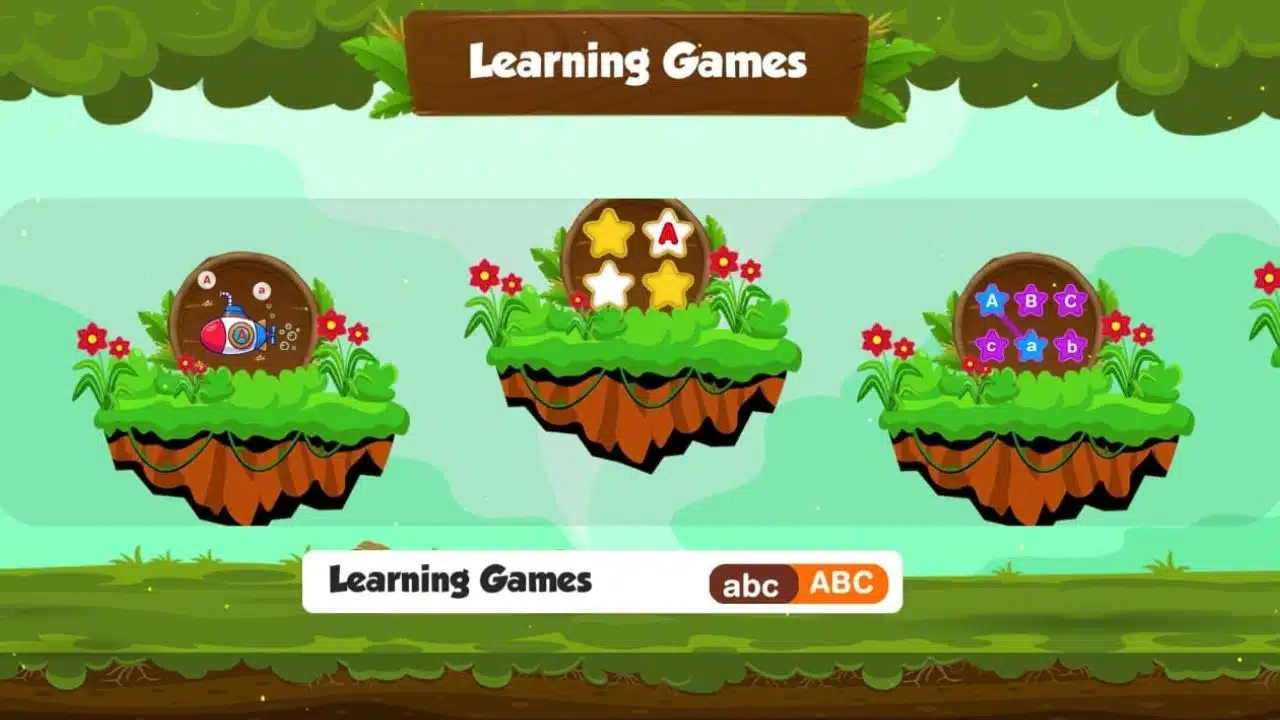
An app may suit a child who enjoys tapping, matching, or tracing. One example is Editorialge’s Alphabet Magic trace & phonics. Its listing describes uppercase and lowercase tracing, matching games, phonics activities, and spelling practice. It is listed as rated 3+, and the publisher describes it as ad-free.
Using Alphabet Magic as part of a wider routine with Jojo and other children. That makes it a relevant real-world example, but the observations do not isolate the effect of the game from books, toys, preschool activities, or adult guidance. Parents considering how to teach the alphabet to a reluctant learner can treat an app as one source of practice, not the whole plan.
When to Ask for Advice
Children show interest in letters at different times and in different ways. Avoid comparing them with a sibling or classmate. If your concerns extend beyond alphabet activities—for example, communication or participation is difficult in several settings—share specific examples with the child’s teacher or a qualified health professional. They can help you consider whether additional support would be useful.
Final Thoughts
How to teach the alphabet to a reluctant learner is not a search for the perfect worksheet. Start with a name, a story, or a game the child already likes. Offer one clear example, keep the activity easy to stop, and return to it later.
Choose one small activity for the next few days: look for the first letter in the child’s name, build it from blocks, or spot it in a book. Let the child’s interest guide what you try next.
Frequently Asked Questions (FAQs)
What if my child knows the alphabet song but cannot name letters?
Keep the song, but add chances to notice individual letters in names, books, or signs. Reciting letters in order and recognizing them one by one are different tasks.
Should I use flashcards?
Use them if the child enjoys them. If they cause resistance, try letters in play, books, or familiar surroundings instead.
How to teach the alphabet to a reluctant learner without pressure?
Offer a short activity tied to something the child likes, and let them stop when they lose interest. Name letters naturally during the day without testing them at every opportunity.