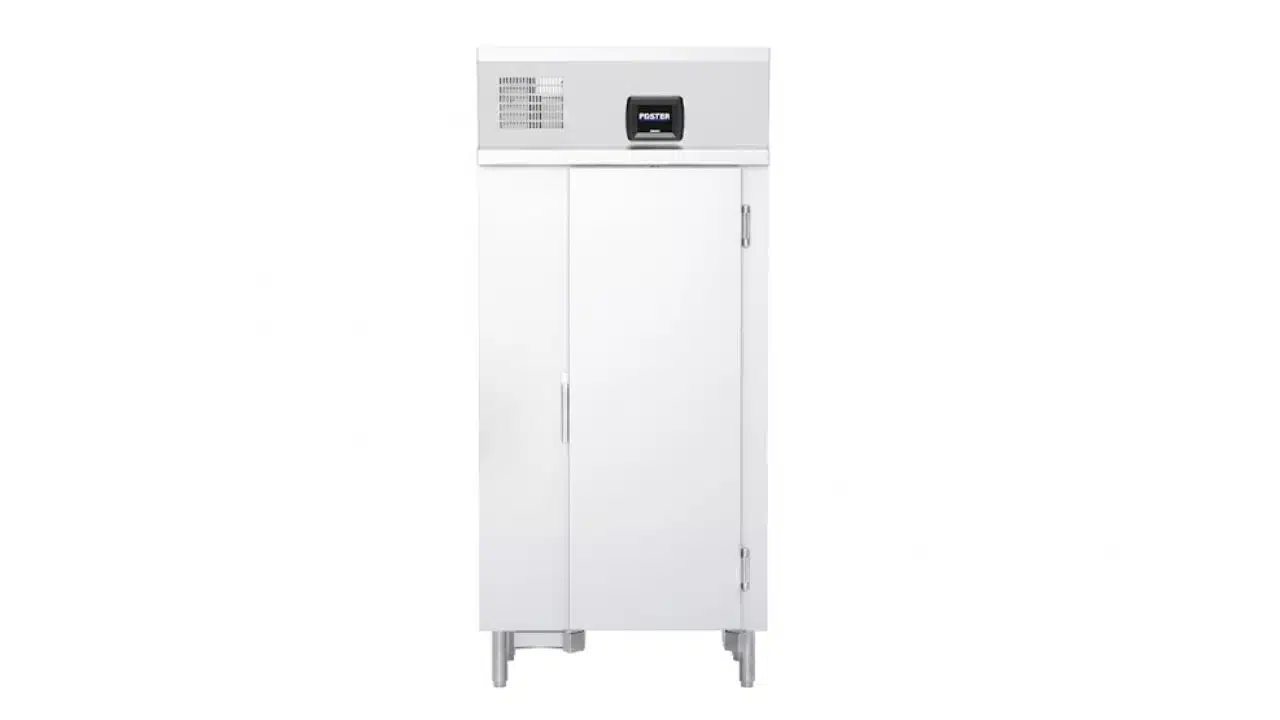
For commercial kitchens producing food in genuine volume, whether that’s a large catering operation, an aged care facility, or a busy hospitality venue, the ability to chill food quickly and safely is essential rather than optional. A properly specified roll in blast chiller kitchen operation invests in makes this process significantly more efficient than smaller countertop units ever could.
Here’s why roll-in blast chillers specifically have become the standard choice for serious commercial kitchen operations, and what to consider when specifying one.
The Difference Roll-In Capacity Makes
Unlike smaller blast chilling units that require food to be transferred onto chiller-specific trays, roll-in blast chillers accept full mobile racks or trolleys directly, dramatically reducing handling time and the risk of temperature loss during transfer. For kitchens producing meals in genuine bulk, this capacity difference translates directly into faster turnaround and less labour spent on unnecessary double-handling of hot food.
This efficiency becomes particularly important in operations with tight production windows, like aged care kitchens preparing meals for a fixed service time, where every minute saved in the chilling process contributes to a smoother, less stressful kitchen operation overall.
Meeting Food Safety Requirements Reliably
Australian food safety standards require food to pass through the temperature danger zone within a strict timeframe during the chilling process, and a properly sized roll-in blast chiller is specifically engineered to achieve this consistently, even with large batch volumes. Attempting to chill large quantities of food in standard refrigeration, or in an undersized blast chiller not rated for the actual volume being processed, genuinely risks food safety compliance.
Documentation and Traceability Support Compliance
Modern roll-in blast chillers often include integrated temperature logging and documentation features, which support the record-keeping requirements that food safety audits typically demand. Having this data automatically captured, rather than relying on manual temperature checks and paper logs, reduces both the administrative burden and the risk of compliance gaps during an audit.
- High-volume catering: roll-in capacity dramatically reduces handling time for bulk production.
- Aged care and healthcare kitchens: reliable, compliant chilling supports strict meal service timing.
- Automated temperature logging: simplifies food safety documentation and audit readiness.
- Energy efficiency: modern units often offer better performance per chilling cycle than older equipment.
Getting the Sizing Right for Your Kitchen
Choosing the correct capacity roll-in blast chiller depends on your kitchen’s typical batch production volumes and service frequency, not just the physical space available in the kitchen. An undersized unit struggles to chill full production runs within required timeframes, effectively undermining the entire investment, while an oversized unit represents unnecessary capital and ongoing energy cost. A commercial kitchen equipment specialist can help calculate the right capacity based on your actual production data rather than a rough estimate.
Positioning and Workflow Around the Chiller
Beyond selecting the right capacity, where a roll-in blast chiller sits within the overall kitchen workflow genuinely affects operational efficiency. Positioning it close to the primary cooking and plating areas minimises the distance hot food needs to travel before chilling begins, which helps ensure food enters the chilling process as quickly as possible after cooking.
A commercial kitchen designer or equipment specialist can help assess your specific kitchen layout to recommend optimal placement, ensuring the investment in a quality blast chiller delivers its full efficiency benefit within your particular workflow.
Comparing Suppliers Beyond Just Equipment Price
When comparing roll-in blast chiller suppliers, it is worth looking beyond the upfront equipment price to consider factors like installation support, after-sales service, and availability of genuine spare parts. A slightly higher initial cost from a supplier offering strong ongoing support often proves more cost-effective than a cheaper unit from a supplier who is difficult to reach once something needs servicing.
Asking existing customers about their experience with a particular supplier, particularly regarding response times for servicing and parts availability, gives a much more reliable picture of long-term value than comparing specification sheets and prices alone.
Final Thoughts
A roll-in blast chiller represents a significant investment, but for kitchens operating at genuine commercial volume, it’s one that pays for itself through improved efficiency, reliable food safety compliance, and reduced labour spent on manual handling and temperature monitoring. Getting the specification right for your specific production needs is the key factor in realising that value.
Working with a supplier experienced in commercial kitchen equipment, rather than simply purchasing the largest unit that fits the available space, ensures the final choice genuinely matches your kitchen’s actual operational requirements both now and as production volumes potentially grow over time.
Ultimately, the right blast chiller investment reflects a genuine understanding of your kitchen’s actual production patterns, not simply the largest unit your budget can technically accommodate. A little extra diligence at the specification stage consistently prevents the far more disruptive problem of discovering a capacity shortfall only after the equipment is already in daily use.