Choosing a proper cloud platform for SaaS startup is a stressful moment. Amazon Web Services, Microsoft Azure, and Google Cloud all sound impressive, and they all claim to be the best. Your head spins as you jump between pricing pages, feature lists, and forums where developers argue about which one wins the AWS vs Azure vs Google Cloud debate.
The pressure is real because this choice affects your infrastructure costs and your team’s productivity. Here is a helpful tip I have learned from working with tech founders. AWS dominates the cloud market with around 31% market share in early 2026, but that does not automatically make it right for your startup.
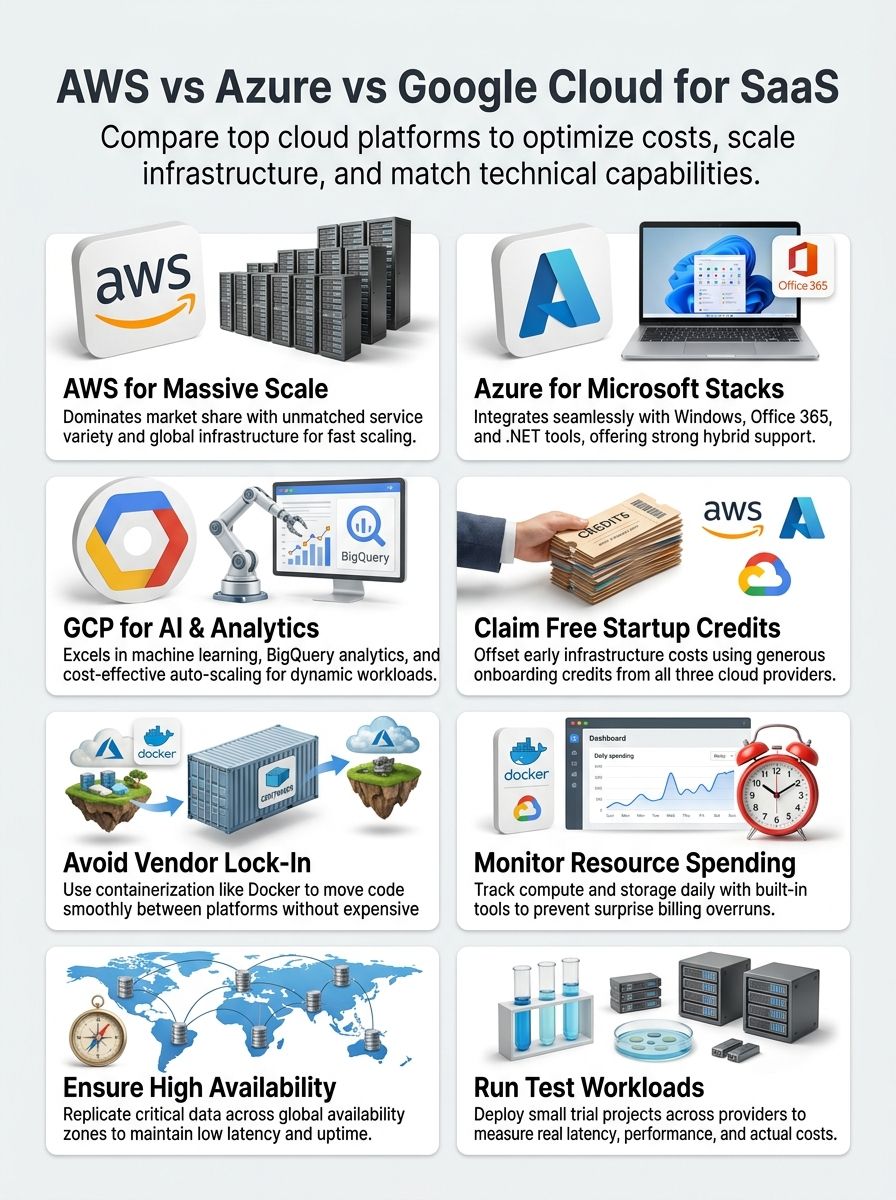
The truth is that each platform brings different strengths to the table. AWS excels at massive scale, Azure is great for teams using Microsoft products, and Google Cloud is a powerhouse for data analytics and artificial intelligence.
Your job is not to find the perfect platform in a vacuum. You just need to find the right fit for your specific needs and budget. Let’s go through exactly how they compare in pricing, performance, and security.
The role of cloud platforms in the growth of SaaS startups
Cloud platforms power the growth of SaaS startups by providing flexible infrastructure without massive upfront costs. Startups skip buying expensive servers and instead pay only for what they use.
Global cloud spending is projected to hit $723 billion in 2026, and a huge portion of that comes from US startups scaling their operations. Amazon Web Services, Microsoft Azure, and Google Cloud Platform offer computing resources that grow right alongside your business.
Scalability is highly important for SaaS startups. AWS is often praised for handling large-scale applications due to its massive infrastructure. These cloud service providers let young companies launch products fast, reach global markets, and compete with established players.
Cloud computing platforms also handle the heavy lifting of security, backups, and data protection. Your team gets to focus on building great software while the cloud provider manages the complex hardware behind the scenes.
Purpose and scope of comparing AWS, Azure, and Google Cloud
Picking the right cloud platform can dictate the future of your SaaS startup. AWS, Azure, and Google Cloud each offer different strengths, weaknesses, and price tags.
This comparison cuts through the marketing noise to show you what each platform actually delivers in 2026. You will learn about their cloud services, infrastructure capabilities, and real costs. The goal here is simple. We want to help you find the cloud solution that fits your business needs, not someone else’s.
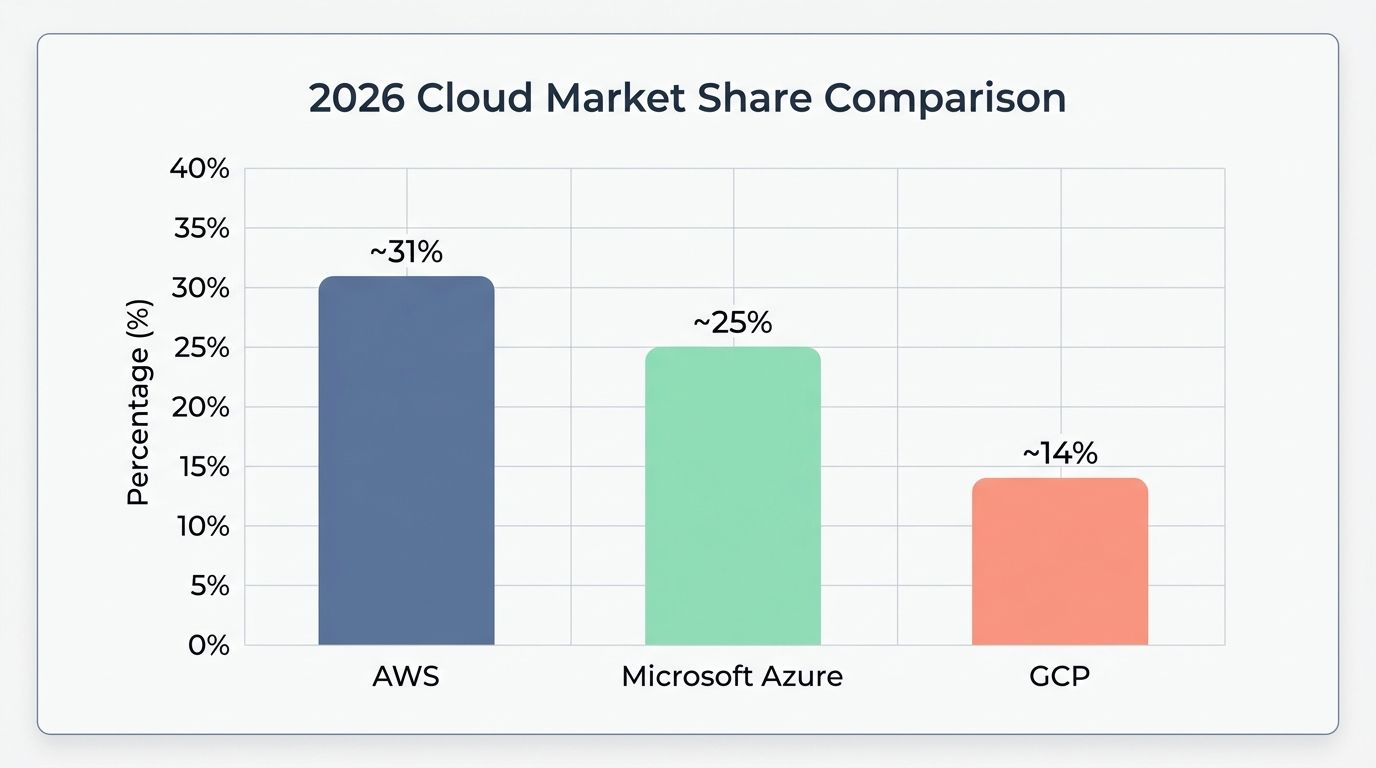
A 2026 Synergy Research Group report shows how the market is currently split:
| Cloud Provider | 2026 Market Share | Primary Strength |
| Amazon Web Services (AWS) | ~31% | Broadest service menu and massive scale. |
| Microsoft Azure | ~25% | Integration with Microsoft enterprise tools. |
| Google Cloud Platform (GCP) | ~14% | Big data, Vertex AI, and machine learning. |
Together, these three providers control over 68% of the global cloud market. Your startup faces real pressures, so you need fast performance, strong security, and pricing that makes sense.
By the end of this guide, you will know which cloud infrastructure services match your growth projections and budget constraints.
Amazon Web Services [AWS]
AWS dominates the cloud market, and startups pick it first because it offers the most services and the longest track record. Keep reading to see if it is the right fit for your team.
Overview of key features, services, and tools built for SaaS
Amazon Web Services delivers a massive collection of cloud products that work perfectly for SaaS startups. The platform offers compute power through Amazon EC2, which boasts over 500 different instance types to match any workload.
You get storage solutions with Amazon S3 for object storage, and databases like Amazon DynamoDB for NoSQL needs. Here are a few standout tools that make AWS attractive for startups:
- AWS Activate: In 2026, this program provides eligible US startups with up to $100,000 in promotional credits, plus additional funding for AI-focused companies.
- Amazon Bedrock: This fully managed service makes it easy to build and scale generative artificial intelligence applications.
- Amazon Relational Database Service: This gives you flexibility and ease of use when storing and accessing relational data.
The pay-as-you-go pricing model means you only pay for what you actually use. Infrastructure as a service capabilities let you build exactly what your business needs without buying expensive computer hardware upfront.
You can use Docker software for containerization, making it easier to move your code between different environments. Virtual private networks keep your data safe during transmission.
Major benefits and potential limitations for startups
AWS delivers major wins for startups hunting for speed and reliability. The pay-as-you-go model lets young companies spend only what they use, which fits tight startup budgets perfectly.
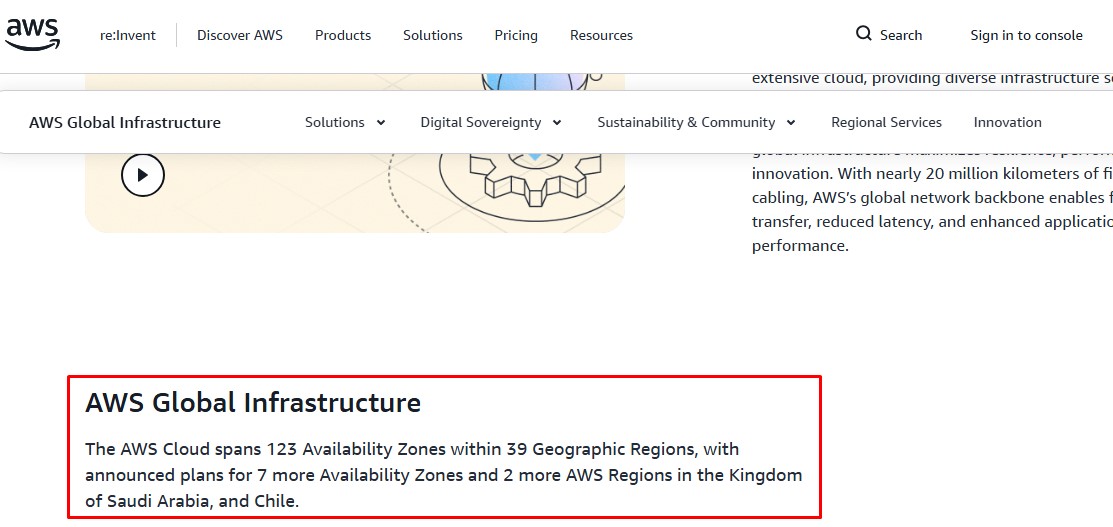
Its massive global infrastructure means your SaaS app runs fast across the world. In 2026, the AWS Cloud spans over 123 Availability Zones across 39 geographic regions, giving your customers quick response times everywhere.
However, the flip side hits hard for some startups. AWS throws so many tools and features at you that newcomers often feel lost.
| AWS Benefits | AWS Limitations |
| Unmatched global reach with 120+ Availability Zones. | Steep learning curve due to 200+ managed services. |
| Deep community support and extensive documentation. | Complex billing that requires careful monitoring. |
| Generous AWS Activate credits for early-stage funding. | Can be expensive if resources are not managed properly. |
Startups without experienced cloud architects often struggle to pick the right services from the massive AWS menu. This confusion can lead to wasted money and effort.
Microsoft Azure
Microsoft Azure gives SaaS startups powerful tools, strong security features, and tight integration with Microsoft products. Read on to discover if this platform matches your startup’s needs.
Overview of Azure’s offerings for SaaS startups
Azure provides a powerful set of cloud services built for SaaS startups looking to scale fast. The platform integrates smoothly with the Microsoft software ecosystem.
Your team can work with familiar tools like Microsoft Windows and Microsoft SQL Server without any friction. Microsoft is also heavily invested in helping new companies grow.
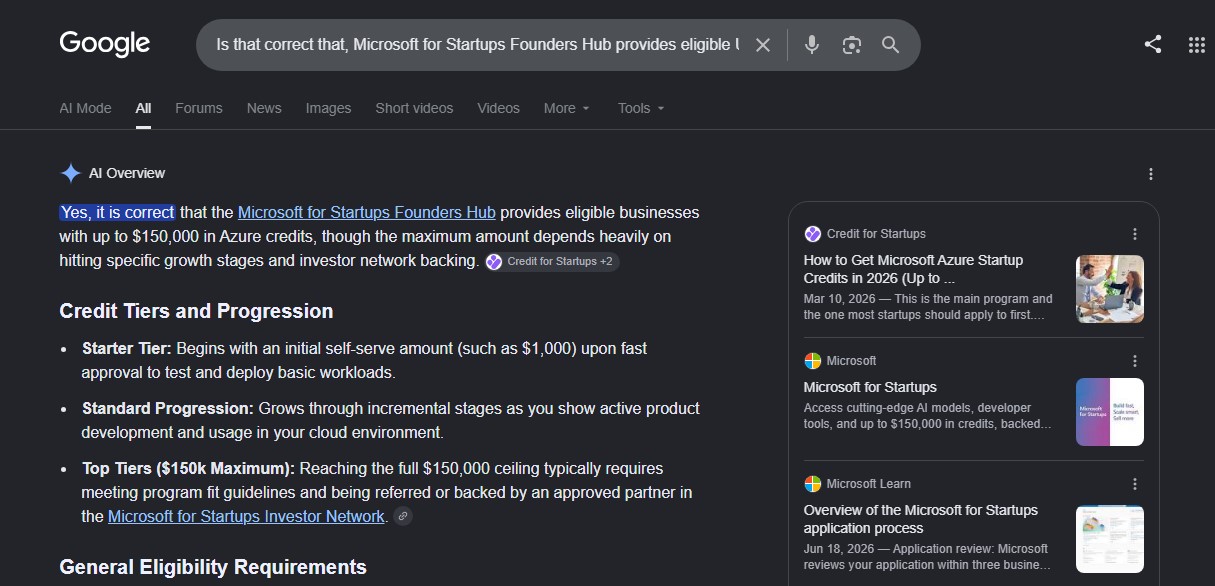
In 2026, the Microsoft for Startups Founders Hub provides eligible US businesses with up to $150,000 in Azure credits. This gives you plenty of runway to build and test your product.
For database management, Azure Cosmos DB offers an incredibly fast, multi-region NoSQL option that is perfect for responsive web apps. Azure provides billing flexibility, including options for sustained use discounts that reward long-term commitments.
Key advantages and areas where Azure may fall short
Microsoft’s cloud platform is especially suitable for startups already established in the Microsoft ecosystem. If your team runs Windows servers, uses Office 365, or builds applications in .NET, Azure becomes a natural fit.
Here are a few specific advantages and drawbacks to keep in mind:
- Azure Hybrid Benefit: If you already own on-premises software licenses for Windows Server or SQL Server, this feature can save you up to 40% on cloud costs.
- Enterprise Support: Azure is known for excellent enterprise-level support and deep integration with developer tools like GitHub.
- Complex Pricing: The pricing structure can feel complicated compared to other platforms, leaving some teams struggling to predict their monthly bills.
While Azure’s global infrastructure is expanding with over 60 regions, third-party integrations sometimes require more work than competitors demand. The platform works well for Microsoft-centric businesses, but startups building on open-source technologies might discover easier options elsewhere.
Google Cloud Platform [GCP]
Google Cloud Platform delivers powerful tools, strong data processing, and smart machine learning services that help SaaS startups grow fast. Read on to see how GCP stacks up against the competition.
Key features, services, and developer tools for SaaS companies
GCP delivers the exact tools that modern SaaS companies need to scale. The platform offers Google Kubernetes Engine for container management, making it simple to run applications across multiple servers.
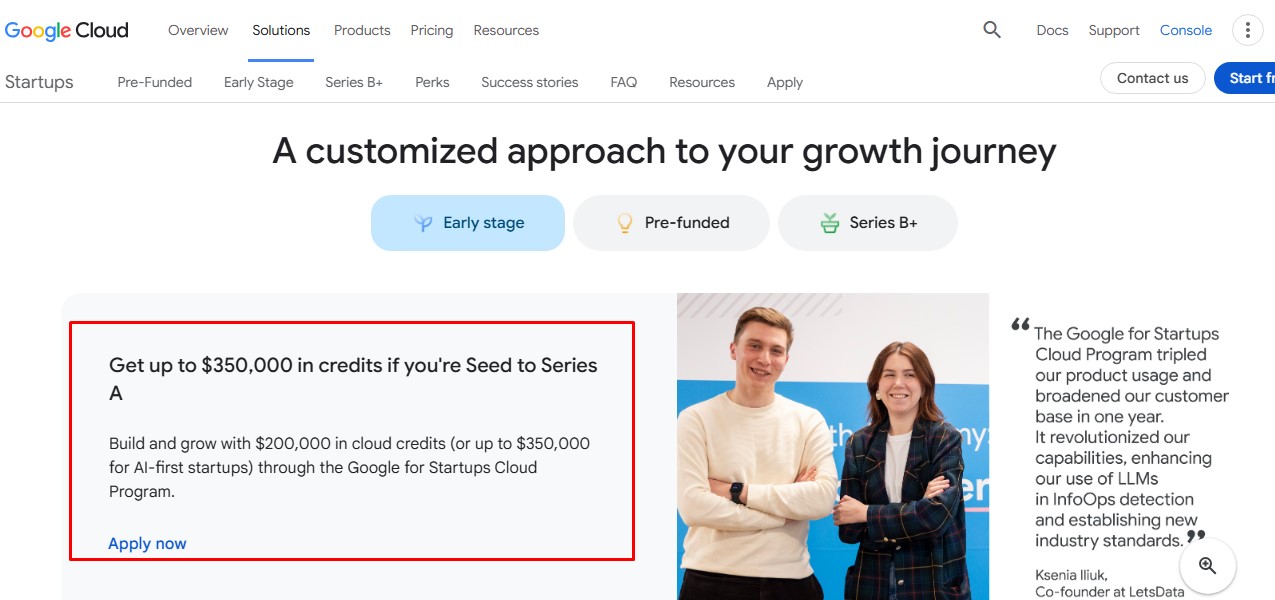
Google is making a massive push to attract AI developers in the US. In 2026, the Google Cloud Startup Program offers up to $200,000 in standard credits, and up to $350,000 specifically for verified AI-first startups.
Google App Engine manages backend services without requiring you to handle infrastructure directly. Spanner, the cloud database, addresses complex data storage challenges by scaling horizontally while keeping transactions consistent.
The pricing structure is often more affordable than competitors for similar performance. This makes it highly cost-effective for startups working with tight budgets.
Main pros and cons for new and growing startups
Google Cloud is a strong option for startups that focus on big data and analytics. Fast-growing companies benefit from resource management that reduces operational costs without frequent adjustments.
To stay competitive, GCP even cut compute pricing by 8% across all regions in early 2026. This makes their basic instances highly attractive for bootstrapped teams.
| GCP Pros | GCP Cons |
| Industry-leading tools for data analytics and AI (Vertex AI). | Smaller global footprint (around 40 regions) than competitors. |
| Highly competitive pricing and generous AI startup credits. | Smaller developer community for troubleshooting. |
| Google Kubernetes Engine is the gold standard for containers. | Fewer enterprise-level integrations than Azure. |
For startups without heavy data analytics or machine learning needs, the platform’s strengths may not be as relevant. You are choosing a platform that is expanding quickly, but it still trails behind AWS in sheer service volume.
Comparing AWS Vs Azure Vs Google Cloud Pricing and Cost Management
Startups need to understand how AWS, Azure, and Google Cloud charge for services. Your budget directly impacts which platform works best for your business.
Side-by-side analysis of pricing structures and billing models
AWS leads the pack with its pay-as-you-go pricing model, which works well for startups with tight budgets. You pay only for what you use, with no long-term contracts required.
To understand how you are billed, you need to look at the billing increments and discount models across the providers:
- Per-Second Billing: AWS and Google Cloud offer per-second billing for many compute instances. AWS enforces a 60-second minimum for EC2, meaning you only pay for exact usage after the first minute.
- Discounted Instances: Spot Instances on AWS or Preemptible VMs on Google Cloud allow you to bid on spare computing capacity, often saving you 70% to 90% off standard on-demand prices.
- Sustained Use Discounts: Azure takes a different approach by offering subscription options paired with discounts that apply automatically as your usage grows.
Pricing can be confusing with Azure, as its structure may challenge even experienced teams attempting to predict monthly bills. All three platforms provide cost management tools that track your spending in real time so you can identify overspending early.
Choosing the Right Cloud Platform for Your SaaS Startup
Your startup’s success depends on matching your business needs with the right cloud provider’s strengths.
Summary comparison and decision factors
AWS leads the cloud market with the most extensive service offerings and the broadest infrastructure reach. With over 200 managed services, it is the widely adopted cloud choice for SaaS startups that need maximum scalability and a safe default option.
Azure integrates beautifully with Microsoft ecosystems and offers flexible billing models. This appeals heavily to teams already using Microsoft tools like Office 365 or SQL Server.
Google Cloud excels in data analytics, machine learning capabilities, and cost savings.
AWS may require more technical expertise to master its large service catalog, while Azure and Google Cloud offer more user-friendly interfaces for developers just starting out. The decision depends on your team’s comfort level, existing technology stack, and the specific workloads you plan to run.
Wrapping Up
The AWS Vs Azure Vs Google Cloud decision ultimately comes down to the different strengths they bring to your SaaS startup journey. AWS stands out with its extensive service library and global reach. It is a strong choice if you need many options and worldwide performance.
Azure is a great fit when you already use Microsoft tools, offering integration that saves time and money. Google Cloud delivers advanced data analytics and machine learning capabilities, making it perfect for startups that focus on data.
Your decision depends on your current tech stack, your budget constraints, and what your application actually needs to succeed. Test each platform with a small project before committing your entire operation. Practical experience will always be more valuable than reading a comparison article.
Start building your SaaS today on whichever platform matches your vision, your budget, and your team’s comfort level!
Frequently Asked Questions on AWS vs Azure vs Google Cloud
1. What is the main difference between AWS, Microsoft Cloud, and Google Cloud for SaaS startups?
AWS holds about 32% of the global cloud market and offers the widest range of services since it launched first in 2006. Azure stands out with hybrid cloud capabilities and seamless integration with Microsoft products. Google Cloud excels at data analytics and machine learning with tools like BigQuery.
2. How do I compare AWS vs GCP when it comes to Platform as a Service?
Google App Engine deploys your apps automatically and scales without you managing any servers. AWS Elastic Beanstalk offers similar features but typically requires more hands-on configuration.
3. Why would someone choose Google Cloud over AWS or Azure?
Google Cloud invented Kubernetes, so you get native container orchestration that works more smoothly than other platforms.
4. Are there any security differences between these cloud platforms?
All three hold SOC 2 Type II certification and deliver enterprise-grade security, just with different approaches to encryption and network isolation.
5. Do AWS and Azure offer anything special that GCP does not?
Azure’s Hybrid Benefit saves you up to 40% on virtual machine costs when you bring your existing Windows Server licenses to the cloud.
6. Which platform is best for SaaS startups looking at cost versus features?
AWS offers over 200 services for maximum flexibility, Azure fits best if you already use Microsoft tools, and Google Cloud typically costs less for compute and storage workloads.