The rise of stock AI aesthetics has transformed visual content creation. AI image generators can produce polished, ready-to-use visuals in seconds, but most outputs share the same look: predictable compositions, generic lighting, and similar subjects. This trend mirrors stock photography’s early days, where images were safe, repeatable, and easily recognizable.
In a world of original thought scarcity, these generic AI visuals create a new challenge. Even when technically impressive, they fail to communicate brand personality or uniqueness. Teams relying solely on AI risk diluting creativity and audience engagement, undermining AI generated content originality.
Platforms like ImagineLab.art allow creators, agencies, and marketers to generate high-quality visuals while layering human guidance, context, and branding. By combining AI speed with intentional creative direction, teams can transform repetitive outputs into distinctive, meaningful visuals that stand out in a crowded digital landscape.
Human Insights on Stock-AI Aesthetics
From hands-on experience with marketing campaigns and educational content, AI visuals often look similar across industries. A startup using an AI image generator may end up with the same glowing product mockup or happy model in every campaign.
At ImagineLab.art, we noticed that adding human context—brand colors, composition cues, and audience-relevant props—makes the AI outputs unique. Without it, multiple brands share nearly identical visuals online, creating a homogenized, stock-image feel.
This phenomenon illustrates the tension between efficiency and originality. AI can produce content quickly, but maintaining brand identity and visual storytelling requires deliberate human intervention.
What Stock AI Aesthetics Mean

Stock AI aesthetics refer to visuals that look polished but follow a predictable, uniform style. They often feature common compositions, similar lighting, and generic subjects that appear across multiple campaigns.
For example, product mockups on white backgrounds or smiling professionals in office settings are repeated widely. While these images are easy to use and visually clean, they lack uniqueness. To stand out, brands need to add human context, distinctive props, or narrative elements that reflect personality, story, and audience relevance.
- Symmetrical layouts
- Generic models or objects
- Common lighting and color schemes
- Overused compositions
This visual sameness reduces originality and makes it harder for brands to stand out. Even technically sophisticated outputs fail to communicate unique brand messages or perspectives.
Why Generic AI Visuals Are Everywhere
Generic visuals are common because many creators use similar templates, styles, and composition choices. Repeating the same layouts, lighting, or props makes content predictable.
For example, product shots often feature neutral backgrounds, glossy objects, and smiling models, which appear across multiple campaigns. Marketers often prioritize speed and volume over originality, generating many images quickly but with little variation. This widespread repetition reduces memorability and engagement. Human oversight, context, and custom styling are essential to transform these repetitive visuals into distinctive, brand-specific content that stands out.
Several factors drive the proliferation of generic AI visuals:
- Prompt recycling: Users often rely on similar input prompts, generating repetitive outputs.
- Algorithmic bias: AI models favor widely used datasets and styles.
- Speed over creativity: Rapid generation prioritizes efficiency over unique composition.
- Demand for volume: Marketing and content teams often need many images quickly, leading to less refinement.
As a result, digital channels are flooded with visuals that share the same look, reinforcing the “stock photo” feel.
Common AI Image Cliches
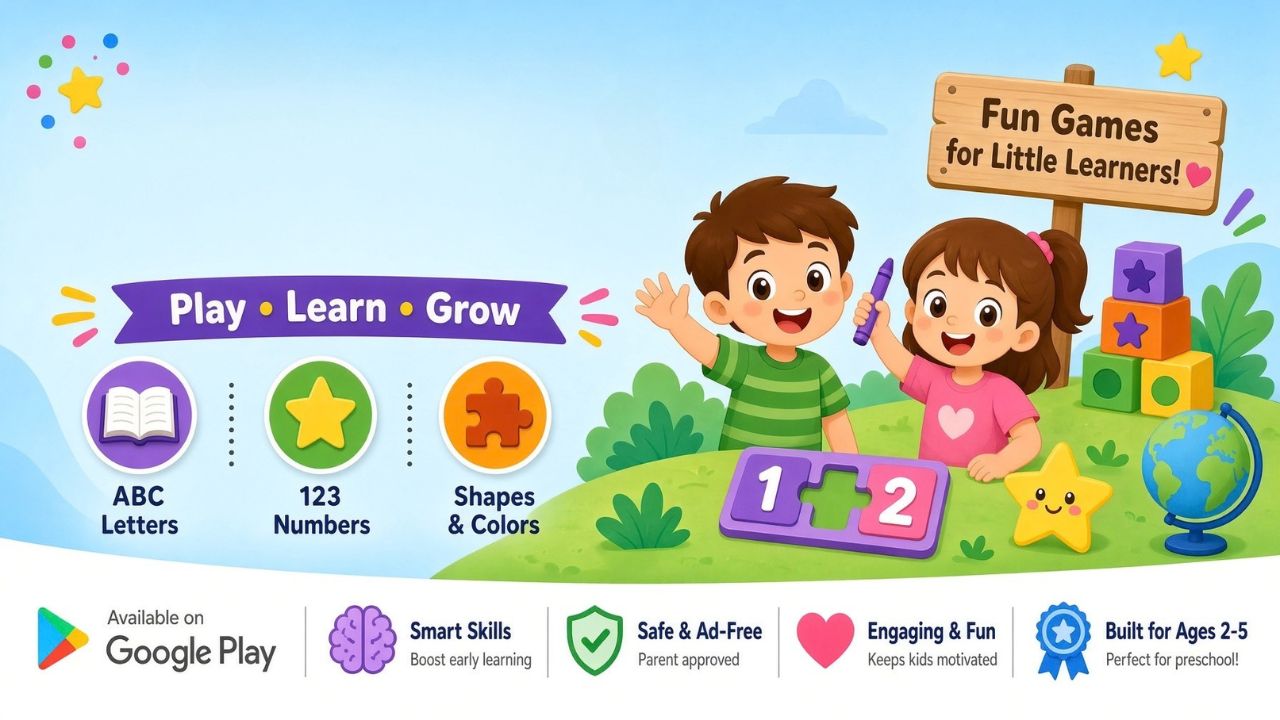
Common visual patterns tend to repeat across mass-generated images, creating common image cliches. These include smiling models in neutral office settings, glowing product mockups, overly polished lifestyle scenes, and generic abstract compositions. Even high-resolution, professional-looking visuals can feel repetitive when multiple brands use the same styles.
For example, two e-commerce sites may feature identical product shots with similar backgrounds, lighting, and angles. Recognizing these patterns helps creators deliberately adjust compositions, props, colors, and context to produce distinctive, memorable visuals that reflect their brand identity.
- Smiling business professionals against blurred office backgrounds
- Glowing product mockups with lens flare
- Abstract colorful shapes or futuristic office scenes
- Overly polished lifestyle scenarios with perfect lighting
- Floating objects or exaggerated perspective for emphasis
Recognizing these cliches is the first step in creating visuals that stand out.
Practical Examples Across Industries
Across industries, generic stock-style visuals appear everywhere, from marketing campaigns to educational materials.
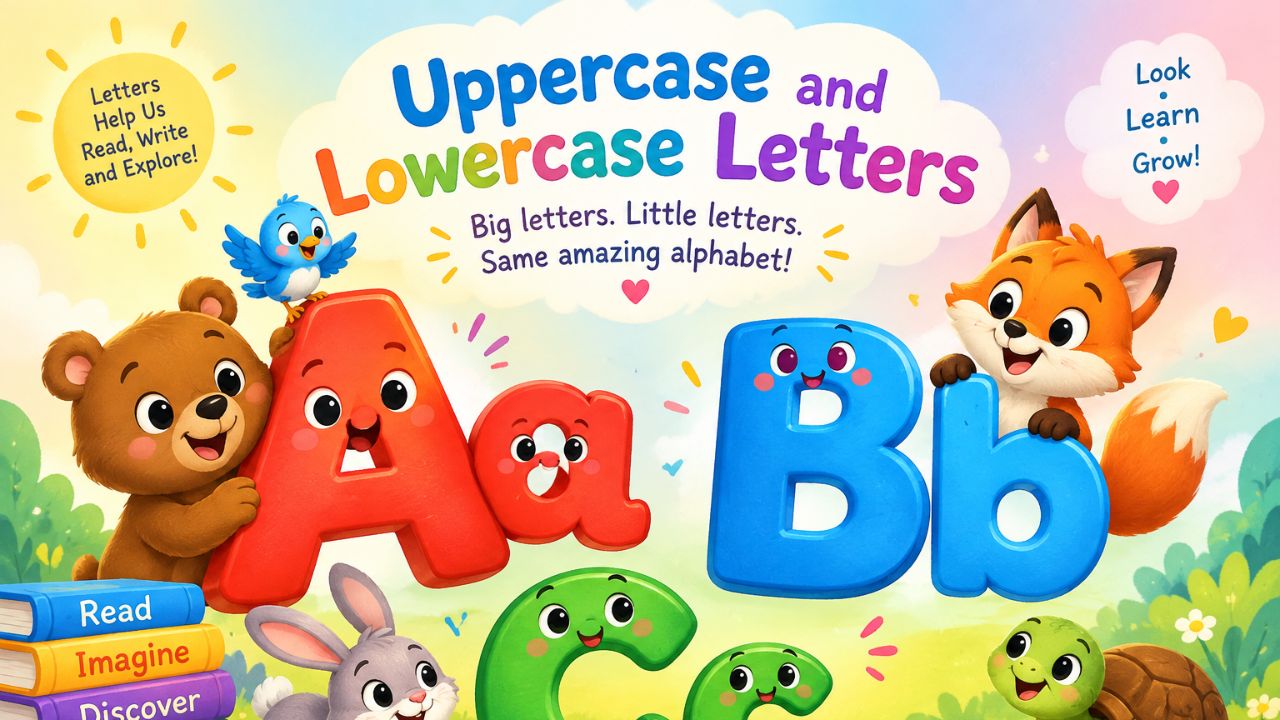
For example, a marketing agency may repeatedly use images of smiling professionals or abstract backgrounds that lack brand-specific cues. Educational platforms often rely on the same bright, simplified illustrations across lessons. E-commerce brands frequently showcase products on neutral backgrounds without real-life context. By customizing visuals with human-led adjustments—like props, settings, and audience-relevant elements—teams can turn generic outputs into content that resonates, tells a story, and reinforces brand identity.
Example 1: Marketing Campaigns
AI-generated ads often reuse the same stock-style model posing or product rendering. Adding brand-specific props or contextual cues makes visuals more memorable.
Example 2: Educational Content
AI illustrations for learning materials may feature similar cartoon characters or color palettes. Incorporating unique teaching context or age-specific visuals enhances learning engagement.
Example 3: E-Commerce
Generic AI product images may show shiny bottles or gadgets on white backgrounds. Highlighting real-world use cases, textures, and lighting makes the product feel authentic.
Risks of Relying on Generic AI Visuals
Relying on generic visuals carries real risks for brands and content creators. Repetitive images can dilute brand identity, making campaigns blend into the crowded digital landscape. Audiences may lose interest when visuals feel predictable or overused.
For example, using the same polished product shots repeatedly across social media can reduce engagement and trust. Generic visuals also fail to communicate unique messaging or story. Human-guided refinement and context-specific adjustments ensure visuals are memorable, relevant, and aligned with brand personality.
- Brand homogenization: Outputs may look like competitors’ visuals.
- Audience disengagement: Viewers notice repetition and lose interest.
- Reduced originality: Repeated AI cliches diminish uniqueness.
- Lower perceived value: Overly generic visuals may appear cheap or unprofessional.
Common Mistakes Brands Make
Brands often fall into predictable traps when using stock-style visuals. They rely too heavily on default templates, ignore brand-specific colors or style guides, and publish images without human review. Overusing the same compositions or props across campaigns makes content feel repetitive. Many skip testing visuals with their target audience, which reduces engagement. Others fail to iterate on designs or adjust for platform formats. Avoiding these mistakes ensures visuals remain distinctive, relevant, and aligned with brand identity, even when production is fast-paced or scaled across multiple channels.
- Using default AI prompts without customization
- Neglecting brand colors, style, or identity
- Publishing AI visuals without human review
- Relying on AI-generated templates exclusively
- Overusing stock-like lighting, composition, and props
- Ignoring audience relevance or platform requirements
- Failing to iterate for originality
A Practical Framework for Distinct AI Visuals
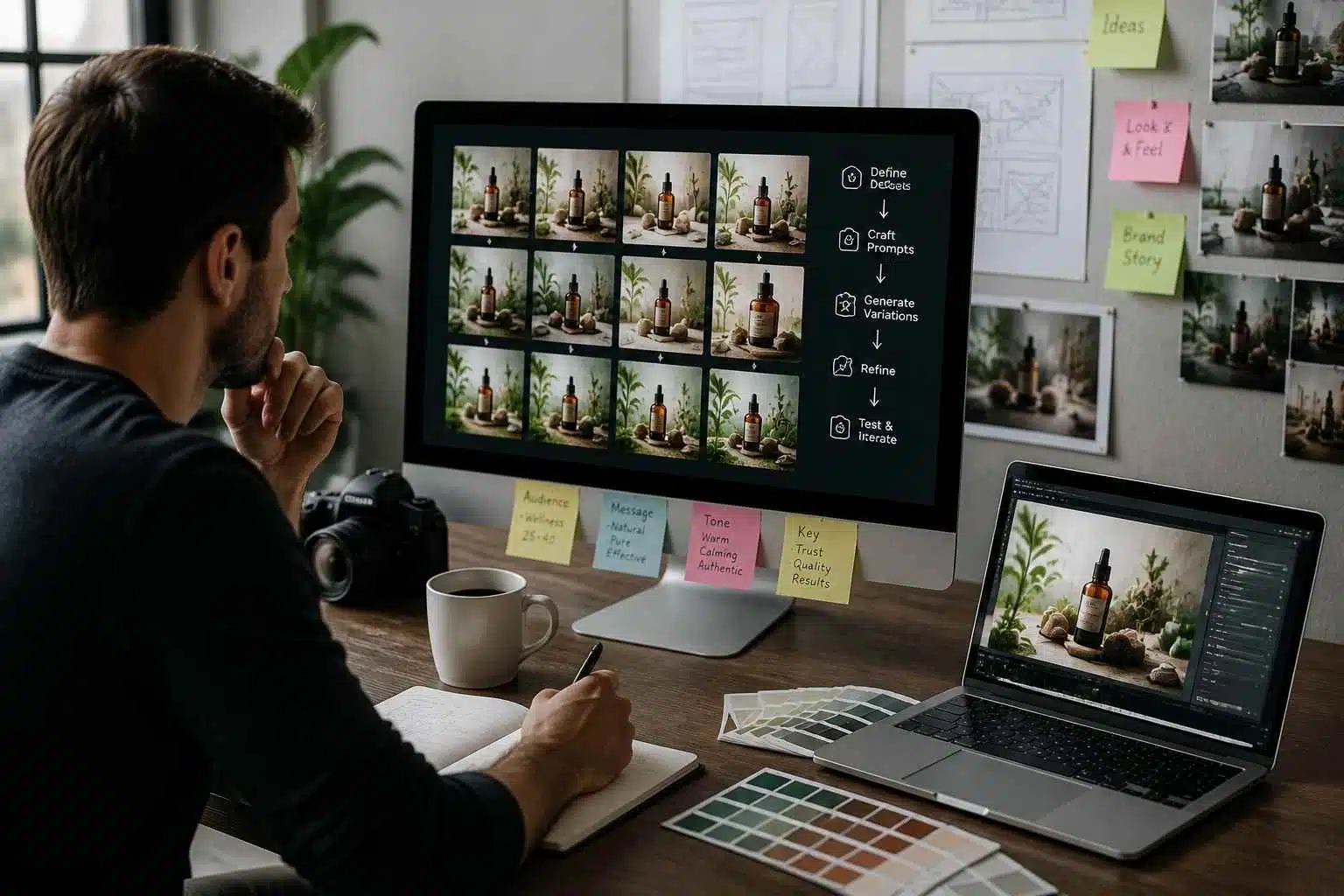
Creating distinct visuals requires a clear, repeatable approach. Start by defining your goal, audience, and message. Use multiple variations to explore composition, lighting, and props. Then refine the best outputs with human oversight, adding brand colors, context, and storytelling elements. Test which visuals resonate with your audience and adjust accordingly. This framework ensures each visual is unique, memorable, and aligned with your brand.
For example, a product image can combine real-world context, creative angles, and consistent style to stand out from generic stock visuals.
- Define Visual Goals: Determine audience, context, and brand message.
- Craft Specific Prompts: Include color schemes, props, angles, and style cues.
- Generate Variations: Produce multiple AI outputs for comparison.
- Human Refinement: Adjust composition, lighting, and branding details.
- Test Audience Engagement: Evaluate response before full deployment.
- Iterate: Refine prompts and visuals to increase distinctiveness.
ImagineLab.art supports this workflow by enabling controlled AI visual generation with manual adjustments to preserve originality.
Brand Applications Across Industries
Stock-style visuals can be adapted across industries, but they require human refinement to communicate brand identity effectively. Marketing agencies can use them as starting points for client campaigns, then add brand colors, context, and storytelling.
Educational platforms can turn generic illustrations into meaningful learning visuals by adjusting content for age and curriculum. E-commerce brands can make product shots more authentic by including real-life context, textures, and lifestyle elements. Startups and SMEs benefit by scaling visual content while ensuring it reflects their unique voice and message.
- Marketing Agencies: Create campaigns with brand-aligned, unique visuals.
- Educational Platforms: Produce illustrations that fit specific learning goals.
- E-Commerce: Generate product and lifestyle images that reflect real usage.
- Startups & SMEs: Scale content production while maintaining brand identity.
Recommended Tools and Workflow Practices
To create consistent and effective visuals, using the right tools and workflow is essential. Platforms like ImagineLab let teams generate high-quality images quickly while keeping control over composition, style, and brand elements. Start by defining your visual goals and target audience, then generate multiple variations. Review each output for alignment with brand identity and context, making adjustments as needed. Finally, optimize the visuals for the intended platform and test audience engagement. This approach ensures your content is efficient, visually appealing, and unique without relying solely on repetitive stock-style images.
- ImagineLab.art: Generate AI visuals and adjust style, composition, and props for uniqueness.
- Workflow: Concept → AI Generation → Human Refinement → Platform Adaptation → Test Engagement
This method balances speed, scalability, and originality.
Expert Tips to Maintain Visual Originality
Maintaining visual originality requires deliberate choices and attention to detail. Start by customizing colors, composition, and props to reflect your brand. Avoid overused templates and repetitive layouts that make content feel generic. Test multiple versions to see which resonates most with your audience. Layer storytelling elements, such as context or interaction cues, to make visuals more memorable. Regularly review published content to identify patterns of repetition and adjust your workflow. Even small tweaks can turn polished but generic visuals into distinctive, engaging images.
- Avoid repeating prompts word-for-word
- Customize outputs with brand colors and style guides
- Introduce real-world props or context-specific elements
- Layer human oversight to detect clichés and repetitive patterns
- Track audience response and refine visual strategy accordingly
Final Thoughts
Stock AI aesthetics are the new stock photography: polished but often generic. In a world of original thought scarcity, human guidance, brand context, and iterative refinement are essential to produce visuals that stand out. Platforms like ImagineLab.art allow creators and marketers to combine AI speed with human insight, maintaining AI generated content originality and producing distinctive, meaningful visuals.
Frequently Asked Questions (FAQs) About Stock AI Aesthetics
What are stock AI aesthetics?
They are uniform, predictable visual styles commonly produced by AI image generators.
Why do AI image cliches appear?
AI models favor popular training data and repeated prompts, producing similar outputs.
How can brands avoid generic AI visuals?
Use human-guided prompt customization, context-specific adjustments, and iterative refinement.
Can AI visuals ever be fully unique?
With human oversight, styling, and contextual layering, AI outputs can be made distinct and brand-aligned.
How does ImagineLab.art help?
It enables high-quality AI visual generation with options for human-guided refinement to maintain originality.