In a striking parallel to repeated assertions by US President Donald Trump, China’s Foreign Minister Wang Yi has claimed Beijing mediated peace between India and Pakistan during their intense four-day military conflict in May 2025. This development, announced during a high-profile symposium in Beijing, reignites debates over the true architects of the ceasefire that halted Operation Sindoor and averted a potential nuclear escalation between the nuclear-armed neighbors. India has swiftly rejected the claim, reaffirming its longstanding stance against third-party involvement in bilateral disputes.
The Spark: Pahalgam Terror Attack
The crisis traced back to April 22, 2025, when five armed militants unleashed horror in the scenic tourist haven of Pahalgam, nestled in Indian-administered Jammu and Kashmir. Gunfire ripped through crowds of Hindu tourists, leaving 26 civilians dead in what became one of the deadliest attacks on innocents in the region in years.
The Resistance Front, a shadowy offshoot of the UN-designated terrorist group Lashkar-e-Taiba (LeT), initially claimed responsibility before retracting amid accusations of a hack by Indian authorities. Pakistan dismissed it as a “false flag” operation by New Delhi, while India pointed fingers at Pakistan-based terror networks like LeT and Jaish-e-Mohammed (JeM).
This bloodbath shattered fragile calm along the Line of Control (LoC), prompting India to suspend the Indus Waters Treaty—a move that spiked tensions and closed airspaces to each other’s airlines. Border skirmishes followed, with intelligence reports warning of an imminent Indian strike.
Operation Sindoor Unleashed
India’s response came swiftly on May 7, codenamed Operation Sindoor—a nod to the vermilion symbol of marital strength in Hindu tradition, underscoring resolve. At 1:05 a.m., precision missiles and loitering munitions slammed into nine terror camps across Pakistan-occupied Kashmir (PoK) and Punjab province.
Targets included LeT’s Muridke headquarters, JeM’s Bahawalpur mosque complex, and sites in Kotli, Muzaffarabad, and Sialkot linked to Hizbul Mujahideen. Indian officials described the 25-minute barrage as “focused, measured, and non-escalatory,” claiming over 100 militants killed without hitting civilian or military assets. Rafale jets, BrahMos missiles, and Israeli SkyStriker drones executed strikes from Indian airspace, jamming Chinese-supplied Pakistani defenses.
Pakistan decried the hits as an “act of war” on civilian zones like mosques, reporting casualties and convening its National Security Council. Artillery barrages soon pounded Indian border towns like Poonch and Rajouri, killing civilians—including children—and damaging schools and gurdwaras.
Escalation: Drones, Missiles, and Air Battles
What followed marked history’s first major drone war between nuclear powers. Pakistan retaliated with mortar shells, drones, and missiles targeting Amritsar, Jammu, and air bases like Sirsa. India’s S-400 systems notched combat debuts, intercepting threats while SEAD missions crippled Pakistani radars in Lahore.
Aerial clashes peaked on May 7-8, pitting 72 Indian jets against 42 Pakistani ones in beyond-visual-range dogfights—the largest since World War II. Pakistan claimed downing five Indian aircraft, including Rafales via Chinese J-10s armed with PL-15 missiles; India acknowledged “losses are part of combat” without specifics. Debris from French Rafales and Russian Su-30s littered crash sites in Bathinda and Pampore.
By May 9-10, mutual air base strikes intensified. India hammered PAF facilities at Nur Khan, Rafiqui, and Bholari with BrahMos and SCALP missiles, cratering runways and hangars. Pakistan’s Operation Bunyan-un-Marsoos countered, claiming hits on 26 Indian sites including Udhampur and Pathankot using JF-17s and drones. Cyberattacks disrupted Indian networks, though damages remained contested.
Shelling along the LoC raged in Kupwara, Uri, and Samba, claiming dozens more lives. Pakistan’s strikes killed 21 civilians and 13 troops; India’s toll stood at 21 civilians and 8 security personnel. Fears mounted as explosions rocked Nur Khan near Pakistan’s nuclear command, prompting global alarm.
Ceasefire Dawn: Bilateral or Brokered?
Amid nuclear shadows, a ceasefire gripped at 5 p.m. IST on May 10 via DGMO hotline talks—Pakistan’s request after four days of fury. Foreign Secretary Vikram Misri confirmed direct military channels sealed the deal, with commercial flights resuming soon after.
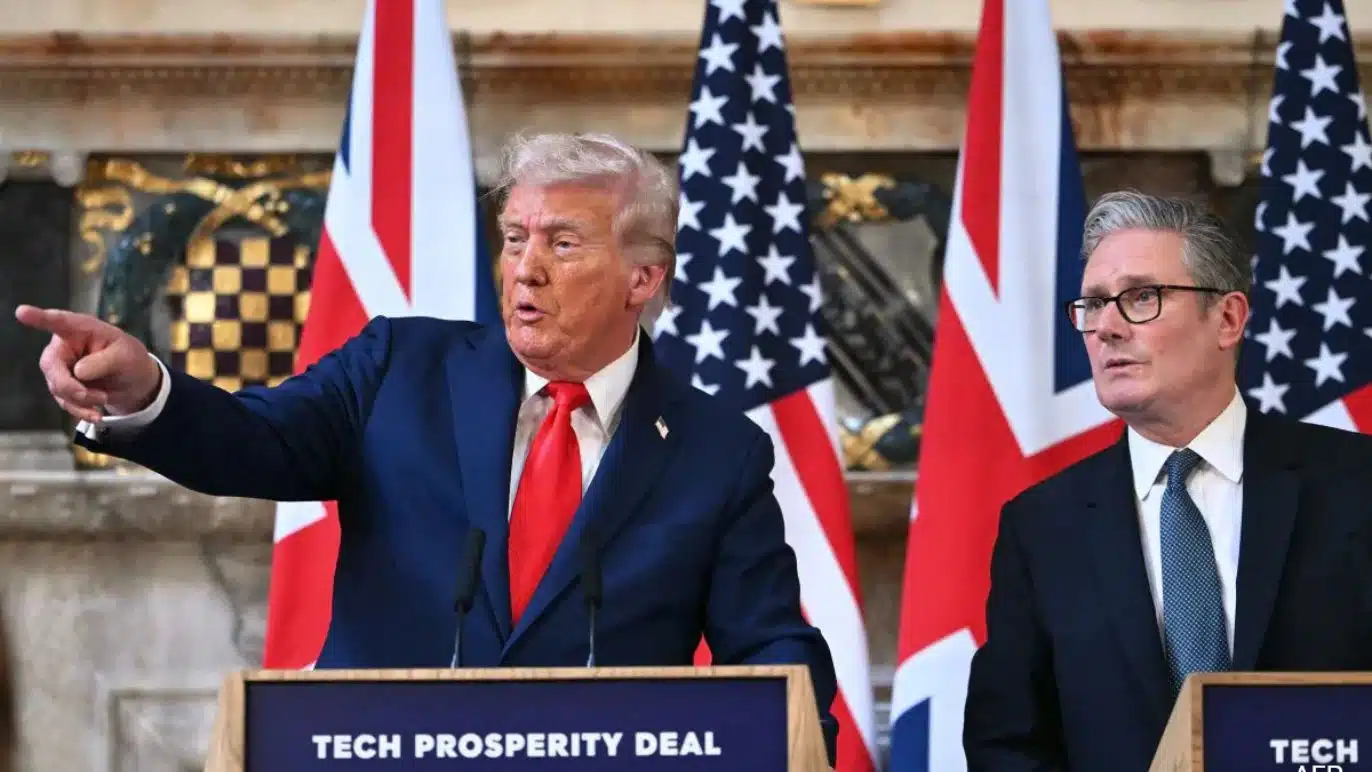
Enter external claims. President Trump touted US mediation on Truth Social: “After a long night of talks… India and Pakistan have agreed to a FULL AND IMMEDIATE CEASEFIRE.” He later boasted of averting nuclear war via tariff threats on Modi and Sharif, repeating it at global forums despite Indian denials from PM Modi and Defence Minister Rajnath Singh.
US officials like JD Vance and Marco Rubio engaged both sides, alongside Saudi Arabia, Iran, UAE, UK, and UN pleas. Pakistan’s Sharif credited Trump and a 36-nation chorus; India insisted “no third-party intervention.”
Trump’s Persistent Narrative
Since May, Trump has hammered his peacemaker credentials. In June, he hosted Pakistan’s Army Chief Asim Munir, claiming trade pressure halted the war. By October, he likened it to Russia-Ukraine, vowing Nobel bids.
Modi refuted in calls, emphasizing bilateral DGMO action post-Pahalgam. Congress critics slammed BJP for silence, but New Delhi held firm: sovereign decisions, no mediation.
Wang Yi’s Bold Echo
Fast-forward to December 30, 2025: At Beijing’s Symposium on International Situation and China’s Foreign Relations, Wang Yi positioned China as global firefighter. “To build peace that lasts, we mediated… tensions between Pakistan and India,” alongside Myanmar, Iran nuclear, Palestine-Israel, Cambodia-Thailand.
Wang framed it as “objective and just,” tackling “symptoms and root causes” amid post-WWII conflict spikes. Beijing’s readout highlighted Foreign Minister Ishaq Dar thanking China for “mediation efforts” in May calls.
This mirrors Trump’s playbook, burnishing China’s image amid US rivalry. Yet, it overlooks Beijing’s pro-Pakistan tilt: supplying 81% of Islamabad’s arms, real-time intel during Sindoor per Lt Gen Rahul R Singh.
India’s Firm Rebuttal
New Delhi pounced: “No third-party intervention. Pakistan requested ceasefire via DGMO,” sources told NDTV and CNN-News18. MEA’s May briefing underscored bilateral channels; position unchanged.
Foreign Secretary Misri’s post-ceasefire notes rejected external roles. Critics called Wang’s claim “bizarre,” echoing Trump dismissals. India eyes it as diplomatic overreach, given China-Pakistan axis straining ties.
Strategic Shadows: China’s Pakistan Lifeline
Beijing’s stakes run deep. As Pakistan’s top arms supplier, China tested hardware in Sindoor’s “live lab.” J-10s, HQ-9 defenses aided Islamabad, per Indian assessments invoking Sun Tzu’s “borrowed knife.”
Post-ceasefire, Wang urged dialogue but backed Pakistan’s sovereignty. India views claims as narrative warfare, projecting Beijing as peacemaker while fueling proxy threats.
Global Echoes and Implications
Trump’s boasts drew applause from Pakistan, ridicule elsewhere. Wang’s entry amplifies multipolar jostling: US tariffs vs. Chinese diplomacy. Both sideline India’s bilateral mantra, rooted in Simla Agreement.
Ceasefire holds, but LoC flares persist. Nuclear brinkmanship exposed vulnerabilities; drone proliferation redefines South Asian warfare. Analysts warn mediation myths undermine trust.
For India, rejecting claims reinforces autonomy amid border pacts with China and trade talks with Trump. Pakistan celebrates “Youm-e-Tashakur“; global powers vie for credit.
Road Ahead: Fragile Peace
As 2025 closes, Wang’s words spotlight enduring India-Pakistan volatility. Terrorism festers; Kashmir simmers. True de-escalation demands accountability, not external spotlights.
India’s Operation Sindoor shifted deterrence paradigms, proving precision over escalation. Yet, rival claims underscore great-power games in a tinderbox region. Stability hinges on bilateral resolve, not borrowed glory.