
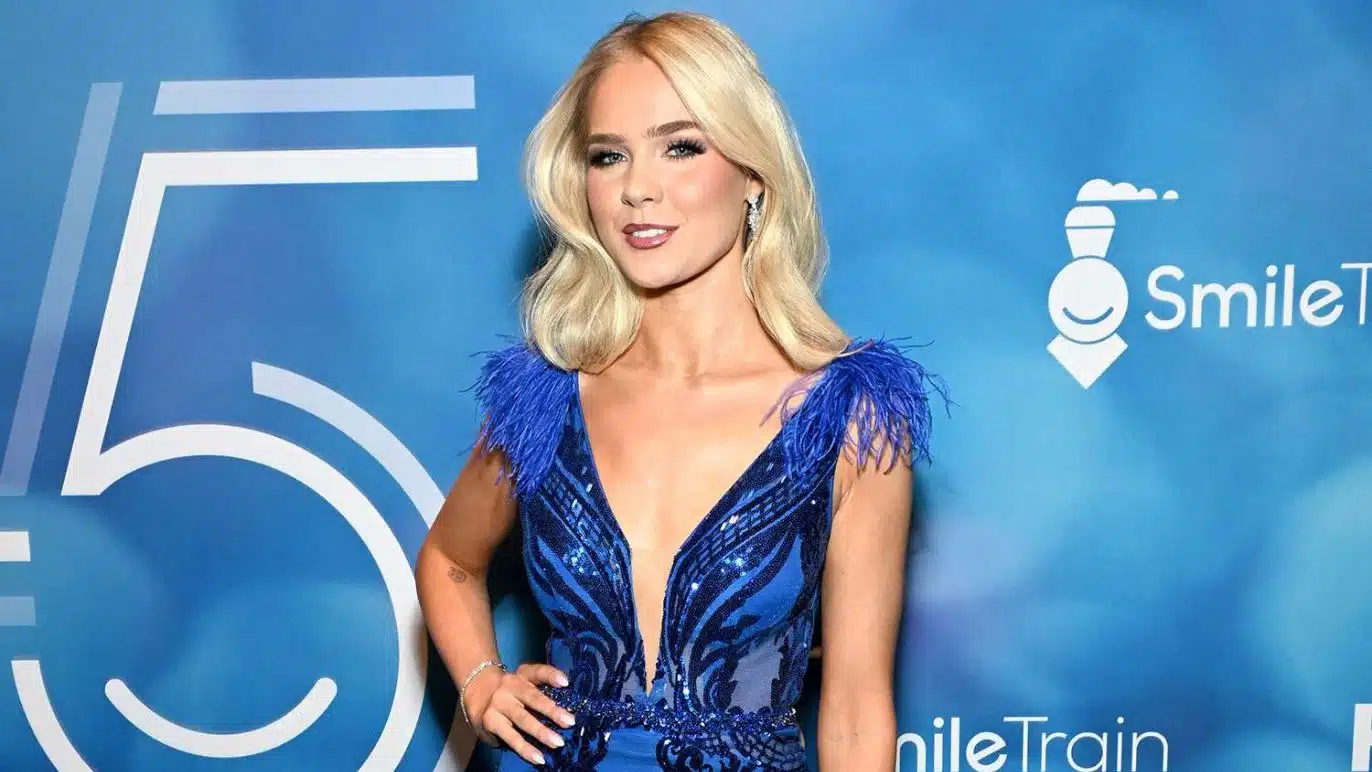
Miss Universe Organization Faces Fresh Crisis as Miss Iceland Helena O’Connor Renounces Title Amid Allegations of Coercion.
In a stunning development that underscores ongoing turmoil within the Miss Universe Organization, Helena Hafþórsdóttir O’Connor, crowned Miss Universe Iceland 2025, has publicly relinquished her title. O’Connor’s resignation, announced via Instagram on December 15, 2025, stems from claims that she was forcibly withdrawn from the Miss Universe competition in Thailand without her consent while recovering from severe food poisoning. This move marks yet another high-profile defection, amplifying criticisms of the pageant’s management and contracts during a year already plagued by scandals.
O’Connor’s Journey to the Crown
Helena Hafþórsdóttir O’Connor, a 26-year-old model and influencer from Reykjavik, captured national attention when she won the Miss Universe Iceland pageant on April 3, 2025. The competition, organized by Miss Universe Iceland (MUI ehf.), highlighted her poise, intelligence, and advocacy for mental health and environmental sustainability—issues close to Icelandic hearts amid the country’s volcanic landscapes and progressive social policies. As the victor, O’Connor earned the coveted spot to represent Iceland at the global Miss Universe event, scheduled for November 21, 2025, in Bangkok, Thailand.
Her path to the title was not without challenges. Growing up in a nation known for gender equality, O’Connor had built a career blending fitness modeling with philanthropy, often sharing glimpses of Iceland’s geothermal spas and hiking trails on social media. Winning Miss Universe Iceland propelled her into the international spotlight, with preparations involving rigorous training, wardrobe fittings, and media engagements. However, weeks before the international pageant, disaster struck: O’Connor contracted a severe case of food poisoning, sidelining her physically and emotionally as she underwent treatment. Despite this, she received verbal assurances from Miss Universe Organization representatives that she could still compete, fueling her determination to push through.
The Food Poisoning Incident and Sudden Withdrawal
The pivotal moment came in early November 2025, just days before the Miss Universe finals. O’Connor detailed in her resignation statement that her illness left her bedridden, yet she was committed to participating. On November 5, the Miss Universe Iceland organization issued a public statement announcing her withdrawal, citing “personal reasons” and her ongoing recovery. The announcement read: “Miss Universe Iceland 2025, Helena O’Connor, has been ill for the past few days. She is thankfully recovering but we are devastated to announce that, due to personal reasons, she has made the difficult decision of withdrawing from the Miss Universe competition in Thailand.”
O’Connor vehemently disputed this narrative, asserting in her Instagram post that the withdrawal occurred without her knowledge or approval. She described feeling “put in an impossible situation,” claiming the organization acted unilaterally while she was incapacitated. Sources close to the matter suggest the decision was influenced by concerns over her health impacting performance, but O’Connor viewed it as a betrayal of trust. The incident echoed past pageant controversies, such as a 2016 case where a previous Miss Iceland quit after body-shaming allegations, highlighting persistent tensions around contestant welfare.
Explosive Resignation Statement
O’Connor’s December 15 Instagram post, which garnered over 50,000 likes within hours, laid bare her grievances in raw, unfiltered terms. “With a heart full of gratitude and profound respect, I hereby announce my resignation from the title of Miss Universe Iceland 2025,” she wrote, declaring the contract with MUI ehf. “terminated as of today.” She accused the organization of forbidding her from discussing her illness publicly, pressuring her to remain silent until an in-person meeting post-competition, and later demanding a penalty fee to retain her title—a sum she deemed “unjust” and a breach of contract.
“I refuse to have my voice silenced,” O’Connor concluded, emphasizing her inability to continue under such circumstances. The post included screenshots of communications, though redacted for privacy, painting a picture of mounting pressure. Her words resonated widely, with supporters flooding comments sections praising her courage amid a pageant world often criticized for opacity.
Miss Universe Iceland’s Response
The Miss Universe Iceland organization responded swiftly, defending their actions in statements to media outlets like People magazine. They maintained that O’Connor had been “firm and explicit” in her initial decision to withdraw due to health concerns, and that their public announcement accurately reflected her stance at the time. Regarding the silence request, MUI clarified it was a mutual agreement to pause communications until she returned home for an in-person discussion, denying any “forbidding” of speech.
On the penalty fee, the organization has remained tight-lipped, but O’Connor’s refusal to pay underscored deeper contractual disputes. MUI expressed regret over the resignation but stood by their handling, wishing O’Connor well in future endeavors. PEOPLE reached out to the global Miss Universe Organization for comment, but no response was reported as of December 19. This back-and-forth has fueled public debate, with some viewing MUI as protective and others as controlling.
Broader Context: A Year of Pageant Turmoil
O’Connor’s exit is no isolated incident; it caps a tumultuous 2025 for Miss Universe, marked by resignations, judging scandals, and executive clashes. Just weeks before the Thailand finals, Miss Universe Africa and Oceania resigned, citing irreconcilable differences with the committee. Similarly, Brigitta Schaback stepped down as Miss Universe Estonia, stating her “values and work ethics do not align” with national director Natalie Korneitsik. The Estonia organization countered by labeling her comments “inappropriate.”
Pre-competition drama included a heated confrontation between a contestant and a pageant executive, alongside multiple judges dropping out days before the event. Allegations of scoring misconduct surfaced post-coronation, when Mexico’s Fatima Bosch was crowned Miss Universe 2025. These events have eroded trust, with critics arguing the organization—recently sold and restructured—struggles with transparency and contestant support. O’Connor’s case amplifies calls for reform, including clearer health protocols and fairer contracts.
Impact on Iceland’s Pageant Scene
In Iceland, a country with a small but passionate pageant community, O’Connor’s resignation sends shockwaves. Miss Universe Iceland has historically punched above its weight, producing strong contenders despite a population of just 370,000. Past representatives like Birta Þorgevtsdóttir (Miss World 2004 runner-up) set high bars, but recent withdrawals raise questions about sustainability. Local media speculate on a successor, though MUI has not announced plans.
Supporters rally behind O’Connor, viewing her as a symbol of empowerment in a nation leading in women’s rights—boasting the world’s narrowest gender pay gap. Her story has sparked discussions on social media about the physical toll of pageants, especially for athletes like O’Connor, who has a background in fitness. Emerging voices call for boycotts or independent national pageants, potentially reshaping Iceland’s involvement.
Global Reactions and Social Media Storm
The news exploded online, trending under #MissIcelandResigns and #MissUniverseScandal. Fans praised O’Connor’s boldness: “Finally, someone standing up to the machine,” one X user posted. Celebrities and influencers weighed in, drawing parallels to #MeToo moments in entertainment. Conversely, pageant loyalists accused her of breaching contract, urging focus on Bosch’s reign.
International outlets like Philstar Life and DXB News Network amplified the story, framing it as symptomatic of pageant evolution amid body positivity and mental health awareness. Videos on YouTube dissected her statement, amassing millions of views. The backlash highlights a generational shift: younger audiences prioritize authenticity over glamour.
contractual Fine Print and Legal Ramifications
At the heart lies the contract dispute. Pageant agreements often include non-disclosure clauses, penalty fees for withdrawals, and strict conduct rules—tools organizations use to maintain control. O’Connor’s reference to a “penalty” suggests a clause penalizing early title relinquishment, possibly thousands of euros. Legal experts note such terms are enforceable in Iceland but challengeable if deemed coercive.
No lawsuits have been filed, but precedents exist: Estonia’s Schaback faced similar pushback. This could prompt reviews of standard Miss Universe contracts, especially post-2024 ownership changes under new leadership. For O’Connor, freedom from the title opens doors to unhindered advocacy, though financial repercussions loom.
O’Connor’s Future Post-Resignation
Now title-free, O’Connor hints at new ventures. Her Instagram bio shifted to “Advocate | Survivor | Free,” signaling a pivot to personal branding. With 150,000 followers, endorsements in wellness and tourism beckon—Iceland’s tourism board has already expressed interest. She plans a tell-all interview, potentially detailing untold aspects of her ordeal.
Mentally, O’Connor emphasizes healing: “This was about reclaiming my narrative.” Her resilience mirrors Icelanders’ stoicism, forged by harsh climates. Industry watchers predict she’ll thrive as a commentator, critiquing pageants from afar.
Parallels to Historic Miss Iceland Controversies
This isn’t Iceland’s first rodeo with pageant drama. In 2016, Rakel Jónsdóttir quit Miss Grand International after fat-shaming by organizers, declaring, “Miss Grand International doesn’t deserve my face, body, personality or heart.” Her pole-vaulting physique—broader shoulders from athletics—clashed with ideals, sparking global support. O’Connor’s case echoes this, blending health crises with autonomy fights.
These incidents reveal a pattern: Icelandic contestants, empowered by cultural egalitarianism, reject perceived overreach. Unlike conformist scenes elsewhere, Iceland fosters defiance, boosting their icons’ post-pageant careers.
Implications for Miss Universe 2026
As 2025 closes, Bosch’s reign faces scrutiny, with O’Connor’s exit tarnishing the brand. Organizers must address health safeguards—mandatory medical checks, illness contingencies—to prevent repeats. Recruitment for 2026 nationals could falter amid reputational damage.
Advocates push for diversity: inclusive sizing, mental health support, transparent scoring. President Donald Trump’s administration, with its entertainment ties, watches peripherally, though no direct involvement. Ultimately, survival hinges on evolution or irrelevance in a TikTok era favoring realness.
Lessons for the Pageant Industry
O’Connor’s stand catalyzes introspection. Trade groups like the International Pageant Association debate reforms: contestant veto on withdrawals, independent mediators. Wellness integrations—nutritionists, therapists—gain traction. For emerging markets, where pageants fuel tourism, credibility is paramount.
Journalistically, this underscores verifying narratives: O’Connor’s claims vs. MUI’s paint nuanced pictures. As digital journalists, balancing empathy with facts remains key amid viral frenzies.
Helena O’Connor’s resignation transcends one title; it spotlights power imbalances in glitzy facades. Whether catalyst for change or footnote, her voice endures, challenging an institution at crossroads. As Iceland’s auroras dance, so does her unyielding spirit—proof resilience outshines any crown.