

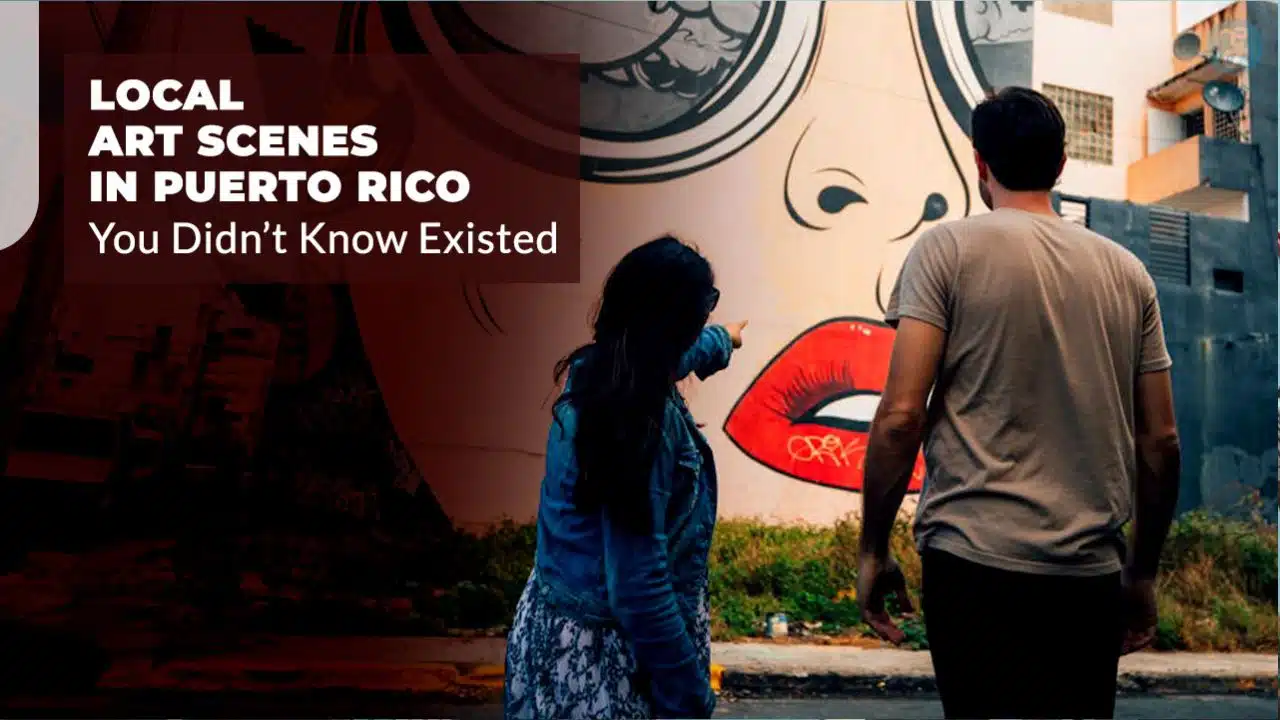
Most travelers stick to Old San Juan’s tourist spots and miss Puerto Rico’s hidden art treasures. Puerto Rico hosts over 50 active art communities that showcase everything from ancient Taíno petroglyphs to vibrant street murals.
This guide reveals 11 local art scenes where you can discover authentic Puerto Rican culture, meet talented local artists, and see incredible works that most visitors never find. Get ready to explore art like a true Boricua.
Key Takeaways
- Puerto Rico hosts over 50 active art communities beyond Old San Juan’s tourist areas, featuring authentic local culture and talented artists.
- Santurce Street Art District transforms walls into colorful stories celebrating Puerto Rican identity through the “Santurce es ley” movement.
- Loíza preserves centuries-old Afro-Caribbean traditions through bomba music, vejigante masks, and ancestral crafts passed down through generations.
- Caguana Ceremonial Park displays 800-year-old Taíno petroglyphs across ten stone-lined ball courts, representing Puerto Rico’s oldest artistic expression.
- Santos de Palo woodcarving tradition creates hand-carved religious statues using native cedar and mahogany, blending Spanish colonial and local artistry.
What makes Santurce Street Art District unique?
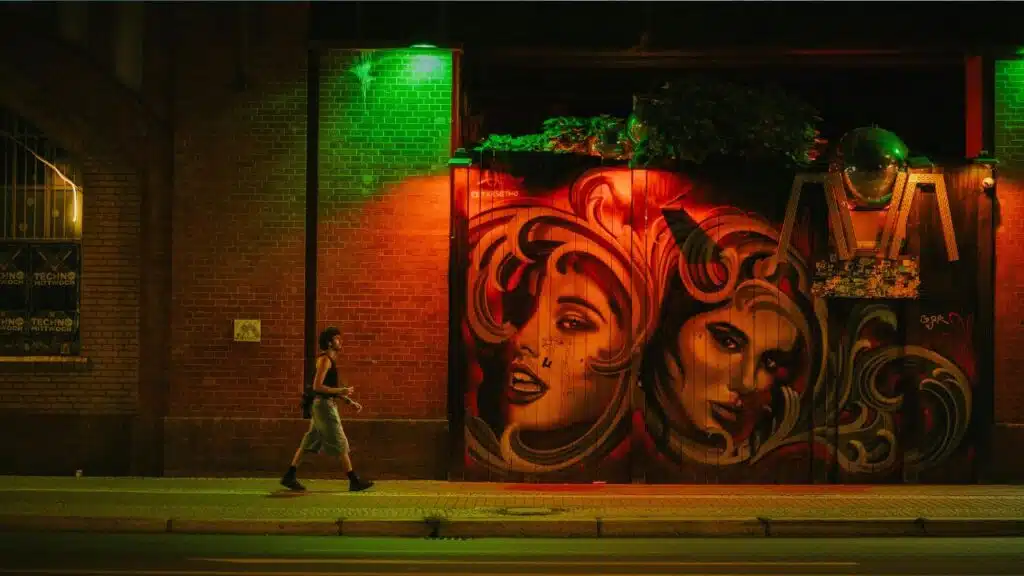
Santurce street art transforms ordinary walls into colorful stories. Artists paint murals that speak about puerto rican culture and caribbean culture. Each piece tells a different tale.
Some show local history. Others celebrate puerto rican identity. The district pulses with artistic expression that you won’t find anywhere else on the island.
Street art here goes beyond simple graffiti. Local artists create massive works that cover entire building sides. Santurce es ley became a movement that changed how people see urban art.
The neighborhood now draws visitors from around the world. They come to see how puerto rican art mixes with contemporary art styles. Walking through these streets feels like visiting an outdoor museum that never closes.
What can you see at Museo de Arte de Puerto Rico in San Juan?
The Museo de Arte de Puerto Rico in San Juan houses the island’s most impressive art collection. You’ll find works spanning five centuries of puerto rican culture and caribbean culture.
The museum showcases pieces by Francisco Oller, including his famous painting “El Velorio.” This masterpiece captures puerto rican identity through vivid scenes of local life. Rafael Tufiño’s prints and paintings fill several galleries.
His work celebrates the everyday people of Puerto Rico. Lorenzo Homar’s graphic designs show how local artists shaped visual culture across the island.
Contemporary art takes center stage in the museum’s modern wings. Daniel Lind-Ramos creates powerful sculptures using found materials from puerto rico’s beaches and streets. His pieces speak to afro-puerto rican heritage and environmental themes.
Pepón Osorio’s installations blend folk art with social commentary. The sculpture garden outside features works by both established and emerging puerto rican artists. Interactive exhibits let visitors explore the history of art in puerto rico through digital displays and hands-on activities.
The museum’s collection proves that san juan’s artistic expression runs much deeper than most people realize.
How does Loíza preserve Afro-Caribbean artistic traditions?
Loíza pulses with the heartbeat of Afro-Caribbean culture, where ancient traditions dance through modern streets. This coastal town serves as Puerto Rico’s cultural crown jewel, preserving artistic expressions that stretch back centuries.
Local artists here don’t just create art, they breathe life into ancestral stories. Traditional bomba music fills the air while master craftsmen carve wooden masks for vejigante celebrations.
These colorful devil masks represent a fusion of African, Spanish, and Taíno influences that makes puerto rican culture so rich.
Artisans in Loíza pass down their skills like family heirlooms, teaching children to weave palm fronds and paint vibrant murals. The town’s workshops buzz with activity as creators shape clay pottery using techniques their great-grandparents perfected.
Street corners transform into galleries where caribbean culture comes alive through bold paintings and sculptures. Community festivals showcase these artistic traditions, turning every celebration into a living museum where puerto rican identity shines brightest.
What is special about Calle Cerra’s urban art scene?
Calle Cerra stands as one of Puerto Rico’s most exciting street art destinations. This vibrant neighborhood transforms ordinary walls into stunning canvases that tell stories of puerto rican culture and identity.
Local artists gather here to create bold murals that speak to the community’s heart. The area pulses with energy as painters, sculptors, and graffiti artists work side by side. Each piece reflects the neighborhood’s spirit and the broader caribbean culture that shapes the island.
Artists here don’t just paint pretty pictures. They tackle social issues, celebrate heritage, and give voice to the community’s dreams. The walls become a living gallery where artistic expression flows freely.
Visitors can walk these streets and discover new pieces around every corner. This urban art scene connects deeply with movements like santurce es ley, showing how street art builds bridges between neighborhoods.
The creativity here proves that public art can change how people see their own community.
What are the notable sculptures at Ponce’s Plaza Las Delicias?
Plaza Las Delicias stands as the crown jewel of the southern city of Ponce, showcasing remarkable sculptures that tell Puerto Rico’s story. The famous Parque de Bombas, painted in bold red and black stripes, anchors this historic square with its Victorian architecture.
Lions guard the plaza’s corners, their bronze forms watching over daily life since the early 1900s. These majestic creatures represent strength and pride, values deeply rooted in puerto rican culture.
Fountains dance throughout the plaza, their sculptural elements blending water with art in perfect harmony. The central fountain features intricate carvings that celebrate caribbean culture and local heritage.
Statues of prominent Puerto Ricans dot the landscape, honoring leaders who shaped the island’s destiny. Each sculpture captures a moment in time, from Taíno influences to Spanish colonial periods.
Visitors often pause at the monument dedicated to local heroes, reading plaques that share stories of courage and determination. The plaza’s artistic expression creates an outdoor museum where history comes alive through stone and metal.
Rincon hides art studios in places you’d never expect to find them. Local artists work in converted garages, beachside shacks, and tucked-away corners across this surf town.
- Casa Verde Art Studio sits on Road 413, just past the main plaza, where painter Maria Santos creates vibrant ocean scenes in her converted garage space.
- Beachfront workshops line Playa Domes, where sculptors shape driftwood and sea glass into Caribbean-inspired pieces while waves crash nearby.
- The Old Sugar Mill on Calle Munoz Rivera houses three artists who transform this historic space into a pottery and ceramics workshop.
- Backyard studios scatter throughout Barrio Puntas, where local families rent small spaces to painters and craftspeople for affordable monthly rates.
- Converted shipping containers near Steps Beach serve as mobile art spaces where artists create santos de palo and traditional wood carvings.
- Residential garages in Barrio Ensenada open their doors on weekends, revealing hidden galleries where photographers display surf culture images.
- The Community Center basement on Road 115 transforms into evening art classes where residents learn traditional Puerto Rican painting techniques.
- Clifftop cabins above Tres Palmas offer stunning ocean views where artists paint seascapes and capture Rincon’s natural beauty on canvas.
What is the significance of Taíno petroglyphs at Caguana Ceremonial Park?
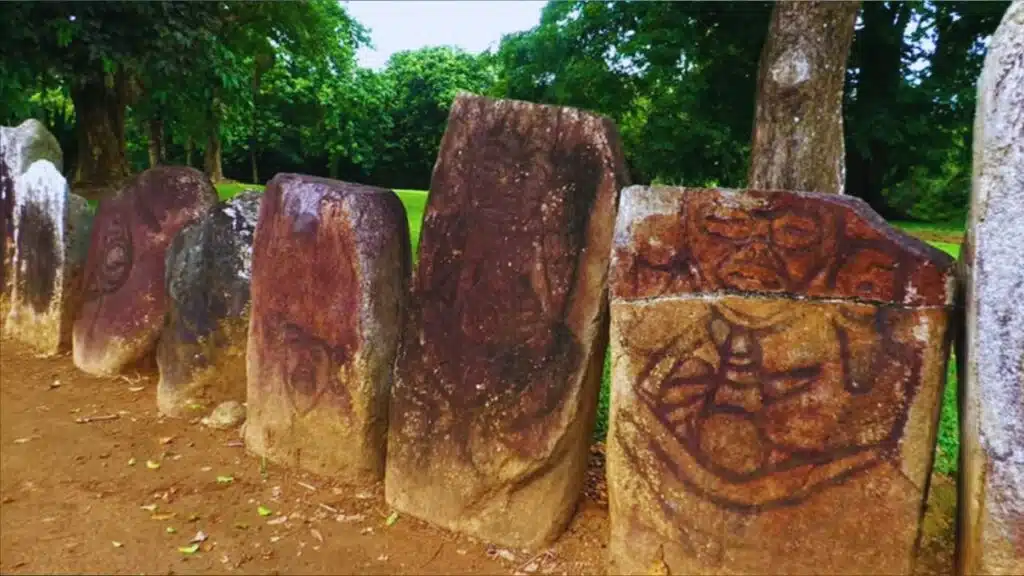
Caguana Ceremonial Park holds some of Puerto Rico’s most important Taíno art treasures. Ancient petroglyphs cover massive stone surfaces throughout this sacred site in Utuado. These rock carvings tell stories of the Taíno people who lived here over 800 years ago.
Each symbol carved into the stone represents their beliefs, ceremonies, and daily life. The petroglyphs show faces, animals, and spiritual figures that connected the Taíno people to their gods and nature.
This ceremonial center served as a gathering place for multiple Taíno communities across the island. The Institute of Puerto Rican Culture protects these ancient artworks today. Visitors can walk among ten stone-lined ball courts where the Taíno people played their sacred game.
The petroglyphs at Caguana offer a direct link to Puerto Rican culture before Spanish colonization. These stone carvings represent the oldest form of artistic expression found on the island, making them priceless pieces of Caribbean culture and cultural heritage.
Why are the murals of Cangrejos so vibrant?
Cangrejos pulses with color like a living canvas. Artists here draw from deep wells of puerto rican culture, mixing bold Caribbean hues with stories of struggle and triumph. The neighborhood’s walls tell tales through paint, spray, and brush strokes that dance across concrete surfaces.
Local artists pour their hearts into every mural, creating public art that speaks to both residents and visitors. These vibrant works reflect the community’s spirit, with each piece serving as a window into caribbean culture and daily life.
Street art in Cangrejos goes beyond decoration. The murals serve as cultural heritage markers, preserving memories and celebrating puerto rican identity through artistic expression.
Bright yellows clash with electric blues, while deep reds blend into sunset oranges. Artists often work together, sharing techniques and inspiration that fuel their creative fire. The result is a neighborhood where every corner offers something new to discover, making Cangrejos a hidden gem in Puerto Rico’s thriving art scene.
What defines San Germán’s historic art scene?
San Germán’s historic art scene comes alive through its colonial buildings and religious artwork. This charming town holds Puerto Rico’s second-oldest church, where centuries-old paintings tell stories of faith and culture.
Local artists work in studios tucked between cobblestone streets, creating pieces that blend traditional techniques with modern themes. The town’s baroque architecture serves as a living canvas, inspiring painters and sculptors who call San Germán home.
Art galleries line the historic plaza, showcasing works that celebrate puerto rican identity through bold colors and native symbols. Visitors discover murals painted on weathered walls, each telling tales of the town’s rich past.
Craftspeople here specialize in wood carving and ceramic work, skills passed down through generations. The artistic expression flows naturally from San Germán’s role as a cultural heritage site, where every corner whispers stories of Caribbean culture and artistic tradition.
Who are the local artisans of Hatillo and what do they create?
Hatillo’s artisans work with their hands to create beautiful santos de palo, carved wooden saints that tell stories of puerto rican culture. These skilled craftspeople use local wood to shape religious figures that families pass down for generations.
Their workshops fill with the scent of cedar and mahogany as they carve, sand, and paint each piece with care.
Local artists in this mountain town also weave traditional baskets from palm fronds and create pottery using clay from nearby hills. Many artisans learned their craft from parents and grandparents, keeping old techniques alive in modern times.
You can find their work at small galleries throughout Hatillo, where each piece reflects the deep cultural heritage of puerto rico’s countryside.
What is the Santos de Palo tradition in Puerto Rican craftsmanship?
Santos de Palo represents one of Puerto Rico’s most treasured artistic expressions. This woodcarving tradition dates back centuries, blending Spanish colonial religious practices with local artistic flair.
Skilled craftsmen, called santeros, hand-carve small wooden statues of Catholic saints from native woods like cedar and mahogany. Each santo tells a story through intricate details carved into the wood.
Families pass down these carving techniques from generation to generation, keeping puerto rican culture alive through their hands. The santos serve as both religious icons and works of art in Puerto Rican homes.
Many collectors worldwide prize these handmade pieces for their spiritual significance and artistic beauty.
Local artists in towns like Hatillo continue this sacred craft today, creating santos that reflect contemporary puerto rican identity while honoring ancient traditions. The carving process requires patience and deep spiritual connection to the subject matter.
Santeros often spend weeks perfecting a single piece, carefully shaping facial expressions and clothing details. These wooden saints appear in museums across the island, including displays that celebrate caribbean culture and artistic expression.
The tradition connects modern Puerto Rico to its colonial past while providing income for skilled artisans. Each santo carries the maker’s personal touch, making every piece a one-of-a-kind treasure that speaks to the island’s rich cultural heritage.
Takeaways
Puerto Rico’s art scenes paint a vibrant picture beyond the tourist trails. Local artists breathe life into forgotten corners, turning walls into canvases and plazas into galleries.
Street art in Santurce tells stories, while Loíza keeps Afro-Caribbean traditions alive through bold colors and rhythmic patterns. These hidden gems showcase puerto rican culture at its most authentic, raw, and beautiful.
FAQs
1. Where can I find the best street art in Puerto Rico?
Santurce street art takes the crown, hands down. The Santurce es Ley festival transforms walls into masterpieces, while Los Muros Hablan brings voices to the neighborhood. You’ll spot incredible urban art along Calle Cerra and throughout this vibrant district.
2. What makes Puerto Rico’s art scene different from other Caribbean islands?
Puerto Rican culture blends Taíno, Spanish, and African roots into something special. Local artists weave Puerto Rican identity into every brushstroke, creating contemporary art that speaks to the island’s soul. This mix of cultural heritage sets Puerto Rico apart from its Caribbean neighbors.
Absolutely! Loíza pulses with Afro-Caribbean artistic expression that’ll blow your mind. Ponce houses the famous Museo de Arte de Ponce, including the stunning Flaming June painting. Towns like Caguas, Humacao, and even tiny Lajas have local galleries tucked away like hidden treasures.
4. Can I see public art while walking around Old San Juan?
Old San Juan serves up public art on every corner. Paseo de la Princesa showcases sculptures that tell Puerto Rico’s story. The cobblestone streets themselves become canvases where history meets modern artistic expression.
5. What’s the deal with Museo de Arte de Puerto Rico?
This gem in Santurce houses Puerto Rico’s most important art collection. The sculpture garden outside offers a peaceful spot to soak in Caribbean culture. It’s where you’ll find everything from colonial pieces to cutting-edge contemporary art.
6. Are there art scenes in smaller Puerto Rican towns?
Small towns pack big artistic punches! Coamo, Barranquitas, and Sabana Grande host local artists who capture rural Puerto Rican life. You’ll find galleries mixed with eateries and dining spots, creating cultural hubs that celebrate community creativity.





















