Do you manage a warehouse or run a delivery fleet and still feel in the dark? You chase trucks like kids chase ice cream trucks, track down pallets, and miss key updates. A lack of supply chain visibility drives costs up and cuts into profits.
IoT devices can slash logistics costs by 50 percent and boost operational efficiency by 30 percent. In this post, we cover seven smart devices, from GPS trackers and low-power wide-area network tags to smart charging stations.
We show how to gain real-time tracking, improve predictive maintenance, and guard your cold chain shipments. Read on to see how.
Key Takeaways
- IoT devices can cut logistics costs by 50% and boost operational efficiency by 30%.
- Real-time asset trackers (GPS, LoRaWAN, NB-IoT, Sigfox, RFID) cut stock levels by 15%, yield $1.4 billion yearly in loss-prevention savings, and save $1,000 in fuel per truck per year.
- Predictive maintenance sensors (vibration meters, thermal cameras, acoustic detectors) spot faults early, trim downtime, and avoid 20% of supply chain disruptions.
- Maersk’s cold-chain IoT sensors monitor temperature and humidity on every pallet 24/7, trigger mobile alerts above 40°F, meet FDA/USDA rules, and prevent spoilage.
- Smart charging stations and eco-friendly gas detectors from ByteSnap cut warehouse energy use by up to 25%, balance grid load to lower power bills, and support green logistics.
Real-Time Asset Tracking Devices

Smart tags and trackers hook into IoT sensors for real-time asset tracking. These devices use LoRaWAN, NB-IoT, or Sigfox to beam data across long distances. GPS trackers and RFID tags lock onto exact positions.
Cellular links step in when other signals drop. Environmental sensors keep watch on temperature, humidity, and shock. This setup drives supply chain visibility from warehouse doors to customer desks.
Companies slash stock levels by 15 percent thanks to automated reorders and real-time data. It also cuts losses and theft with GPS and RFID loss prevention alerts. Alert systems score $1.4 billion in savings each year with instant security notices.
They lift customer satisfaction by 25 percent through accurate ETAs and quick issue signals. This constant data stream links with predictive analytics and route planners that save $1,000 in fuel per truck annually.
Smart Warehouse Automation Systems
Robots stack and sort boxes around the clock in warehouses. IoT-powered robotics cut errors on shelves and boost operational efficiency. Automated guided vehicles use SLAM tech to map and roam between racks.
RFID tags and computer vision join forces to track stock in real time. Weight sensors in shelving trigger LED guidance that speeds up picking. Machine learning algorithms run layout tests and tweak space use on demand.
Predictive maintenance sensors listen to motors and spot wear early.
Computerized processes drive automated inventory management and scheduling. They cut human error and stockouts in supply chains. Warehouse management platforms link to cloud dashboards for live supply chain visibility.
IoT systems alert teams about low shelves or forklift issues. Shelves ping staff with weight alarms the second goods slip below thresholds. Analytics from computer vision cameras help teams optimize pick paths.
Maintenance sensors watch robot motors and warn about downtime. This mix of tools lifts order speed and customer satisfaction.
Intelligent Fleet Management Tools
IoT sensors link trucks to a transportation management system (TMS). Telematics devices and GPS trackers feed real-time data into route optimization and load balancing tools. Fleet managers view engine health, driver hours, and cargo status on a live map.
ByteSnap designs rugged modules for jolts and dust in transit. This mix of tools boosts supply chain visibility and operational efficiency.
AI modules scan driver behavior and signal safety alerts at once. Machine learning algorithms forecast demand and plan capacity so trucks run full. Predictive maintenance cuts maintenance costs and avoids breakdowns.
Teams share accurate ETAs and live updates to boost customer satisfaction. Fuel use drops and fleets shrink emissions for greener logistics.
Predictive Maintenance Sensors for Equipment
Smart devices scan machines, spotting small shakes and hot spots. Shake meters track vibration analysis in real time. Heat vision cams use thermal imaging to flag high temperatures.
Sound detectors, acting as acoustic sensors, pick up strange buzzes. Operators gain real-time data from an Internet of Things (IoT) platform, boosting supply chain visibility.
A predictive maintenance tool applies machine learning to set service dates. It automates alerts and shifts work to off-peak hours, cutting downtime. That move improves operational efficiency, extends equipment lifespan, and trims costs.
Teams link alerts to inventory management, stocking parts before any breakdown. They nip failures in the bud.
IoT-Based Cold Chain Monitoring Solutions
IoT sensors track temperature inside every pallet, using tiny nodes on crates. Temperature sensors and humidity sensors feed real-time data to a cloud platform. Maersk uses this setup to monitor perishable cargo 24/7.
If a truck veers above 40 degrees, it triggers an instant mobile alert stopping spoilage. Integrating RFID tags boosts inventory management and gives supply chain visibility end-to-end.
Edge computing handles alerts near the source, cutting latency and boosting operational efficiency. Drivers get clear warnings on a simple dashboard. They act fast, saving pharmaceuticals and food products from ruin.
Quality control relies on precise readings from each shipment. Machine learning algorithms spot small shifts before they become big problems. Logistics teams set compliance thresholds to match FDA and USDA rules.
A sentry in each container flags a breach and sends auto alerts through satellite or cellular networks. Such tracking cuts risks, slashes product loss, and boosts customer satisfaction.
Companies gain transparency in supply chain and meet audits with fewer headaches. Real-time monitoring solution cuts cost and builds trust in every link of the transport chain.
Environmental Monitoring Devices for Sustainability
Environmental monitoring devices track air quality and temperature inside trucks and warehouses. Emission detectors feed real-time data into analytics engines. The internet of things (IoT) links these smart sensors to edge computing nodes.
They support sustainability goals and improve operational efficiency. ByteSnap crafts eco-friendly gas detectors with IoT technology. Gas detectors track emissions, helping firms cut their carbon footprint.
Teams gain supply chain visibility and cost reduction. Systems provide predictive maintenance alerts for equipment health.
Warehouse energy controllers adjust lighting and HVAC based on occupancy sensors. They cut power use by up to 25 percent, boosting reliability. Emissions-tracking sensors help firms meet green logistics targets and comply with evolving standards.
These tools sync with transportation management systems and automated inventory management systems. Logistics managers get end-to-end visibility and real-time monitoring. This drives better customer satisfaction.
AI-Driven Data Analytics Platforms for Logistics
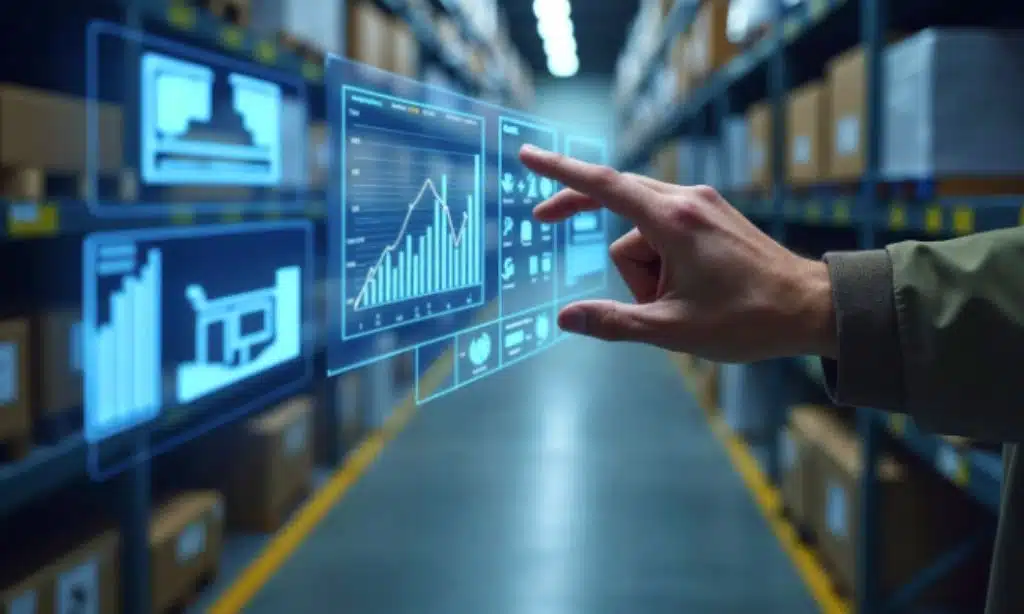
AI-driven data analytics systems use real-time data from IoT sensors and RFID tags to build detailed supply chain visibility. Engineers send data into deep neural networks. They apply ensemble methods in cloud-hosted platforms like Azure IoT Hub or AWS IoT Core.
These tools run predictive analytics and time series analysis to forecast demand with 95 percent accuracy. It feels like a crystal ball for managers. Staff adjust routes via dynamic routing when traffic shifts, cutting delivery times by 15 percent.
Logistics firms gain end-to-end visibility on inventory and vehicles via transportation management systems and Apache Spark dashboards. Data-driven insights trigger predictive maintenance alerts for machinery, removing supply chain disruptions by twenty percent.
Sensors track temperature, humidity and vibration. This proactive monitoring raises uptime and cuts repair costs. Staff enjoy 99 percent accuracy in inventory management.’\.
Smart Charging Stations for Electric Logistics Vehicles
Smart charging stations use power electronics and IoT connectivity to link electric trucks with grid services. A circuit board called the Versinetic MantaRay Smart Charge Point Communications Controller handles both AC and DC charging tasks.
This PCB supports OCPP 2.0 and ISO 15118 standards for vehicle-to-grid interactions. Managers watch real-time data on charging sessions, load distribution, and energy costs through remote dashboards.
IoT sensors report voltage, current, and temperature for tight energy management.
Fleet operators cut energy bills with intelligent balancing. Controllers shift power across chargers to avoid spikes and high fees. Each station gets over-the-air updates to boost functions without field visits.
Managers view station health from any browser and fix faults before trucks sit idle. These units add real-time data and supply chain visibility to every depot.
Takeaways
This toolkit includes RFID tags, shelf bots, charge stations, cold pack sensors, and health gauges. They tap 5G signals, low power wide area links, and edge computing nodes for live updates.
You spot cargo slowdowns, head off malfunctions with early checks, and trim fuel use with route planners. Logistics teams combine digital twins, blockchain and telemetry systems to boost visibility and speed.
Businesses slash costs, they move goods faster, and they thrill customers.
FAQs on Internet of Things (IoT) Devices Transforming Logistics
1. What is an internet of things device in logistics?
An internet of things device is a smart gadget. It links trucks, pallets, or warehouses to the web and sends real-time data on location, speed, and load. This builds supply chain visibility. Teams can spot delays fast. It is like giving your supply chain a pair of eyes.
GPS trackers send live location to a transportation management system, or TMS. Radio tags, or RFID tags, scan each pallet in a moment. They feed real-time tracking data into fleet management systems. This boosts transparency in supply chain, speeds customs clearance, and lifts customer satisfaction.
3. Can smart sensors help with predictive maintenance?
Yes, IoT sensors and edge computing log machine health in real time. Machine learning algorithms spot wear and tear early, nipping trouble in the bud. Teams fix gear before it breaks. This cuts downtime in fleets and warehouses.
4. How do IoT devices streamline inventory management?
IoT in logistics links stock to software and automates manual checks. Smart gadgets use RFID tags to count items, they send real-time updates. This frees staff from time pressed head counts. It also fine tunes demand forecasting and cuts waste.
5. What role do autonomous vehicles play in the logistics industry?
Autonomous vehicles, like driverless rigs, use sensors and AI to steer cargo. They pick the best path with route optimization, cutting fuel use and idle time. These self guided haulers keep fleets moving day and night. That raises operational efficiency and eases driver gaps.
6. How does IoT help with temperature monitoring and environmental monitoring?
IoT sensors watch heat and humidity around the clock, they act like a guard dog for your cargo. They trigger alerts if cold chains break. This protects food, medicine, and art in transit. Teams gain peace of mind.