Connecting with your family today feels like a real challenge. Kids often spend hours on phones and tablets, parents feel drained after long workdays, and it’s easy for everyone to drift into their own digital worlds.
You want to build a close, fun family, but the glow of screens seems to pull everyone apart.
Entertainment Cwbiancaparenting offers a smarter way forward. It’s an approach that blends fun activities with powerful teaching moments, turning potential conflict over screen time into an opportunity for connection.
This guide will show you exactly how to use games, apps, and even video calls to bring your family together, build essential life skills, and make your home a more joyful, connected space.
What is Entertainment Cwbiancaparenting?
Entertainment Cwbiancaparenting is a modern approach that uses shared fun as a tool for learning and connection. Instead of parents and kids engaging with media separately, they team up. Families don’t just watch shows or play games in isolation; they share these experiences and talk about them, creating natural moments to teach and bond.
Definition and Concept
At its core, entertainment cwbiancaparenting means using the media and games your kids already love as intentional teaching tools. Instead of simply setting limits, you join in. You might watch a movie and pause to talk about a character’s tough decision or play a video game side-by-side, working together to solve a puzzle.
This philosophy emerged from the reality that technology is an integral part of modern childhood. Rather than fighting a losing battle against screens, this approach leverages them for good. A YouTube video about space can become a fascinating science lesson. A TikTok dance challenge can turn into a fun-filled family activity. Even a simple deck of cards can become a tool for practicing patience and good sportsmanship.
The beauty of this method is its accessibility. It doesn’t require expensive gadgets or high-speed internet. The focus is on being present and engaged, guiding your children through both digital and real-world activities with a shared sense of purpose.
Key Pillars: Entertainment, CWB, Parenting
This parenting style is built on a few core ideas that work together to create a connected and thriving family environment.
- Shared Entertainment: This pillar transforms solo screen time into a group event. Families play cooperative video games like Overcooked 2, where teamwork is essential for success. Educational apps become group challenges, turning learning into a shared victory.
- Connected Well-Being (CWB): This focuses on emotional and mental health. Kids learn to identify and express their feelings during a competitive board game night. Parents model resilience and good sportsmanship when they lose. These moments build emotional intelligence in a low-pressure, supportive setting.
- Smart Tech Integration: Technology is used wisely to enhance family life. Voice assistants like Alexa or Google Assistant can help with homework, settle debates with quick facts, or even run a family trivia game. Tablets can become shared canvases for digital art, and weekly video calls keep distant relatives like grandparents involved in the family’s daily life.
- Multigenerational Fun: Activities are designed to include everyone, from the youngest child to the oldest grandparent. Grandparents can teach classic card games, while kids can introduce adults to new apps or popular trends from social media, ensuring everyone has something to contribute.
The Framework of Entertainment Cwbiancaparenting

The framework provides a clear path for families to blend entertainment with intentional parenting. It’s built on five core pillars, each offering practical strategies to help your family connect and grow.
The 5-Pillar Model
These five pillars are the foundation of entertainment cwbiancaparenting, each contributing to a stronger, more connected family unit.
- Co-Viewing as Connection: This means actively watching and playing together. A 2024 meta-analysis confirmed that when parents co-use digital media with their children, it significantly supports learning and understanding. Instead of your child watching alone, sit with them and ask questions. Try interactive shows on platforms like Netflix where you can make choices together. These shared moments create lasting memories and open lines of communication.
- Play as a Teaching Tool: This pillar turns learning into a game. A 2024 study highlighted that game-based learning models are effective at enhancing problem-solving skills and engagement in children. Board games like “Ticket to Ride” teach strategy and planning, while apps such as Prodigy Math make practicing fractions feel like an adventure. The key is that kids are learning without feeling like they’re in a classroom.
- Creating, Not Just Consuming: This encourages families to become makers. Instead of passively watching videos, start a family YouTube channel about a shared hobby. Use free, user-friendly software like Audacity or GarageBand to record a family podcast where kids interview their grandparents. This shifts the dynamic from consumption to active, collaborative creation.
- Mindful Digital Use: This is about using technology with intention. The American Academy of Pediatrics recommends families create a Family Media Plan to set clear boundaries. Use built-in tools like Apple’s Screen Time or Google’s Family Link to monitor usage and establish tech-free times, like during meals. When rules are created and agreed upon together, they are more likely to be respected.
- Multigenerational Participation: This pillar brings everyone into the fold. Research shows that intergenerational activities boost self-esteem in children and provide older adults with a renewed sense of purpose. Host a family game night with something like Jackbox Games, where smartphones become controllers, making it easy for all ages to participate. Let kids teach grandparents how to use emojis, and let grandparents share stories from their youth. Everyone becomes both a teacher and a student.
Real-life Applications of Entertainment Cwbiancaparenting

Families from all walks of life are successfully applying these principles. Whether you live in a tech-filled city apartment or a rural home with limited connectivity, this approach is adaptable to your unique circumstances.
The Tech-Savvy Urban Family
Consider a city-dwelling family with two working parents and kids ranging from six to fourteen. They designate one night a week as “Tech Together Tuesday.” On this night, they engage in cooperative video games that require teamwork, like building a shared world in Minecraft or running a chaotic kitchen in Overcooked.
To manage screen time battles, they use a shared digital board like Trello to propose and vote on the next family movie. This approach gives everyone a voice and a sense of ownership. The oldest child might take charge of filming and editing a short video of their activities, while the youngest gets to choose the next educational app for the family to try, like Khan Academy Kids, which is great for ages two to eight.
This setup masterfully teaches collaboration, negotiation, and compromise. By turning screen time into a structured, shared activity, the family argues less and connects more, all while building valuable digital literacy skills.
The Homeschooling Rural Family
Now, picture a family living far from town with inconsistent internet. They make entertainment cwbiancaparenting work by planning ahead. During weekly trips to the library, they download a variety of educational podcasts and shows onto a tablet. Acclaimed podcasts like Wow in the World or Brains On! provide hours of engaging, screen-free learning content they can enjoy at home.
Once a month, they hold a “Creation Week.” The family works together to write a short play, create costumes from household items, and perform it in the living room. This activity fosters creativity, storytelling, and public speaking skills without needing any technology at all.
During power outages, the learning continues with analog tools. They play classic card games by flashlight or use Rory’s Story Cubes to invent imaginative tales together. These low-tech activities are powerful builders of creativity and resilience, proving that a strong family connection doesn’t depend on a Wi-Fi signal.
Activities and Results
Putting entertainment cwbiancaparenting into practice doesn’t require complex planning or expensive gear. Simple, consistent activities can lead to significant positive changes in your family’s dynamic and your children’s development.
Key Activities and Outcomes
By incorporating these activities into your routine, you can foster connection while building crucial life skills.
- Family Podcast Club: Listen to educational podcasts like Smash Boom Best during car rides or while making dinner. Discussing the episodes helps children develop listening skills and the ability to form and defend an opinion.
- Monthly Creation Challenges: Dedicate one weekend a month to a creative project. Build an elaborate fort, paint a mural together, or write a collaborative story. This nurtures creativity and teamwork.
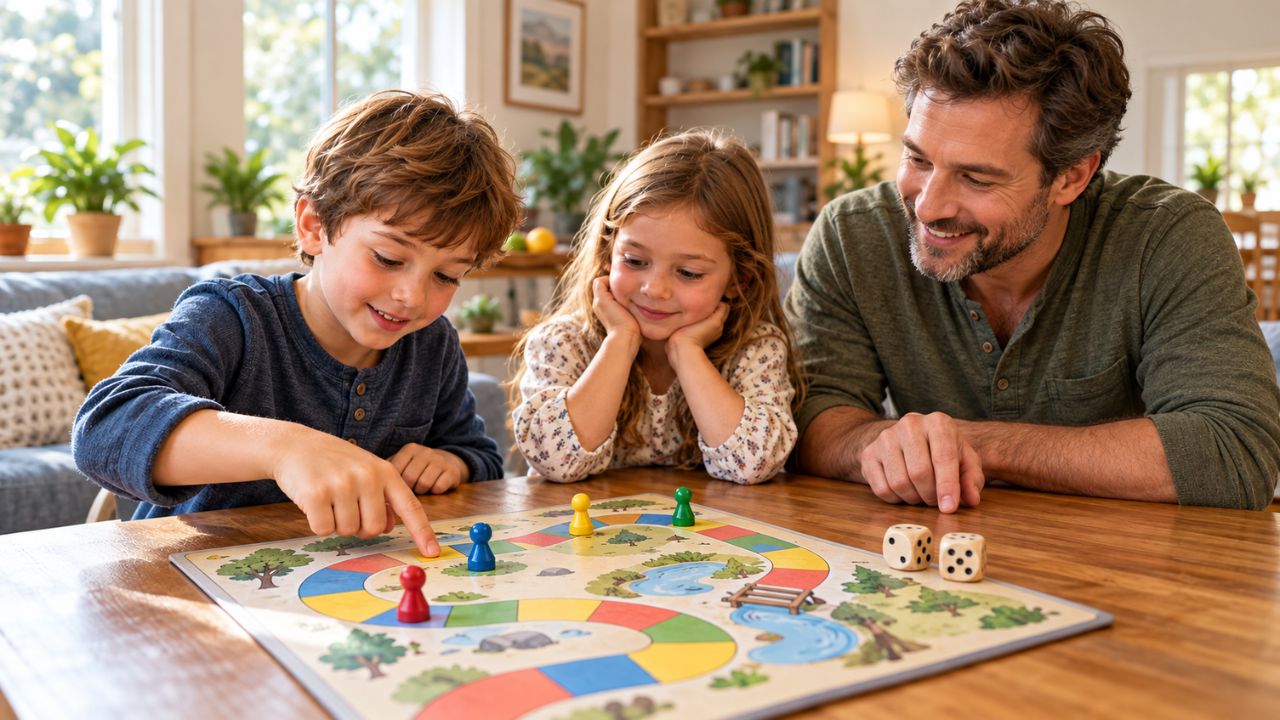
- Educational Game Nights: Swap out a regular board game for one that reinforces learning. Games like “Math War” or “Sight Word Go Fish” make practice feel like play. For older kids, a strategic game like “Settlers of Catan” teaches resource management and negotiation.
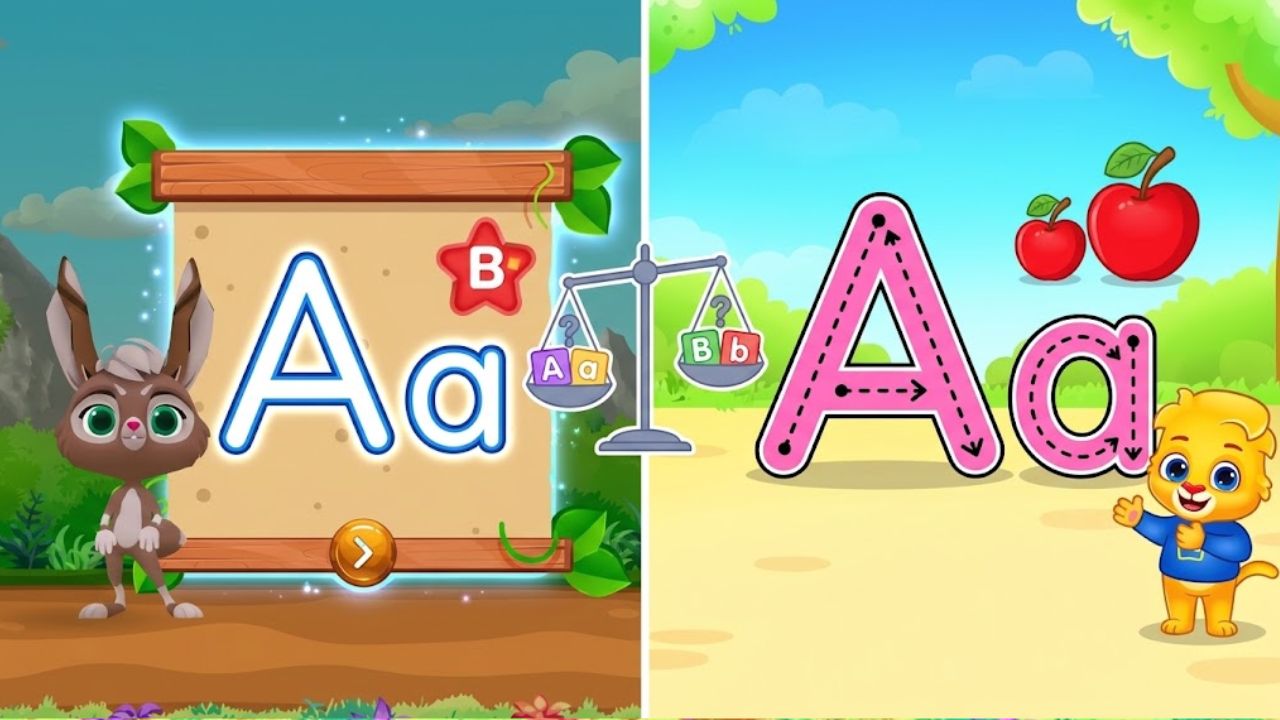
- Co-Play with Educational Apps: When it’s tech time, sit with your child and engage with high-quality educational apps like Duolingo ABC or Moose Math. Your presence provides support and turns a solo activity into a shared learning experience.
- Weekly “Feelings Check-In”: Hold a brief family meeting to talk about the highs and lows of the week. This builds emotional literacy and creates a safe space for children to share their feelings.
The consistent practice of these activities yields profound results. Children become more adept at expressing their emotions, parents gain deeper insight into their children’s interests, and the entire family learns to navigate challenges with greater patience and collaboration.
Multigenerational Home Profile and Approach
In a home shared by three generations, entertainment cwbiancaparenting becomes a powerful bridge. Grandparents, parents, and children aged five to seventeen can create unique learning opportunities together.
A weekly movie night could feature a classic film chosen by a grandparent. Afterward, a teenager can lead a discussion using prompts to explore how societal values have changed. This simple activity validates everyone’s experiences and fosters mutual respect.
The dining table can transform into a creative hub. A grandparent might teach a classic card game, which research shows can improve skills like working memory and planning. In return, the teenagers could use a free app like Canva to turn their grandparent’s childhood stories into a digital comic book, with the younger kids helping to choose colors and add text.
A new tradition, the “Culture Swap,” can be introduced weekly. Each family member shares something meaningful from their generation, a favorite song, a classic TV show, or a popular YouTube video. This simple ritual teaches everyone to listen respectfully and appreciate different perspectives, strengthening the bonds that tie the family together.
Psychology and Developmental Principles

The effectiveness of entertainment cwbiancaparenting is supported by well-established principles of child development. When families engage in interactive activities, it stimulates brain development, enhances learning, and builds crucial social-emotional skills.
Cognitive and Developmental Psychology Basis
This approach leverages a concept that researchers at Harvard’s Center on the Developing Child call “serve and return.” When a child “serves” by pointing at something or asking a question, and a parent “returns” with a responsive, engaged answer, critical neural connections are built. Co-viewing a show or playing a game together creates countless opportunities for these brain-building interactions.
Learning is most effective when it is active, not passive. Watching a video alone can condition a child’s brain to expect constant entertainment. However, when you participate with them, their brain connects effort with reward. A challenging level in a game or a tricky puzzle in an app becomes a fun problem to solve together, building persistence and focus.
According to the Center on the Developing Child at Harvard University, these back-and-forth interactions are essential for building the foundation of a child’s brain architecture and promoting healthy development.
Focus on Executive Functioning and Empathy
Executive functions are the critical brain skills that manage focus, planning, and self-control. Research shows that playing board and card games is a highly effective way to strengthen these abilities.
Think about the skills required for a simple game:
- Planning: Deciding your next move in checkers.
- Working Memory: Remembering the cards that have been played in Uno.
- Impulse Control: Waiting for your turn and managing frustration when you lose.
Empathy grows from shared experiences and conversations. When you pause a movie to ask, “How do you think that character feels?” you are teaching your child to consider others’ perspectives. When the family collaboratively sets rules for screen time, children learn compromise and see that their parents’ needs and feelings are also part of the equation. These daily interactions are the building blocks for developing strong critical thinking and social-emotional skills.
Takeaways
You can start bringing the benefits of entertainment cwbiancaparenting into your home today. Just pick one small, simple activity from this guide and give it a try tonight.
Play one quick card game after dinner or watch a 20-minute show together, without any other distractions. See how it feels to connect and laugh while learning.
These small, intentional moments compound over time, leading to big changes. Kids develop stronger thinking skills and emotional resilience through shared play. Parents stay tuned in to their children’s digital worlds, and grandparents get to share their wisdom while learning new things themselves.
You don’t need a perfect plan. A deck of cards, a free app, and your own imagination are more than enough. The most important thing is your presence and participation.
When you play, learn, and create together, you build a stronger, more resilient family. Your home can be a place where fun and purpose meet, and where screen time becomes quality family time.
FAQs on Entertainment CWbiancaparenting
1. What is entertainment cwbiancaparenting, and how does it change family fun?
Entertainment cwbiancaparenting is a method that blends fun activities with intentional parenting. It uses tools like board games, educational apps, and shared screen time to create opportunities for teaching emotional regulation, critical thinking, and other life skills in a connected, enjoyable way.
2. How can parents use board games to build emotional literacy in children?
Board games provide a natural practice ground for essential emotional skills. They teach children how to handle winning and losing gracefully, wait their turn patiently, and work as a team. When families play together, it opens the door for conversations about feelings in a low-pressure environment.
3. Why do educational apps matter in modern parenting?
High-quality educational apps provide interactive and engaging ways to teach skills like problem-solving and empathy. According to a 2025 market analysis, 74% of teachers use digital game-based learning to enhance their lessons because it boosts student engagement. Apps like Khan Academy Kids or Duolingo ABC can supplement school learning while feeling like play.
4. Can entertainment cwbiancaparenting really help with critical thinking at home?
Yes. By co-viewing shows and discussing characters’ choices, or by strategizing together in a game, you encourage your children to think more deeply. This approach helps kids analyze situations, consider consequences, and ask thoughtful questions, all while strengthening family bonds.