Traveling can be an exciting and transformative experience, offering opportunities to explore new cultures, meet interesting people, and create lasting memories. However, with adventure comes the responsibility of ensuring your personal safety and well-being. This comprehensive guide will help you navigate potential risks and protect yourself during your journeys, whether you’re traveling domestically or internationally.
Personal Safety Preparation
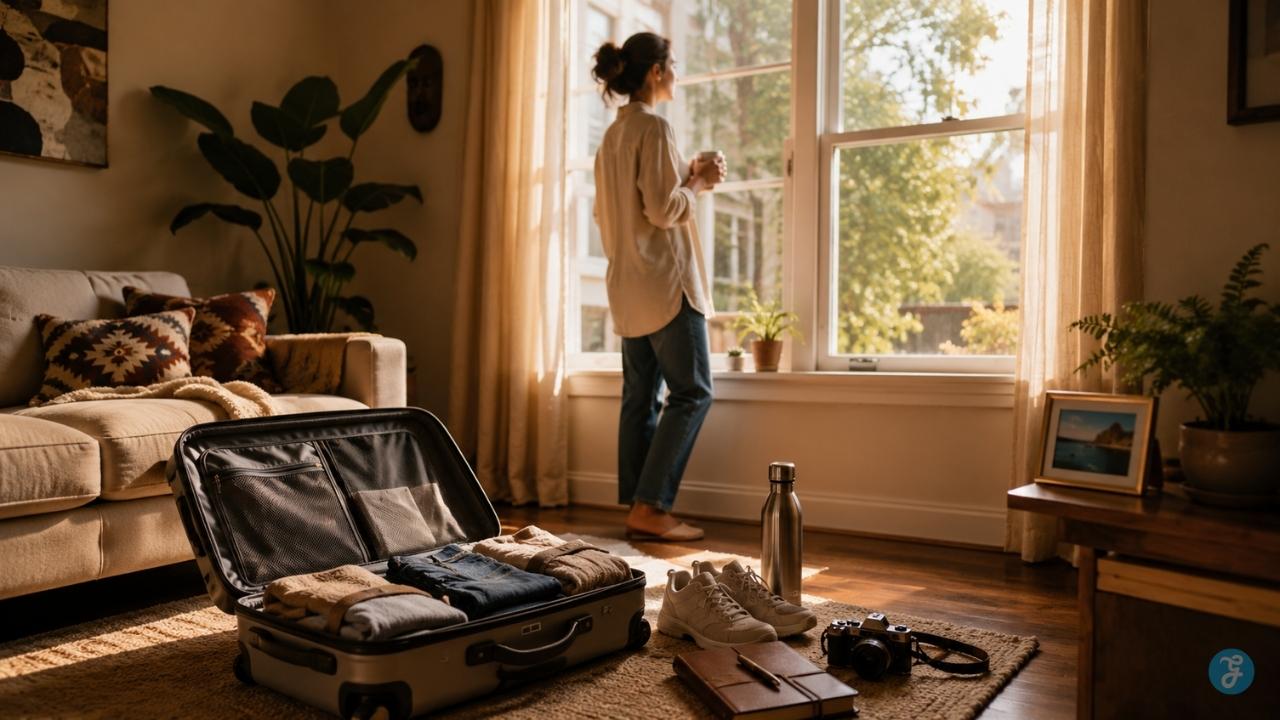
Before embarking on your trip, thorough preparation is crucial. Start by researching your destination’s specific safety considerations, including local customs, potential health risks, and areas to avoid. Check travel advisories from your government and read recent traveler reviews to gain insights into current conditions. Create digital and physical copies of important documents such as your passport, identification, insurance cards, and emergency contact information. Store these copies separately from the originals and consider sharing them with a trusted family member or friend.
Invest time in understanding the cultural norms and dress codes of your destination. Respectful attire can help you blend in and avoid unwanted attention. Learning a few basic phrases in the local language can also be immensely helpful, demonstrating respect and potentially assisting you in emergency situations.
Health and Medical Considerations
Your health should be a top priority when traveling. Schedule a consultation with your healthcare provider well in advance of your trip to discuss necessary vaccinations and potential health precautions specific to your destination. Obtain comprehensive travel health insurance that covers medical emergencies, potential evacuations, and includes coverage in your intended travel regions.
Pack a comprehensive medical kit that includes prescription medications in their original containers, over-the-counter pain relievers, antihistamines, bandages, and any personal medical necessities. Carry a list of your medications, including their generic names, as brand names can vary internationally. Maintaining a clear record of any medical conditions or allergies that might be critical in an emergency situation.
Transportation Safety
Transportation presents unique safety challenges during travel. When using public transportation, remain alert and aware of your surroundings. Choose reputable transportation services and avoid traveling alone late at night in unfamiliar areas. If renting a vehicle, research local driving regulations and consider additional insurance coverage.
For air travel, keep your belongings close and maintain awareness in crowded airport spaces. Use luggage locks and consider using tracking devices for valuable items. When using ride-sharing services or taxis, verify the driver’s credentials and share your location with a trusted contact.
Guide to Protecting Yourself While Traveling
1. Accommodation Security
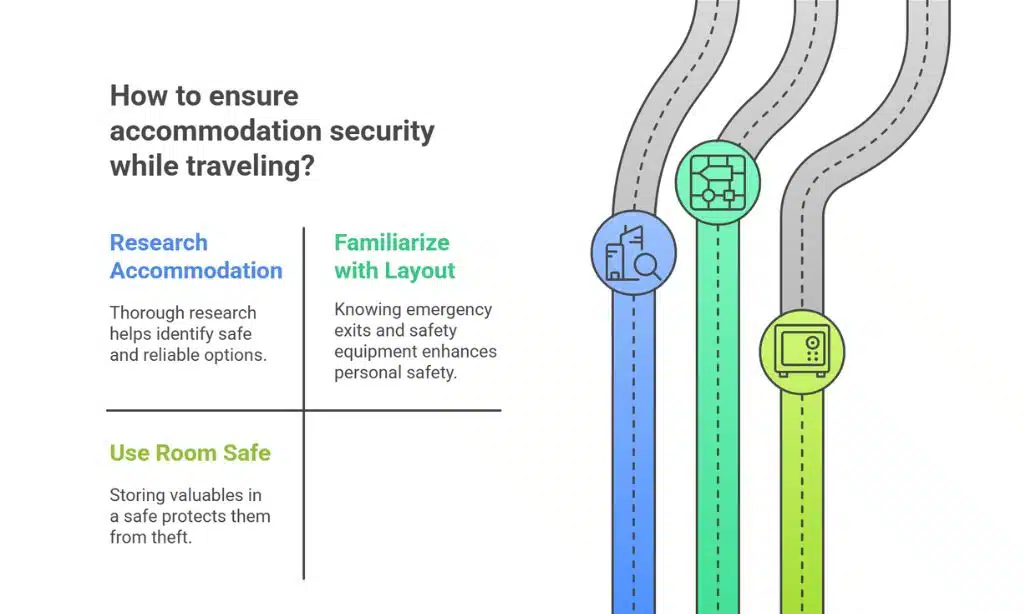
Your choice of accommodation plays a significant role in your travel safety. Research hotels and lodgings thoroughly, reading recent reviews and checking their security features. Upon arrival, familiarize yourself with emergency exits, fire safety equipment, and the general layout of your accommodation. Use the room safe for valuable items and important documents.
2. Hotel Safety
A hotel injury lawyer at Morris injury law, states, “Hotel safety requires a comprehensive and proactive approach to protecting yourself and your belongings. When first entering your room, conduct a quick security assessment. Check that the door locks properly, inspect the window locks, and ensure no unauthorized personnel can easily access your space. Use the additional security latch or chain when inside the room, and consider placing a portable door stop for extra protection”. If your room is on a lower floor or has a balcony, be extra vigilant about securing potential entry points. Always use the peephole or digital viewer before opening the door, even if someone claims to be from hotel staff. Request identification and call the front desk to verify any unexpected visitors. Keep your room key separate from any identifying information and avoid leaving it unattended in public areas. When leaving the room, ensure all valuables are secured in the in-room safe or hotel safety deposit box, and never leave expensive electronics or important documents in plain sight.
When using hotel facilities like gyms, pools, or restaurants, maintain the same level of awareness you would in any public space. Keep personal items close, avoid displaying expensive jewelry or electronics, and be cautious about sharing personal information with strangers. If you’re traveling alone, consider requesting a room near the elevator in well-trafficked areas of the hotel, which can provide an additional layer of security and quick access to help if needed.
3. Digital and Financial Protection
In today’s interconnected world, digital safety is paramount. Use secure, virtual private network [VPN] connections when accessing the internet, especially on public Wi-Fi networks. Enable two-factor authentication on your devices and important accounts. Consider using a travel-specific credit card with fraud protection and minimal personal information.
Inform your bank and credit card companies about your travel plans to prevent unexpected card freezes. Carry multiple payment methods and keep some cash in a secure location. Be discreet when using ATMs, and avoid displaying large amounts of money in public spaces.
4. Personal Awareness and Risk Mitigation
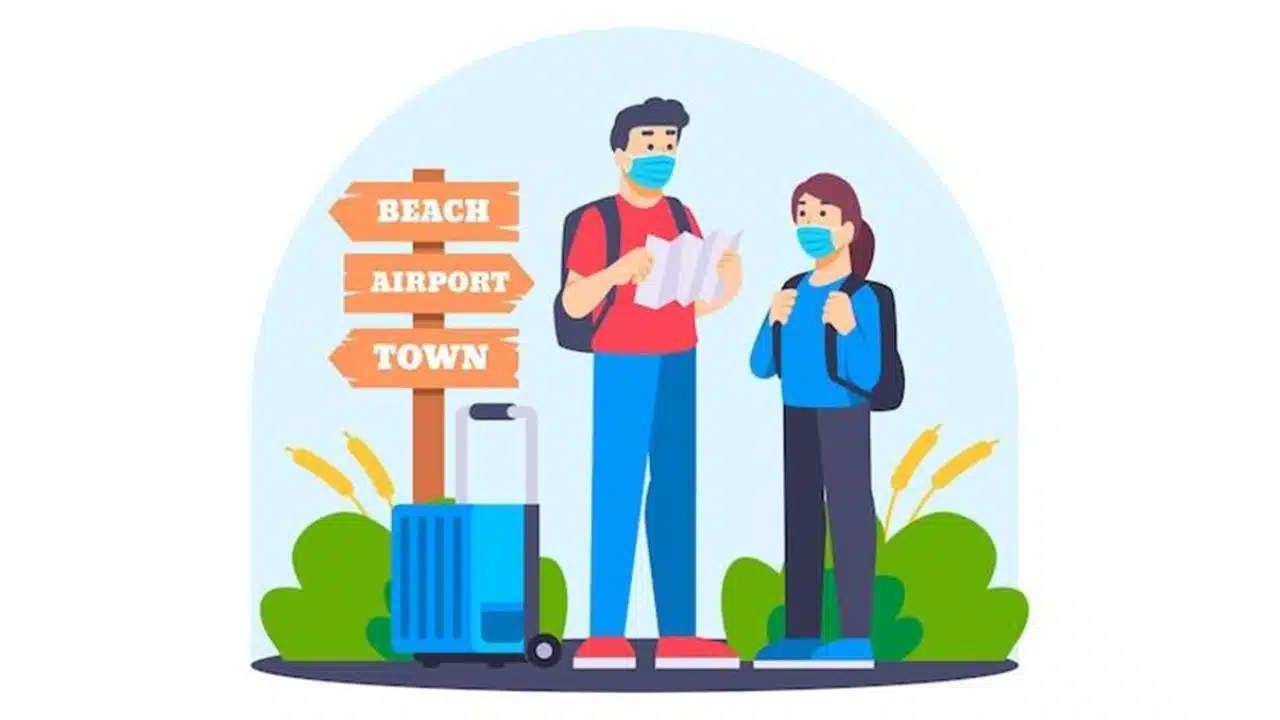
Developing situational awareness is perhaps the most critical aspect of travel safety. Trust your instincts and remain observant of your environment. Avoid displaying obvious signs of being a tourist, such as consulting large maps in public or wearing clothing with prominent logos or national symbols.
When exploring new locations, plan your routes in advance and share your itinerary with trusted contacts. Stay in well-lit, populated areas, particularly during evening hours. If you feel uncomfortable or sense potential danger, trust your instincts and remove yourself from the situation.
5. Emergency Preparedness
Preparation can make a significant difference in emergency situations. Save emergency contact numbers for local authorities, your country’s embassy or consulate, and your emergency contacts. Learn basic local emergency phrases and consider downloading offline translation and mapping applications.
Carry a compact emergency kit containing essentials like a small first-aid supply, flashlight, portable charger, and emergency contact information. Consider registering with your government’s travel registration program, which can facilitate communication and assistance during unexpected events.
6. Cultural Sensitivity and Respect
Respecting local cultures goes beyond personal safety—it’s about creating positive interactions and minimizing potential conflicts. Research and adhere to local customs, dress codes, and social norms. Be mindful of photography restrictions, religious sites, and local sensitivities.
Learn about appropriate gestures, greetings, and behavioral expectations. Your cultural awareness can help you navigate unfamiliar environments more smoothly and reduce the likelihood of misunderstandings or confrontations.
Takeaways
Protecting yourself while traveling requires a balanced approach of preparation, awareness, and adaptability. By implementing these strategies, you can significantly reduce potential risks and focus on enjoying your travel experiences. Remember that most travel experiences are positive, and a proactive, informed approach will help ensure your safety and create memorable, enriching journeys.
Stay curious, remain vigilant, and embrace the incredible opportunities that travel presents—with the right preparation, the world becomes an accessible and exciting playground of exploration and personal growth.