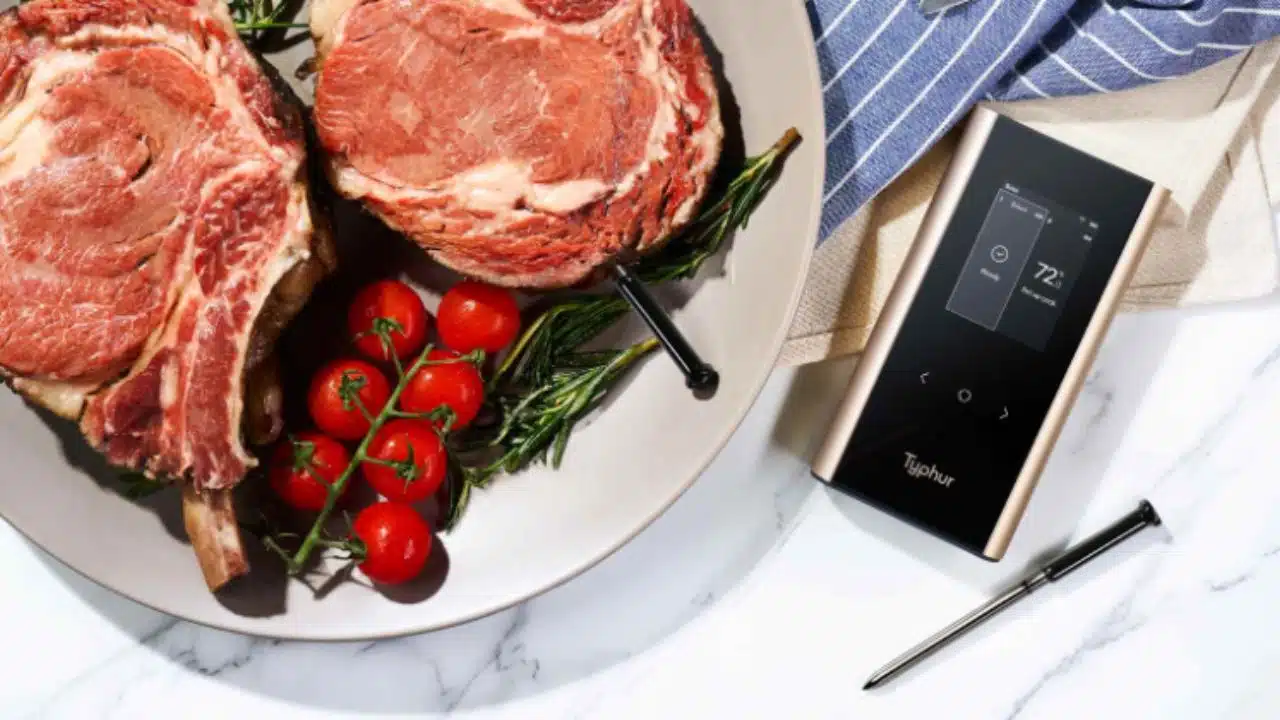
When it comes to steak, cooking it to the right temperature is crucial for the best possible taste and texture. An undercooked steak can be tough and chewy, while an overcooked steak can become dry and flavorless. Understanding the different doneness levels and using the meat thermometer to measure temperature ensures your steak comes out perfectly every time.
In this article, we’ll walk you through everything you need to know about steak temperatures and how to achieve them using a reliable meat thermometer.
Understanding Steak Doneness Levels
There are five main doneness levels for steak, each with its own temperature range and texture. Here’s a breakdown of each one:
Rare:
A rare steak is cooked for a short amount of time, leaving the inside cool and red. The outside will have a slight sear, and the inside will be tender and juicy. The temperature range for a rare steak is 120-125°F (49-52°C).
Medium Rare:
This is considered the gold standard for steak lovers, where the steak is beautifully browned on the outside, while the inside remains red and slightly warm. The internal temperature should be 130-135°F (54-57°C). It’s perfect for tender cuts like filet mignon or ribeye.
Medium:
A medium steak is firm with a slightly pink center. It is cooked longer than medium-rare but still retains a juicy interior. The temperature for a medium steak is 140-145°F (60-63°C).
Medium Well:
The steak is cooked nearly all the way through with just a slight hint of pink in the center. The temperature for medium-well is 150-155°F (65-68°C). It’s best suited for thicker cuts or people who prefer less pink in their meat.
Well Done:
A well-done steak is fully cooked throughout with no pink remaining, and the texture can be quite firm and dry. The temperature for well-done steak is 160°F (71°C) and above.
How to Measure Steak Temperature Accurately
To ensure your steak is cooked to perfection, measuring its internal temperature accurately is essential. Here are the best methods for checking your steak’s temperature:
Instant-read Thermometer
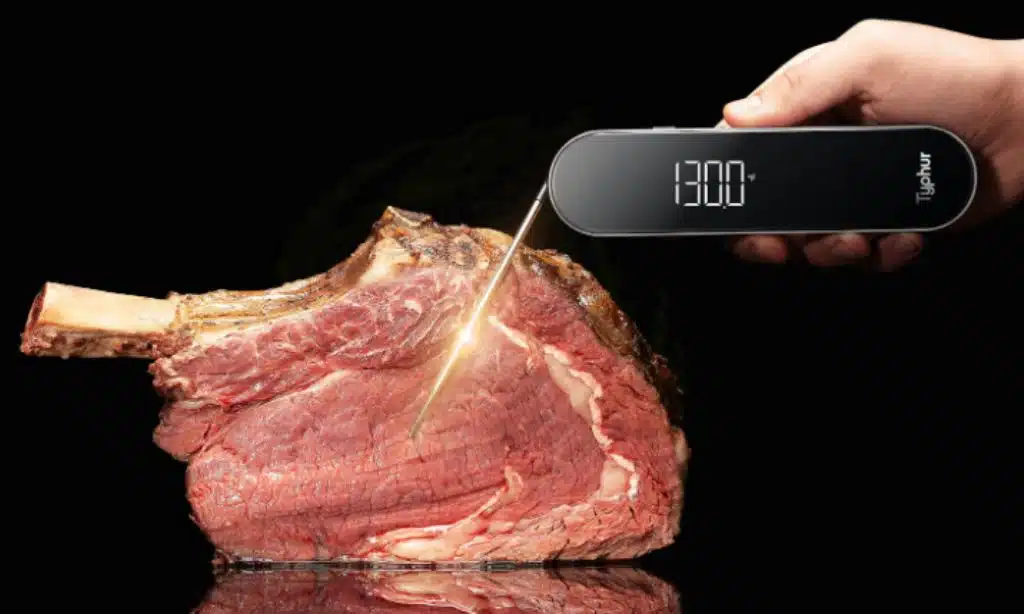
This is the most common and quickest way to check the internal temperature of your steak. Simply insert the probe into the thickest part of the steak (avoiding any bones) and wait for the reading to stabilize. This method gives you an accurate temperature, allowing you to check it multiple times throughout the cooking process if needed.
Leave-in Probe Thermometer
For those who want to monitor the temperature throughout the cooking process without opening the oven or grill, a leave-in probe thermometer is a fantastic tool. A great option is the Typhur Sync Wireless Meat Thermometer. This advanced thermometer offers a stable connection and ultra-long-range monitoring—up to 3000 feet—so you can keep track of the temperature even when you’re far from the cooking area.
The Typhur Sync comes with two probes, each equipped with six sensors, allowing you to monitor the temperature of different cuts or check the doneness of multiple steaks simultaneously. With precision to ±0.5°F, you can be sure that your steak is cooked exactly how you want it. The thermometer also allows you to set a target temperature for your steak, and you’ll receive an alert when your desired doneness is achieved, so you’ll never risk overcooking or undercooking again. Additionally, the Typhur Sync is known for its superior durability, making it a reliable tool for frequent use.
How to Use a Meat Thermometer
Step 1: Prepare Your Steak
Before you start cooking, make sure your steak is at room temperature. This ensures even cooking. Season your steak with salt, pepper, and any other desired spices.
Step 2: Preheat Your Cooking Surface
Preheating is essential whether you’re using a grill, skillet, or oven. For grilling, aim for a medium-high heat. For a skillet, medium heat is usually sufficient. If you’re using an oven, preheat it to the desired temperature.
Step 3: Insert the Thermometer
Insert the probe of your meat thermometer into the thickest part of the steak, avoiding any bones or fat. If you’re using the Typhur Sync Gold Dual, you can insert both probes for more accurate readings.
Step 4: Monitor the Temperature
Keep an eye on the temperature as your steak cooks. The Typhur Sync Gold Dual allows you to set target temperatures so you’ll know exactly when your steak reaches the desired level of doneness.
Step 5: Remove and Rest
Once your steak reaches the target temperature, remove it from the heat and rest for 5-10 minutes. This resting period is crucial for a juicy, flavorful steak.
Tips for Perfect Steak Every Time
Choose the Right Cut
Different cuts of steak have different textures and flavors. For example, a ribeye is known for its marbling and rich flavor, while a filet mignon is lean and tender. Choose a cut that suits your taste preferences.
Don’t Overcrowd the Pan
Do not overcrowd the pan or grill if you’re cooking multiple steaks. Overcrowding can lead to uneven cooking and steaming rather than searing.
Use High-Quality Tools
Investing in a high-quality meat thermometer like the Typhur Sync Gold Dual can significantly impact your cooking. Accurate temperature readings ensure that your steak is cooked to perfection every time.
Common Mistakes to Avoid
Ignoring the Thermometer
One of the biggest mistakes home cooks make is relying solely on visual cues or timing. A meat thermometer provides precise information, so don’t ignore it.
Not Letting the Steak Rest
Skipping the resting period can result in a dry, less flavorful steak. Always let your steak rest before cutting into it.
Overcooking
Overcooking can ruin even the best cut of steak. Use your meat thermometer to ensure you don’t exceed the desired level of doneness.
Conclusion
Cooking the perfect steak doesn’t have to be a daunting task. With the right tools and techniques, you can achieve restaurant-quality results in your kitchen. A reliable meat thermometer like the Typhur Sync Gold Dual is an invaluable tool that takes the guesswork out of cooking, ensuring that your steak is always cooked to perfection. By understanding the different levels of doneness and following the steps outlined in this guide, you’ll be well on your way to becoming a steak-cooking pro. So, the next time you’re in the kitchen, don’t forget to grab your meat thermometer and cook with confidence!