
In recent years, sustainability has become a hot topic in every industry, including beauty and skincare. But what is sustainable skincare? It refers to skincare practices and products designed to minimize environmental impact while promoting ethical sourcing, production, and disposal methods.
Sustainable skincare emphasizes using natural, cruelty-free, and eco-friendly ingredients, ensuring we care for our planet as we care for our skin.
The Core Principles of Sustainable Skincare
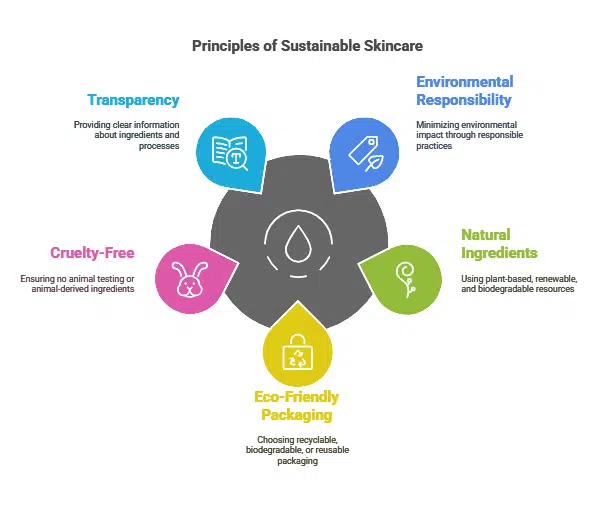
Sustainable skincare encompasses several key principles:
- Environmental Responsibility: Minimizing negative impacts on the environment through responsible sourcing, production, and disposal practices.
- Natural and Organic Ingredients: Utilizing plant-based, renewable resources that are ethically sourced and biodegradable.
- Eco-Friendly Packaging: Opting for recyclable, biodegradable, or reusable packaging to reduce waste.
- Cruelty-Free and Vegan: Ensuring products are not tested on animals and do not contain animal-derived ingredients.
- Transparency: Providing clear information about ingredients, sourcing methods, and manufacturing processes.
The Growing Market for Sustainable Beauty
The sustainable beauty and skincare market has experienced significant growth in recent years. According to a report by InsightAce Analytic, the market was valued at US$ 176.6 billion in 2023 and is estimated to reach over USD 326.8 billion by 2031, exhibiting a compound annual growth rate (CAGR) of 8.26%. This growth reflects the increasing consumer demand for eco-friendly and ethically produced skincare products.
Key Components of Sustainable Skincare
Natural and Organic Ingredients
Sustainable skincare products prioritize natural and organic ingredients that are gentle on the skin and environmentally friendly. Some popular ingredients include:
- Aloe vera
- Jojoba oil
- Shea butter
- Coconut oil
- Essential oils
These ingredients are often sourced from organic farms or sustainable suppliers, ensuring minimal environmental impact and supporting local communities.
Eco-Friendly Packaging
Packaging plays a crucial role in sustainable skincare. Brands are increasingly adopting innovative packaging solutions to reduce waste and environmental impact:
- Recyclable materials (glass, aluminum)
- Biodegradable packaging
- Refillable containers
- Minimal packaging designs
By choosing products with sustainable packaging, consumers can significantly reduce their plastic waste and carbon footprint.
Benefits of Sustainable Skincare
Embracing sustainable skincare offers numerous benefits for both individuals and the environment:
- Healthier Skin: Natural ingredients are often gentler and less likely to cause irritation or allergic reactions.
- Environmental Protection: Reduced use of harmful chemicals and plastic packaging helps preserve ecosystems and biodiversity.
- Ethical Consumption: Supporting brands that prioritize fair trade and ethical sourcing practices.
- Improved Transparency: Greater awareness of product ingredients and manufacturing processes.
Challenges in the Sustainable Skincare Industry
While the sustainable skincare movement is gaining momentum, it faces several challenges:
- Greenwashing: Some brands may make false or misleading claims about their sustainability practices.
- Higher Costs: Sustainable products can be more expensive due to the use of high-quality, organic ingredients and eco-friendly packaging.
- Limited Shelf Life: Natural preservatives may result in shorter product lifespans compared to conventional skincare items.
- Consumer Education: There’s a need for increased awareness about the benefits of sustainable skincare and how to identify truly eco-friendly products.
How to Identify Sustainable Skincare Products?
To make informed choices about sustainable skincare, consumers should:
- Read Labels: Look for certifications such as USDA Organic, COSMOS, or EWG Verified.
- Research Brands: Investigate a company’s sustainability practices and commitments.
- Check Ingredients: Avoid products containing harmful chemicals like parabens, sulfates, and synthetic fragrances.
- Consider Packaging: Opt for products with minimal, recyclable, or biodegradable packaging.
- Look for Transparency: Choose brands that are open about their sourcing and manufacturing processes.
The Future of Sustainable Skincare
The sustainable skincare industry is poised for continued growth and innovation. Future trends may include:
- Waterless Formulations: Products that require less water in production and use.
- Biotech Ingredients: Sustainably produced ingredients through biotechnology.
- Circular Economy Models: Increased focus on recycling and upcycling in the beauty industry.
- Personalized Skincare: Tailored products that reduce waste and improve efficacy.
Comparison of Conventional vs. Sustainable Skincare
| Aspect | Conventional Skincare | Sustainable Skincare |
| Ingredients | Often synthetic, may include harmful chemicals | Natural, organic, and ethically sourced |
| Packaging | Primarily plastic, often non-recyclable | Recyclable, biodegradable, or reusable |
| Environmental Impact | Higher carbon footprint, contributes to pollution | Lower environmental impact, supports biodiversity |
| Animal Testing | May involve animal testing | Cruelty-free and often vegan |
| Transparency | Limited information on sourcing and production | Greater transparency in ingredients and processes |
| Price | Generally lower | Often higher due to quality ingredients and ethical practices |
Takeaways
What is sustainable skincare? It represents a significant shift in the beauty industry, aligning consumer health with environmental responsibility.
As the market continues to grow, it offers exciting possibilities for innovation in ingredients, packaging, and production methods. By choosing sustainable skincare products, consumers can nurture their skin while contributing to a healthier planet.