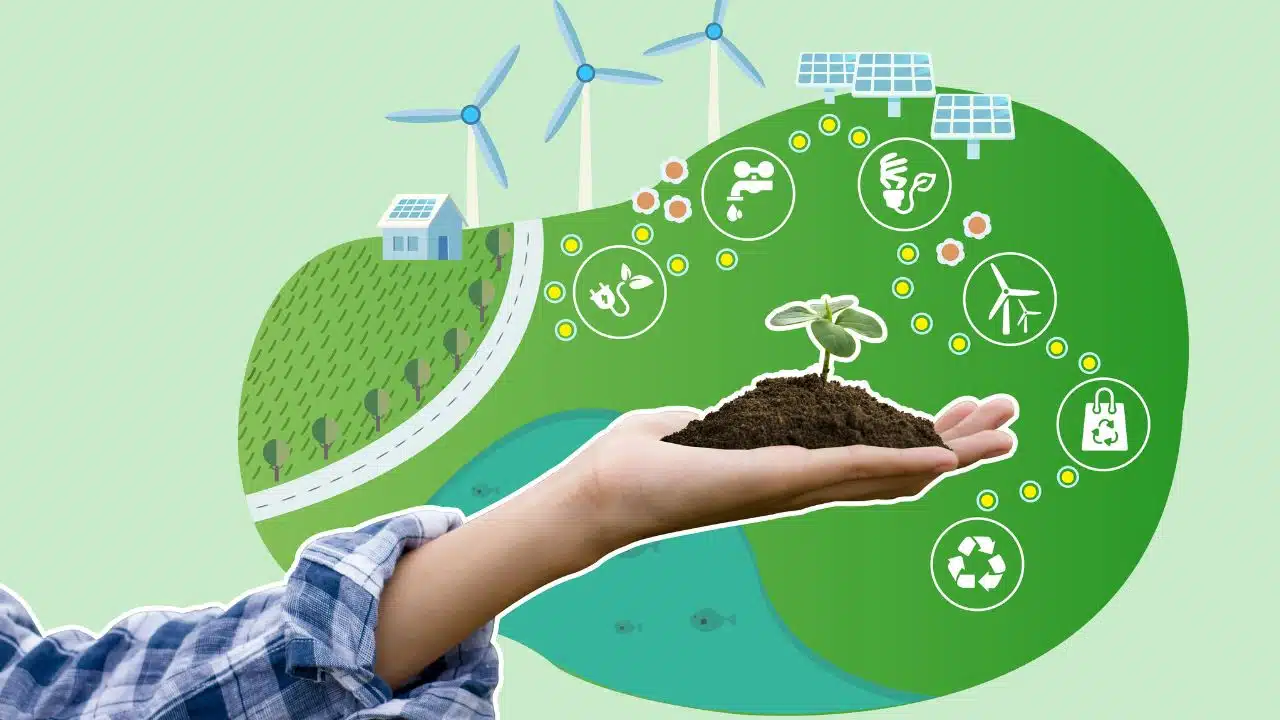
In today’s rapidly evolving world, the need for sustainable solutions has never been more urgent.
As we face challenges like climate change and resource depletion, one pressing question arises: What technology is environmentally friendly? The answer lies in innovations that minimize environmental impact while maximizing efficiency and benefits.
The Rise of Green Technology
Environmentally friendly technology, also known as green technology or clean technology, encompasses a wide range of innovations aimed at reducing environmental harm and promoting sustainable practices. These technologies are developed with the primary goal of conserving natural resources, minimizing pollution, and mitigating the effects of climate change.
The global green technology and sustainability market has seen significant growth in recent years. Valued at USD 17.21 billion in 2023, it is projected to reach an impressive USD 105.26 billion by 2032, growing at a compound annual growth rate (CAGR) of 22.4%. This rapid expansion underscores the increasing importance and adoption of environmentally friendly technologies across industries and regions.
Key Areas of Environmentally Friendly Technology
Renewable Energy Sources
One of the most prominent areas of green technology is renewable energy. Solar panels, wind turbines, and hydroelectric power systems are at the forefront of the clean energy revolution.
Solar Energy: Solar panels have become increasingly efficient and affordable, making them a viable option for both residential and commercial use. The technology converts sunlight directly into electricity, providing a clean and renewable energy source.
Wind Power: Wind turbines harness the power of moving air to generate electricity. As wind energy technology advances, it’s becoming an increasingly important part of the renewable energy mix.
Hydroelectric Power: By utilizing the flow of water, hydroelectric systems generate electricity without producing greenhouse gas emissions.
Electric Vehicles (EVs)
The transportation sector is undergoing a significant transformation with the rise of electric vehicles. EVs are powered by electricity stored in rechargeable batteries, significantly reducing or eliminating tailpipe emissions compared to conventional fossil fuel-powered vehicles.
Green Building Technologies
The construction industry is embracing environmentally friendly practices through green building technologies. These include:
- Energy-efficient HVAC systems
- Smart thermostats for optimized energy use
- Green roofing solutions
- Sustainable and recycled building materials
Waste Management and Recycling Technologies
Advanced sorting and processing technologies are enhancing the efficiency of recycling efforts, turning waste into valuable resources. These innovations are crucial in promoting a circular economy and reducing the amount of waste sent to landfills.
Impact of Environmentally Friendly Technologies
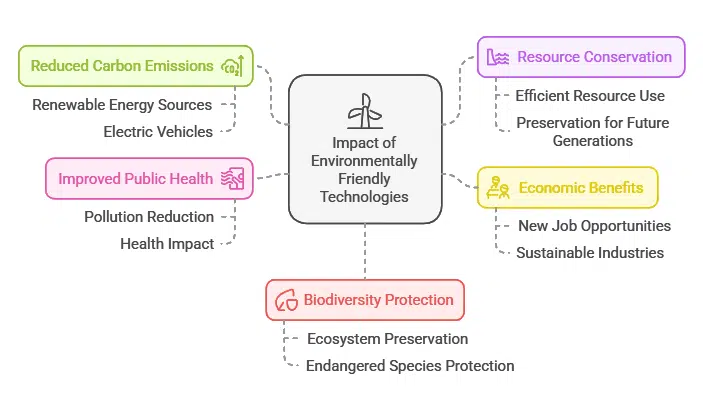
The adoption of green technologies offers numerous benefits for both the environment and society:
- Reduced Carbon Emissions: By transitioning to renewable energy sources and electric vehicles, we can significantly reduce greenhouse gas emissions and combat climate change.
- Resource Conservation: Eco-friendly technologies promote the efficient use of natural resources, helping to preserve them for future generations.
- Economic Benefits: The green technology sector is creating new job opportunities and driving economic growth in sustainable industries.
- Improved Public Health: Reducing pollution through clean technologies can lead to better air and water quality, positively impacting public health.
- Biodiversity Protection: Sustainable practices and technologies help preserve ecosystems and protect endangered species.
Innovative Examples of Environmentally Friendly Technologies
Carbon Capture and Storage (CCS)
Carbon capture and storage technology is emerging as a crucial tool in the fight against climate change. This innovative approach involves capturing carbon dioxide emissions from industrial processes and either storing them underground or repurposing them for other uses.
Smart Grids
Smart grid technology uses digital communication to monitor and manage electricity distribution more efficiently. This not only ensures a more resilient energy supply but also facilitates the integration of renewable energy sources into the power grid.
Vertical Farming
Vertical farming is an innovative agricultural technique that grows crops in vertically stacked layers, often in controlled indoor environments. This method significantly reduces water usage, minimizes land requirements, and can be implemented in urban areas to promote local food production.
Biodegradable Materials
The development of biodegradable materials, particularly as alternatives to traditional plastics, is a key area of environmentally friendly innovation. These materials break down naturally, reducing long-term environmental impact and pollution.
Global Adoption of Green Technologies
The adoption of environmentally friendly technologies varies across different regions and countries. Here’s a snapshot of global trends:
| Region | Key Green Technology Focus |
| North America | Renewable energy, electric vehicles, smart grid technology |
| Europe | Wind power, energy-efficient buildings, circular economy initiatives |
| Asia-Pacific | Solar energy, sustainable urban development, green manufacturing |
| Middle East & Africa | Solar power, water conservation technologies, sustainable agriculture |
Challenges and Future Outlook
While the potential of environmentally friendly technologies is immense, several challenges remain:
- Cost: Initial implementation costs for some green technologies can be high, though they often lead to long-term savings.
- Infrastructure: Adapting existing infrastructure to support new technologies, such as EV charging stations, requires significant investment and planning.
- Technological Limitations: Some technologies, like energy storage for renewable sources, still need further development to reach their full potential.
- Policy and Regulation: Consistent and supportive policies are crucial for the widespread adoption of green technologies.
Despite these challenges, the future of environmentally friendly technology looks promising. Continued research and development, coupled with increasing awareness and support from governments and businesses, are driving innovation in this field.
Takeaways
Answering the question, what technology is environmentally friendly? involves exploring a range of innovative solutions.
From renewable energy and green transportation to smart technologies and sustainable materials, these advancements pave the way for a more sustainable future. By adopting such technologies, individuals and industries can collectively contribute to preserving our planet for generations to come.