Have you felt the wait for your package stretch on? You want on-demand, same-day delivery but most fleets stall your hopes. Many retailers lean on warehouse management systems and third party logistics firms.
They load trucks from a distribution center, yet last-mile delivery drags.
Here is a fact: digital commerce growth pushed boat mail into play, sending parcels to shore towns, long before drones moved them. This guide covers seven odd models, like drone delivery trends, crowdshipping links, AGV couriers, and smart lockers.
You will spot ideas to speed your supply chain and trim costs. Keep reading.
Key Takeaways
- Postal boats skim canals in towns. They dodge traffic, meet same-day delivery, track parcels with supply-chain tools, and cut emissions with electric hulls.
- Since 2017, Flytrex, Otherlabs, and Matternet have run drone pilots. Flytrex dropped beer within minutes, Matternet flew packages in March 2017, and Amazon and Domino’s joined trials under Nevada and Japan rules.
- Sidewalk bots and self-driving vans cut the 60% labor share of last-mile costs. Amazon invested $530 million in Aurora, and teams ran 2023 tests with GPS, cameras, and machine learning.
- Innovo built a 1 million sq ft tunnel under the Bronx. Packages ride IoT conveyor belts to empty mall pickup points, and gig drivers load vans to avoid street jams.
- Crowdshipping apps like Postmates, Roadie, and Amazon Flex tap gig workers for on-demand delivery and cut fixed costs. Smart lockers by Amazon, Jet.com (1,000 NYC panels), and Walmart/August use IoT sensors and QR codes for secure 24/7 pickups.
Boat Mail Delivery
Postal boats skim canals in crowded towns. They dodge traffic snarls to meet same-day delivery targets. Operators tie in supply chain management tools to track every parcel. Electric hulls slice emissions in water-rich zones.
Flat decks stack containers for easy materials handling.
Go-Jek’s bike couriers in Jakarta show how firms adapt in dense, waterlogged streets. Some postal services swap wheels for hulls, launching boat mail routes. Mealmade turned old fast-food kitchens into mini hubs by canals.
Carbon-free hulls cut emissions, fitting green fleet management systems. Riders and skippers team up for on-demand delivery and last mile delivery. Collaborations with third-party logistics slash lead times and boost supply chain optimization.
Drone Delivery Innovations
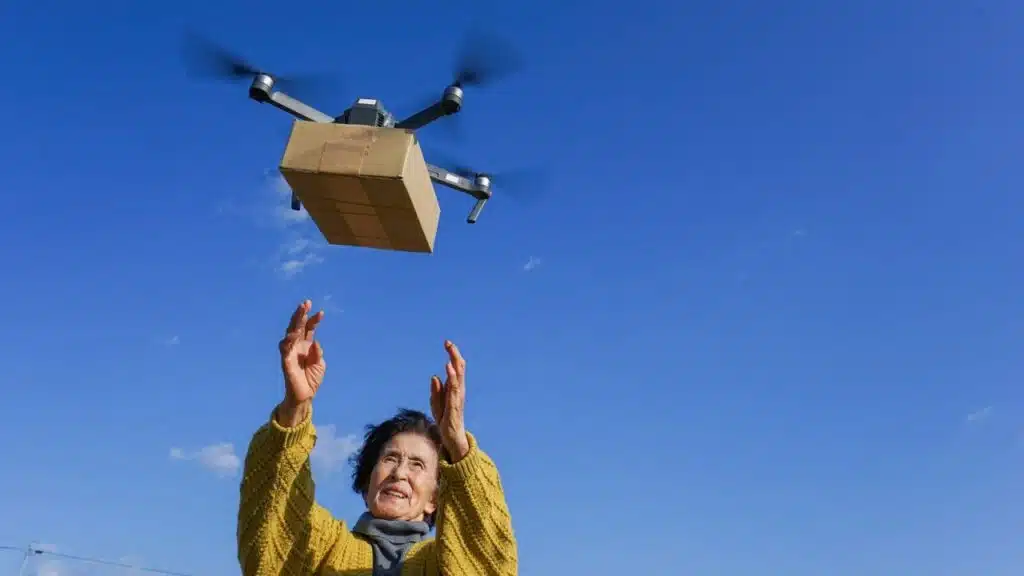
Companies in 2017 kicked off drone pilots for on-demand delivery. Flytrex dropped beer within minutes of an order. Otherlabs built a drone from plant fiber that breaks down in soil.
Matternet flew small packages across town in March 2017 in its first city tests. Mercedes-Benz noted that drones need a ride to fill their range, so they need a vehicle to haul them near a drop point.
Drones link with conveyors at fulfillment centers or with AGVs for seamless transportation. This hybrid setup cuts logistical handling time in scm and freight hubs.
Amazon and Domino’s jumped into drone trials too. Both firms plan to roll out same-day delivery via drone once rules allow. Regulators in Nevada clear test flights. Japan issued rules to help parcel delivery by air.
Weather can ground a drone faster than a kid chasing a ball in a storm. Experts push drone trends as the next wave in last-mile delivery in 2018. Brands eye lower price and faster service in b2c shipping.
Low-altitude craft could link with rail, lift trucks, or self-driving cars. Firms like FedEx, c.h. robinson, and Ikea track these tests closely.
Robotic Sidewalk Couriers
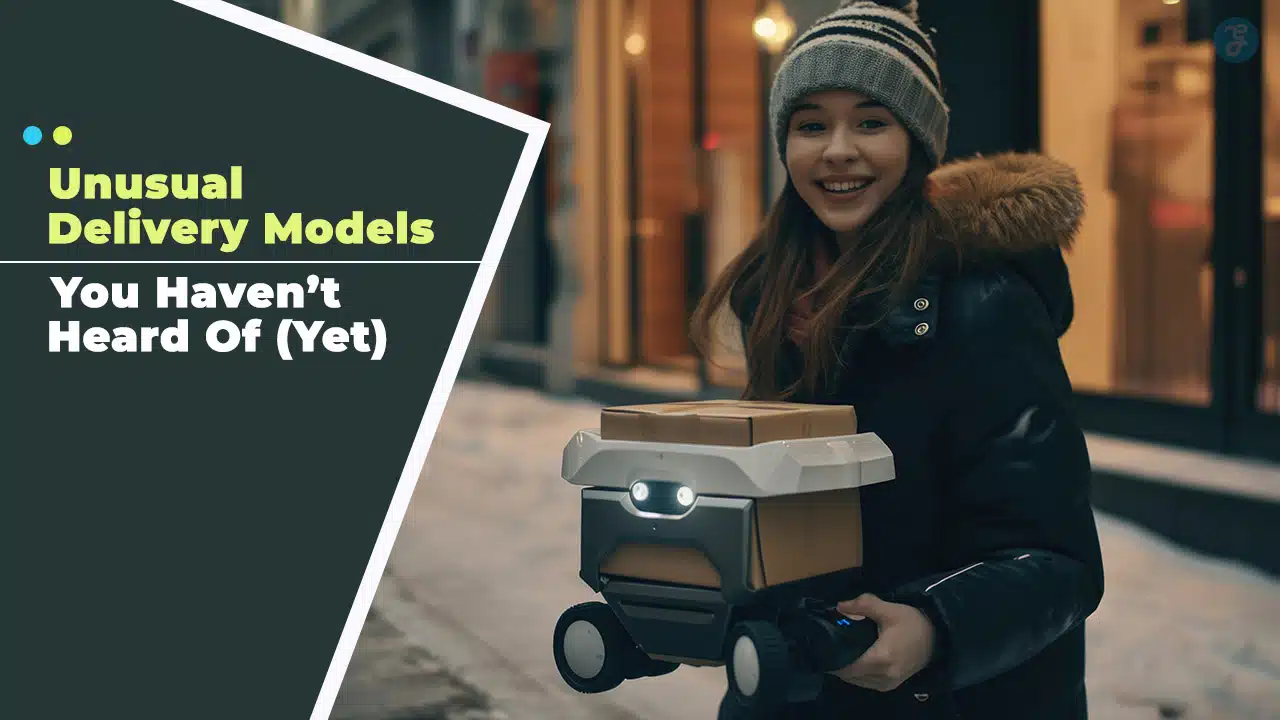
Sidewalk bots roam city walks to drop off packages from local grocers and small shops. These automated guided vehicles slash labor costs, which can make up 60% of last-mile fees. Amazon pumped $530 million into Aurora to power self-driving vehicles that steer these couriers.
Retailers tap this automation for on-demand delivery and same-day delivery, using machine learning and the Onfleet platform to map routes. Smart gear like GPS and RFID tracking feeds big data into workflows that boost operational efficiency.
Urban grids pose a real test. Narrow lanes, curb cuts, and foot traffic can trip sensors. Fleet managers tweak maps, sensors, and speed profiles to dodge snags. Some pilot runs still fail on uneven slabs or wrong turns, stirring debate over city rules.
Suppliers juggle intermodal links, pallets, ltl shipments, and grocer stock to keep bots busy. Vendors see lifts in inventory management, lower costs, and faster drop offs that thrill shoppers.
Such shifts free delivery drivers for larger b2b runs and ease workforce management.
Underground Delivery Networks
Dense city blocks choke van routes. Shoppers crave same-day delivery. Innovo Property Group carved out a 1 million sq. ft. subterranean hub beneath the Bronx. Packages ride conveyor lanes, guided by IoT sensors and enterprise resource planning software.
This insourced model trims minutes off last-mile runs.
Gig economy drivers tap into these tunnels for pickups near vacant mall storefront fulfillment sites. Automating supply chains here eases street-level jams. Brands cut outsourcing steps by using these alternative logistics corridors.
This push for sustainable urban logistics keeps global supply chains agile and fast.
Autonomous Vehicle Deliveries
Amazon poured $530 million into Aurora and set a high bar for self-driving delivery. Driverless vans aim to trim labor costs, which make up 60% of last-mile spending. Rising eCommerce orders prompt a rush for faster shipping, on-demand delivery, and same-day delivery.
Fleet tests rolled out in 2023 as robots learned to drop off shopping bags and packages. Consumer hunger for speed drives this shift.
Teams apply light detection sensors and GPS mapping to chart precise lanes. Visual recognition cameras and machine learning models scan for road hazards. Data analytics from route planning applications help drivers program new trips.
Companies juggle insourcing new bots with plans to outsource delivery duties. Experts say self-driving vans will reshape final-mile logistics soon.
Crowdshipping and Peer-to-Peer Models

Crowdshipping taps gig economy pros from Postmates, Roadie and Amazon Flex. Companies like Uber, Airbnb and TaskRabbit shaped peer-to-peer shipments. Deliv flipped its assets to Target after shutting doors in 2020.
This model fuels on-demand delivery and same-day delivery.
Retailers share delivery vans and electric bikes to cut costs. Hybrid fleet management blends staff drivers with gig workers. It boosts scale during peak seasons without fixed wages.
Drivers wrap each item in sturdy packaging and hit the road.
Smart Lockers for Package Pickups
Apartment lobbies now host rows of smart lockers for same-day delivery drop-offs. Amazon places parcel cabinets in complexes, and Jet.com installs 1,000 access panels in New York City towers.
Amazon also rolls out Amazon Key, a smart lock and camera kit for in-home drop-offs, while Walmart teams with August for keyless entry. These tools cut missed deliveries, they boost on-demand delivery speed and customer smiles.
Think of smart lockers as vending machines for packages. IoT sensors track each item, cloud platforms send alerts, and QR code scanners grant you one-time access. Residents pick up orders at any hour, skipping front-porch waits and keeping porch pirates at bay.
This tech trend answers the last-mile pain in multiunit homes, it marries security with slick convenience.
Challenges of Implementing Unusual Delivery Models
Local rules clip the wings of drone tests and they throw roadblocks at GPS maps and connected sensors. Teams juggle Azure setups, GIS mapping and distributed ledger pilots, while council members still debate on-demand delivery permits, so read on for more.
Regulatory and Legal Hurdles
Regulators set steep bars for new approaches. Readers face many hurdles in on-demand delivery.
- Drone airspace rules cap flights at 400 feet and bar missions in bad wind or rain. Japan and Nevada run trial corridors with tight clearances.
- Pharmacy wholesale licenses require state board approval and hefty fees. Amazon held more than 10 licenses by late 2022.
- In-home delivery services trigger privacy and liability claims. Amazon Key must address lock tampering risk and customer consent.
- Prescription on-demand delivery needs FDA and DEA compliance for Alto and Nimble. Drivers must hold pharmacy permits and firms face record audits.
- Crowdsourced courier apps face legal scrutiny over worker status. Courts examine if drivers need benefits and companies buy insurance to cover claims.
- Automated vehicle and drone deployments must fit evolving transport codes. States differ on vehicle registration, safety tests, and incident reporting.
- City and state zoning laws block some sidewalk robots and curbside lockers. Firms seek permit approval for depots and some towns outright ban robotic drops.
- Smart lockers and keyless entry systems fall under data privacy statutes. Providers must encrypt personal info and pass annual security audits.
Infrastructure Limitations
Older cities strain new delivery routes. Roads lack spots for vans and bots.
- Narrow streets and alleys block vans, drones and robots. Dense urban areas see more delivery activity but lack traditional loading zones, so fleets struggle to park.
- Aging power grids and few charging stations stall electric vans, sidewalk couriers, and drones. Cities need upgrades and investments in energy and range infrastructure to keep fleets moving.
- Sparse loading zones force vehicles to park on curbs and double park. Traffic builds up and slows autonomous and manned fleets.
- Dense urban warehousing runs out of room, pushing cargo depots to outskirts. Remote depots lengthen delivery routes and add costs.
- Weather swings and rain ground drones and delay sidewalk robots. Harsh temperatures and wind affect drone batteries and robotic sensors.
- Limited smart locker networks raise delivery costs and curb access. High price and scarce locations slow package pickup models.
- Outdated road lanes and public safety signals hamper autonomous cars and robotic couriers. Streets often need sensor upgrades and new signage.
Benefits of Exploring Unique Delivery Models
Trying out oddball delivery grids can slash your carbon tally, trim costs, and get packages out the door faster. Smart tags, geo tags, e-cycles, and path planners all jump in, sparking fresh data insights that help you stay a step ahead.
Faster Delivery Times
Amazon slashed its wait times with one-hour delivery in parts of the U.S. It offers same-day options nationwide. Target aims to ship orders by the next day soon. Marks & Spencer tests an hour-long drop-off in London.
Tesco sends groceries on the same day. Gucci and FarFetch race luxury goods to ten cities in 90 minutes. Rent the Runway zips dresses to New York shoppers within hours. Gap copied that in select global hubs.
Matternet flew the first city drone parcel in 2019. It proved the tech can beat traffic snarls. Urban warehouses stash items near front doors. They chop lead time. Smart lockers and keyless systems erase no-shows.
They speed up handoffs. Hybrid fleet setups add bikes or vans at crunch time. Couriers stay on schedule.
Reduced Environmental Impact
UPS plans to swap diesel trucks for electric ones in New York City by 2030, aiming to slash emissions by 40%. Daimler predicted in 2017 that electric trucks will match diesel costs by 2019.
Chanje in Los Angeles expects high demand as the US adds 500,000 new trucks each year. Postmates equips couriers in San Francisco and Manhattan with e-bikes and electric scooters, cutting urban soot and noise.
These moves reshape sustainable urban logistics and hit big carbon targets.
Motorbike taxis from Go-Jek use far less fuel than delivery vans, trimming greenhouse gases on crowded streets. Smart lockers and pickup booths sit close to homes. They shrink route lengths, curb traffic jams, and speed drop-offs.
Cities breathe easier when firms swap heavy rigs for lighter, cleaner rides. This shift taps alternative transport to keep pace with booming package traffic.
Takeaways
These odd delivery methods light new paths in logistics, from riverboats to tunnel shuttles. You might spot quadcopters guided by GIS maps, or sidewalk bots that wheel parcels to your door.
Machine learning helps pick the best path. APIs link each device to a real-time mobile app. Smart lockers stand quiet in malls, ready to hand off your next parcel. Give these ideas to your BI team, and watch your data analytics delivery model take flight.
FAQs
1. What are the 7 unusual delivery models you haven’t heard of yet?
They are seven new ways to ship goods fast, from buzzing drones and tube tunnels to sidewalk bots, pop-up trucks, peer parcel swaps, subscription hubs and smart lockers.
2. How does drone delivery work?
A small flying bot carries light packages, it flies by GPS and drops your box by cable, then it zooms back home.
3. What is peer parcel delivery?
It taps local drivers or neighbors to move your package, think of it like a ride share for boxes, you set pick up and drop off in an app, you pay a small fee.
4. Why try a smart locker model?
It lets you send or pick up at a secure locker near you, you unlock it with a code, no one needs to wait at the door, it works 24 hours a day.