

Summer in Chicago is fleeting. We earn every warm, sunny day after getting through the long winters, and parents across the city feel a unique urgency to ensure their kids make the most of those precious few months. But finding the perfect Chicago summer camps is more than just a scheduling necessity; it’s a competitive sport. Spots at premier programs—especially those at marquee locations like the Shedd Aquarium, Lincoln Park Zoo, or popular Chicago Park District sites—can fill up literally within minutes of registration opening.
Choosing the right camp isn’t just about finding reliable childcare for when school is out. It’s about finding a space where your child can beat the dreaded “summer slide,” build vital socialization skills outside the classroom, and experience the unique offerings of our world-class city, from lakefront sports to downtown museums. The right camp can turn a standard summer break into a transformative experience, fostering new hobbies, boosting confidence, and creating friendships that last long after September arrives.
We have curated this definitive guide to the top 10 Chicago summer camps for 2026 based on a rigorous set of criteria: longevity and safety records, unique curriculums that you can only find in Chicago, consistent positive parent reviews, and overall value for the cost. Whether you have a budding marine biologist, a future improv comedian, or a child who just needs massive amounts of room to run, this guide has an option tailored for your family.
Top 3 Editor’s Choices
For busy parents who need an immediate starting point, here are our top three recommendations based on popularity, quality of programming, and parent feedback.
| Camp Name | Best For… | Age Range | Average Cost Tier |
| Chicago Park District | Affordability & Neighborhood Community | 6 – 12 | $ (Budget-Friendly) |
| Steve & Kate’s Camp | Working Parents needing maximum flexibility | 4 – 12 | $$$ (Premium) |
| Griffin MSI (Science & Industry) | STEM & Hands-on Engineering | K – 12 | $$ (Mid-Range) |
Why Chicago Summer Camps Are Unbeatable
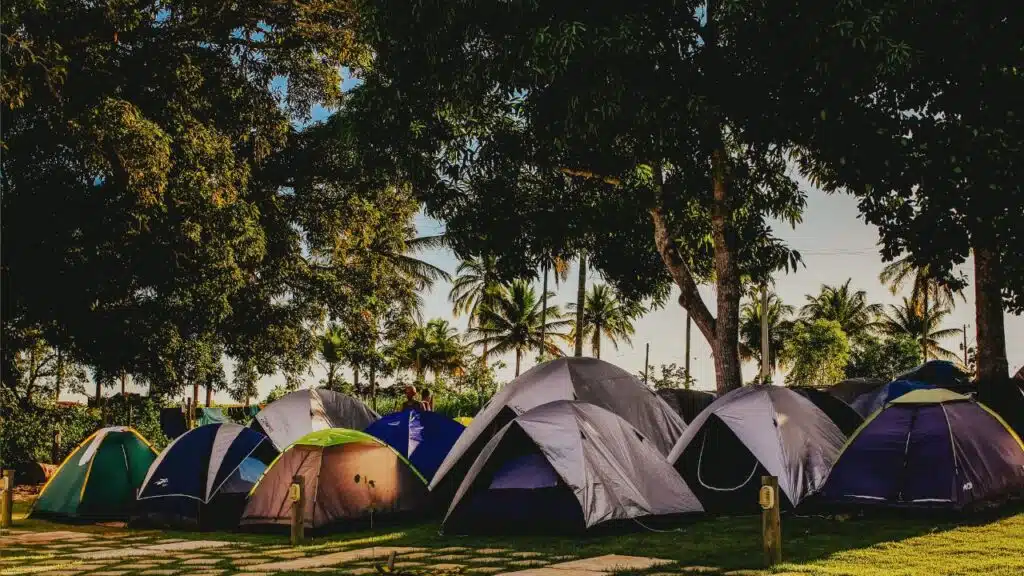
To help you navigate the overwhelming number of options in Cook County, we’ve grouped these top-tier camps by primary interest category.
Category A: Best Overall & Traditional Day Camps
These camps offer a little bit of everything—sports, arts, crafts, and field trips—making them perfect for kids with varied interests or parents who need reliable, full-summer coverage without having to piece together countless specialty one-week camps.
1. Chicago Park District Day Camp
The Chicago Park District is the absolute backbone of summer programming in the city. It is famously affordable and incredibly accessible, with locations in nearly every neighborhood, from Rogers Park down to Morgan Park. For many Chicago families, the local park district camp is a non-negotiable summer staple.
Their traditional 6-week day camps offer a classic summer experience. Activities are highly varied and generally include swimming at park pools (a huge perk during humid Chicago Julys), organized team sports, arts and crafts, and local field trips to beaches or museums. Because these camps are hyper-local, they are excellent for building and maintaining friendships with other children in your immediate neighborhood, fostering a strong sense of community.
Insider Tip for 2026: Registration is famously competitive—often referred to as the “Hunger Games” of Chicago parenting. For Summer 2026, in-person registration is expected to begin around April 19th or 21st, depending on your specific park location. Online registration often opens a few days prior. You must have an account set up beforehand and be logged in the minute it opens to secure a spot at popular parks like Welles, Skinner, or Winnemac.
| Feature | 2026 Details |
| Ages | Typically 6 – 12 years old |
| Typical Dates | Late June to early August (standard 6-week core session) |
| Location(s) | Citywide (hundreds of local parks) |
| Est. Cost | $ (Highly affordable; varies by park but significantly lower than private options. Financial aid is widely available.) |
2. Steve & Kate’s Camp
Steve & Kate’s Camp has revolutionized the summer camp model for modern working parents by offering ultimate flexibility. Unlike traditional camps that require you to commit to specific weeks months in advance, Steve & Kate’s operates on a day-pass system. You buy a “bank” of days and can use them whenever you need, without advance notice. If your plans change and you don’t need camp on a Tuesday, you don’t lose that money.
Their philosophy is entirely self-directed. Campers choose what they want to do minute-to-minute. The camp features various “studios” such as a media lab for stop-motion animation, a sewing salon, a bakery, and plenty of outdoor sports space. This empowers kids to trust their own judgment and deep-dive into projects that actually interest them, rather than following a rigid counselor-led schedule.
Insider Tip for 2026: If you know you will need essentially full-time care, their “Summer Pass” is more cost-effective than buying individual day passes. A major perk is their refund policy: typically, any unused day passes are automatically refunded at the end of the summer, removing the financial risk for parents who aren’t sure of their exact summer travel plans yet.
| Feature | 2026 Details |
| Ages | 4 – 12 years old |
| Typical Dates | Early June through late August (varies slightly by location) |
| Location(s) | Multiple locations including Lincoln Park, West Loop, North Center, and Hyde Park |
| Est. Cost | $$$ (Premium pricing for the flexibility; approx. $115+ per day pass) |
Category B: Top STEM & Educational Camps
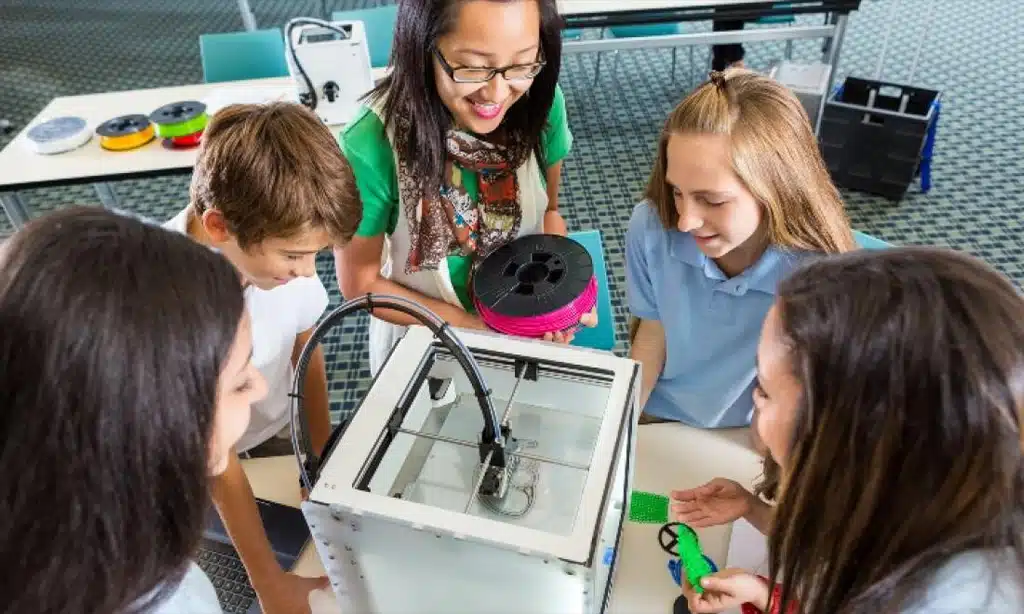
Chicago is home to some of the world’s best museums, and their affiliated summer camps offer unparalleled, behind-the-scenes access to science and history that you can’t get anywhere else.
3. Griffin Museum of Science and Industry (MSI) Summer Camps
For the curious tinkerer or the young scientist who asks “why?” a hundred times a day, the Griffin MSI offers some of the most robust STEM programming in the city. These aren’t just camps; they are hands-on laboratories. Located in Hyde Park, campers get to explore the massive museum exhibits before the general public floods in.
Programs are typically divided by grade level. Younger campers might focus on simple chemistry or basic engineering concepts using LEGOs, while older campers (middle school and up) might dive into complex robotics, 3D printing in the Fab Lab, or environmental science. The curriculum is heavily inquiry-based, encouraging kids to test hypotheses, fail, and try again—the core of the scientific method.
Insider Tip for 2026: Registration for these highly sought-after Chicago summer camps often opens in the winter (Nov-Jan) for the following summer. MSI members get priority registration and a discount on tuition. If you are serious about this camp, buying a family membership ahead of time often pays for itself through the camp discount alone.
| Feature | 2026 Details |
| Ages | Kindergarten – 12th Grade (specific tracks for different levels) |
| Typical Dates | Weekly sessions, July and August |
| Location(s) | Griffin MSI, Hyde Park (5700 S. DuSable Lake Shore Drive) |
| Est. Cost | $$ (Mid-to-High Range; approx. $450-$550 per week) |
4. Shedd Aquarium Camp
Imagine spending your summer literally behind the glass at one of the world’s largest aquariums. Shedd Aquarium camps are a dream come true for animal lovers and aspiring marine biologists. Campers don’t just look at fish; they learn about aquatic ecosystems, global conservation, and animal care directly from the experts who work there.
Activities are broken down by age. Grades K-5 often participate in “Summer Splash,” which includes animal encounters, aquarium exploration, and crafts. Grades 6-8 can join more intensive programs like “Summer Road Trip,” where they might travel to local field sites to explore the Great Lakes ecosystem hands-on, testing water quality and learning about native species. It is an immersive educational experience that feels nothing like standard summer school.
Insider Tip for 2026: Like other museum camps, Shedd camps sell out incredibly fast. They often require campers to bring a nut-free lunch. They do offer limited aftercare spots (usually 3:00 PM – 5:00 PM) for an additional fee, but these spots are even more competitive than the main camp spots, so book them immediately if you need them.
| Feature | 2026 Details |
| Ages | Grades K – 8 |
| Typical Dates | Weekly sessions, June through August |
| Location(s) | Museum Campus |
| Est. Cost | $$$ (Premium; approx $500/week. Members receive discounts.) |
Category C: Best Arts & Performance Camps
Chicago is a global powerhouse for theater, comedy, and music. These institutions open their doors to the next generation every summer, offering training that is renowned worldwide.
5. The Second City Comedy Camp
Confidence, public speaking, empathy, and quick thinking—these are skills that last a lifetime, and they are the core of The Second City’s youth camps. Known worldwide for producing legends like Tina Fey and Stephen Colbert, their Chicago training center in Old Town offers vibrant camps for kids and teens focused on improvisation and sketch comedy.
The environment is incredibly supportive. The “Yes, And” philosophy of improv teaches kids to accept ideas and build on them without judgment, fostering intense teamwork. Sessions usually culminate in a short performance for friends and family on one of the actual Second City stages, which is a massive thrill for the campers.
Insider Tip for 2026: They offer highly specialized tracks for older teens (14-18) who are seriously considering comedy or acting as a career path, including advanced writing labs and stand-up workshops. These can be great resume builders for college applications for arts-focused students.
| Feature | 2026 Details |
| Ages | 7 – 18 years old |
| Typical Dates | Weekly or two-week sessions, June – August |
| Location(s) | Old Town (Piper’s Alley, Wells St.) |
| Est. Cost | $$$ (Approx. $500 – $750 per session depending on length) |
6. Old Town School of Folk Music
The Old Town School of Folk Music is a beloved Chicago institution that firmly believes music is for everyone, regardless of innate talent. Their summer camps are vibrant, loud, and incredibly fun. They are decidedly not stiff conservatory-style lessons; they are about joyful noise and collaboration.
Campers might spend part of their day learning guitar or ukulele chords, another part in a dance circle learning global folk traditions, and another part doing visual arts related to music. It is a holistic arts approach. The counselors are often professional working musicians themselves, bringing an authentic creative energy to the daily schedule that kids really respond to.
Insider Tip for 2026: They have locations in both Lincoln Square and Lincoln Park, but the main hub in Lincoln Square often has the widest variety of concurrent programming. They typically run two major 3-week sessions rather than many 1-week options, so it requires a larger time commitment.
| Feature | 2026 Details |
| Ages | 6 – 11 years old |
| Typical Dates | Session 1: late June – mid July; Session 2: mid July – early Aug |
| Location(s) | Lincoln Square (4544 N Lincoln Ave) and Lincoln Park |
| Est. Cost | $$ (Approx $1,000+ for a full 3-week session) |
Category D: Best Sports & Active Camps
For kids with boundless energy who need to move, these camps provide professional-level instruction and plenty of space to run, jump, and play.
7. Chicago Bulls Summer Academy
For the young basketball fanatic, nothing beats the experience of wearing official Bulls gear and learning from top-tier coaches. The Chicago Bulls Summer Academy runs week-long camps across the entire Chicagoland area, including premium locations at the United Center and the Advocate Center (where the actual team practices).
These camps focus heavily on fundamental skills—dribbling, passing, shooting mechanics, and defense—but they also emphasize sportsmanship, teamwork, and a positive attitude. It is suitable for all skill levels, from absolute beginners to budding AAU players. The absolute highlight for many campers is typical guest appearances by Bulls personalities, alumni, or even Benny the Bull.
Insider Tip for 2026: The camps held at the United Center are by far the most popular and fill up fastest due to the novelty of playing on the home court. If you want that specific location, book as soon as dates are released in early spring.
| Feature | 2026 Details |
| Ages | 5 – 14 years old |
| Typical Dates | Weekly sessions, June – August |
| Location(s) | United Center + various suburban locations (e.g., Hoffman Estates) |
| Est. Cost | $$$ (Varies by location; United Center sessions are premium priced) |
8. Lincoln Park Zoo Camp
Lincoln Park Zoo Camp offers a unique blend of rigorous physical activity and environmental education right in the heart of the city. Because the zoo is free and open, campers get to explore the entire grounds, often before regular visitors arrive in the morning.
It is an active camp; kids will walk a lot! They explore different animal habitats, learn about global conservation efforts, and participate in nature-themed games and crafts. It’s perfect for kids who love being outdoors and active but perhaps aren’t interested in traditional competitive team sports.
Insider Tip for 2026: Registration for Summer 2026 is expected to open in late February 2026. Mark your calendar now. Also note that parking near Lincoln Park Zoo in the peak of summer can be difficult. If you drive for drop-off, budget extra time or utilize their designated drop-off lanes if available to avoid ticketing.
| Feature | 2026 Details |
| Ages | PreK – 8th Grade (Conservation Camp is typically PreK-5) |
| Typical Dates | Weekly sessions, June – August (e.g., July 7-11 confirmed for 2026) |
| Location(s) | Lincoln Park Zoo |
| Est. Cost | $$ (Approx $635/week for non-members; members save ~15%) |
Category E: Unique & Specialty Camps
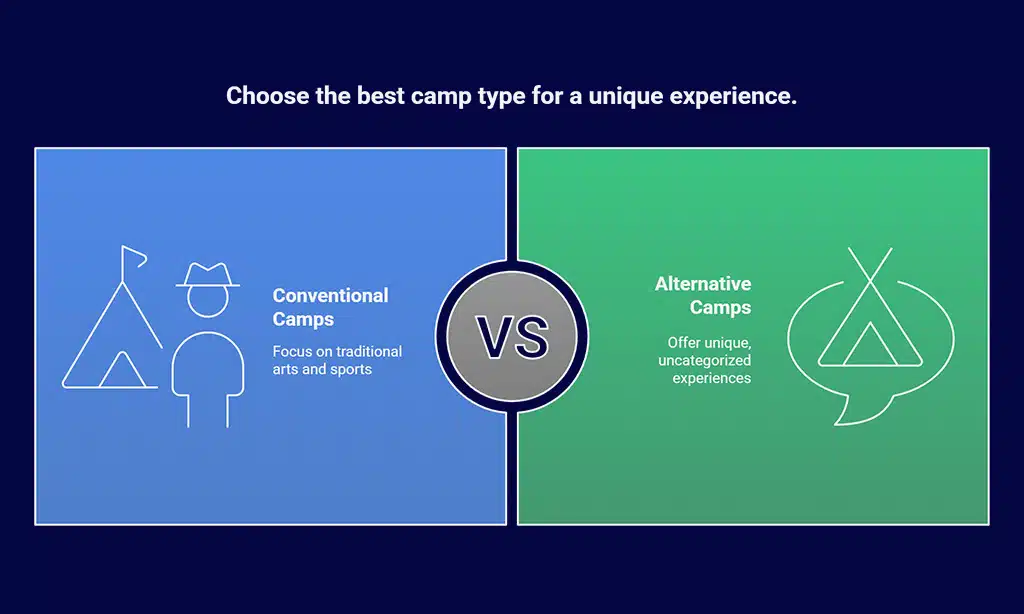
These options break the traditional mold and offer specialized experiences that don’t fit neatly into just arts or sports categories.
9. Camp Galileo
Camp Galileo focuses heavily on “innovation,” blending art, science, and outdoor activities with a specific methodology designed to teach kids how to think like inventors and designers. They might spend one week building functional go-karts and the next designing elaborate, durable medieval castles.
They operate out of various rented school facilities across Chicago (popular locations often include schools in Lincoln Park, Hyde Park, or Wicker Park), transforming them into vibrant “maker spaces” for the summer. Their staff is highly trained in their specific educational philosophy, which encourages making mistakes and iterating as part of the learning process—a vital life skill.
Insider Tip for 2026: Galileo often offers significant “Early Bird” discounts if you register in early spring, as well as multi-week discounts. If you know you need 4+ weeks of camp, booking them all at once here can save you hundreds of dollars compared to other private camps.
| Feature | 2026 Details |
| Ages | K – 8th Grade |
| Typical Dates | Weekly sessions, late June – early August |
| Location(s) | Various neighborhoods (check their site for 2026 school partners) |
| Est. Cost | $$$ (Approx. $500 – $625/week depending on location/discounts) |
10. YMCA Camp MacLean (Overnight Option)
While technically just over the border in Burlington, WI, YMCA Camp MacLean is a staple for Chicago families seeking a traditional overnight camp experience within a manageable driving distance (about 90 minutes from the city).
This is the classic movie version of summer camp: rustic cabins, archery ranges, canoeing on a lake, campfire songs, and capture the flag. For many city kids, this is their best opportunity to truly disconnect from screens, experience deep nature, and gain independence away from their parents for a week or two.
Insider Tip for 2026: If your child is nervous about sleepaway camp, look for their shorter 3-day “Taste of Camp” sessions designed specifically for first-timers. It’s a great low-stakes way to introduce them to the overnight experience before committing to a full 2-week session.
| Feature | 2026 Details |
| Ages | 7 – 16 years old |
| Typical Dates | One and Two-week sessions, June – August |
| Location(s) | Burlington, WI (accessible drive from Chicago) |
| Est. Cost | $$ (Tiered pricing available based on income; generally more affordable than private overnight camps) |
How to Choose the Right Chicago Summer Camp
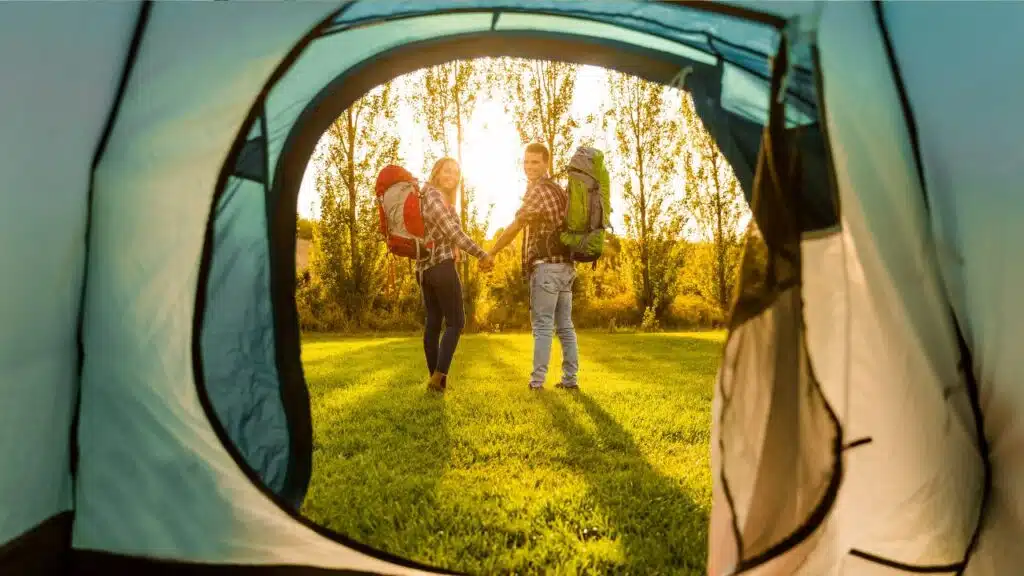
Finding the “best” camp depends entirely on your family’s specific needs and logistics. Here are the three most critical factors to consider when narrowing down this list for 2026.
1. Location & Commute Logistics
In Chicago, geography is destiny. A camp might look amazing on paper, but if it requires driving from Rogers Park to Hyde Park during morning rush hour twice a day, it will quickly become a major source of family stress.
- Traffic Patterns: Deeply consider Lake Shore Drive and Kennedy Expressway traffic during drop-off (usually 8:30 AM – 9:00 AM) and pick-up (3:00 PM – 4:00 PM) times.
- Public Transit: Can older children safely take the CTA to camp? Camps like Second City (Old Town) or those near the Museum Campus are often highly accessible by various bus lines or the ‘L’ train.
- Before/After Care: If you work a standard 9-to-5 day, ensure the camp offers extended care. Many museum camps end strictly at 3:00 PM, which is impossible for many working parents without supplemental after-care programs.
2. Age & Personality Appropriateness
Not every camp fits every child’s temperament.
- Structured vs. Unstructured: Does your child thrive on routine? Traditional camps or museum camps often have very set schedules (e.g., 9:00 AM Science, 10:00 AM Snack, 10:30 AM Outdoor play). If your child hates being managed every minute of the day, a self-directed program like Steve & Kate’s might be a much happier fit.
- Teen Programs: Teens often age out of traditional “kiddie” day camps. Look for Counselor-in-Training (CIT) programs (offered by YMCA and Park District) or specialized advanced tracks like those at Second City or Shedd, which offer more independence and real-world skill-building suitable for college resumes.
3. Cost vs. Value Analysis
Summer camp sticker shock is very real in 2026. When comparing costs, you must look beyond the weekly tuition fee to understand the true value of various Chicago summer camps.
- What’s Actually Included? Does the fee include lunch? (Steve & Kate’s usually does; most others do not, requiring you to pack one daily). Does it include a camp t-shirt, field trip entry fees, or extended care hours?
- Membership ROI: For museum camps (Shedd, MSI, Lincoln Park Zoo), the cost of a family membership ($100-$300) is almost always worth it for the priority registration access alone, even if the direct camp tuition discount is modest.
Chicago Summer Camp FAQs (2026 Update)
When should I register for summer camps in Chicago?
The earlier, the better—and often earlier than you think.
- Private/Museum Camps: Registration often opens as early as January or February for popular private camps and museum programs.
- Chicago Park District: Registration typically opens in mid-to-late April.
- Recommendation: Join the email lists of your top 3 choices now (in winter) so you don’t miss the specific announcement dates.
What is the average cost of a day camp in Chicago?
Costs vary wildly based on the provider and staff ratios.
- Budget: Chicago Park District can be very low cost, sometimes under $200 for an entire 6-week session depending on your family income and location.
- Mid-Range: YMCA or standard private day camps often run $350 – $550 per week.
- Premium: Specialized museum, tech, or highly flexible camps can easily run $600 – $850+ per week.
Are there free or low-cost summer camps in Chicago?
Yes. The Chicago Park District offers arguably the best value, with deeply subsidized rates for city residents and further financial aid available. Additionally, organizations like After School Matters offer world-class summer programs for Chicago teens (ages 14+) that are not only free but actually pay the teens a stipend to attend and learn skills like glassblowing, coding, or urban gardening. Most major museums also have scholarship applications available early in the year for families with demonstrated financial need.
Conclusion: Securing Your Spot at Top Chicago Summer Camps
Summer in Chicago is a truly magical time, and securing the right camp can make it unforgettable for your child. Whether they are exploring the depths of the Shedd Aquarium, learning a new instrument at Old Town School, or just playing tag and eating popsicles in a local park, these Chicago summer camps build confidence, independence, and lifelong memories.
Don’t wait until May to start planning. The best camps for 2026 will fill up fast—some within minutes of opening. We highly recommend picking your top two favorites from this list, marking their exact registration dates on your calendar right now, and getting ready for an amazing summer ahead.
Disclaimer: Camp details, including specific 2026 dates, age ranges, and estimated costs, are based on the most current information available at the time of writing and typical annual patterns. These are subject to change by the camp providers. Always check the official camp websites directly for the most current confirmed information before making plans.




























