Germany’s automotive industry hit 476 billion euros in turnover in 2024. It ranks first for exports. Motor vehicles and parts brought in 262 billion euros, 16.9 percent of all exports.
Volkswagen, Daimler, and BMW stand out. Companies poured 26 billion euros into R&D in 2021. Workers drive electric cars, smart factories, and self-driving systems. The chemical industry supplies battery materials and lightweight components.
Works councils and IG Metall guide labour law and co-determination in plants.
Foreign investors eye battery production and charging infrastructure. They back renewable energy and new energy plans. Small and medium-sized enterprises export parts for solar photovoltaic modules and onshore wind.
Vocational schools train jobseekers in mechanics, software, and occupational safety. Firms add corporate social responsibility to their business models. They follow compliance rules, value-added tax regulations, social security, and labour laws.
This mix keeps Germany’s market economy strong.
Renewable Energy Sector
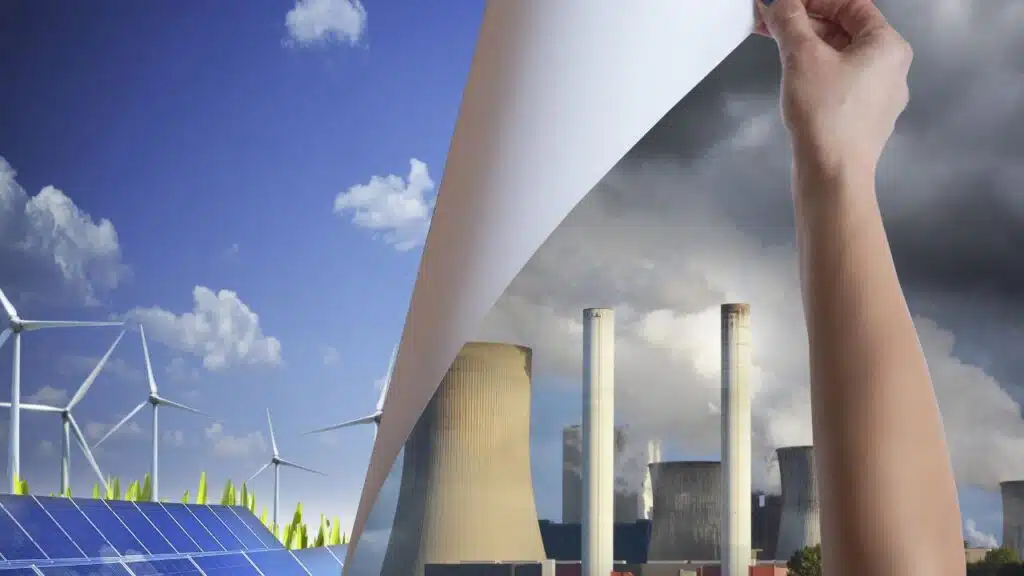
Energiewende policy spurs rapid renewable energy growth. It channels billions in subsidies to solar, wind, and hydrogen hubs. Local small and medium-sized enterprises (SMEs) adopt green technologies with photovoltaic systems on their roofs.
Investors eye energy transition for stable returns and feed-in tariff perks. Policy aims for climate neutrality by phasing out coal and nuclear plants.
Solar panels crowd factory roofs across Bavaria. Blade clusters spin on wind farms by the North Sea shore. Electrolyzer units split water to fill fuel cell trucks with hydrogen fuel.
Government grants fund battery storage and bioenergy plants in rural zones. Energy investors chase grid parity and growth in alternative energy sources.
Machinery and Engineering
Germany’s machinery and engineering field employs about 1.3 million people, mostly in SMEs. It drives high-quality, precision machines. Siemens sets a high bar in electrical engineering.
Firms poured €7.2 billion into research and development in 2021. They focus on environmental technologies and digitalization. They use IoT sensors and 3D design tools. They bring new gear like 3D printing.
They link to renewable energy projects and support exporters.
Workers learn skills in vocational training programs. Trade unions in Germany step in to protect fair wages and safe working hours. Companies hire skilled staff for b2b projects. Investors from the European Union and foreign investors eye this sector.
Machinery exports lift gross domestic product. SMEs tap e-commerce platforms for spare parts sales. They balance innovation and labor laws. They offer a solid path to long term growth.
Healthcare and Biotechnology
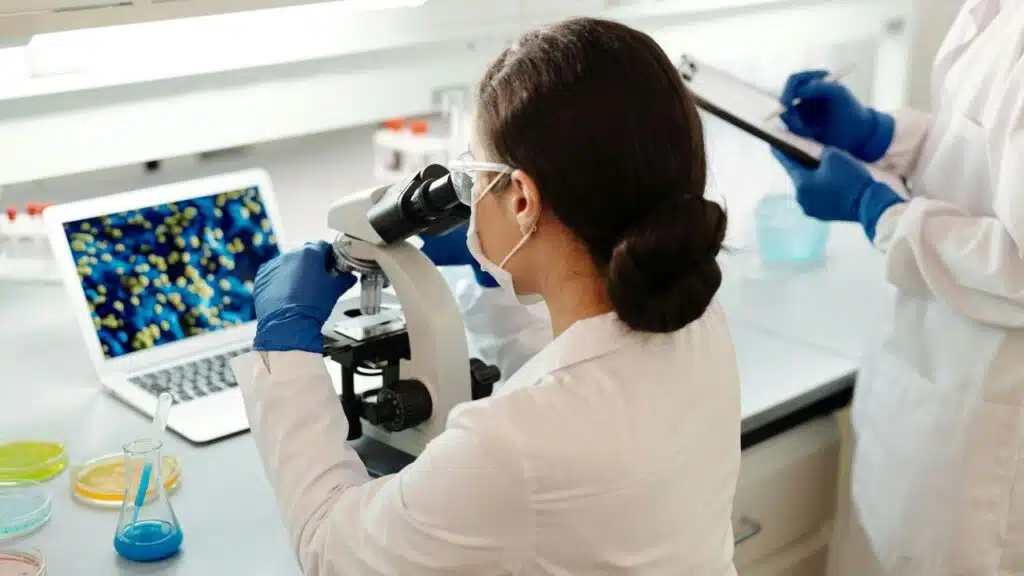
Post-pandemic health awareness and an aging population drive demand for new treatments. German patients booked 10% more telemedicine appointments since 2020. Investors can back pharmaceuticals, medical technology, and digital health solutions.
EU funding supports biotech labs in Bavaria and Berlin. BioNTech hit the headlines with a billion-dollar mRNA vaccine. This sector stands as the largest healthcare market in Europe, with 400 billion euros in yearly spending.
Small and medium-sized enterprises (SMEs) join big stock corporations in lab work. German trade unions campaign for fair personnel levels in clinics. The field adds over 5% to the gross domestic product, and foreign investors watch gene editing tools, smart implants, and wearable devices with keen interest.
Clinics adopt AI robots and smart scanners to speed up scans. Startups code health apps, then list them on online storefronts. Insurance plans cover new drugs, boosting sales and spurring growth in the chemical industry that tests novel compounds.
Patients tap wearable patches to share vitals in real time. Regulatory frameworks speed approvals. VC funds pour cash into this mix of science and finance. That blend drives steady growth.
Information Technology (IT) and Digitalization
Startups thrive in Berlin, they also flourish in Munich. SMEs adopt virtual servers, pattern detection and distributed ledger tools. Investors funneled €5.5 billion into R&D in 2021, they chase gains in cybersecurity, e-commerce, AI and digital transformation.
Enterprise software, SaaS and fintech lead the funding rush. Banks tap PayPal like a Swiss Army knife, they speed payments. Marketing teams tweak digital marketing to meet fresh consumer preferences.
A manager joked that code feels like a secret sauce. Foreign investors scout German ventures, they boost gross domestic product and the German economy. Small firms pick Shopify to open retail stores, they link b2c channels and finances.
Companies use CRM and ERP apps to track inventory and savings. A startup won a grant for a parental leave app, it uses pattern detection. Agriculture firms also digitize machinery, they curb waste.
Manufacturing outfits add containerization for quicker builds.
Sustainable Manufacturing
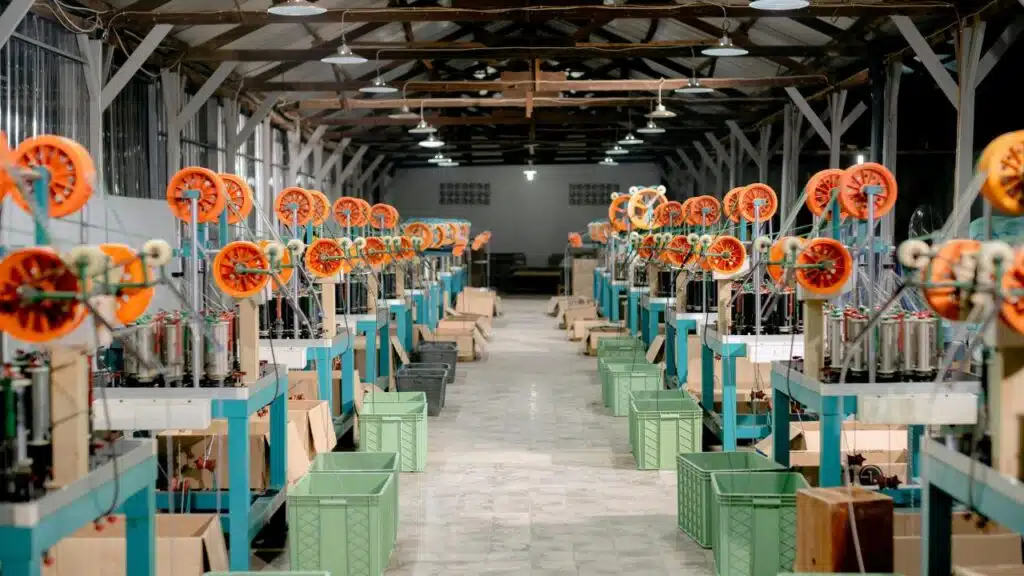
Factories cut waste and use wind turbines and solar panels. Companies fund over two-thirds of R&D, and that marks 3 percent of the gross domestic product (GDP). Managers follow ISO rules and run product life checks.
Circular economy plans loop back scrap, sort plastics, and save energy. The chemical industry trims its footprint, while power comes from renewable energy grids.
Turnover rose to €2,900 billion in 2024, with factories shipping 48.9 percent abroad. Small and medium-sized enterprises (SMEs) zoom into green gear, and foreign investors take note.
Employees get training, the vereinte dienstleistungsgewerkschaft tracks fair wages, and pension plans follow new rules. Firms of all sizes pivot to electric forklifts or low-emission ovens, with mini gmbh shops joining big names.
The automotive sector uses recycled steel and water-based paints to cut emissions.
Food and Beverage Industry
German craft brewers and bakers fuse modern tech with heirloom recipes. They blend tradition and innovation in each loaf and lager. Foreign investors spot openings in organic farming and specialty foods.
Small and medium-sized enterprises run most mills and microbreweries. Many firms choose sole proprietorship as their legal form, which brings personal liability and a hands-on management style.
Bakers follow strict food safety standards, and grocers track items with management software. Packaging machines seal goods, and cold storage keeps flavors fresh. Chemical industry partners supply natural extracts and colorants.
Labor costs tie to the €12 minimum wage. Investors can tap this resilient market slice.
Logistics and Transportation
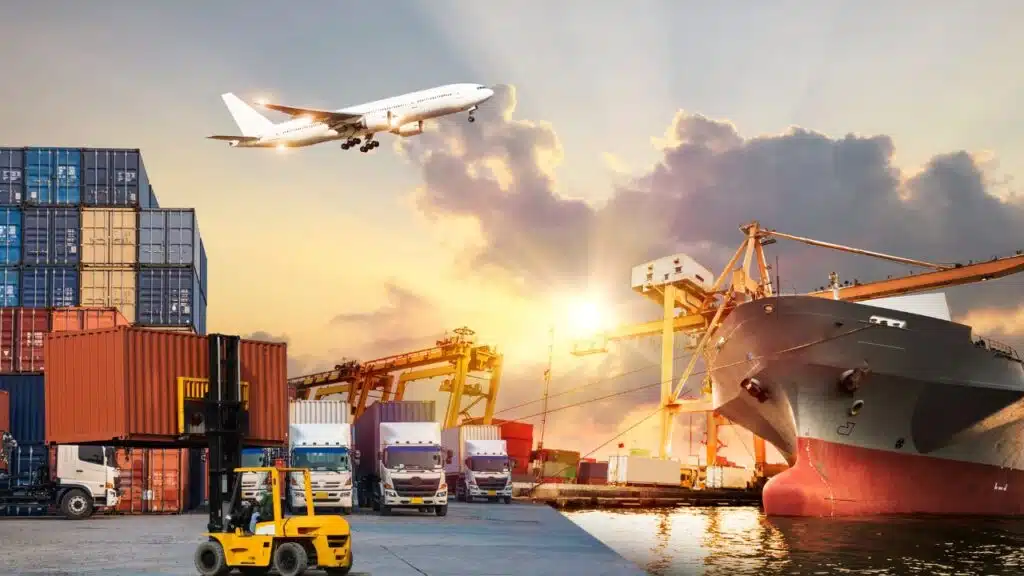
Trucks, trains and ships move goods across Europe. Germany sits at the center of major routes, boosting export power. It ranks third after China and the United States in trade volume.
The Port of Hamburg links ships to rail lines. Cargo airports handle high value parcels too. Firms lean on intermodal networks for speed and green goals.
Logistics firms use Transportation Management Systems and Warehouse Management Systems. A TMS cuts route costs, a WMS tracks stock. Many small and medium-sized enterprises, along with foreign investors, adopt these tools.
They shore up supply chains, lift efficiency, and support the nation’s gross domestic product.
Takeaways
Investors see clear data, they see growth. GDP gains hit 19.7%, exports near 49%. Car makers drive 476 billion euros in sales. Machine craft firms, many small and medium-sized, hire 1.3 million, they thrive.
Patents soared to 25,000 this year. Training programs forge skilled staff. Social duty rules shape greener goals. This mix invites bold bets and smart moves.
FAQs
1. How does the automotive industry shape Germany’s economy?
It adds a chunk to the gross domestic product (gdp), it draws foreign investors, it employs skilled workers. It runs like a well oiled machine, day in, day out.
2. Why are renewable energy and the chemical industry top choices?
Renewable energy cuts carbon, it taps wind and sun. The chemical industry makes key goods, it feeds other markets. They work side by side, like peanut butter and jelly.
3. What role do small and medium-sized enterprises (SMEs) have?
SMEs drive fresh ideas, they fill gaps in pet care, english language teaching, construction. They keep the local markets alive. Without them the economy would stall.
4. How do foreign investors impact these fields?
Foreign investors bring capital, they spark new projects. They take part in construction, automotive industry, chemical industry, even pet care. Their funds fuel bold moves and fresh growth.