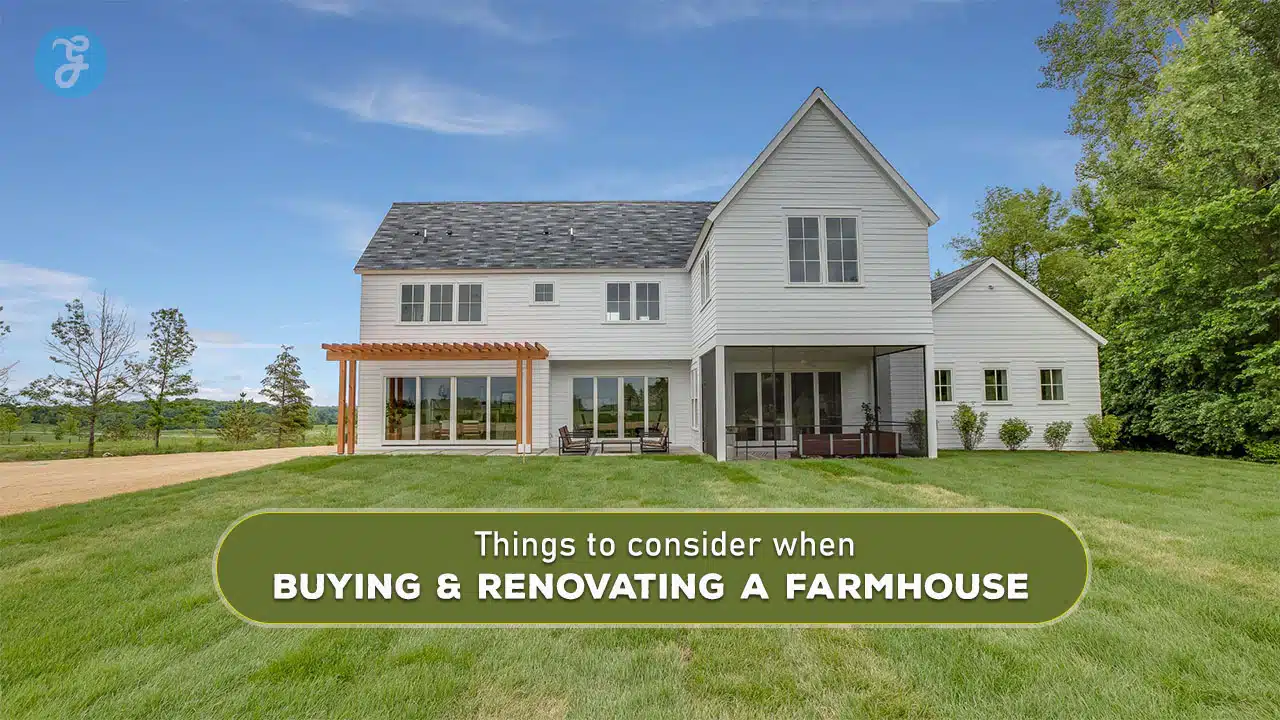
Farmhouses hold a special charm that modern homes often lack. They evoke a sense of nostalgia, history, and simplicity, offering an escape from the hustle and bustle of urban life.
But owning and renovating a farmhouse isn’t always as easy as it may seem. There are several unique factors to consider before embarking on such a project.
This article will guide you through ten key considerations to ensure a successful renovation and buying experience, covering everything from location to future maintenance.
10 Things To Consider When Buying and Renovating a Farmhouse

Here is what your checklist should look like before you buy or renovate a Farmhouse.
1. Location and Accessibility
One of the first things to consider when purchasing a farmhouse is its location. Farmhouses are often situated in rural or semi-rural areas, which means you’ll need to think about how far away you are from essential services and amenities.
While the allure of a secluded farmhouse may seem appealing, it’s important to weigh the pros and cons of its location.
Rural vs. Suburban Areas
Farmhouses are typically found in rural areas, but some can also be located in more suburban settings. If you’re considering a rural farmhouse, remember that these areas often lack the convenience of nearby hospitals, grocery stores, or schools.
In emergencies, the time it takes to reach such services can be significantly longer than in urban settings. On the other hand, suburban farmhouses may offer more amenities but less land and privacy.
Access to Utilities
Another critical factor is access to utilities like electricity, water, and internet. Many rural farmhouses may not have access to modern infrastructure, so you’ll need to check whether the property is connected to the electrical grid or water supply.
If it isn’t, you may need to consider installing solar panels, a well, or a septic tank. Additionally, internet access can be unreliable in rural areas, so if you work from home or rely on online services, this could be a deal-breaker.
Bonus Tip: Research Zoning Regulations
Before you buy a farmhouse, ensure you research local zoning regulations. Some areas have strict rules regarding renovations, land use, and future urban development. Knowing what’s allowed and what isn’t can save you from future headaches.
2. Property Size and Land Usage
When buying a farmhouse, you’re not just purchasing a building—you’re also buying land. The size and quality of the land can greatly impact how you use it and how much maintenance it will require.
Evaluating the Size of the Property
The first thing to assess is whether the size of the property fits your needs. If you’re planning on farming, gardening, or raising animals, you’ll need a large plot of land. On the other hand, if you’re looking for a cozy retreat with minimal outdoor responsibilities, a smaller property might be more appropriate.
Land Features to Consider
Farmhouses often come with various natural features such as streams, forests, or hills. While these can add beauty to the property, they may also require extra maintenance. For example, a stream might require regular upkeep to prevent flooding, while forests may need to be managed to avoid overgrowth or fire hazards.
Maintenance Considerations
More land means more maintenance. This includes tasks like mowing the lawn, maintaining fences, and managing the landscape. If the property has any agricultural potential, you’ll need to think about soil quality, drainage, and whether the land can support crops or livestock.
Bonus Tip: Verify Land Boundaries and Water Rights
Before purchasing, verify the exact boundaries of the land and ensure you have access to water rights. In rural areas, these factors can often lead to disputes or unexpected costs.
3. Structural Integrity and Building Condition
Farmhouses are often decades or even centuries old, which means they come with their fair share of wear and tear. Before committing to a purchase, it’s essential to thoroughly assess the structural integrity of the farmhouse.
Foundation and Frame Assessment
One of the first things to check is the foundation. Cracks in the foundation can be a sign of serious structural problems that may require costly repairs. Similarly, inspect the frame of the building for any signs of rot, termite damage, or mold.
Hiring a Professional Inspector
Given the age of most farmhouses, it’s highly recommended that you hire a professional inspector to evaluate the condition of the property. They’ll be able to assess critical areas such as the roof, insulation, plumbing, and electrical systems.
Preserving Historical Elements
Many farmhouses come with historical elements like wooden beams, stone walls, or vintage fixtures. While these can add character to the home, they may also need restoration. You’ll need to decide whether to preserve these elements or replace them with modern alternatives.
Bonus Tip: Factor in Restoration Costs
If you plan to preserve original features, be prepared for higher restoration costs. Replacing a wooden beam with a historically accurate piece, for instance, may require specialized labor and materials.
4. Renovation Costs and Budgeting
Renovating a farmhouse is often a more expensive and involved process than renovating a standard modern home. Because of the building’s age and unique characteristics, the costs can quickly add up.
Breaking Down Renovation Costs
Renovation costs can vary widely depending on the condition of the property and the scope of the project. Some of the most common expenses include:
- Roof Replacement: Older roofs may need to be entirely replaced.
- Plumbing and Electrical Upgrades: Outdated systems often need modernizing to meet current safety standards.
- Insulation and Windows: Farmhouses are often poorly insulated, so upgrading windows and adding insulation can significantly improve energy efficiency.
Contingency Budget
Unexpected costs are inevitable when renovating an older property. It’s essential to allocate a contingency budget of at least 10-20% for unplanned expenses. These can include discovering hidden structural damage or needing to replace outdated materials that no longer meet building codes.
Sourcing Materials
Renovating a farmhouse often requires unique materials to preserve its charm and historical accuracy. Custom wooden flooring, reclaimed stone, or vintage fixtures may be more expensive and harder to find. Plan for additional time and expense if you want these special touches.
Bonus Tip: Compare DIY vs. Professional Help
While DIY renovations can save money, farmhouses often require specialized labor due to their age and materials. Determine what tasks you can handle yourself and which ones are better left to professionals.
5. Farmhouse Layout and Floor Plan
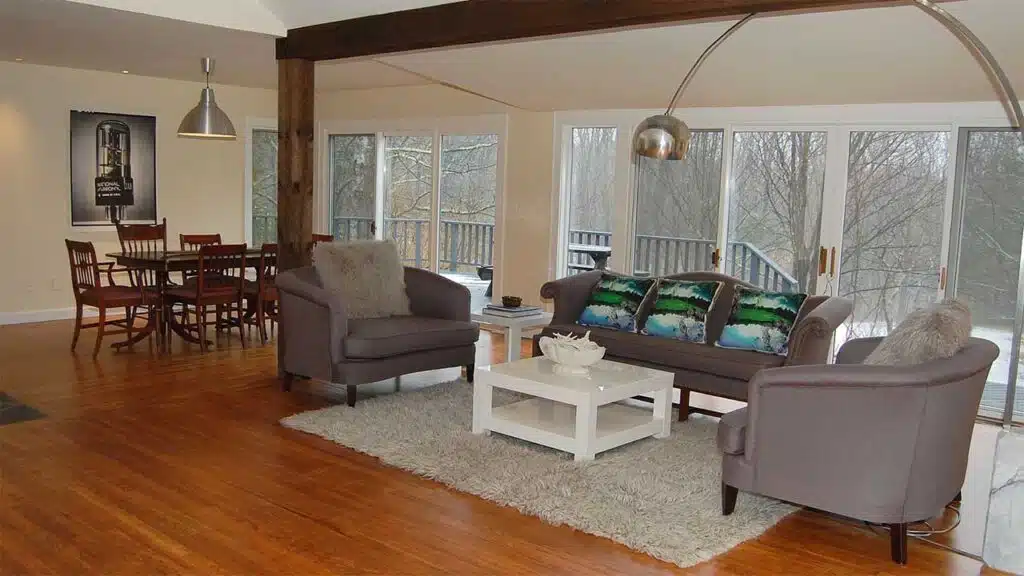
Farmhouses often have traditional, compartmentalized floor plans that don’t align with modern living preferences for open spaces. You’ll need to consider how the existing layout fits with your lifestyle and what changes might be necessary.
Modern Living in a Farmhouse Layout
Traditional farmhouses were built with many small rooms to conserve heat, while today’s homeowners often prefer open-concept spaces. Renovating the layout can involve removing walls, which may require structural reinforcements, especially in older homes.
Incorporating Modern Amenities
Updating the layout to accommodate modern conveniences is another consideration. Farmhouses often lack large kitchens, central heating, or modern bathrooms. Installing these features will not only improve comfort but also increase the property’s value.
Repurposing Existing Spaces
Farmhouses often come with extra structures like barns, attics, or basements. These can be repurposed into guest rooms, home offices, or workshops. Make sure to evaluate the condition of these spaces and plan for the necessary renovations.
Bonus Tip: Follow Farmhouse Design Trends
When renovating, consider incorporating popular farmhouse design elements like exposed beams, shiplap walls, and rustic finishes. These touches can help maintain the character of the home while enhancing its aesthetic appeal.
6. Local Building Codes and Permits
Navigating building codes and permits can be one of the trickiest parts of renovating a farmhouse. Each area has its own rules and regulations, and farmhouses, in particular, may face additional restrictions if they are considered historic properties.
Understanding Local Building Laws
Before starting any renovations, it’s crucial to understand the building codes in your area. These laws dictate what changes you can make to the property and may require specific permits for certain types of work, like adding an extension or upgrading the electrical system.
Permits for Historic Properties
If the farmhouse is classified as a historic property, you may need special permits to make changes. These regulations are in place to preserve the historical integrity of the building, but they can also limit what you can do. Be prepared for longer approval times and possibly higher costs.
Bonus Tip: Work with Local Contractors
Hiring contractors who are familiar with the local building codes and permit process can save you time and hassle. They’ll know what’s allowed and can help you navigate the regulatory landscape more efficiently.
7. Environmental and Sustainability Factors
Sustainability is an important consideration for any renovation project, and farmhouses offer unique opportunities to implement eco-friendly practices.
Sustainable Renovation Options
There are several ways to make your farmhouse more sustainable:
- Solar Panels: These can provide renewable energy and reduce long-term electricity costs.
- Energy-Efficient Windows: Old farmhouses often have drafty windows, which can be replaced with energy-efficient alternatives.
- Rainwater Collection: This system can be used for irrigation or even household water supply with proper filtration.
Minimizing Environmental Impact
Farmhouse renovations often involve working with large plots of land, which means you need to consider the environmental impact of your project. Avoid disturbing natural habitats and use eco-friendly building materials when possible.
Bonus Tip: Invest in Proper Insulation
Farmhouses are notorious for poor insulation, leading to higher energy bills. Installing modern insulation can drastically reduce heating and cooling costs, making your home more energy-efficient.
8. Farmhouse Aesthetics and Style
One of the biggest appeals of a farmhouse is its aesthetic charm, and balancing tradition with modern comforts is key to a successful renovation.
Preserving the Rustic Charm
Farmhouses are known for their rustic features, like wooden beams, stone walls, and vintage fixtures. Preserving these elements can add to the home’s character, but it’s important to balance them with modern conveniences.
Farmhouse-Inspired Interior Décor
Interior décor plays a crucial role in maintaining the farmhouse aesthetic. Popular design choices include:
- Reclaimed Wood Furniture: Adds a rustic touch while being environmentally friendly.
- Shiplap Walls: A staple in farmhouse design that provides a cozy, vintage feel.
- Vintage Lighting: Using retro-style fixtures can enhance the ambiance of your farmhouse.
Exterior Renovation Tips
Restoring the exterior of the farmhouse can include updating the porch, replacing windows, and fixing the roof. Focus on using durable materials that mimic the original design while providing modern durability.
Bonus Tip: Work with a Farmhouse Designer
If you’re struggling to strike the right balance between tradition and modernity, consider hiring a designer who specializes in farmhouse renovations. They can help you preserve the charm while integrating new features.
9. Outdoor Features and Landscaping
The outdoor space of a farmhouse is just as important as the interior, and thoughtful landscaping can significantly enhance the overall appeal of the property.
Planning Your Landscape Design
Consider the natural features of the land when planning your landscape. Farmhouses often come with large yards, which can be used for gardens, orchards, or outdoor entertaining areas. Be mindful of any slopes, drainage issues, or existing vegetation that may need to be managed.
Sustainable Landscaping Practices
To minimize water usage and maintenance, consider implementing eco-friendly landscaping practices like xeriscaping, which uses drought-tolerant plants. You can also plant native species that are well-suited to the local climate, reducing the need for extra care.
Outdoor Living Spaces
Building outdoor living areas, such as patios, fire pits, or gazebos, can greatly increase the functionality of your outdoor space. These features are perfect for entertaining and can also add value to your property.
Bonus Tip: Plan for Seasonal Changes
Farmhouses are often located in areas with harsh winters or hot summers. Plan your landscaping with the seasons in mind, choosing plants and materials that can withstand local weather conditions.
10. Future Maintenance and Long-Term Considerations
Owning a farmhouse isn’t just about the initial renovation—it’s also about long-term upkeep. Regular maintenance is crucial to preserving the condition of the property.
Routine Maintenance Tasks
Some routine tasks to keep in mind include:
- Roof Inspections: Older roofs may need to be checked annually for damage.
- Pest Control: Farmhouses, especially in rural areas, are prone to pests like rodents and insects.
- Gutter Cleaning: Regular gutter cleaning is essential to prevent water damage, particularly in older homes with less efficient drainage systems.
Seasonal Upkeep
Depending on your location, you’ll need to prepare the farmhouse for seasonal changes. This can include winterizing pipes, reinforcing insulation, or managing dry conditions in the summer.
Integrating Modern Technology
Modern technology can make maintaining a farmhouse much easier. Smart home devices like security cameras, smart thermostats, and automated irrigation systems can help manage the property efficiently.
Bonus Tip: Join a Farmhouse Community
Whether online or local, joining a community of farmhouse owners can be invaluable. These groups often share tips, advice, and recommendations for maintaining and renovating farmhouses.
Conclusion
Renovating a farmhouse is a unique and rewarding experience that requires careful planning and thoughtful decision-making.
From choosing the right location and assessing the property’s structural integrity to balancing aesthetics with modern comforts, each step of the process presents its own challenges and opportunities.
By considering these ten key factors, you can transform an old farmhouse into your dream home while preserving its historical charm for future generations.
Whether you’re drawn to the peaceful countryside lifestyle or the architectural beauty of farmhouses, your investment in time and resources will ultimately pay off in creating a space that’s truly one-of-a-kind.