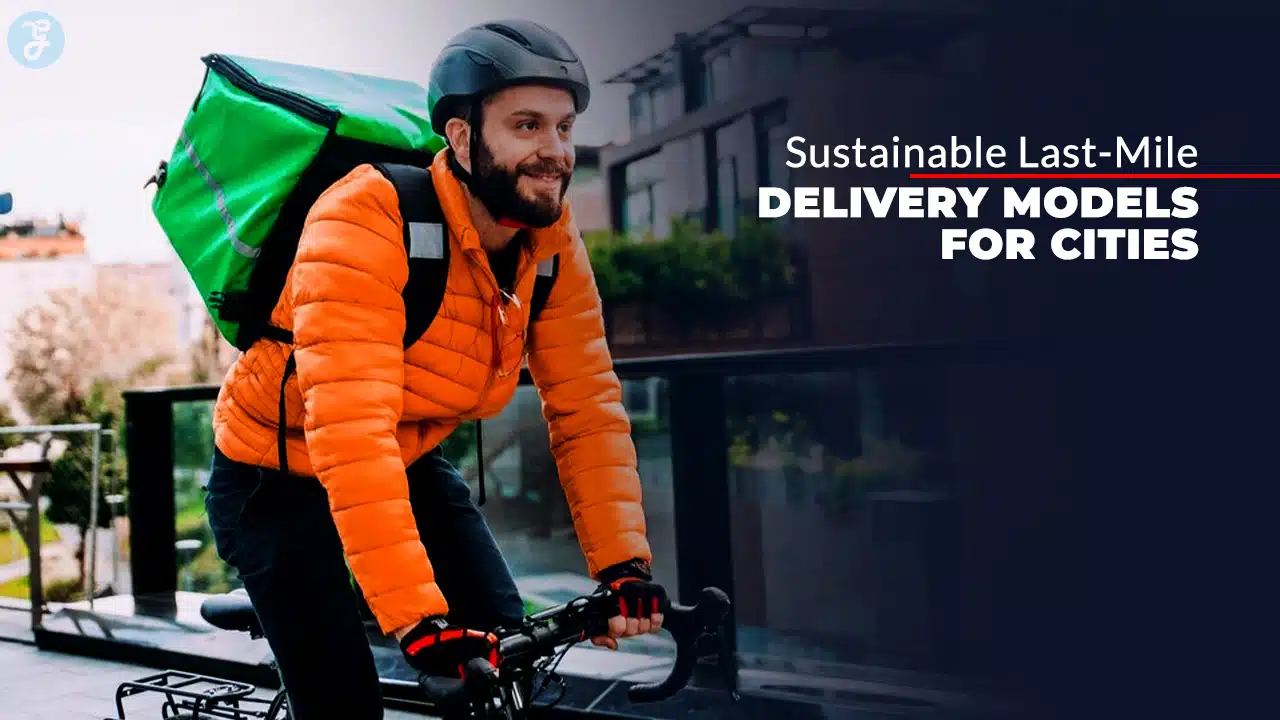
Do you ever wait by the door, watching trucks stuck in traffic? In 2023, last-mile delivery made up 53% of total shipping costs. We’ll show seven models, from microhubs and cargo bikes to electric vehicles and internet of things tools, that cut carbon and clear streets.
Read on.
Key Takeaways
- Microhubs pop up in city streets. They cut carbon by 93% and traffic by 11%. In Berlin’s 2020 KoMoDo, e-cargo bikes moved 160,000 parcels and saved 11 tons of CO2.
- Parcel lockers sit near shops and transit hubs. They cut delivery trips by 15%, traffic by 2%, and costs by 15%. They win 70% of shopper support and avoid 23% of missed-drop losses.
- Electric vans slash emissions by up to 85% over diesel trucks. Zero-emission zones trim city pollution by 55%. AI tools shift charging to off-peak hours to lower power bills.
- Crowdshipping grew 290% since 2019 and cut standard delivery time from 2.36 to 2.15 days. Self-driving electric vans cut idle time by 3% and bring down carbon emissions by 9%.
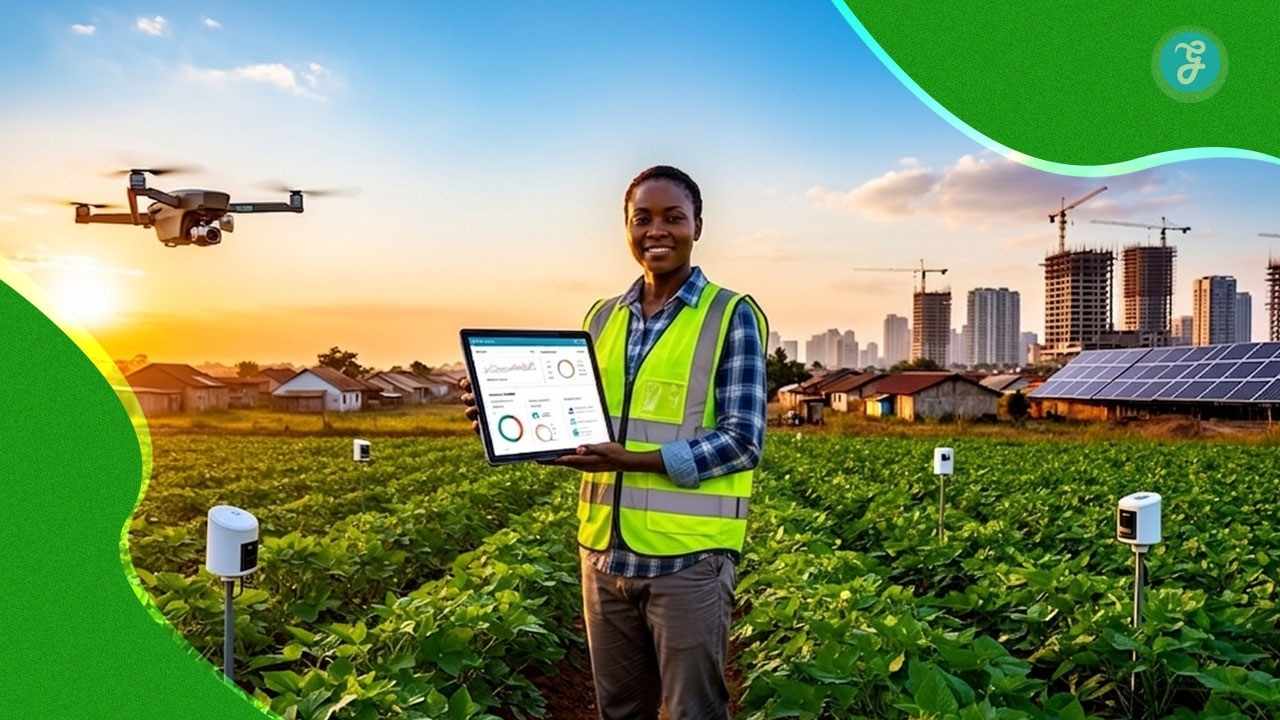
- AI routing and IoT sensors map faster lanes, cutting idle miles and traffic by 3%. Pittsburgh pilots saw 23% shorter loading stays and saved 12 metric tons of CO2.
How do microhubs improve urban logistics?
Microhubs pop up in inner-city spots, like unused parking bays near stores. They serve as mini depots for last-mile delivery. Trucks offload pallets at these points. Cargo-bike couriers scoop up parcels in minutes.
This tweak cuts carbon emissions by 93 percent and reduces traffic congestion by 11 percent. The furniture giant even uses its city outlets as shift points for urban goods. The package carrier, here in New York, turns delivery vans into moving hubs, swapping loads to bikes at curbside.
Such tweaks trim supply chain miles and clear clogged streets.
Germany’s capital launched the KoMoDo project in 2020. Electric cargo cycles carried 160,000 parcels, saving over 11 tons of CO2. Smart-city tools and IoT sensors cut urban air pollution and paint a real-time map of package flow.
A simple app taps predictive analytics to sort stops. Drivers and couriers work in sync, like clockwork. City planners cheer lower carbon footprints and leaner delivery circuits.
How can parcel lockers make pickups more convenient?
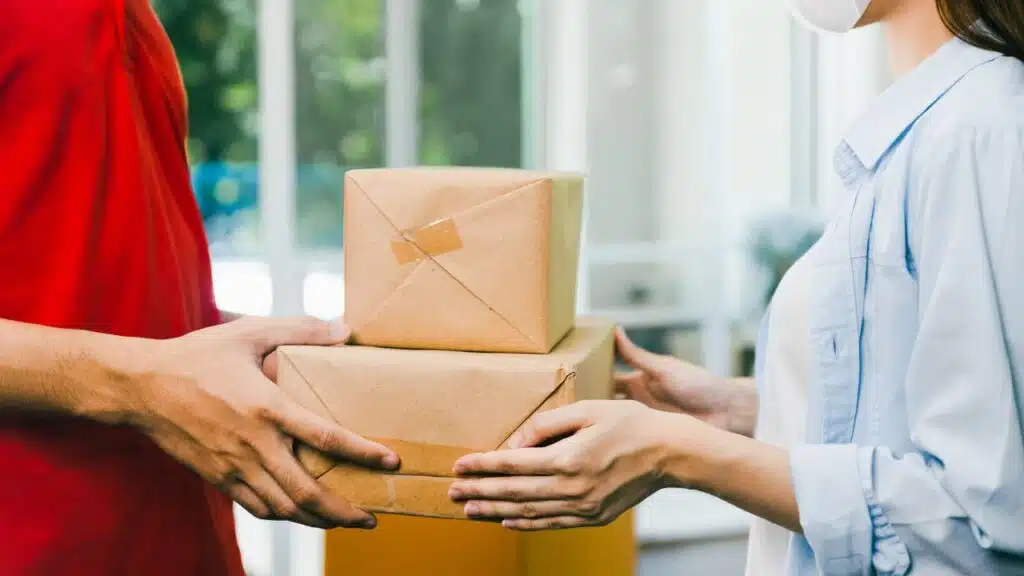
Parcel lockers speed up last mile delivery. Lockers trim delivery trips by 15 percent. They curb traffic congestion by two percent. Carriers cut costs by 15 percent. App alerts guide shoppers to a smart unit that stores parcels.
QR codes unlock cubicles within minutes.
PUDO networks place lockers near retail stores or transit hubs. Smart units use IoT sensors and cloud tools. This model appeals to 70 percent of shoppers who value sustainable last mile delivery.
Shoppers skip a missed drop. They avoid wait times that kill 23 percent of orders. Fee cuts curb cancellations linked to shipping fees for 48 percent. Under 30 percent will pay extra for a green pickup.
What are the benefits of electric and zero-emission delivery vehicles?
Electric delivery vans slash carbon output. They cut emissions by up to 85 percent compared to diesel trucks. Zero-emission zones help trim citywide pollution by as much as 55 percent.
Drivers in Shenzhen power 26 percent of logistics vehicles with batteries. Quiet motors ease traffic congestion and calm busy streets. Air monitors report lower PM 2.5 near major hubs.
AI tools like Hitachi ZeroCarbon shift charging to off-peak hours, so fleets dodge high power bills and the grid stays stable. Internet of Things sensors link trucks with smart grids, creating a mesh of data and clean power.
This blend of technology and renewable energy sources cuts fuel consumption and shrinks carbon footprints. Smart city pilots already see smoother flows and stronger sustainable last-mile delivery.
Why choose bicycle and cargo bike deliveries for last-mile?
Last-mile delivery grinds traffic. Two-wheelers jam roads. They slice jams like a hot knife through butter. Swapping ICE bikes for electric ones slashes emissions by 90% and shrinks costs by 22%.
Cargo bikes fit tight alleys and dodge congestion. They boost urban logistics. They breathe fresh air into street life.
Berlin’s KoMoDo team proved the power of e-cargo carriers. It dropped 160,000 parcels and shaved off over 11 tons of CO2. UPS in New York loads trucks as mini hubs, then shifts parcels to bikes.
This move blends supply chain management, agent-based modeling for traffic simulation, IoT tracking, and sustainable energy ideas. The result? Scalable zero-emission vehicles rule the block, cut carbon impacts, and charm smart cities fans.
What is crowdsourced delivery and how does it work?
Crowdshipping uses local couriers, commuters, and gig workers to move parcels. App platforms match them to b2c orders from online shops. Drivers accept tasks via ai-powered systems that guide route planning.
Urban logistics teams adopt this model to cut expenses and curb vehicular traffic. Cities report fewer delivery trucks on streets, which slashes traffic congestion. Sensors on parcels link to Internet of Things (IoT) networks and feed predictive models.
Grocery quick-commerce deliveries grew 290 percent since 2019, spurring more signups. Platforms send live order data over IoT channels to driver apps. Algorithms divide tasks into clusters that follow climate neutral routes.
Delivery time fell from 2.36 days in 2022 to 2.15 days in 2023 for standard orders. Many couriers choose zero emission vehicles or cargo bikes to earn carbon offsets. Researchers use a systematic literature review and agent-based simulation to gauge behaviour and environmental impacts.
How do autonomous delivery vehicles operate in cities?
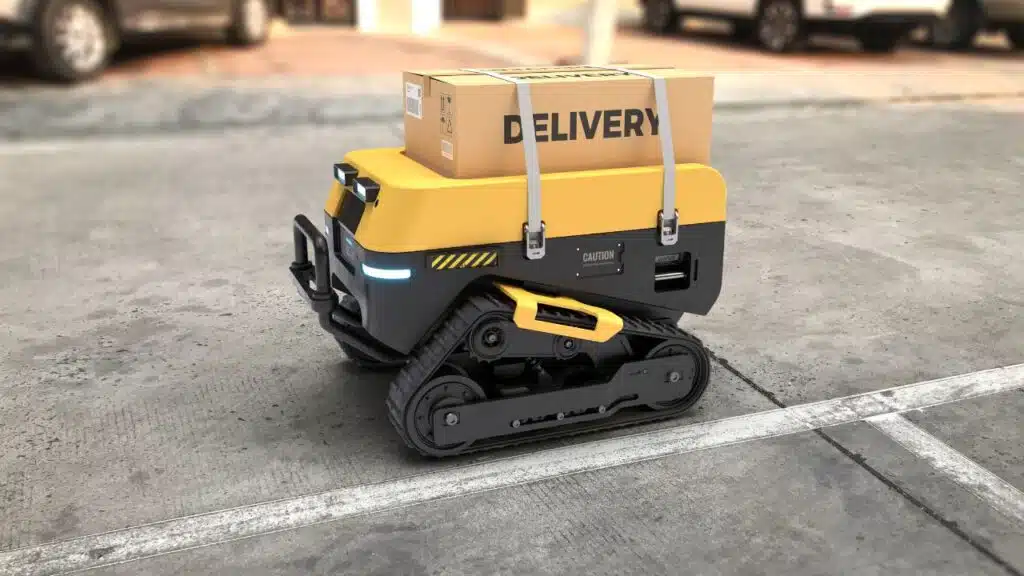
Sensors, cameras, and artificial intelligence guide self-driving vehicles through busy streets. They link to local depots and parcel terminals in ecommerce networks. Routing algorithms from agent-based modelling point them to customers on the first try.
They draw power from electric vehicles fleet plans to meet zero-emission targets. They cut carbon output by as much as 85% and dodge low-emission zones that ban fossil trucks. Urban logistics flows improve, and traffic congestion falls.
Smart kerbside management systems let them load parcels without blocking lanes. They sync with traffic lights to slash idle time, trimming congestion by 3% and carbon emissions by 9%.
City planners, carriers, and tech firms pool data over the internet to boost efficiency. Research questions on sustainability assessment and interoperability shape new regulations.
This teamwork drives sustainable last-mile delivery and fights global warming.
How can smart routing and scheduling systems optimize deliveries?
Smart routing uses AI and geographic data to map faster lanes in city streets. It trims idle miles in urban logistics and boosts energy efficiency. It reduces traffic congestion by 3% and cuts emissions by 9%.
Pittsburgh Smart Loading Zones show real results, with 40% more turnover and 23% shorter stay times. That saved 12 metric tons of CO2 each year. Southwark, London saw 21% more delivery tasks handled and fewer exhaust fumes.
How does integration of collection-and-delivery points enhance efficiency?
Parcel lockers and pick-up centers sit near shops and homes. They cut delivery trips by 15%, curb traffic congestion by 2%, and slash costs by 15%. These hubs boost urban logistics and streamline last-mile delivery.
Shoppers grab parcels on the go with smartphone apps or kiosk codes. That meets the 68% who want shorter delivery windows. Operators swap diesel vans for electric vehicles or drone deliveries for greener runs.
Route planning tools tie into this set-up. City officials tie hubs into urban planning for green growth. AI and vehicle tracking cut idle time and emission spikes.
Why is collaboration between stakeholders vital for urban freight?
City planners talk with couriers, charging firms and tech teams to build electric vehicle hubs and share route data. They plug in smart charging stations at microhubs and link AI tools to match loads with vans, bikes and drones.
This pact cuts traffic congestion, speeds up sustainable last-mile delivery and smooths urban logistics.
Rotterdam plans a zero emission freight zone by 2025. It also tests AI routing in its port areas. Zenob raised £410 million in the UK to electrify fleets. Delhi offers subsidies and financing so delivery services swap diesels for green trucks.
What are the benefits of sustainable last-mile delivery models?
Urban logistics gains a green boost from electric vehicles that cut carbon emissions up to 85%. Zero-emission zones drive a 55% drop in greenhouse gases, and e-bikes shrink CO2 by 90% while slashing last-mile delivery costs by 22%.
Microhubs trim emissions by 93% and ease traffic congestion by 11%. Parcel lockers and PUDO networks lower delivery trips by 15%, cut congestion 2%, and reduce costs 15%. Unmanned aerial vehicles, or drones, could slash congestion by 913% in busy districts.
Businesses save money and spare roads with cargo bike and bicycle deliveries that slash expenses and curb air pollution. Many delivery services tap artificial intelligence and smart routing systems to dodge gridlock and speed up online shopping.
Advanced logistics management spurs synergy between couriers, retailers, and local planners. These innovations fight climate change, support carbon removal, and meet rising demand from eco-aware consumers.
What challenges and barriers affect implementation of these models?
Cities face cost barriers for sustainable last-mile delivery schemes. Firms must buy electric vehicles, install microhubs and locker banks. Those costs can hit budgets hard. London delivery firms may pay $540 million in emission fines plus $520 million in traffic fees by 2030.
Seoul operators could face $180 million in low-emission zone penalties. They may add 12 percent to delivery costs. Such fees drive talk about cost recovery. Teams fight to balance budgets.
Regulators slow self-driving van trials with rules and permits. Firms wait on clear guidelines for driverless cargo pods. They need to test them on real streets. Staff must learn to use GIS mapping apps and AI software for route planning.
Companies call for more quantitative data on traffic flows and risk models. They seek proof that new systems can cut congestion, reduce nitrogen oxide levels and tame traffic. Low tech skills and lack of funding also block progress.
Takeaways
Smart hubs, parcel lockers and electric vehicles ease deliveries, they cut carbon and curb traffic. Bicycles haul small loads swiftly, they slip past jams with a grin. Flying devices drop tiny parcels on doorsteps, they lift the load from busy streets.
Mobile apps tap AI for sharp route maps, they save fuel and cut clock ticks. Street air tastes sweeter, budgets breathe easier, and shoppers cheer quick, green drops.
FAQs
1. What is sustainable last-mile delivery?
It is the final leg of delivery in urban logistics. It uses green tech to slash traffic congestion. It blends electric vehicles, drone delivery and other tools. It leans on alternative fuel to lower emissions.
2. How do electric vehicles help in city delivery?
They run on clean power like wind energy. They cut nitrogen oxides, they dodge fuel stops. They boost business logistics by moving goods without fumes. They fit city plans for urbanization and drive down carbon.
3. What role does drone delivery play?
It flies goods above jammed roads. It taps artificial intelligence (ai) to chart best routes. It skips traffic congestion in dense areas. Yet it needs maps that factor in city geography. Think of it like a bird grabbing a snack, it swoops in and lands near your door.
4. How can cities shift modes and meet consumer demand?
Cities can nudge a modal shift by tracking consumer behavior. They ask folks what they want, run quick tests, learn fast. They lean on social and behavioral sciences to shape smart plans. They weigh each model’s value proposition with qualitative analyses.
5. How can cities pick the best delivery model?
They scan Web of Science for real world tests, they lean on critical analysis to spot wins and flops. They study forest management for green path ideas. They fit lessons into business logistics in tight streets. They check if each choice works sustainably before they buy in.