Many travelers worry about staying safe while exploring Puerto Rico. This beautiful Caribbean island actually has lower crime rates than many U.S. cities, making it one of the safest destinations in the region.
These 12 practical safety tips will help you enjoy your trip to San Juan, Old San Juan, and beyond with complete confidence. Your Puerto Rican adventure awaits.
Key Takeaways
- Puerto Rico has lower crime rates than many U.S. cities, making it one of the safest Caribbean destinations for travelers.
- Hurricane season runs from June 1 to November 30, with September bringing the most dangerous storms to the island.
- Mosquitoes carry serious diseases like dengue fever, zika virus, and chikungunya, especially during humid summer months above 75%.
- Tap water meets U.S. standards and is safe to drink throughout Puerto Rico without needing bottled or filtered water.
- Most beaches lack lifeguards and have dangerous riptides that can drag swimmers away from shore in seconds.
How can I stay aware of my surroundings while traveling in Puerto Rico?

Staying alert in Puerto Rico protects you from petty crime and helps you enjoy your trip safely. Tourist safety depends on your ability to notice what’s happening around you at all times.
- Keep your head up and eyes moving while walking through Old San Juan or any busy area. Avoid staring at your phone for long periods, especially in crowded places.
- Walk in well-lit areas after dark and stick to main streets with other people around. Dark alleys and empty side streets can hide potential dangers.
- Trust your gut feelings about people and situations that seem off or uncomfortable. Your instincts often pick up on warning signs before your mind does.
- Stay sober or limit alcohol consumption when exploring Puerto Rico at night. Drinking too much makes you an easy target for criminals.
- Keep travel plans and accommodations private from strangers you meet. Don’t share your hotel name or room number with people you just met.
- Solo travelers should send their location to someone before going out for the evening. This simple step helps others know where to find you if needed.
- Research neighborhood safety before visiting new areas of San Juan or other cities. Ask locals or past travelers about which streets to avoid.
- Call businesses to confirm hours before visiting, as online information may be outdated. This prevents you from getting stuck in unfamiliar areas after closing time.
- Avoid drugs and firearms completely during your Puerto Rico trip. Focus on enjoying the beautiful Caribbean islands instead of risky activities.
Why should I avoid flashing valuables in public?
Petty crime ranks as the most common threat to tourists visiting Puerto Rico. Pickpocketing happens frequently in crowded areas, especially at popular spots like Ocean Park and Isla Verde beaches.
Thieves target visitors who display expensive jewelry, phones, or cameras openly. Your shiny watch or designer purse sends a clear signal that you have money worth stealing.
Smart travelers keep their valuables hidden and out of sight. Don’t leave purses unattended at busy tourist beaches where criminals watch for easy targets. Crowded markets, festivals, and transportation hubs create perfect opportunities for quick-handed thieves.
Keep your travel plans and accommodations private to reduce your risk of theft. Catcalling can escalate into more serious situations, so trust your instincts and stick to well-lit areas after dark.
How do I choose licensed and reputable transportation in Puerto Rico?
Stick with licensed taxis and rideshare services like Uber in San Juan for safe travel. These services operate legally and maintain proper insurance coverage. Licensed taxi drivers display their permits clearly on their vehicles.
Uber drivers go through background checks before joining the platform. Avoid hitchhiking or accepting rides from strangers, as this puts you at risk.
Renting a car from established companies gives you freedom to explore Puerto Rico’s mountains, beaches, and southwestern desert areas. Major rental agencies follow strict safety standards and provide roadside assistance.
Car rental prices change with the seasons, so book early for better deals. Public transportation outside San Juan remains limited and unreliable. The Autoridad Metropolitana de Autobuses runs bus service in San Juan, but schedules can be inconsistent.
Rental cars let you reach scenic viewpoints along Expressway 22 and Route 66 that public transport cannot access.
What areas in Puerto Rico should I be cautious about due to crime?
Loza and Piones top the list of areas requiring extra caution after dark. These neighborhoods transform from safe, popular daytime destinations into high-risk zones once the sun sets.
Gang violence and drug trafficking concentrate near Caserios, which are public housing complexes in these areas. Santurce, Condado, Miramar, and La Perla also present nighttime dangers that travelers should avoid.
Santurce becomes particularly risky near clubs, where petty crime and violent crime rates spike during evening hours.
Urban beaches across Puerto Rico often lack proper police presence and adequate lighting at night, making them vulnerable spots for criminal activity. Some neighborhoods suffer from outdated online safety information that doesn’t reflect current conditions on the ground.
Ask locals for fresh advice about which streets to avoid, since they know the real story about their communities. Puerto Rico maintains lower crime rates than Mexico, making it statistically safer for tourists visiting Caribbean islands.
Luquillo stands out as one of the safest areas based on traveler experiences, offering peace of mind for those seeking secure accommodations.
How can I monitor local weather conditions during my trip?
Weather tracking becomes critical during your Puerto Rico adventure, especially from June 1 to November 30 during hurricane season. September brings the most intense storms, making weather monitoring your top travel priority.
- Download reliable weather apps like Weather Underground or AccuWeather before your trip to track real-time conditions across the island.
- Check local Puerto Rico weather reports daily since conditions change rapidly, particularly during hurricane season when storms develop quickly.
- Monitor September weather closely as this month brings the most dangerous hurricane activity to Caribbean islands including Puerto Rico.
- Follow official National Weather Service San Juan office updates for accurate forecasts and any heat advisories affecting your travel plans.
- Pack a lightweight poncho since rain occurs frequently throughout the year, even during sunny periods in Old San Juan.
- Track road closure reports through local news sources as weather-related repairs happen often, affecting travel between attractions.
- Set weather alerts on your phone for severe conditions that could impact flights, hotel stays, or outdoor activities like visiting bioluminescent bays.
- Check your airline’s disaster policies before traveling during hurricane season to understand rebooking options if storms disrupt flights.
- Plan indoor backup activities since crossing the island can take three hours, and weather delays make travel times unpredictable.
- Monitor Caribbean Sea conditions if you plan beach visits, as strong currents and weather create dangerous swimming situations.
- Watch for travel advisories from your hotel or tour operators who track local weather patterns affecting specific regions.
How can I protect myself against mosquito-borne illnesses in Puerto Rico?
Mosquitoes in Puerto Rico carry serious diseases like dengue fever, zika virus, and chikungunya. Summer months bring higher risks, with humidity often above 75% creating perfect breeding conditions.
- Pack DEET-based insect repellent with at least 20% concentration for effective protection against disease-carrying mosquitoes.
- Wear long, loose clothing to cover exposed skin, especially during dawn and dusk when mosquitoes are most active.
- Stay away from stagnant water areas where mosquitoes breed, including puddles, flower pots, and abandoned containers.
- Apply bug spray every few hours, particularly after swimming or sweating heavily in Puerto Rico’s humid climate.
- Choose accommodations with air conditioning or proper screens on windows and doors to keep mosquitoes outside your room.
- Use mosquito netting over beds if staying in areas with high mosquito activity or open-air lodging.
- Take extra precautions in areas that have experienced recent zika outbreaks, including popular tourist spots in san juan.
- Avoid perfumes and bright colors that attract mosquitoes, opting for neutral clothing and unscented products instead.
- Check with local public health authorities about current mosquito-borne illness outbreaks before visiting specific regions of the island.
Should I drink bottled or filtered water in Puerto Rico?
Tap water in Puerto Rico meets U.S. standards and is perfectly safe to drink. The island regulates its water to the same standards as the mainland United States. Tourists can safely drink tap water throughout Puerto Rico without worry.
You don’t need bottled or filtered water for most travel situations.
Carrying a reusable water bottle makes perfect sense, especially during hot summer months. Temperatures can exceed 100°F, making hydration essential for your health. Water quality may vary in rural or remote areas, so ask locals if you have doubts.
Most visitors don’t need water purification tablets during their Puerto Rico trip.
How do I keep important travel documents secure?
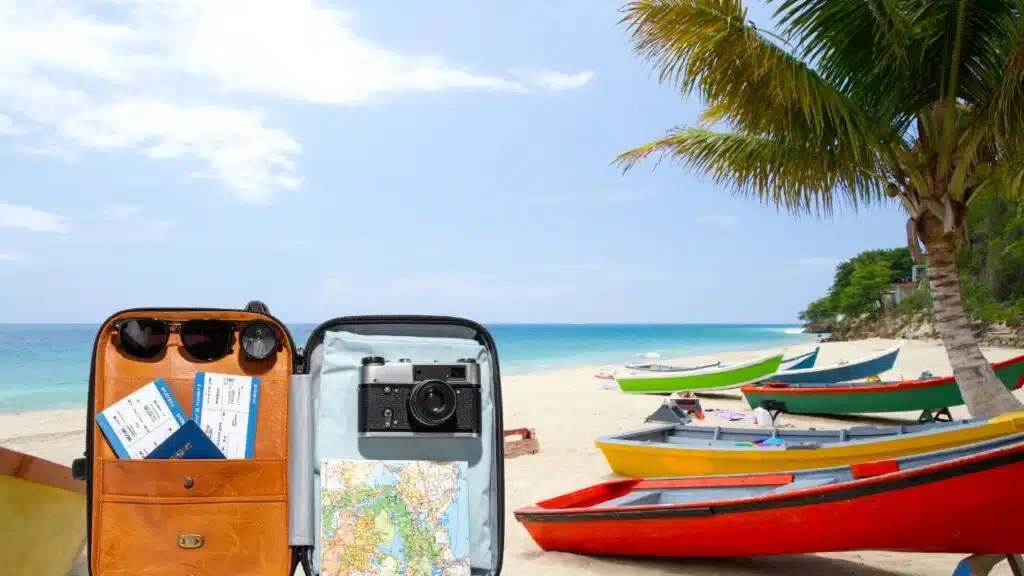
Smart travelers protect their documents like precious cargo. Your travel papers need more protection than a secret recipe.
- Store your passports, driver’s licence, and travel documents in a locked safe at your hotel or accommodation rather than carrying everything with you daily.
- Create digital copies of all important papers and send them to your email or upload to cloud storage for instant backup access.
- Carry only photocopies of essential documents when exploring Old San Juan or other tourist areas where petty crime occurs.
- Keep emergency contact numbers separate from your main documents, including local authorities and your embassy or consulate information.
- Split your important papers between different locations, never putting all your eggs in one basket during your Puerto Rico trip.
- Use a money belt or hidden pouch under your clothes for cash and one backup document when visiting crowded places.
- Leave extra copies with trusted family members at home who can help if your documents get lost or stolen.
- Take photos of your travel document pages with your phone as an additional backup method that stays with you.
- Avoid carrying your Canadian passport or other original documents to beaches, bars, or nightlife areas where theft risks increase.
Why is it important to follow local advisories and warnings?
Local advisories provide crucial information on weather, safety, and health conditions that can change quickly in Puerto Rico. These warnings often include updates on hurricane season, heat advisories, and dangerous beach conditions that tourists might not know about.
Officials issue alerts about everything from rip currents at Isla Verde to dengue fever outbreaks in specific areas. Ignoring these warnings puts your safety at risk and can ruin your vacation plans.
Puerto Rico’s tropical climate brings sudden weather changes that catch visitors off guard. Hurricane Maria showed how fast conditions can turn dangerous, making local weather updates essential for travel safety.
Officials also warn about sea urchins in certain waters, jellyfish stings during specific seasons, and areas where petty crime increases. Call businesses to confirm hours, as online information may be outdated and local conditions affect operating schedules.
These advisories help you make smart choices about where to go and what activities to avoid during your stay.
What are the benefits of investing in comprehensive travel insurance?
Travel insurance acts like a safety net for your Puerto Rico adventure. Comprehensive coverage protects you during hurricane season, which runs from June 1 to November 30. Your policy covers trip cancellations, delays, and emergency medical needs.
Lost or stolen belongings? Your insurance has you back. Medical emergencies from dengue fever or zika virus can drain your wallet fast. Travel insurance covers these costs, giving you peace of mind to explore Old San Juan and Isla Verde without worry.
Severe weather hits Caribbean islands hard, and Puerto Rico faces its share of storms. Your insurance policy can help with evacuations during natural disasters. Families traveling with children need extra protection, especially if medical conditions exist.
Solo travelers benefit too, since help might be far away on remote beaches. Verify your policy includes Caribbean travel coverage before you pack. The small cost of insurance beats paying thousands for medical bills or emergency flights home.
Why should I exercise caution at Puerto Rico beaches due to strong currents?
Puerto Rico’s beaches hide dangerous currents that catch swimmers off guard. Riptides can drag you away from shore in seconds, making even strong swimmers struggle. Most beaches lack lifeguards, so you’re on your own if trouble strikes.
The Atlantic coast on the north side has choppier waters than the Caribbean coast down south. Rip currents look different from the water around them, creating patches that seem calmer but actually pull swimmers out to sea.
If you get caught in a riptide, swim parallel to the shore until you escape the current’s grip.
Empty beaches or strange water patches often signal danger ahead. These spots might hide jellyfish, sea urchins, or deadly undercurrents that locals avoid. The Caribbean sun hits hardest from noon to 4 PM, so grab sunblock with SPF 50 or higher.
Urban beaches like Isla Verde offer white sand and clear water but come with safety risks, especially after dark. Petty crime increases at night on these popular spots. Whirlpools can form without warning, spinning swimmers around and pushing them away from safety.
Smart travelers check beach conditions before jumping in and never swim alone in unfamiliar waters.
Takeaways
Your Puerto Rico adventure awaits, and now you’re armed with the knowledge to make it memorable for all the right reasons. These twelve safety tips aren’t meant to scare you away from this beautiful Caribbean paradise.
They’re your roadmap to smart, confident travel that lets you soak up every sunset, salsa beat, and plate of mofongo without worry.
Smart travelers know that a little preparation goes a long way. Pack your common sense alongside your sunscreen, stay alert but not anxious, and trust your instincts when something feels off.
Puerto Rico welcomes millions of visitors each year who return home with nothing but incredible memories and plans for their next trip back to the island.
FAQs
1. Is Puerto Rico safe for tourists to visit?
Puerto Rico safety is generally good for travelers, but like all Caribbean islands, you should stay alert. Petty crime happens in tourist areas, while violent crime stays rare. Old San Juan and Isla Verde are popular spots with decent tourist safety.
2. What health risks should I know about before traveling to Puerto Rico?
Get your routine vaccinations and flu shot before you go. Dengue fever and Zika virus can spread through mosquito bites in the area. The flu virus and seasonal influenza are common, so stay up to date with your flu vaccine.
3. Do I need travel insurance and special documents for Puerto Rico?
Travel insurance is smart for any trip. You don’t need visa requirements since Puerto Rico is part of the United States. If traveling with kids, know about the Hague Convention rules for international child abduction cases.
4. What should I watch out for in Puerto Rico’s waters and beaches?
Sea urchins hide in shallow water and can hurt your feet badly. The bioluminescent bays are magical but need protection from tourists. Always wear water shoes when walking in the ocean.
5. How do I get around Puerto Rico safely?
Renting a car in Puerto Rico gives you freedom, but driving in Puerto Rico takes patience. Public transportation in Puerto Rico includes the Tren Urbano in San Juan. Learning basic Spanish phrases helps a lot with local people.
6. What natural dangers exist in Puerto Rico?
Hurricane season runs from June to November, and Hurricane Maria showed how serious storms can be. Heat advisories happen often in summer months. Snakes in Puerto Rico include the Puerto Rican racer, but they avoid people and stay harmless.