


You want to sip something tropical that makes you feel like you’re on a beach vacation, but your usual drinks just don’t cut it. Puerto Rico holds the title as the rum capital of the world and creates some of the most amazing tropical cocktails you’ll ever taste.
This guide shows you 10 puerto rican cocktails that bring pure paradise to your glass, from the famous piña colada to hidden gems like chichaíto shots. Get ready to transform your home bar into a tropical escape.
Key Takeaways
- Puerto Rico holds the title as the rum capital of the world and creates amazing tropical cocktails.
- Piña colada is Puerto Rico’s national drink, invented in San Juan between 1954-1963 at two famous locations.
- Coquito combines coconut milk, three types of milk, and white rum to create a creamy holiday drink.
- Pitorro is Puerto Rican moonshine made from sugarcane, distilled in secret to avoid government taxes and rules.
- These twelve cocktails include classics like piña colada and hidden gems like chichaíto shots and bilí.
What makes Piña Colada Puerto Rico’s iconic tropical drink?

The piña colada holds the special title of Puerto Rico’s national drink. This creamy tropical cocktail captures the island’s sunny spirit in every sip. Two famous spots claim they invented this beloved drink.
The Caribe Hilton Hotel says they created it in 1954. Barrachina restaurant argues they made the first one in 1963. Both stories come from San Juan, making the city the heart of piña colada history.
Classic piña colada ingredients create pure tropical magic. Pineapple juice brings sweet, tangy flavor. Coconut cream adds rich, smooth texture. White rum like Don Q gives the drink its kick.
Crushed ice makes it perfectly cold and refreshing. Mixologist José López at Caribe Hilton knows the secrets of making this perfect drink. The Puerto Rican Piña Colada recipe uses 2 oz Don Q Gold Rum, 1 oz coconut cream, 2 oz pineapple juice, 1 dash lime juice, and 1 dash Angostura bitters.
Bartenders shake all ingredients together and serve with a garnish. Popular toppings include whipped cream, a pineapple slice, or a bright red maraschino cherry. This signature drink truly represents the tropical flavors and warm culture of the Isle of Enchantment.
Why is Coquito considered a creamy coconut delight?
Coquito earns its title as Puerto Rico’s creamy coconut delight through its rich blend of coconut milk, coconut cream, and three types of milk. This traditional holiday drink combines white rum with evaporated milk, condensed milk, and spices to create pure liquid silk.
Families across Puerto Rico craft this festive drink during the holiday season, passing down recipes through generations. Each sip delivers tropical flavors that dance on your tongue like a Caribbean breeze.
The coconut-forward flavor profile makes this puerto rican cocktail taste like paradise in a glass.
Holiday traditions come alive through this homemade treasure that friends and family share during Christmas celebrations. Some recipes swap white rum for pitorro, Puerto Rico’s moonshine, adding extra kick to the creamy base.
Vanilla, nutmeg, or cinnamon often join the party, creating warm spice notes that complement the coconut cream perfectly. Served chilled or over ice, coquito delivers comfort in every glass.
This signature drink transforms simple ingredients into liquid gold that captures the spirit of Puerto Rico’s festive season.
What is Pitorro and why is it called Puerto Rican moonshine?
Pitorro earns its nickname as Puerto Rican moonshine because of its traditional, unlicensed production methods. This potent spirit comes from distilled sugarcane or molasses, crafted in backyards and hidden stills across the island.
Like American moonshine during Prohibition, pitorro was made in secret to avoid government taxes and regulations. The drink packs a serious punch with its strong alcohol content. Many families guard their pitorro recipes like treasured secrets, passing them down through generations.
Holiday celebrations in Puerto Rico wouldn’t be complete without pitorro flowing freely at family gatherings. Distillers flavor this fiery spirit with tropical fruits, rich coffee, or smooth hazelnuts, creating countless variations.
Each batch tastes different depending on the maker’s personal touch. Legal versions now sit on store shelves, but traditional homemade pitorro still reigns supreme among locals. Some creative bartenders substitute pitorro for white rum in coquito, adding an extra kick to the beloved coconut cream cocktail.
The drink’s reputation for being incredibly strong keeps newcomers on their toes, while seasoned drinkers savor its complex flavor profile.
How sweet and strong is a Chichaíto shot?
Chichaíto packs a serious punch with equal parts anisette liquor and white rum, typically Palo Viejo. This local Puerto Rican shot delivers a distinctive licorice flavor that hits you fast and hard.
The combination creates a drink that’s both sweet and strong, making it popular at bars across the island. Most people drink it as a quick shot rather than sipping it slowly.
Variations include chichaíto de coco and chichaíto de nutella, adding coconut or chocolate flavors to the mix. The simple recipe makes this puerto rican cocktail easy to prepare at local gatherings.
Its sweet taste masks the alcohol strength, so many drinkers get surprised by how potent it really is. This festive drink remains a favorite choice for those wanting to experience authentic island flavors in one quick gulp.
What is an Amaretto Colada and how does it twist the classic?
The Amaretto Colada takes the beloved piña colada and gives it a nutty makeover that’ll make your taste buds dance. This tropical cocktail swaps out some of the traditional coconut cream for almond liquor, creating a drink that tastes like paradise met a dessert bar.
Local mixologists in Puerto Rico crafted this variation to showcase their creativity with rum-based drinks. White rum still forms the backbone of this cocktail, but the amaretto adds a sweet, nutty depth that sets it apart from coconut-based coladas.
Pineapple juice keeps the tropical vibe alive while the almond flavors create a smooth finish.
Cocktail bars across the island serve this lesser-known gem to guests who want something different from the classic piña colada. The drink appeals to people who love both tropical flavors and dessert-like cocktails rolled into one glass.
Bartenders often garnish it just like the traditional version, with a pineapple wedge and cherry on top. This variation proves that Puerto Rican cocktails can evolve while keeping their island soul intact.
The Amaretto Colada may not be as famous as its coconut cousin, but it’s gaining fans in select bars where mixology meets tropical tradition.
How does Bilí combine rum and quenepa for a tangy flavor?
Bilí stands out among Puerto Rican cocktails as a fermented drink from Vieques that packs a serious punch. This homemade creation combines rum with quenepa, also known as mamoncillo fruit, creating a tangy flavor that hits different from your typical tropical drinks.
Many residents of Vieques craft this potent beverage at home, mixing the sweet-tart quenepa with rum, brown sugar, and cinnamon. The mixture ferments for approximately one month, developing complex flavors that dance on your tongue.
Local festivals and gatherings showcase this cultural heritage drink, served as shots due to its strong kick. The quenepa fruit brings a distinctive tartness that balances the rum’s warmth, while brown sugar adds sweetness and cinnamon provides spice.
Bilí represents Vieques’ drinking traditions, offering something completely different from coconut cream cocktails or pineapple juice mixers. Each sip delivers that fermented complexity you won’t find in standard mixed drinks, making it a true taste of island life.
What is Frozen Boozy Coconut-Limeade and why is it tropical bliss?
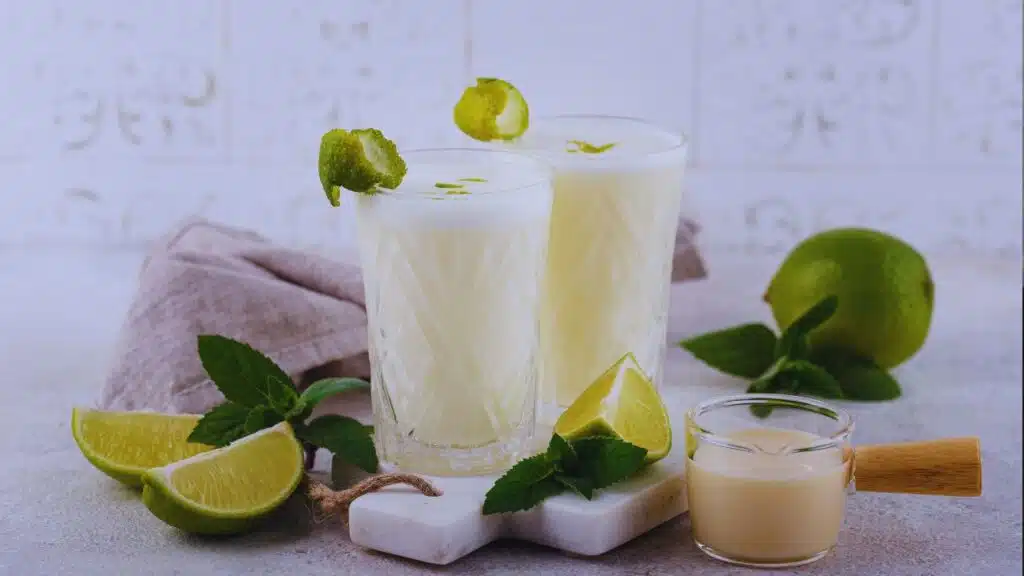
Frozen Boozy Coconut-Limeade brings pure tropical paradise to your glass with just five simple ingredients. Spoon features this refreshing cocktail that blends 1 cup lime juice, 1 cup coconut cream, ½ cup light rum, 2 cups ice, and lime zest to taste.
All ingredients get blended until smooth, creating a creamy frozen drink that tastes like vacation in a glass. The combination of coconut and lime creates a tangy-sweet profile that makes your taste buds dance with joy.
This frozen delight serves as the perfect poolside companion or beachside treat for warm weather sipping. Home mixologists love this cocktail because its simplicity makes preparation a breeze.
The cooling frozen texture provides instant relief from hot summer days, while the light rum adds just enough kick to make things interesting. Garnish your creation with fresh mint or lime wedges to complete this tropical masterpiece that screams pure bliss with every sip.
How do cherry and spiced rum blend in the Spiced Cherry cocktail?
The Spiced Cherry cocktail brings together two bold flavors that dance perfectly on your taste buds. Spiced rum carries warm notes of cinnamon, nutmeg, and vanilla that create a cozy foundation for this drink.
Cherry cola adds sweet, fizzy excitement that balances the rum’s heat. This combination tastes like a tropical vacation with a hint of comfort food warmth. Bartenders across Puerto Rico serve this drink in copper mugs to keep it ice cold.
The bubbles from the cherry cola lift the spiced rum’s rich flavors, making each sip smooth and refreshing.
Cherry flavors pair naturally with rum’s caramel undertones, creating a drink that feels both familiar and exotic. Spiced rum brings complexity that plain white rum cannot match. The cherry cola’s sweetness tames the alcohol’s bite while adding a playful twist.
Many tiki bars feature this cocktail as a signature drink because it captures tropical flavors with an American soda twist. Ice cubes melt slowly in the copper mug, diluting the drink just enough to make it dangerously easy to drink.
This cocktail proves that simple ingredients can create magic when mixed with care and served ice cold.
What makes the Rum Old Fashioned a Caribbean take on a classic?
Puerto Rico transforms the classic Old Fashioned into something magical with local rums and tropical touches. The Caribbean Rum Old Fashioned uses 2 oz Don Q Sherry Cask Rum, ½ oz coconut water and brown sugar syrup, plus 2 dashes chocolate bitters or Angostura.
Bartenders make the syrup by boiling 1 cup coconut water with 1 cup brown sugar, then cooling the mixture. Orange peel and chocolate shavings top off this tropical twist. Rums of Puerto Rico features this recipe as a perfect example of island creativity.
Christian Neuman and Israel A. Bravo created another version using 2 oz Symphony No.3 rum, 1 oz simple syrup, and 3 dashes Angostura bitters. They stir the drink and serve it over a large ice cube in a rocks glass.
A dehydrated orange slice makes the perfect garnish. This cocktail shows how Puerto Rican distillers blend classic mixology with Caribbean flavors. Local rums bring warmth and character that regular whiskey just can’t match.
Each sip tastes like the island itself, mixing tradition with tropical paradise.
What flavors create the refreshing rum and citrus fusion in La Sirena?
La Sirena brings together Ron del Barrilito rum, spicy watermelon infusion, and fresh lime juice in perfect harmony. Christian Neuman and Israel A. Bravo created this masterpiece at La Pecera in Santurce, showcasing how Puerto Rican bartenders transform simple ingredients into liquid magic.
The drink combines 2 oz of premium rum with 2 oz of the watermelon blend and 1 oz of zesty lime juice. Bartenders shake the mixture and strain it over ice, then garnish with a twist of lime peel for an aromatic finish.
This cocktail captures the island’s vibrant spirit through its bold flavor combination. The spicy watermelon infusion adds tropical sweetness with a kick, while lime juice provides the perfect citrus balance.
Ron del Barrilito’s smooth character ties everything together, creating a drink that tastes like pure Caribbean sunshine. La Sirena proves that Puerto Rican cocktails can rival any tropical drink from around the world, delivering refreshing complexity in every sip.
Takeaways
Puerto Rico truly earns its title as the rum capital of the world. These twelve tropical cocktails bring paradise straight to your glass. From the creamy coconut delight of coquito to the tangy bite of bilí, each drink tells a story of island life.
Mix up a piña colada or try something bold like chichaíto. Your taste buds will thank you for this Caribbean adventure.
FAQs
1. What makes the piña colada so special in Puerto Rico?
The piña colada was born at the Caribe Hilton Hotel in Puerto Rico and became the national drink of Puerto Rico. This tropical drink mixes white rum, coconut cream, and pineapple juice to create pure paradise in a glass.
2. Which Puerto Rican cocktails use coconut milk or coconut cream?
Many puerto rican cocktails feature coconut flavors, like the classic piña colada with coconut cream, chichaíto de coco with coconut milk, and the amaretto colada. These tropical flavors transport you straight to the beaches of Puerto Rico.
3. What is chichaíto and how do you make different versions?
Chichaíto is a creamy Puerto Rican drink made with light rum, condensed milk, and evaporated milk. You can make chichaíto de coco by adding coconut, or try chichaíto de nutella for a sweet twist with chocolate.
4. Are there any festive drinks that mix rum with other flavors?
The cuba libre combines rum and coke with lime juice for a refreshing kick. Spiced cherry drinks use spiced rum with cherry cola, while the lava flow layers different tropical flavors for stunning festive drinks.
5. Can you make mocktail versions of these Puerto Rican cocktails?
Yes, you can skip the rum in most recipes and still enjoy the tropical flavors. Replace white rum or light rum with extra pineapple juice or coconut milk to create delicious mocktail versions.
6. What brands and places are connected to Puerto Rican rum culture?
Destilería Serrallés and Don Q are famous Puerto Rican rum makers, while Palo Viejo offers another local option. Tiki culture and signature drinks from places like El Yunque celebrate these classic cocktails that taste like pure paradise.




























