Your energy bills keep climbing, and your home feels like a leaky bucket. Traditional foam insulation works, but it comes with a heavy environmental cost that many homeowners now want to avoid.
These petroleum-based materials release harmful chemicals into your indoor air and take centuries to break down in landfills.
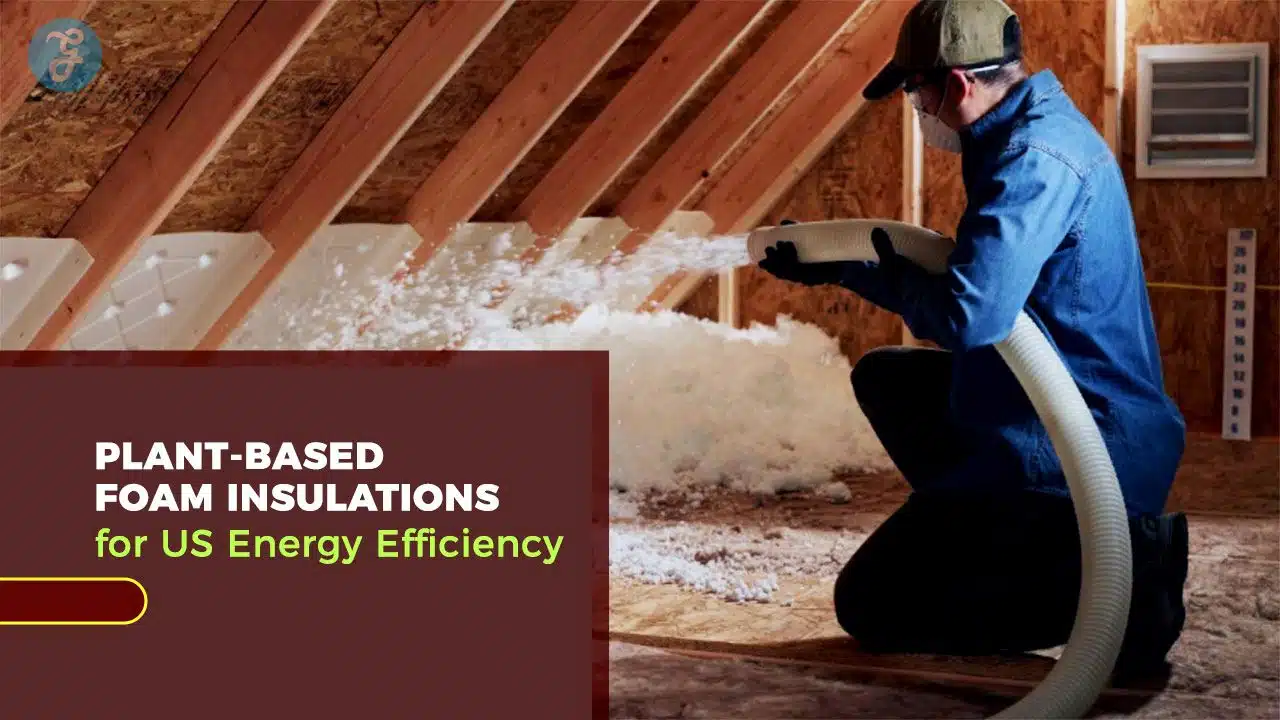
Plant-based foam insulations can reduce your home’s energy use by up to 40% while keeping your family safe from toxic fumes. These eco-friendly insulation materials come from renewable sources like hemp, cork, and even mushrooms.
Our guide breaks down ten top plant-based options that match or beat traditional insulation performance. You’ll discover which sustainable building materials work best for your climate, budget, and health goals.
Ready to cut your energy costs and carbon footprint at the same time?
Key Takeaways
- Plant-based foam insulations can reduce home energy use by up to 40% while providing safer indoor air quality than traditional petroleum-based options.
- Hemp, cork, soy, cellulose, and cotton insulations deliver R-values of 3.4 to 7.0 per inch, matching or beating conventional fiberglass performance.
- These eco-friendly materials cost 10% to 30% more upfront but qualify for tax credits and reduce heating costs by 25% to 40%.
- Bio-based spray foams reduce petroleum use by 20% to 30% while maintaining excellent thermal resistance and moisture protection properties.
- Natural insulation materials are biodegradable, non-toxic, and support circular economy principles through renewable sources and recycled content.
What is Plant-Based Spray Foam and How Does It Work?
Plant-based spray foam insulation combines natural materials with modern technology to create eco-friendly insulation. This sustainable insulation uses renewable materials like soy, castor oil, or other plant-derived compounds instead of petroleum-based chemicals.
Bio-based spray foam versions reduce petroleum use by 20% to 30% compared to conventional spray foam. The foam starts as two liquid components that mix together during application.
Chemical reactions cause the mixture to expand and harden into solid insulation.
Modern spray foam insulation offers the highest R-value per inch, ranging from R-6 to R-7 among all insulation types. Low-density spray foams use air or CO₂ as blowing agents for reduced toxicity.
The expanding foam fills gaps, cracks, and spaces that other insulation materials cannot reach. This creates an effective air sealant that reduces air leaks and cuts overall energy consumption.
Plant-based versions function similarly to traditional spray foam but use natural fibers and renewable material sources. The result is energy-efficient insulation that performs well while supporting green building practices.
Why Choose Hemp Fiber Insulation for Your Home?
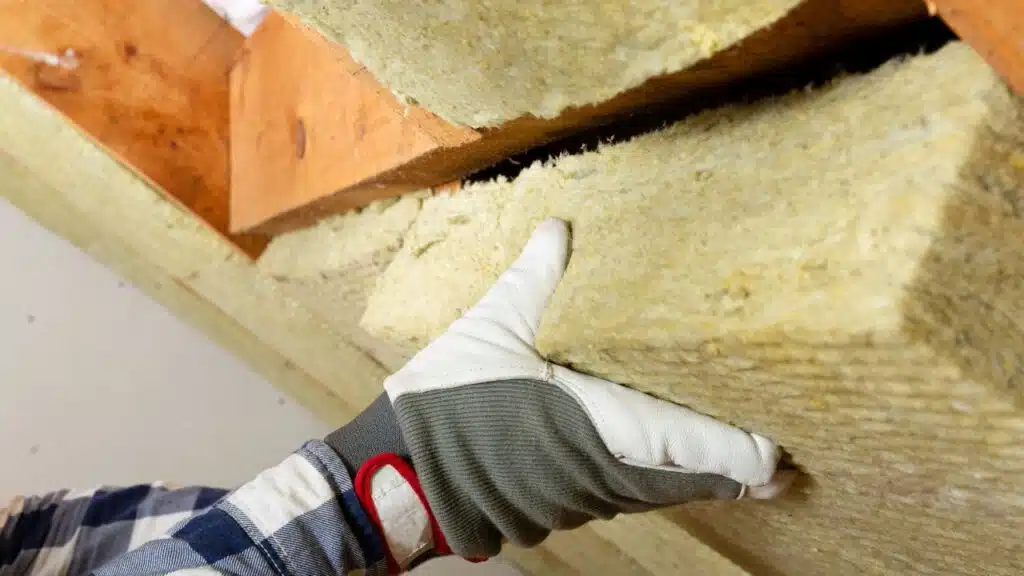
Hemp fiber insulation delivers impressive R-values of 3.5 to 3.8, matching the thermal performance of other fibrous insulations. This natural insulation type comes from rapidly growing plants, making it a renewable and biodegradable choice for energy-efficient homes.
Hemp insulation offers excellent environmental scores while providing reliable thermal resistance for your walls.
Safety makes hemp insulation stand out from synthetic options. The material is non-toxic and safe to handle, perfect for homeowners with chemical sensitivities. Hemp contributes to improved indoor air quality since it contains no harmful volatile organic compounds or formaldehyde.
You can pair hemp with other natural fibers like cotton and wood fibers for complete sustainable construction. The low manufacturing impact and reduced energy use during production make hemp insulation a smart choice for green building materials and sustainable living.
How Are Mycelium-Based Panels Made and Used?
Mycelium-based panels start with mushroom roots that grow on agricultural waste like corn stalks or sawdust. Manufacturers feed these tiny root networks in controlled environments for several weeks.
The mycelium spreads through the organic material, creating a strong web-like structure. Workers then heat-treat the panels to stop growth and create stable building materials. This process produces biodegradable insulation that improves indoor air quality without toxic chemicals.
These sustainable building materials work well in walls, roofs, and floors where traditional foam insulation might go. The panels offer excellent thermal resistance while staying completely natural and safe to handle.
Green construction projects love mycelium insulation because it comes from renewable materials and supports the circular economy. Builders can cut these panels to fit any space, just like regular insulation boards.
The material resists moisture and provides solid energy efficiency for homes that want to reduce their environmental impact.
What Are the Advantages of Cork-Based Panels?
Cork board insulation stands out as a biodegradable insulation option with excellent environmental scores. This renewable material comes from cork oak trees, which regrow their bark naturally.
Cork boards work well for soundproofing and keeping temperatures stable in commercial projects. The material offers good R-values per inch, which helps buildings save energy costs.
Cork insulation works great in attics as an alternative to blown-in cellulose and sheep’s wool. This natural material is both recyclable and biodegradable, making it perfect for sustainable building materials.
Cork boards provide effective sound absorption while boosting energy efficiency in homes and offices. The material is safe and non-toxic, creating better indoor air quality for families.
Both residential and commercial applications benefit from cork’s thermal performance and moisture resistance properties.
How Effective Is Soy-Based Polyurethane Foam?
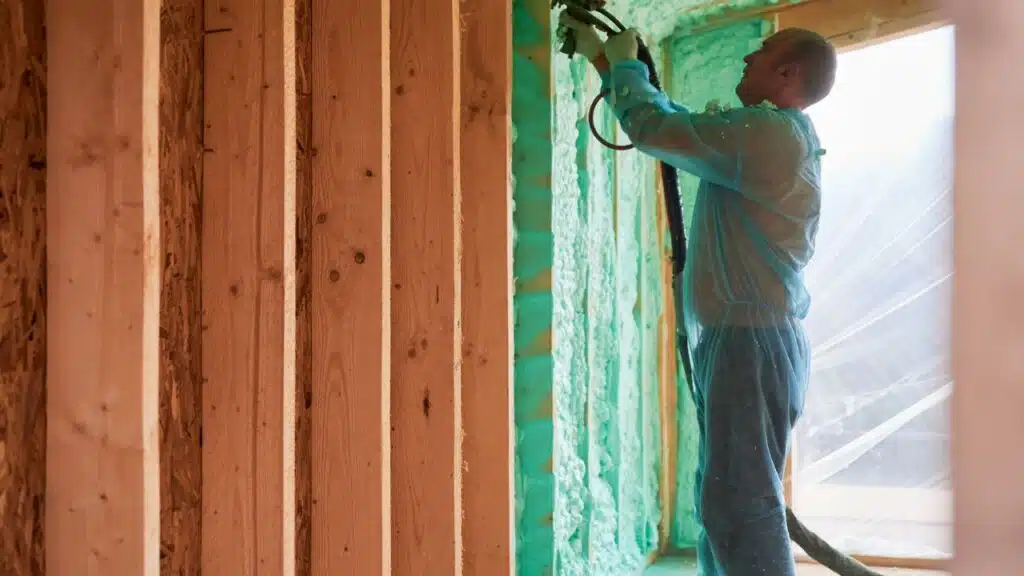
Soy-based polyurethane foam delivers impressive energy efficiency for American homes. This eco-friendly insulation cuts petroleum use by 20% to 30% compared to regular foam. The plant-based material works in both closed-cell and open-cell forms, giving homeowners flexible options.
Spray foam insulation made from soybeans offers 30% to 40% better thermal performance than expanded polystyrene. Most wall installations use 3.5 inches of thickness, while ceiling applications can reach 7.5 inches for maximum energy savings.
Foamed-in-place soy polyurethane costs less and performs better than pre-formed boards. The material qualifies for ENERGY STAR certification programs, making it a smart choice for energy-efficient homes.
All closed-cell versions now use non-HCFC blowing agents for better indoor air quality. The R-value does drop over time due to thermal drift, especially during the first two years.
Despite this natural aging process, soy-based foam insulation remains a top performer in sustainable building materials. Green construction projects often choose this renewable option for its strong moisture resistance and heat resistance properties.
What Is Cellulose Insulation Made from Recycled Plant Fibers?
Cellulose insulation consists of 82% to 85% recycled paper, mainly newsprint. This eco-friendly insulation transforms old newspapers into a powerful energy-saving material. Manufacturers treat the recycled paper products with mineral borate for fire and insect resistance.
Some producers add ammonium sulfate for extra protection. The process creates biodegradable insulation that performs better than many traditional options.
Installation crews blow cellulose into wall cavities at densities of 1.5 to 3.5 pounds per cubic foot. This plant-based insulation delivers an R-value of 3.6 to 3.8 per inch, making it highly effective for thermal resistance.
Cellulose uses boron fire retardants, which are non-toxic and safer than chemical additives found in other materials. The recycled materials fill irregular spaces perfectly, reducing heat flow and improving energy efficiency in homes across America.
What Are the Benefits of Cotton-Based Insulation?
Cotton-based insulation offers impressive benefits for homeowners seeking eco-friendly insulation options. This sustainable building material combines 85% recycled cotton fibers with 15% plastic fibers, primarily sourced from blue jean waste.
The recycled denim insulation delivers solid R-values between 3.4 and 3.8 per inch, providing excellent thermal performance for energy-efficient homes. Cotton insulation stands out as a chemical-free option that’s safe to handle during installation.
People with sensitivities appreciate its low toxicity and formaldehyde-free composition, which improves indoor air quality significantly.
Installation becomes a breeze since cotton insulation requires no protective gear or special ventilation. Workers can install this natural fiber insulation in walls, basements, and crawlspaces without worry.
The material offers excellent thermal resistance while also providing superior acoustic performance to reduce noise. Case studies demonstrate that recycled denim cotton in walls, combined with cellulose insulation in attics, achieves up to 30% heating cost reduction.
Cotton insulation proves easy to remove and replace during renovations, creating less waste than traditional fiberglass batts. This renewable material supports the circular economy by giving new life to discarded clothing while delivering outstanding energy efficiency for green construction projects.
How Does Straw Bale Insulation Improve Energy Efficiency?
Straw bale insulation works as a natural thermal barrier that keeps homes comfortable year-round. This plant-based insulation comes in boards that are 2 to 4 inches thick, making installation simple for walls and other areas.
Straw panels also work as part of structural insulated panels, which builders love for their strength and energy performance. The material functions as bulky insulation, stopping both conductive and convective heat flow from escaping your home.
This means your heating and cooling systems don’t have to work as hard, which cuts down on energy bills.
Agricultural byproducts create this biodegradable insulation, turning farm waste into something useful for green construction. Straw insulation provides consistent thermal performance that helps maintain steady indoor temperatures.
The material offers excellent sound absorption properties too, making homes quieter and more peaceful. This sustainable building material is non-toxic and safe to handle, improving indoor air quality for families.
Straw bale insulation supports the circular economy by using renewable materials that would otherwise go to waste, making it a smart choice for energy-efficient homes.
What Makes Wood Fiber Insulation a Good Choice?
Wood fiber insulation comes from responsibly managed forests with FSC certification. This sustainable building material offers an impressive R-value of 4.0, beating many other natural fibers.
The boards work great in walls, basements, and crawlspaces where moisture resistance matters most.
This eco-friendly insulation brings several benefits to your home. Wood fiber boards are renewable, recyclable, and biodegradable materials that break down naturally. They produce low manufacturing impact compared to synthetic foam insulation options.
The boards stay safe to handle and contain no harmful volatile organic compounds that hurt indoor air quality. This plant-based insulation scores high marks for lifecycle performance and environmental impact, making it a smart pick for green construction projects.
How Does Algae-Based Foam Insulation Perform?
Algae-based foam insulation represents a cutting-edge approach to sustainable building materials. This renewable insulation option uses rapidly growing algae as its primary source material.
Scientists create these eco-friendly insulation products through advanced processing techniques. The foam delivers low toxicity levels compared to traditional petrochemical-based alternatives.
Algae grows much faster than trees or other plant sources, making it an excellent renewable resource.
Performance metrics for algae-based foam continue improving as technology advances. These sustainable insulation materials aim to match or exceed traditional foam insulation standards.
Researchers focus on enhancing thermal resistance and moisture resistance properties. Cradle to Cradle certifications help assess the complete lifecycle impacts of these products. The biodegradable insulation breaks down naturally at the end of its useful life, supporting circular economy principles.
Algae-based foams reduce carbon footprint while supporting U.S. sustainability goals for energy-efficient homes.
Benefits of Plant-Based Foam Insulations for Energy Efficiency
Plant-based foam insulations deliver impressive energy savings while protecting your family’s health and the environment. These sustainable building materials offer multiple advantages that make them smart choices for energy-efficient homes.
- Energy bills drop by 25% to 40% after homeowners upgrade to plant-based insulation. Case studies prove these natural materials cut heating and cooling costs significantly compared to traditional fiberglass insulation.
- Indoor air quality improves dramatically because plant-based options release no volatile organic compounds. Your family breathes cleaner air without harmful chemicals that synthetic foam insulation often contains.
- Natural fibers like wool insulation and cotton insulation absorb excess moisture and release it slowly. This moisture resistance prevents mold and mildew growth in walls and attics.
- Thermal performance matches or beats conventional spray foam insulation while using renewable materials. Hemp insulation and cellulose insulation provide excellent thermal resistance without petroleum-based ingredients.
- Installation workers handle these materials safely without protective gear or ventilation systems. Cork insulation and recycled denim insulation pose no health risks during application.
- Tax credits and rebates reward homeowners who choose eco-friendly insulation for their properties. Green construction projects often qualify for financial incentives that reduce upfront costs.
- Carbon sequestration occurs naturally as plant-based materials store carbon dioxide throughout their lifespan. This process helps reduce greenhouse gas emissions from buildings.
- Biodegradable insulation breaks down safely at the end of its useful life. These sustainable materials support circular economy principles unlike synthetic alternatives.
- ENERGY STAR and GREENGUARD certifications validate the performance of many plant-based foam insulations. These standards confirm energy efficiency and low chemical emissions.
- Fire resistance comes naturally from materials like sheep’s wool insulation without toxic flame retardants. Natural proteins provide heat resistance while maintaining safety standards.
Challenges and Future Potential of Plant-Based Insulation
Plant-based insulation faces real hurdles in today’s market. Cost remains the biggest barrier, with eco-friendly insulation running 10% to 30% higher than conventional fiberglass. Supply chains for materials like hemp insulation haven’t matured in the U.S. yet.
Local building codes often lag behind innovation, creating red tape for contractors. Some plant-based options struggle with moisture resistance compared to traditional materials. Climate zone requirements can limit which sustainable insulation works best in different regions.
Research and development are closing the performance gap fast. Scientists work on improving thermal resistance while keeping materials biodegradable. New manufacturing methods reduce production costs each year.
Hemp fiber insulation shows promise as supply barriers break down. Mycelium insulation grows stronger through lab improvements. Cotton insulation benefits from better fire retardants.
Cork insulation expands into new applications. The circular economy drives demand for recycled denim insulation and other renewable materials. Energy-efficient homes need these green construction solutions to meet future standards.
Takeaways
Plant-based foam insulations offer homeowners a smart path to better energy efficiency while protecting our planet. These sustainable building materials deliver excellent thermal performance, often matching traditional options like fiberglass insulation and mineral wool.
Your home gets superior heat resistance, improved indoor air quality, and reduced volatile organic compounds all at once.
Making the switch to eco-friendly insulation creates a win-win situation for your wallet and the environment. Green construction practices like these help cut energy bills while supporting the circular economy through renewable materials and recycled paper products.
FAQs
1. What makes plant-based foam insulation better than regular foam insulation?
Plant-based insulation comes from renewable materials like hemp, cotton, and cork. These eco-friendly insulation options don’t release volatile organic compounds into your home. They boost indoor air quality while cutting down your energy bills.
2. How does spray foam insulation compare to natural fiber insulation for energy efficiency?
Spray foam insulation seals air gaps really well, but plant-based options like cellulose insulation and sheep’s wool insulation offer great thermal resistance too. Natural fibers breathe better and resist mold without harsh chemicals.
3. Can biodegradable insulation really compete with fiberglass insulation for thermal performance?
Yes, many sustainable insulation materials match fiberglass for heat resistance. Cork insulation and recycled denim insulation deliver solid thermal performance while supporting the circular economy.
4. What’s the deal with mycelium insulation and carbon sequestration?
Mycelium insulation grows from mushroom roots and actually stores carbon as it works. This formaldehyde-free insulation helps fight global warming while keeping your home cozy.
5. Do energy-efficient homes really need radiant barriers with plant-based insulation?
Radiant barriers work great with sustainable building materials in hot climates. You can pair reflective insulation with hemp insulation or cotton insulation for maximum energy savings in attic insulation projects.
6. How does moisture resistance work in sustainable design with natural materials?
Smart sustainable insulation like sheep’s wool naturally manages moisture without trapping it. These materials prevent mold growth while maintaining their insulating power, making energy-efficient building safer and healthier.