

You dream of a home that looks sharp and cuts energy waste at the same time. Many new buildings use fancy facades but ignore thermal mass and an airtight building envelope. They boast glass walls but leak heat and spike energy consumption.
You feel stuck choosing style or comfort.
Passive House shows a better path with passive solar design, mechanical ventilation with heat recovery, and super insulation. In fact, these low-energy buildings add just a small cost premium while cutting heating and cooling loads by up to 90 percent.
We will walk you through ten urban USA case studies that blend sleek looks, green roofs, heat pumps, and fresh indoor air quality. You will learn real tips to balance style and performance.
Keep reading.
Key Takeaways
- Ten Passive House case studies in U.S. cities cut heating and cooling energy by up to 90% for just a small cost premium.
- FP 10 (Southampton House) is a three-story home built in nine months by BuildLabs; it uses triple-pane windows, a solar chimney and a water-bottle wall, runs on solar panels to hit net zero, and posts zero annual electric bills.
- HA 60 (Sag Harbor House) keeps original crown moldings, seals walls to 0.6 air changes per hour, adds cellulose insulation and a heat pump, and cuts energy use by 70%.
- Edgeland House burrows into a seven-foot trench with earth-sheltered walls, sports a green roof of over 40 native plants, stores heat in phase change panels and a ground-source heat pump, and won the 2016 Award of Excellence from Green Roofs for Healthy Cities.
- Solis Condominiums in Washington State is the largest Passive House in the state with 120 units over six stories, seals to 0.6 ACH/h, uses balanced heat recovery ventilation, and aims for net zero energy.
FP 10 | Southampton House, USA
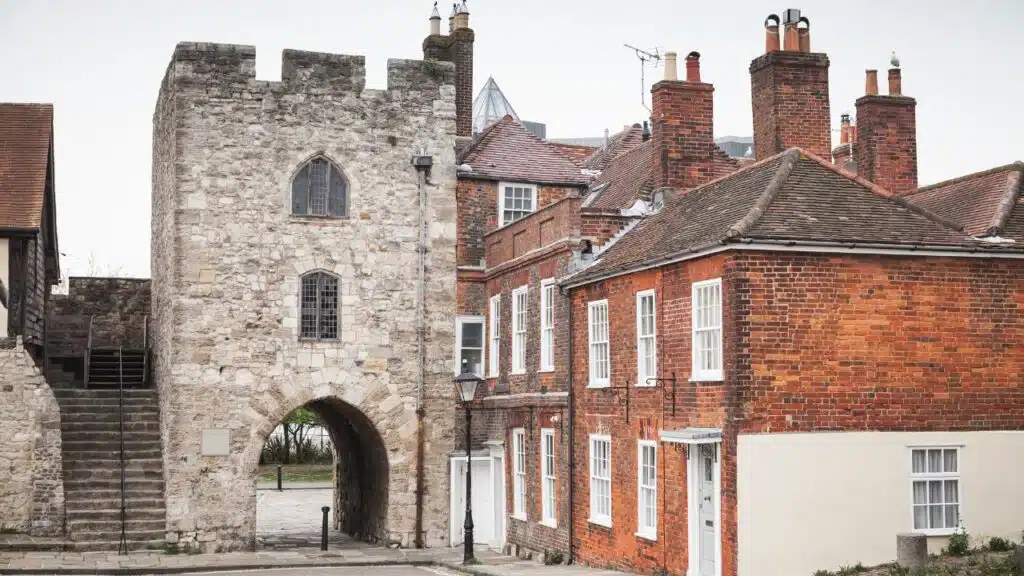
FP 10 in Southampton uses thermal insulation and thermal mass to tame heat swings. It marries sleek siding with a ventilation system and window glazing for a bold look and low bills.
Design highlights balancing energy efficiency with modern aesthetics
BuildLabs finished assembly in nine months on this three-story passive house in Southampton, USA. Open plan living blends with cedar siding and a flat rooftop deck, and a pool area adds style.
Triple-pane windows cut heat loss and tame noise. A super-insulated, airtight envelope locks in comfort and eliminates thermal bridges. A solar chimney and a wall of water bottles pull double duty, storing heat by day, releasing warmth at night for passive cooling.
Solar panels tap renewable energy and push the house toward net zero energy, with zero annual electricity bills. Smart devices and Energy Star appliances handle energy management. A ninety percent efficient gas-fired hydronic boiler links to HVAC systems for heating.
Materials like fly-ash concrete, exotic hardwood floors and cork set an eco-friendly stage. Cement board panels, low-VOC paints and cellulose insulation boost indoor air quality. Prefab modules cut waste and speed up off-site assembly.
HA 60 | Sag Harbor House, USA
HA 60 in Sag Harbor revives original beams, adds natural fiber insulation behind a sealed shell proven by an airtightness check, and still oozes old-world charm—read on to see how it works.
Restoration approach integrating sustainable materials and historic features
Craftsmen kept the original crown moldings and mantels. A pool cabana extension rose beside the main house. Recycled oak planks and reclaimed copper roof went on the new wing. Crew sealed walls with an airtight building envelope and layered cellulose insulation.
Zero VOC finishes coated beams and trim. An air leakage gauge confirmed under 0.6 air changes per hour.
Restoration experts layered the thermal mass of stone walls with a lightweight concrete floor. Solar energy modules sat atop the cabana roof to power water heating. A heat pump mechanical system handled cooling and heating.
This mix cut energy use by seventy percent and boosted indoor air quality. The design hit net zero energy building goals and kept the millwork’s charm intact. Passive house concepts fused with historic features in this green building project.
Edgeland House, USA
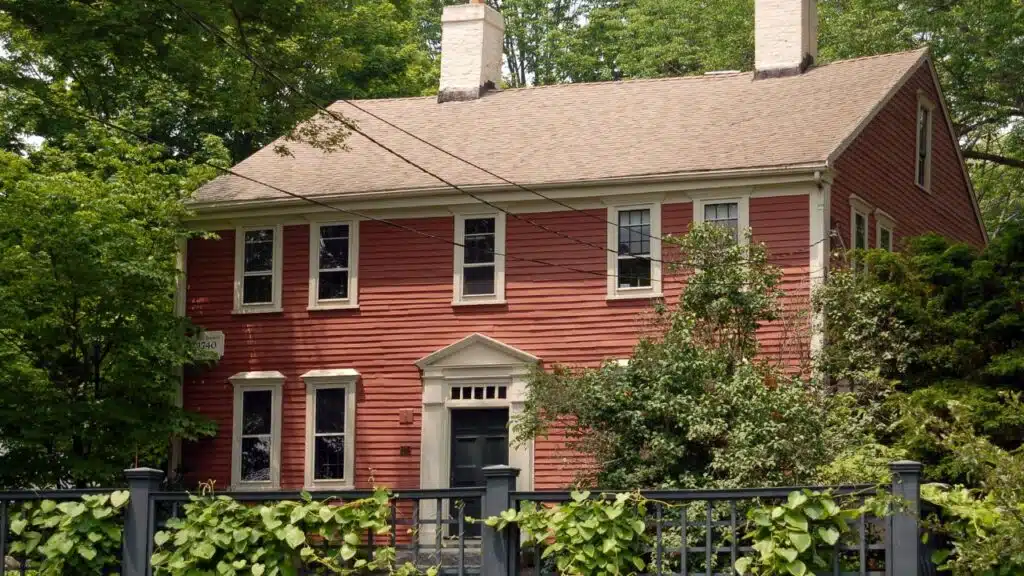
Edgeland House burrows into a slope like a shy mole, using earth-sheltered walls and fiber-fill insulation to cut heat loss. It wears a green roof, uses sun walls to trap direct solar gains, and stashes warmth in phase-change panels.
Green roof and underground insulation for energy efficiency and visual appeal
A seven foot trench under the house holds extra building insulation. Workers placed high density cellulose and rigid foam in that earth cut. The pit house idea drew from Native American dwellings.
It seals the airtight building envelope. It boosts energy efficiency by cutting heat transfer. A water based heating loop and a ground source heat pump work below grade. They store thermal mass in soil.
Such systems cut heating load and cooling demand. They lower carbon emissions.
A green roof covers the top with over forty native prairie plants. This living cover cools the attic by reducing solar heat gain. It soaks up rain, fights runoff. It brings back a brownfield site’s wild grassland.
Judges gave this design the 2016 Award of Excellence from Green Roofs for Healthy Cities. This eco-roof adds thermal mass and cleans indoor air. It blends the house with its land. The prairie cover links architecture and landscape.
Modern Waterfront, Hampton Bays
Modern Waterfront, Hampton Bays uses low‐emissivity glazing, thermal breaks and cellulose insulation to tame coastal heat and keep the passive building design airtight. A compact MVHR mechanical system and blower door test prove the airtight building envelope and boost indoor air quality, while a small renewable energy system helps cut peak load demands.
Eco-materials and innovative insulation strategy for coastal living
An 8,000 sq ft coastal home sits on a bluff in Hampton Bays. It sports a living roof and wood cladding to blend with dunes. A 100-foot glass wall floods spaces with light and frames bay views.
The design highlights energy conservation and passive house principles.
Organic cellulose insulation fills walls inside an airtight building envelope, cutting heat loss and boosting indoor air quality. Craftsmen left raw sheetrock on walls to avoid VOCs and keep materials honest.
Homeowners tap natural ventilation, thermal breaks, and solar-powered systems for net zero energy goals. This project shows green buildings can match luxury and fight climate change.
Solis Condominiums, Washington State
Solis Condominiums uses an airtight envelope, insulation, and a heat recovery ventilation system to chase net zero energy goals—read on to learn more.
Multifamily Passive House design with striking contemporary architecture
Weber Thompson unveiled Solis Condominiums at the PHNW Conference. Aaron Swain led the case study and explained each design step. The six story complex holds 120 units. It claims the title of Washington State’s largest Passive House.
Builders sealed an airtight building envelope. They added cellulose insulation and insulating glass. They cut air leaks down to 0.6 air changes per hour. The team integrated a balanced mechanical system early to avoid clashes and boost energy efficiency.
They tied in a heat recovery ventilator, it boosts indoor air quality and reduces heating loads.
Bold glass walls and clean lines give the project a sleek look. A public webinar and a video drew 800 viewers last summer. Guests saw how solar panels integrate with modern frames, tapping renewable energy.
Architects used simple parts to slash construction complexity. They layered passive solar gain behind low emissivity coatings. The result fights climate change, adapts to rising heat and exceeds zero net energy targets.
Designers proved energy efficiency can pair with striking style.
The R-951 Residence, Portland, Oregon
Portland’s R-951 boasts an airtight envelope with dense wool panels and recycled insulation. Teams run thermal imaging and an air-tightness evaluation, then link a heat pump to latent heat storage tanks.
Sleek urban design paired with high-performance energy systems
A sleek box sits on a busy Portland street. The R-951 Residence uses Passive House standards to slash heat loss. Its high-performance envelope and PHPP modeling cut demand to 15 kWh per square meter each year.
Airtight building envelope layers seal out drafts and lock in warmth. The result blends modern looks and climate change adaptation in a tight footprint.
Careful tuning of its mechanical system keeps the space cozy. The team placed a heat recovery ventilator under the stair landing. They tested every duct with a pressure gauge. Fresh air flows at 0.6 changes per hour to boost indoor air quality.
Owners enjoy cool summer AC, crisp indoor air quality, and energy efficiency gains near 90 percent.
The Green Rowhomes, Philadelphia, Pennsylvania
These rowhomes wrap their walls like a warm coat, thanks to aerated concrete and dense cellulose insulation. A mechanical vent system and high-SHGC windows let fresh air slip in, without hiking AC bills.
Compact urban housing with aesthetic modular design elements
Onion Flats built two Philly projects to passive house standards using factory-built townhouse modules. One complex holds 27 market-rate units, another offers three affordable homes.
They used timber frames packed with cellulose insulation and foam layers for top thermal performance. Workers installed windows, doors, floors, finishes, and kitchen fittings in the factory.
Builders sealed all joints in the shop, then glued module seams on site. An advanced panel system left at panel joints helped crews simplify sealing.
Plans feature modular facades that stack like building blocks, yet they feel warm and modern. Slim profiles and crisp lines deliver on aesthetic goals, while airtight building envelope boosts energy efficiency.
High-performance windows came from different suppliers to suit varied design tastes. A balanced mechanical system calms indoor air quality and cuts heating and air conditioning loads.
Residents enjoy cozy rooms, low utility bills, and a clear conscience on climate change. Solar-ready roofs invite future renewable energy upgrades.
The Urban Nest, Chicago, Illinois
The Urban Nest in Chicago sits on a tight lot, yet its blower-door sealed shell and paraffin-infused wallboards keep air fresh year-round, so read on to see more.
Maximizing limited space with stylish energy-efficient solutions
Owners fit a tight lot with high-performance building envelopes and aim for net zero energy. They cut energy demand while keeping sleek style. Open-plan rooms and tall windows draw daylight for thermal comfort.
This strategy uses cellulose insulation and a strong airtight building envelope to boost indoor air quality.
Smart thermostats and sensors monitor energy use in real time. They adjust the mechanical system and control phase change material to cool and dehumidify. This design follows Passive House methodology for compact sites.
Midwestern sun and wind shape the thermal mass and renewable energy mix.
The Passive Courtyard, Los Angeles, California
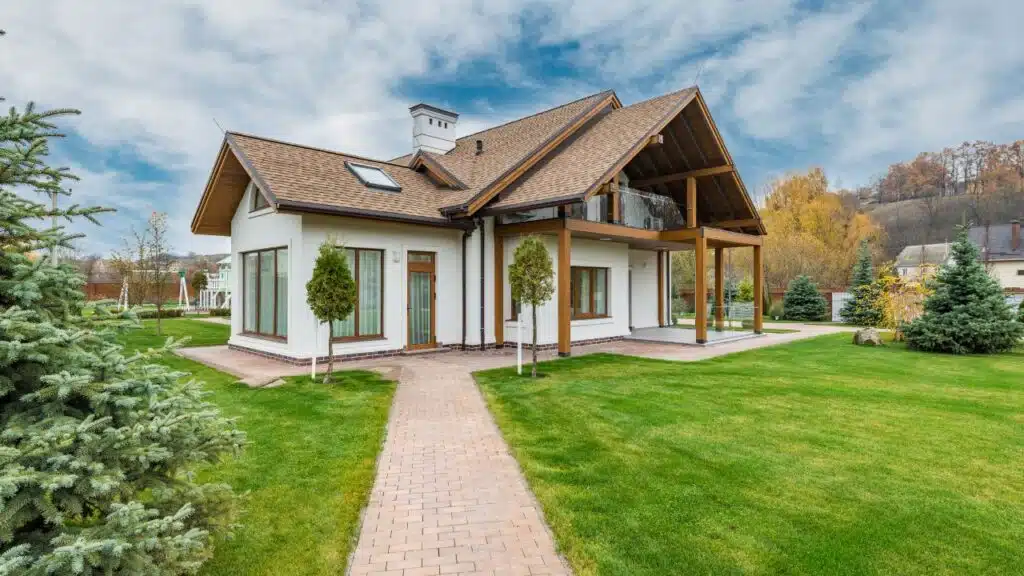
Architects wrap the courtyard in a sealed shell to cut drafts and save heat. They add a trombe wall, plant-fiber fill and a moisture gauge-controlled air exchanger to boost comfort.
Merging indoor and outdoor spaces with passive design principles
In Los Angeles the Passive Courtyard blends interior and exterior zones with passive design strategies. Cross-ventilation sweeps cool air through vents and large doors, cutting reliance on mechanical system.
Strategic shading blocks summer sun and lets winter rays warm concrete slabs with thermal mass. Large operable glazing frames green facades and vertical gardens in a seamless flow.
This layout boosts indoor air quality and powerfully tackles the energy crisis by reducing energy consumption.
Passive solar gain heats floor slabs during cool months, cutting HVAC loads. CFD simulation helped set vent positions for optimal air paths. A tight envelope with cellulose insulation keeps out moisture and modulates relative humidity.
Green facades soak CO2 and add biodiversity to the courtyard. A Passive House energy model links all tools to clear energy conservation targets.
The Sustainable Loft, Brooklyn, New York
This Brooklyn loft punches above its weight. It couples an airtight envelope, thick insulation, and solar panels with a hidden ventilation system for clean air and tiny bills.
Industrial aesthetic blended with advanced passive technologies
Exposed steel girders and raw brick speak to the loft’s industrial soul, while old windows bathe rooms in soft light. The architects kept original beams and columns, tying sustainable design to city heritage.
Passive House retrofit shows how a loft can gain an airtight building envelope without losing its warehouse vibe. Workers added cellulose insulation inside walls, packing every cavity tight.
High-performance insulation wraps the structure, boosting thermal mass and cutting heat loss. An energy recovery ventilation unit flows fresh air across coils, trapping heat and improving energy efficiency.
Engineers ran a blower door test to show full sealing, then scanned every joint with a thermographic camera. Residents enjoy clean indoor air quality, lower bills, and a snug urban haven.
Lessons Learned from Urban Passive House Projects
Teams used prefab methods to craft Passive House in tight sites. They fixed tolerance issues and cut waste. They sealed the building envelope to be truly airtight. They ran an airtightness test to find leaks.
They added a mechanical ventilation heat recovery unit. It kept indoor air quality high. They built interior concrete walls for thermal mass. They tied in solar panels as a renewable energy source.
They used PHPP models. They hit near net zero, boosting energy efficiency. They did it to combat climate change.
Crews found cold spots under slabs. They boosted cellulose insulation there. Heat and cool loads fell by 15%. They learned in Santa Fe. The Balance House taught them not to chase zero cooling.
They balanced heat and cool to save more. The global group shared tweaks from Volkshouse. Schools and kitchens in urban sites used these tips. Each project fed better plans for the next one.
Key Takeaways for Balancing Efficiency and Aesthetics in Design
This set of case studies shows that beauty can pair with efficiency. Each design blends a sealed structure with clean, modern lines. Projects leverage heat buffer walls alongside plant fiber fill to cut energy loss.
Some homes tap green power and become energy-neutral as they fight climate change. Fresh air stays inside thanks to keen gear in smart motive kits. Designers lean into climate shifts with clever layout choices.
These examples show that form and function can walk hand in hand.
Takeaways
We explored ten Passive House homes in busy cities. Each design used thermal mass, sealed wall assembly, recycled paper insulation, and solar power in smart ways. You can spot style in sleek facades, clever trombe walls, and porous cement blocks that hide big savings.
Every mechanical system and floor plan played a role in carbon sequestration, comfort, and energy conservation. Good design can cut bills and lift moods at the same time. Future builds can learn from these case studies and build net zero energy buildings with flair.
FAQs
1. Who started the passive house idea?
Wolfgang Feist, a German engineer, set the first rules. He aimed at net zero energy buildings, he wanted homes to fight climate change and adapt to a changing climate. The house then acts like a giant thermos, it keeps heat in on cold days and cool air in on hot days.
2. How do solar thermal walls and thermal mass boost energy conservation?
Solar thermal walls, or sun-heated walls, soak up heat from the sun. Thermal mass in floors or walls stores that heat. Then the house needs less energy for heating. That pairs renewable energy with clever design to cut energy bills.
3. Why does an airtight building envelope matter in sustainable buildings?
An airtight building envelope stops sneaky drafts, it seals gaps that let air leak out. That step cuts heat loss and reduces energy consumption. It makes the indoor environment calm, it keeps the indoor air quality high, no ghost chills hiding in corners. That helps sustainable buildings stay comfy.
4. What role do plant-based insulation and lightweight concrete blocks play?
Plant-based insulation wraps walls in a green blanket and aids carbon sequestration. Lightweight concrete blocks add thermal mass and firm support. Together they boost energy efficiency, they fit an ecological design style, they help a home meet net zero energy goals.
5. How do passive homes meet goals of climate change adaptation and the Paris Agreement?
Passive homes use renewable energy, like solar panels, and run a simple mechanical system with heat pumps or fresh-air fans. They cut emissions to reach climate-neutral status and align with the Paris Agreement. As the climate shifts, these homes stay steady, they thrive in a world of changing climate.
6. Can you blend aesthetics, indoor air quality and a mechanical system in passive houses?
Yes, you can. Good sustainable design can be a work of art. You might show off sleek vents hidden in walls to feed fresh air. A smart mechanical system keeps indoor air quality high, while big windows let in light to show off style. You get energy efficient, comfy spaces that look sharp, all in one home.