
You shop on your ecommerce platform. You pick curbside pickup at your local store. Then you get a note, “We ran out of stock.” You feel stuck. Many shops use separate tools for point of sale POS, inventory management and order management OMS.
This split hurts your customer experience with extra wait and long lines.
Now, 73% of shoppers mix online and in person channels. This post maps 10 omnichannel fulfillment models that keep your supply chain, warehouse management system WMS and POS in sync.
You will learn about BOPIS, BORIS, ship from store, direct to consumer, third party logistics, micro centers and more. Stay tuned.
Key Takeaways
- Shops sync point-of-sale (POS), order management (OMS) and warehouse (WMS) tools to cut stockouts and long lines. Harvard reports 73% of shoppers mix online and in-store channels.
- Buy Online, Pick Up In-Store (BOPIS) and ship-from-store lift visits by 80%. 85% of BOPIS users buy extra items, and 60% of Gen Z check stock before they shop.
- Buy Online, Return In-Store (BORIS) eases returns and drives loyalty up 47%. 54% of customers still prefer in-store returns after the pandemic.
- Direct-to-Consumer (DTC) brands grow 9.5% yearly versus 3.4% for others. Omnichannel shoppers make 27% of retail sales and spend 287% more. Deloitte says 68% of execs expect supply disruptions.
- Micro-fulfillment hubs trim delivery miles and carbon, which 40% of shoppers value. 42% of brands plan to match items to shoppers by next year.
Buy Online, Pick Up In-Store (BOPIS)
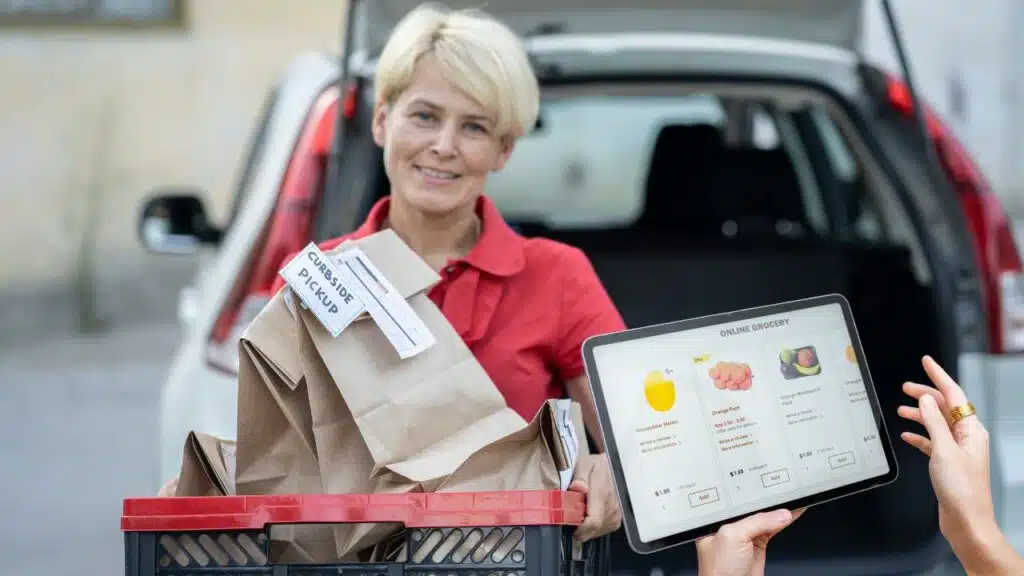
Shoppers hit an online store to fill carts with gadgets, clothing, or groceries via an ecommerce platform. The order management system routes orders to the nearest shop. The warehouse management system tracks stock with barcode scanners and sends live counts to the point of sale.
Shoppers drive up for curbside pickup or walk in for instant access. Retailers boost inventory visibility and slash stockouts.
This in-store pickup model fires on all cylinders, lifting customer engagement and loyalty. Data shows 85% of BOPIS users grab extra goods in store. Nearly 46% of global buyers check stock online before a visit, and Gen Z tops the list at 60%.
Half of customers flip the script, researching on the floor then buying online, or vice versa. Omnichannel retail strategies mesh online shopping with brick and mortar. Same-day delivery fans often pick this path, but curbside pickup still steals the show.
Buy Online, Return In-Store (BORIS)
Buy Online, Return In-Store cuts shipping battles and lines. It lures people back to brick and mortar shops, and 54% of customers still like to shop in person after the pandemic. Shopify POS and other checkout devices scan returns on the spot with barcode scanners.
That quick fix boosts brand loyalty by 47% once shoppers finish the drop off. Brands plug their e-commerce platform into store lanes for instant order tracking and easy refunds.
Retailers stitch together an order management system (oms) and a warehouse management system to keep inventory management in sync and deliver real-time inventory updates. A miscount in stock or a refund delay can harm customer experiences.
Omnichannel retail thrives on smooth processes and happy guests. Poor integration triggers errors, backorders and endless phone calls that sap customer engagement. Staff ride the last mile of service to rescue the sale when a glitch pops up.
Ship-From-Store Fulfillment
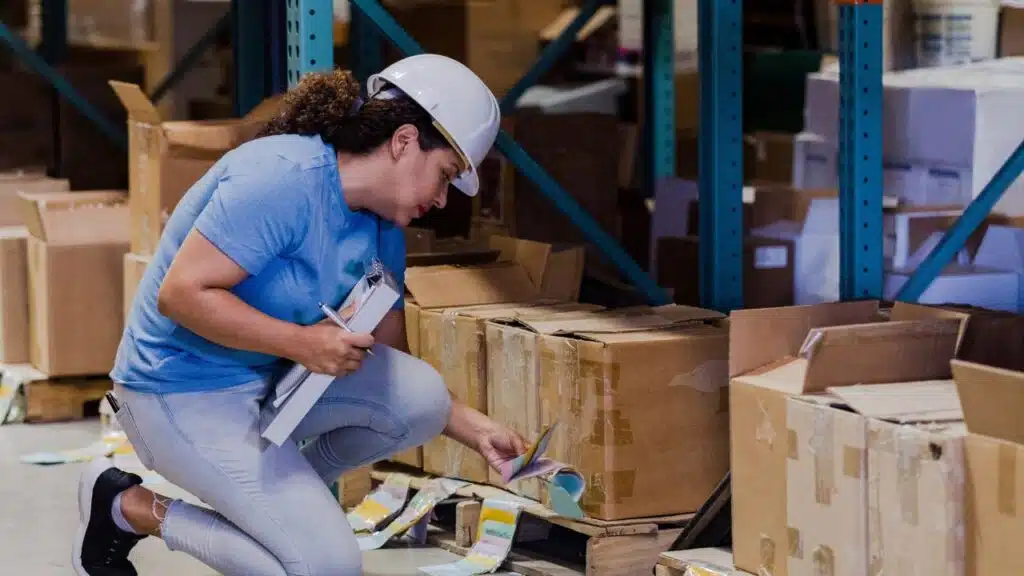
Staff pick and pack orders in local shops instead of central hubs. They use a warehouse management system and an order management system (OMS) to scan stock. This setup pushes real-time inventory updates across online stores and brick-and-mortar shops.
Google shows these moves lift store visits by 80% and ease the load on distribution centers.
Local shipping cuts delivery time and feeds a seamless shopping experience with cheap same-day delivery. It taps omnichannel strategy and sharp inventory management to win loyalty.
Harvard reports 73% of shoppers like multiple channels, and omnichannel shoppers hold a 30% higher lifetime value than single channel buyers. Teams scan with barcode scanners, popping parcels into boxes for curbside pickup or carrier handoff.
Direct-to-Consumer (DTC) Fulfillment
Companies ship from their own hub to the door of each buyer. They use Shopify POS and Salesforce OMS to run orders. Retailers cut out wholesalers. They talk to buyers with direct customer data and social media.
This method can spark 9.5% annual growth, while others see only 3.4%.
Smart brands use barcode scanners and Manhattan WMS to track stock. They link a FedEx API or UPS integration to an ecommerce platform. Omnichannel shoppers make 27% of retail sales.
They buy 287% more across channels. Apple Pay and PayPal speed each sale.
Third-Party Logistics (3PL) Integration
Retailers tie their omnichannel retail networks to 3PL partners to move orders faster. A solid order management system, or oms, and a stockroom management platform sync sales across channels.
This boosts inventory management and cuts fulfillment operations delays. You gain real-time inventory updates and full inventory visibility. That shields you from stockouts or piles of deadstock.
Deloitte says 68% of retail execs expect supply chain disruptions to slow growth this year. Poor integration forces staff to type orders by hand, which kills time and adds extra costs.
Linking to a logistics partner also brings risks. Systems can fall out of sync if they do not share data. One wrong update can delay a gift or spark angry emails. Barcode scanners that feed status to your platform spot errors fast.
Some teams see fewer mispicks and run fewer red ink events. They keep customers grinning, loyalty scores rising. Clear view of stock lifts customer engagement and cements your omnichannel experience.
Micro-Fulfillment Centers
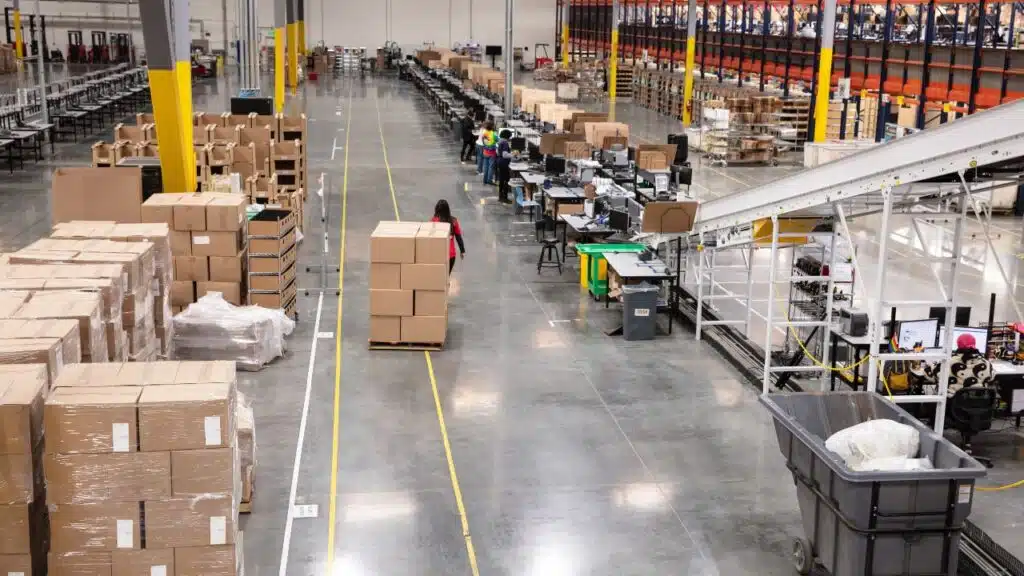
Cities host mini distribution hubs inside stores. A warehouse management system tracks stock next to shops. An order management system logs orders and updates inventory data. Automation improves planning efficiency by 25%, streamlining pick and pack.
AI-powered tools and supply chain coordination cut errors and boost order accuracy. These hubs feed same-day delivery options.
Local hubs cut travel miles and carbon output, which 40% of shoppers value in their purchase plans. Chains link these centers to brick-and-mortar stores with real-time inventory updates, raising inventory visibility and customer loyalty.
Some let shoppers book pick times via curbside pickup. That 34% of buyers used appointment shopping in 2022 shows demand. This fit suits many omnichannel retail strategies.
Dropshipping Models
Stores let suppliers pack and ship orders straight to customers. This dropshipping trick cuts warehousing costs. It blends well with an order management system (OMS) and barcode scanners.
Target, Walmart and Amazon use it in their omnichannel strategy. Nike, Sephora, IKEA and Disney add it to their playbook too. It feels like a relay race, passing the stock baton, to speed up parcel delivery.
Retailers tie dropshipping to their inventory management system, WMS and e-commerce platforms like Shopify POS. Social commerce ad spending rose 26% in Q3 2021, and that market may triple by 2025.
Payment tools span Google Pay, Visa and Mastercard, to suit loyalty program fans. This setup delivers real-time inventory visibility, trims backorders and fuels a seamless shopping experience.
Omnichannel Inventory Visibility
Imagine chasing a unicorn. That is a store with perfect stock. Real-time inventory updates light the path. Data sync ties every channel, from online retail sites to curbside pickup lanes.
Omnichannel inventory visibility gives that clarity. Forty-six percent of global shoppers check stock online before they go inside. That jumps to sixty percent for Gen Z.
Retailers lean on inventory management and order fulfillment systems to share data. A warehouse management system (wms) tracks back-room stock. A point of sale system logs every sale in a blink.
The order management system (oms) picks the best location to ship or hold. A barcode scanner scans each box and updates every channel. This process stops stockouts and overstock. It makes customers grin when they get their orders fast.
Subscription-Based Fulfillment
Brands link subscription services with ecommerce websites and marketing platforms. They tap customer data in unified customer profiles to tailor offers. A subscription system uses an order management system (OMS) and real time inventory updates.
It feeds personalized quizzes and apps for product picks. Forty two percent of brands plan to match shoppers with items by next year. Live shopping streams on social sites boost customer engagement.
Subscribers enjoy a seamless shopping experience.
People shift from phones to tablets to laptops, ninety eight percent of Americans swap devices while they shop. Almost half of them engage with four or more touchpoints in a single journey.
An omnichannel retail strategy ties orders across mobile, web and store via Shopify POS and warehouse management system, boosting inventory visibility. OMS and real time stock feeds cut stock outs.
Brands win customers with loyalty programs, steady deliveries, sharper demand forecasting, and agile inventory management.
Same-Day and Next-Day Delivery Models
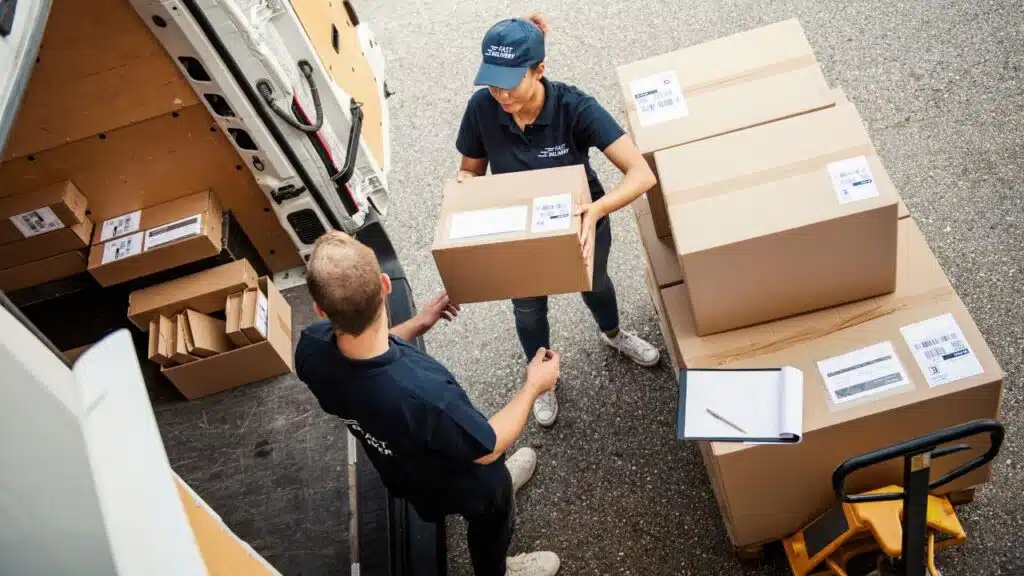
Retailers run same-day and next-day delivery to meet high customer expectations. 30% of shoppers now demand same-day delivery. 90% expect two-to-three day shipping. Curbside pickup and contactless payment help speed service.
Target, Walmart, and Amazon use an order management system (OMS) and warehouse management system (WMS) for fast processing. They tap real-time inventory updates and a scan gun.
Stores tie shopify pos, SMS marketing, and stock tracker tools. They boost inventory management for omnichannel retailing. These tools help cut delays when 68% of retail executives expect supply chain disruptions.
Nike and Sephora shape a seamless shopping experience, tuning each step in the customer journey.
Takeaways
These models speed orders from cart to door. They plug into an online store engine, cash register system and scan guns to track goods. Real-time stock checks and demand plans cut wait times and fix errors.
Order hub software and distribution software link every step to a single shopper profile. This smooth mix of tech sparks smiles, builds loyalty and fuels repeat buys.
FAQs
1. What is an omnichannel retail model?
It ties online shops, physical stores, and apps together. It uses an internet-store, a store point system, and curbside pickup. It keeps merchandise, inventories, and pricing in sync like clockwork. It gives a seamless shopping experience for all customers.
2. How do warehouses and shipping tie in?
They rely on a warehouse management system to drive inventory management and demand forecasting. It makes same-day delivery and two-day delivery a breeze. It helps teams move goods fast and meet customer expectations.
3. What is buy online pick up in store?
It lets you shop online, then choose store pick up or curbside pickup. It uses barcode scanners and an order management system to track your order. It cuts wait time and sparks customer engagement.
4. How does augmented reality work in an omni channel plan?
AR apps show real products on your phone, right in your room. It blends the digital world with your living space, and adds fun. It helps you pick the right size and style before you buy.
5. What role do unified customer profiles play?
They gather data from online marketplaces, fast fashion stores, pet stores, and internet-store apps. They give one clear view of each shopper. They guide pricing, fulfillment operations, and payment processing.
6. How do multichannel retailers handle B2B and C2C sales?
They use enterprise resource planning and a store point system to track every sale. They link to internet marketplaces for consumer to consumer deals. They watch payables and debit cards to keep accounts tidy.