

Planning your first trip to Puerto Rico can feel overwhelming, especially when you don’t know what mistakes to avoid. Many travelers make costly errors that can ruin their vacation experience and drain their budget quickly.
This guide reveals the top ten travel mistakes that visitors make in Puerto Rico, plus simple tips to help you avoid them. Read on to save money and make your trip amazing.
Key Takeaways
- Rent a car instead of using public transportation since bus routes are limited and Uber rides between cities cost over $100.
- Explore beyond San Juan to experience Puerto Rico’s diverse attractions like Flamenco Beach, Bioluminescent Bay, and authentic local culture.
- Pack light with only seven days of clothes, two pairs of shoes, and leave extra luggage space for souvenirs.
- Apply SPF 30+ sunscreen every two hours and avoid peak sun hours from 10 AM to 4 PM to prevent burns.
- Buy travel insurance before visiting during hurricane season (June to November) to protect against weather-related trip cancellations and medical emergencies.
Why shouldn’t I rely on public transportation in Puerto Rico?
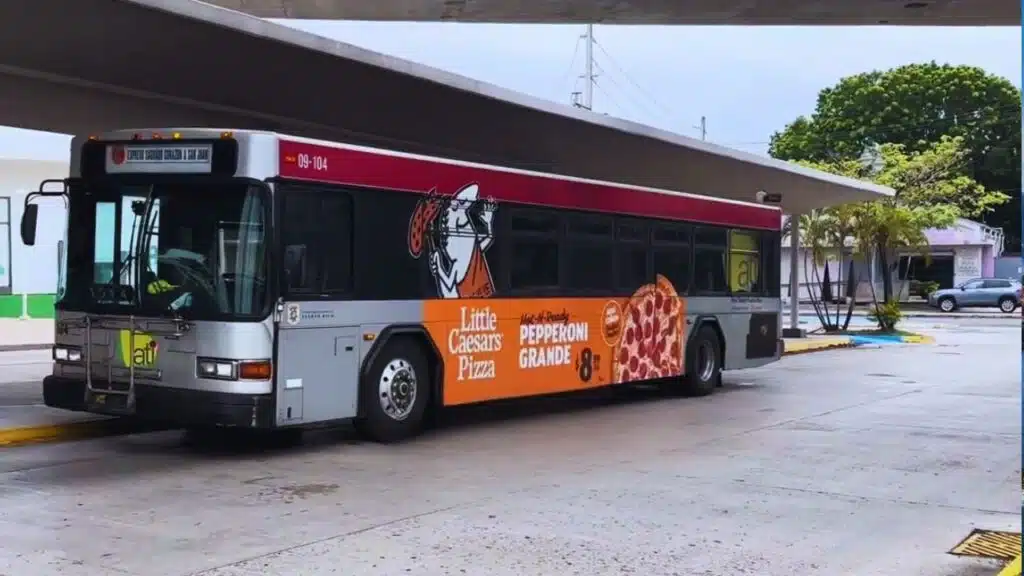
Public transportation in Puerto Rico won’t get you where you want to go. Bus routes are limited and don’t reach many popular attractions outside San Juan. Trains don’t exist on the island.
Your travel convenience takes a hit when you depend on buses that run infrequently.
Rideshare apps like Uber work in cities, but they cost a fortune for longer trips. An Uber ride between cities can cost over $100 each way. That’s money you could spend on food, activities, or souvenirs instead.
Car rental prices are much lower and give you complete flexibility to explore at your own pace. Many travelers don’t realize the distances between attractions are huge, making rideshares impractical and expensive for island exploration.
Why is it a mistake to only stay in San Juan?
San Juan serves as Puerto Rico’s capital city and main entry point for most visitors. Many travelers make the mistake of treating it like their entire vacation destination. This approach limits your exposure to Puerto Rico’s incredible diversity and authentic experiences.
Locals strongly advise exploring destinations far beyond the city limits. You miss out on breathtaking locations like Flamenco Beach in Culebra, the magical Bioluminescent Bay in Vieques, the stunning cliffs of Cabo Rojo, and the adventure activities in Fajardo.
Puerto Rico offers so much more than one city can provide. Cities like Ponce, Mayaguez, Jayuya, Guavate, Maricao, San German, and Aguadilla each showcase different aspects of island culture and landscapes.
Some visitors treat Puerto Rico merely as a cruise departure point, which means they see only curated experiences with large crowds. This cruise mentality prevents authentic cultural connections with local communities.
Exploration across the entire island reveals the true beauty and character that makes Puerto Rico special. San Juan cannot match the luxury accommodations and service speed of places like New York City, but the island’s real treasures lie in its varied attractions and genuine local experiences outside the capital.
How can I avoid overpacking for my trip?
Overpacking turns your Puerto Rico adventure into a heavy burden. Smart packing gives you freedom to explore and shop for souvenirs.
- Pack only seven days of clothes, even for longer trips, and wash items as needed to maintain flexibility and convenience.
- Choose versatile pieces that work for beaches, restaurants, and hiking trails to reduce the total number of items in your suitcase.
- Limit yourself to two pairs of shoes: comfortable walking shoes and sandals that handle Puerto Rico’s diverse terrain and climate.
- Bring one small backpack for day trips instead of multiple bags to simplify logistics while exploring different regions.
- Pack lightweight, quick-dry fabrics that adapt to humidity and frequent weather changes across the island.
- Leave extra space in your luggage for souvenirs and local purchases you’ll want to bring home from markets and shops.
- Skip heavy electronics and gadgets, bringing only essentials like your phone, charger, and camera to avoid unnecessary weight.
- Choose multi-purpose items like sarongs that serve as beach towels, blankets, or cover-ups to maximize efficiency in your packing.
What are the risks of leaving valuables in parked cars?
Leaving valuables in parked cars turns your vehicle into a magnet for thieves. Rental cars face higher theft risks, especially in popular tourist areas across Puerto Rico. Break-ins happen in both busy cities and quiet rural spots.
Criminals look for phones, cameras, bags, and other items left on seats or dashboards. Your car windows become display cases for opportunistic thieves who work fast.
Travel advisors stress keeping important documents and valuables secure at all times. Hotel safes offer better protection than car trunks or glove compartments. Insurance policies often exclude coverage for items stolen from vehicles.
Carrying valuables with you or storing them in hotel safes prevents costly losses. Visible electronics and bags invite trouble, so clear out your car completely before parking.
How do I protect myself from the sun while traveling?
Puerto Rico’s tropical sun can turn your dream vacation into a painful nightmare. Smart travelers pack the right gear and follow simple rules to stay safe under those intense rays.
- Apply broad-spectrum sunscreen with SPF 30 or higher every two hours, even on cloudy days. Tropical sun penetrates clouds easily and reflects off sand and water at popular spots like Condado Beach.
- Wear a wide-brimmed hat that covers your face, neck, and ears completely. Baseball caps leave your neck exposed to harmful UV rays during long beach days.
- Put on UV-blocking sunglasses to protect your eyes from intense glare. The sun’s reflection off white sand at Flamenco Beach can cause serious eye damage without proper protection.
- Choose lightweight, long-sleeved shirts and pants made from tightly woven fabrics. Light colors reflect heat while still providing excellent skin coverage during outdoor adventures.
- Drink water constantly throughout the day, especially during peak sun hours from 10 AM to 4 PM. Heat illness strikes fast in Puerto Rico’s humid climate.
- Seek shade whenever possible, but don’t rely on it completely at beaches like Isla Verde. Many coastal areas offer limited natural shade, so bring your own umbrella or tent.
- Use reef-safe sunscreen to protect marine life while swimming or snorkeling. Chemical sunscreens harm coral reefs at Puerto Rico’s pristine beaches.
- Schedule outdoor activities for early morning or late afternoon when UV rays are weaker. Midday sun exposure can cause severe burns in just 15 minutes.
- Pack aloe vera gel or cooling lotion for minor sunburn relief. Even careful travelers sometimes get caught off guard by Puerto Rico’s powerful sunshine.
Is it safe to drink tap water in Puerto Rico?
Good news for thirsty travelers: Puerto Rico’s tap water meets U.S. safety standards. As a U.S. territory, the island follows strict water treatment and sanitation rules. Most hotels and restaurants serve potable tap water that’s perfectly safe to drink.
Major tourist areas have no widespread advisories against drinking from the faucet.
Some travelers with sensitive stomachs choose bottled water as extra protection. Rural areas might face occasional water service interruptions, but this doesn’t mean the water quality drops.
Double-check with your hotel about their water safety if you have concerns. Boiling water or using filtration devices gives peace of mind to cautious visitors, though it’s rarely necessary in developed areas.
Why should I rent a car to explore beyond the cities?

Renting a car gives you freedom to explore Puerto Rico’s hidden gems at your own pace. Public transportation stops working outside major cities, leaving you stranded without wheels.
Uber rides between cities can cost over $100, making car rentals the smart choice for your wallet. Destinations like Cabo Rojo, Fajardo, and Maricao sit far from bus routes, accessible only by car.
Car rentals in Puerto Rico offer competitive prices and open doors to adventure. You can discover less-touristed spots like Humacao or Guanica without depending on expensive rideshare services.
Scenic drives through the mountains become possible when you control your transportation. Narrow roads might challenge some drivers, but the flexibility to stop anywhere makes every mile worth it.
What should I know about hurricane season warnings?
Hurricane season in Puerto Rico runs from June to November, and this timing can make or break your vacation plans. Tropical storms can pop up fast in the Caribbean. Weather alerts come through local news, radio stations, and emergency apps on your phone.
Smart travelers check these alerts daily during storm season. The National Hurricane Center tracks all storms heading toward the island. Local authorities issue evacuation orders for dangerous areas near coastlines and flood zones.
Some hotels and attractions shut down completely during severe weather events. Airlines often cancel flights days before a storm hits. Your dream beach day might turn into a day spent in a hotel lobby watching the news.
Travel safety becomes your top priority once hurricane warnings start. Emergency response teams work around the clock, but they can’t reach everyone right away. Power outages can last for weeks after major storms pass through.
Cell phone towers go down, cutting off communication with family back home. Flooding happens fast in low-lying areas and mountain valleys. Many roads become impassable due to fallen trees and debris.
Disaster recovery takes months, not days. Smart visitors buy travel insurance before booking their trip. This coverage helps with flight changes and hotel cancellations. Pack extra batteries, water, and snacks in case you get stuck.
Know where the nearest shelter is located at your hotel or rental property.
How can I respect local culture and customs in Puerto Rico?
Learning basic Spanish phrases shows respect for Puerto Rican culture. Say “Hola” for hello, “Buen Día” for good morning, and “Gracias” for thank you. These simple words open doors to better talks with locals.
Puerto Rico has a rich history as a U.S. territory with its own special traditions. Drop any wrong ideas you might have about the island before you visit.
Food plays a big part in Puerto Rican culture, so don’t insult local dishes. Tastes differ across cultures, and what seems odd to you might be a family treasure to others. Check restaurant hours and food prices before you go out to eat.
Try new foods, learn about local customs, and speak some Spanish words. Being open to new things makes your trip better and shows you care about the people you meet.
Why is travel insurance important when visiting Puerto Rico?
Travel insurance acts like a safety net for your Puerto Rico adventure. Hurricane season can strike without warning, turning your dream vacation into a costly nightmare. Coverage protects you from trip cancellations and interruptions that weather brings.
Medical emergencies happen fast on any island, and evacuation costs can drain your bank account. Many travelers think Puerto Rico will be cheap, but unexpected expenses add up quickly.
Protection goes beyond just medical costs. Lost luggage coverage saves you money when airlines misplace your bags. Reimbursement for prepaid activities helps when storms cancel your plans.
Insurance gives you peace of mind to enjoy the beaches, rainforests, and local culture. Smart planning includes financial assurance for the unexpected. Your policy should cover emergency expenses that can reach thousands of dollars without warning.
How can a tight schedule affect my trip?
Packing too many activities into your Puerto Rico itinerary creates exhaustion instead of excitement. ExplorePR highlights that overbooking travel can lead to exhaustion and hinder enjoyment.
Your body needs rest days to recover from constant movement and exploration. Overpacking itineraries can prevent engagement with local culture and experiences that make trips memorable.
A rigid schedule limits spontaneous exploration of local attractions you might discover along the way. Puerto Rico operates on “Island Time,” which means things may take longer than in big cities.
This laid-back mindset helps you adapt to the island’s natural rhythm.
Flexibility becomes your best friend during Puerto Rico adventures. Managing expectations while traveling is important, as advocating for flexibility helps avoid disappointment. Weather changes, transportation delays, or sudden plan changes happen frequently on the island.
Allowing time for unexpected discoveries enhances overall enjoyment of your trip. Adaptability lets you embrace those magical moments that tight schedules often force you to skip. Your itinerary should breathe with space for relaxation and spontaneity.
Discovery happens best when you’re not rushing from one checkpoint to the next.
Takeaways
Puerto Rico offers amazing adventures for smart travelers. Avoid these common mistakes, and your trip will be much better. Pack light, rent a car, and explore beyond San Juan to find hidden gems.
Respect local customs, protect yourself from the sun, and budget wisely for the best experience. Your island getaway awaits, so make every moment count!
FAQs
1. What’s the biggest mistake tourists make when visiting Puerto Rico?
Many visitors think they need a passport to travel there. Puerto Rico is a U.S. territory, so American citizens can fly there just like going to any other state.
2. Should I only stick to tourist areas when exploring the island?
Don’t limit yourself to just the popular spots. You’ll miss out on authentic local experiences, hidden beaches, and amazing food joints that locals love.
3. What transportation mistake do most people make in Puerto Rico?
Relying only on taxis or ride-shares will drain your wallet fast. Renting a car gives you freedom to explore at your own pace, and public buses work great for getting around San Juan.
4. Is it safe to drink tap water throughout Puerto Rico?
Stick to bottled water, especially outside major cities. The tap water might be safe in hotels, but your stomach might not agree with the different minerals and treatment methods.




























