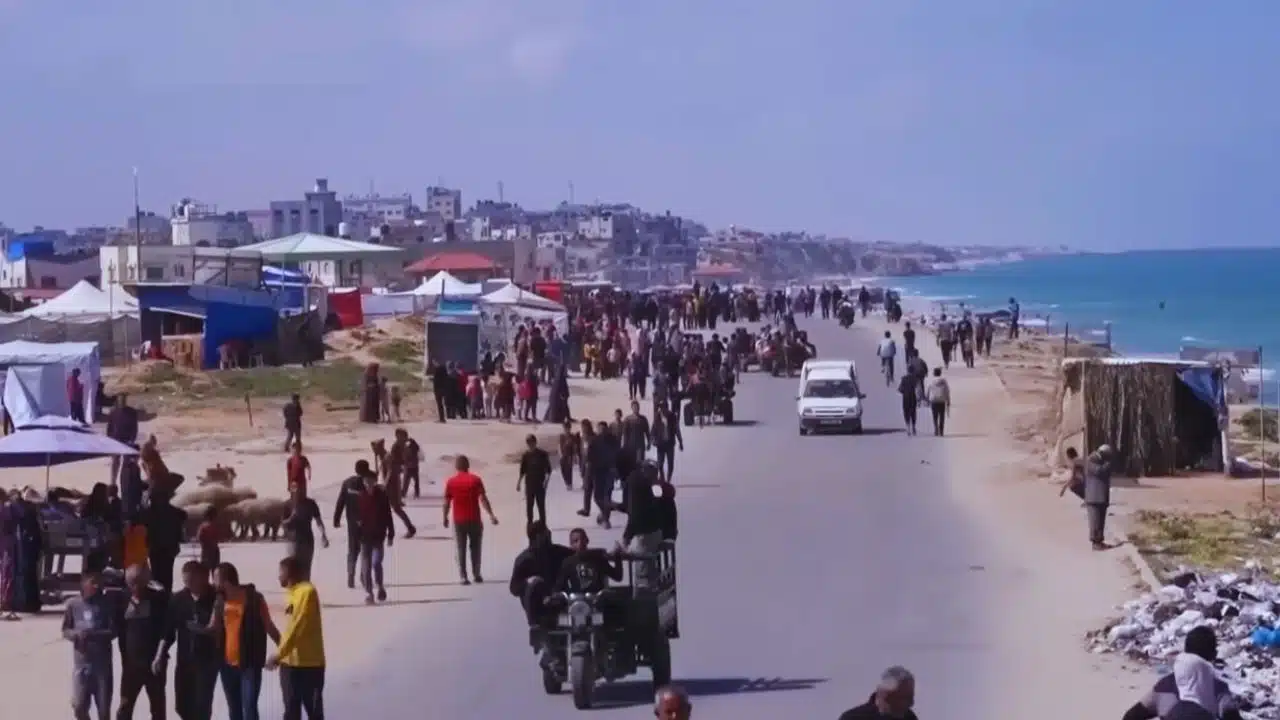
Israel has formally confirmed its intention to relocate tens of thousands of Palestinians from northern Gaza to the south, in preparation for what it describes as the final stage of its offensive against Hamas. The move has drawn global attention due to its military, humanitarian, and political implications.
Background: Why Israel is Preparing for Another Offensive
The announcement came just days after the Israeli military said it was planning a new large-scale offensive aimed at regaining control of Gaza City, the enclave’s most populous urban center before the war. Gaza City has been a key battleground since the start of the conflict, with Israel identifying it as the “last major stronghold of Hamas.”
Israeli Defense Minister Israel Katz stated that the country is now in the stage of “discussions to finalize the plan to defeat Hamas in Gaza,” signaling a shift toward heavier urban combat operations in areas still believed to shelter Hamas fighters and infrastructure.
Relocation Plan: Moving Civilians to “Safe Zones”
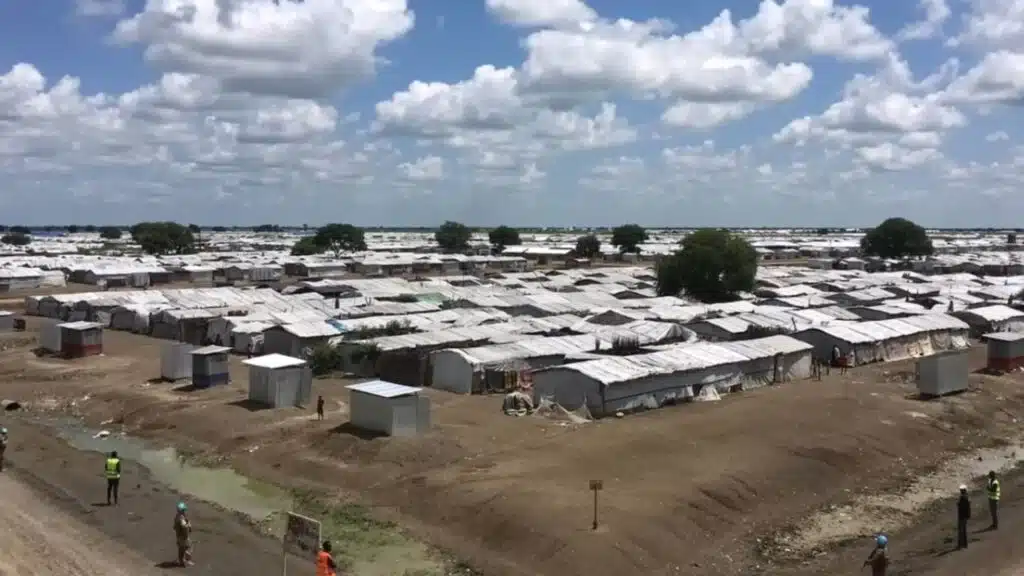
The Israeli military has not given an exact timeline for when relocations will begin, but preparations are already underway. According to COGAT (the Coordinator of Government Activities in the Territories), the agency responsible for managing civilian affairs in Palestinian areas, Israel will resume the delivery of tents and shelter equipment starting Sunday.
- Entry point for aid: Supplies will be brought in through the Kerem Shalom crossing, a key passage for humanitarian assistance, before being distributed by the United Nations and other aid organizations.
- Inspection: All items will undergo inspection by Israel’s Defense Ministry personnel before entry, as part of strict security protocols.
- Designated safe zones: Prime Minister Benjamin Netanyahu has said Palestinians would be relocated into areas designated as “safe zones.” However, international monitors caution that no part of Gaza can be considered truly safe due to ongoing airstrikes.
#عاجل 🔴 بناء على توجيهات المستوى السياسي وفي اطار تحضيرات جيش الدفاع لنقل السكان المدنيين من مناطق القتال إلى جنوب قطاع عزة حفاظا على أمنهم، سيتم اعتبارا من يوم الغد (الأحد) تجديد توفير الخيم ومعدات المأوى لسكان القطاع.
⭕️سيتم نقل المعدات عن طريق معبر كيرم شالوم بواسطة الأمم…
— افيخاي ادرعي (@AvichayAdraee) August 16, 2025
Military Activity on Gaza’s Outskirts
While relocation plans are being finalized, fighting continues on the ground. Israeli forces have intensified operations in neighborhoods on the edge of Gaza City, particularly Zeitoun and Shejaiya, both long known as Hamas strongholds.
- Reports indicate that dozens of “terror targets” have been hit, including tunnel networks and weapons storage facilities.
- Drone strikes and artillery fire are being used heavily to soften resistance before ground troops move deeper into the city.
- Analysts warn that combat in these urban areas could become some of the most intense of the war, given the density of the civilian population and Hamas’s reliance on tunnel warfare.
Humanitarian Impact: Aid, Hunger, and Civilian Losses
The humanitarian situation in Gaza remains dire and continues to deteriorate:
- Casualties: According to the Hamas-run Gaza Health Ministry, more than 61,000 Palestinians have been killed since October 2023. Independent researchers believe the actual toll could be even higher, as many bodies remain buried under rubble.
- Starvation deaths: The Ministry has reported at least 251 malnutrition-related deaths, including children and elderly, since the start of the war.
- Safe zone tragedy: In one widely reported incident, an Israeli airstrike hit an area previously marked as a “safe zone”, killing a baby and her parents. This has fueled criticism that relocation orders do not guarantee civilian safety.
- Aid workers at risk: The UN has confirmed that more than 1,700 people involved in aid distribution have been killed while trying to deliver assistance.
International aid groups warn that limited access to clean water, medical supplies, and food could lead to mass outbreaks of disease in overcrowded camps in southern Gaza.
Families of Hostages Push for Nationwide Protest
While military operations continue, domestic pressure inside Israel is growing. A group representing the families of hostages held in Gaza has called on citizens to stage mass protests demanding that the government secure a deal to end the war and bring hostages home.
- Hostage figures: On October 7, 2023, Hamas abducted 251 people during its deadly attacks on southern Israel, which killed around 1,200 civilians and soldiers.
- According to Israeli authorities, around 50 hostages remain in Gaza, but only 20 are believed to still be alive.
- Families argue that prolonging the war puts remaining hostages at greater risk, and they are urging the government to prioritize negotiations over military action.
Political and International Reactions
Israel’s relocation plan has sparked significant debate:
- UN stance: The United Nations has repeatedly said that Gaza is too small and too devastated to host large-scale displacements. It warns that declaring “safe zones” without guarantees of protection could amount to forced displacement, raising concerns under international law.
- Human rights groups: Organizations such as Amnesty International and Human Rights Watch have criticized the plan as a potential violation of the Geneva Conventions, which prohibit the mass transfer of civilian populations during wartime except for urgent security reasons.
- Regional response: Egypt, which borders Gaza, has expressed concern that the plan could push Palestinians closer to the Rafah crossing, potentially pressuring Cairo to accept refugees—a scenario it has consistently resisted.
A Growing Humanitarian Emergency
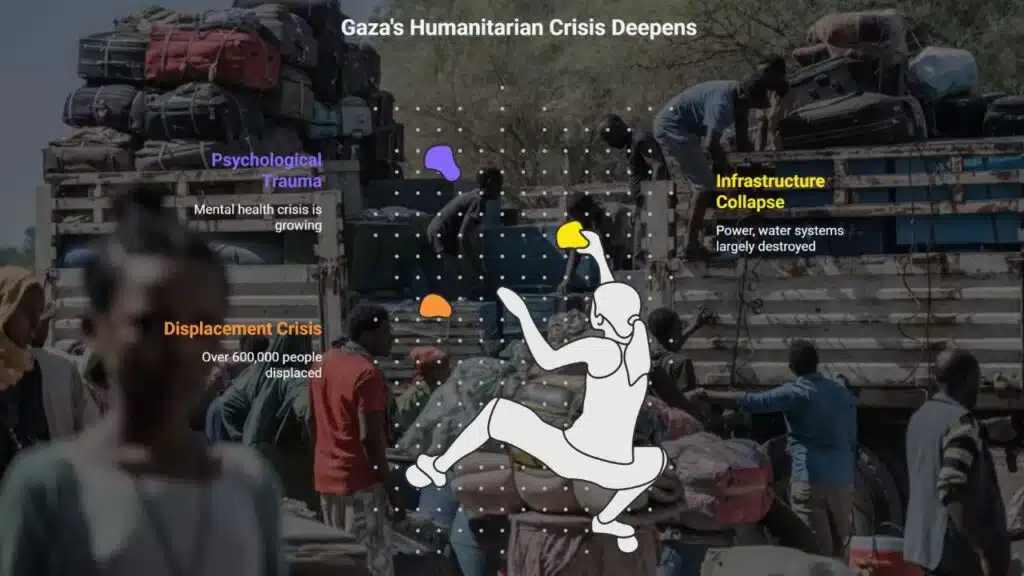
As the war approaches its eleventh month, Gaza faces near-total devastation:
- Displacement: Most of Gaza City’s population—previously estimated at over 600,000 people—has already been displaced. Many are now sheltering in schools, hospitals, or makeshift tents.
- Infrastructure collapse: Power, water, and sewage systems in northern Gaza are largely destroyed. Southern areas now face overcrowding and worsening sanitary conditions.
- Psychological toll: Aid workers report a growing mental health crisis, with children showing signs of trauma from repeated bombings and forced displacement.
Summary Table of Key Developments
| Issue | Latest Update |
| Relocation plan | Palestinians to be moved from northern Gaza to southern “safe zones” |
| Aid supplies | Tents and shelters via Kerem Shalom, coordinated by UN and NGOs |
| Military operations | Heavy strikes in Zeitoun and Shejaiya on Gaza City’s outskirts |
| Casualties | 61,000+ Palestinians killed; 1,200 Israelis killed on Oct 7 |
| Hostages | 251 taken by Hamas; ~50 remain, only 20 believed alive |
| Humanitarian crisis | Starvation, disease, airstrikes continue; 251 malnutrition deaths reported |
| International response | UN and rights groups warn relocations may violate humanitarian law |
A Conflict at a Crossroads
Israel’s decision to relocate Palestinians before a new assault on Gaza City marks a pivotal moment in the war. While the government frames the move as a protective measure for civilians, humanitarian organizations insist that no place in Gaza is truly safe. At the same time, families of hostages are pressing for a political solution instead of continued escalation.
With civilian suffering at unprecedented levels and political pressure rising at home and abroad, Israel’s next steps could determine not only the course of the war but also its long-term impact on regional stability and international law.
The Information is Collected from BBC and MSN.