
High bills, late fixes, and safety stress can drain you fast. The internet of things (IoT) helps by turning buildings into quick learners with real-time data. Small IoT sensors watch energy use and systems all day. That data boosts energy efficiency, property management, and operational efficiency across Hong Kong. You get fewer surprises and a smoother run.
Overview of IoT in Real Estate
IoT means everyday devices connected to the internet. They send and receive data. In real estate, that includes thermostats, meters, locks, cameras, and pumps. Together, these smart buildings act like a nervous system for a property.
Across Hong Kong, sensors track electricity use, indoor comfort, and equipment health. A property team can control cooling or lights from a phone. Cloud storage, often called the cloud, holds data safely for later checks. With artificial intelligence, also called AI, systems learn patterns and flag problems early.
The shift supports energy efficiency goals and cuts carbon emissions. Smart meters show electricity consumption by floor or zone. Lights dim when a room is empty; temperatures match tenant preferences without waste. Some sites connect EV charging to renewable energy sources, so greener power gets used first.
These IoT technologies deliver operational efficiency that owners want in a dense city. Fewer manual checks. Faster repairs. Clearer reports. That is the core of this digital transformation.
Key Applications of IoT in Hong Kong’s Real Estate Sector
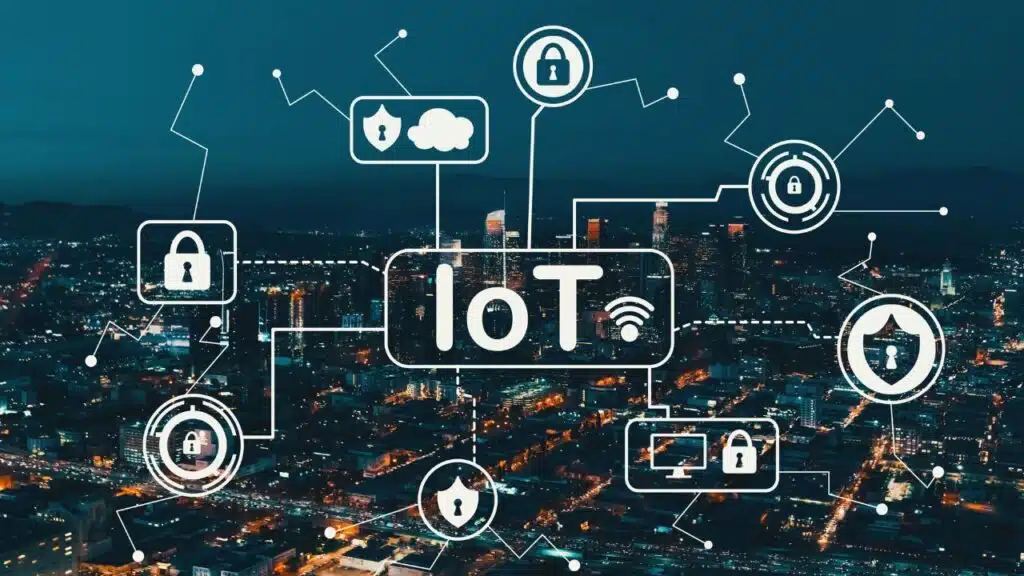
Across the city, IoT sensors and data analytics change daily work. Smart buildings run smoother; tenants feel the difference. Here is where the impact shows up most.
Smart Building Management
Smart buildings rely on connected sensors to watch lighting, airflow, and lifts. A dashboard shows real-time status and simple alerts. A manager can adjust settings on a mobile app from any place with a signal.
Smart locks reduce the hassle of keys. Automated lights brighten as people walk and dim when they leave. Connected systems also support better waste management; full bins get picked up on time, not too soon and not too late.
Machine learning, which is a type of AI, spots patterns in the data. It helps schedule maintenance before breakdowns. That means fewer outages and less overtime. Cloud computing ties it together and keeps teams in sync.
Data insights can raise comfort and lower energy use at once, said a regional real estate leader at Jones Lang LaSalle Asia Pacific, June 2023.
Energy Efficiency and Sustainability
IoT sensors track power, water, and waste in offices and shopping malls. The data guides energy management plans that save money and shrink carbon emissions. Rooms cool down only when busy. Lights turn off when empty. Simple moves add up.
AI tools find waste you would miss. They suggest lower settings during off-hours or cooler days. Public housing teams watch power loads from a central room. If a pump spikes, they get an alert and fix it fast.
As part of ESG strategies, some estates add solar panels or small wind systems. Others join power purchase agreements to support green energy. The long-term aim is a net-zero energy building. Small steps today make a future-proof setup tomorrow.
Enhanced Security and Safety
Safety tools now connect to the same smart backbone. Central dashboards control cameras, access control, and alarms in real time. If a door is forced, the system sends an alert to the right person.
Facial authentication and remote access are used in select sites. These tools also save energy by limiting access to sensitive areas. Data analytics can spot risky zones or times, which helps prevent incidents.
In public housing, sensors can detect leaks and full bins early. That protects health and reduces damage. For any security setup, follow local rules and get expert advice if in doubt.
Improved Tenant Experience
Tenants feel IoT in daily moments. Smart controls set lights and temperatures to match routines. If a window opens, a quick alert can prompt action. Comfort rises, and waste falls.
Property teams use data to fix issues before tenants complain. Less paperwork, more service. In malls, indoor air quality sensors help keep air fresh. As AI connects services in the cloud, apps can guide parking or room bookings in seconds.
Real-World Examples and Case Studies in Hong Kong

Many local owners now test and scale IoT. A few quick examples show how it works.
- Swire Properties uses building automation across towers and malls. Teams review real-time data on lighting, cooling, and energy use, then trim loads to cut costs and emissions.
- In public housing managed by the Hong Kong Housing Authority, waste and water sensors guide cleaner, faster collection and leak response.
- New World Development has introduced facial checks at some entry points for secure, smooth access control.
Homes and rentals see change too. Some units include smart refrigerators that track supplies and reorder basics online if residents choose. Smart locks allow remote entry from a phone, which helps with package access and guest visits.
Commercial centers use data analytics to plan cleaning and manage indoor environment quality. These steps raise operational efficiency and support sustainable buildings. Many aim to meet standards such as Leadership in Energy and Environmental Design.
Challenges and Future Prospects
More sensors mean more data, and that raises privacy and security concerns. Hackers target big data stores. Strong protection, staff training, and clear policies matter.
Upfront costs can be high for smaller owners. Legacy sites need upgrades and skilled teams. Some older shopping malls and industrial buildings struggle to keep pace with cleantech.
Tenants want safer, faster systems; many still worry about how data is used. Clear consent and simple explanations build trust. Be open and set rules on data use and sharing.
AI and automation bring new roles and new fears. Some tasks may shrink, while others grow. Training helps teams work with the tools, not against them. Investors see a growing digital economy, yet they also weigh risk.
Meeting environmental, social, and governance goals takes steady spending. All-electric retrofits and renewable energy add cost at first. The World Economic Forum has called for deeper climate action. Compliance with programs like Leadership in Energy and Environmental Design can add paperwork and audits.
Rules keep changing as IoT spreads into shopping malls and data centers. Expect more checks on safety, privacy, and grid use. Planning ahead reduces stress and avoids fines.
- Start with a pilot floor or single system, then scale.
- Pick open standards to avoid vendor lock-in.
- Set clear data rules, including retention and access.
- Train staff on both tech and privacy basics.
- Track results in simple dashboards that leaders can read.
Takeaways
Smart technology is reshaping Hong Kong real estate, one building at a time. Lights adjust on cue. Cooling matches real demand. Security responds in seconds. With internet of things (IoT) devices and IoT sensors, property management gets sharper and faster.
The gains are clear: lower energy consumption, better tenant satisfaction, and stronger operational efficiency. Carbon reduction follows as systems waste less power. This digital transformation will keep expanding as costs drop and tools improve. With a solid plan and the right partners, your next upgrade can pay off sooner than you think.
FAQs
1. How does IoT improve property management in Hong Kong’s real estate sector?
IoT, or the Internet of Things, lets building managers use sensors and data analytics to track everything from energy use to tenant satisfaction. With these tools, shopping malls and industrial buildings can spot problems fast and fix them before they grow.
2. What role do IoT solutions play in creating smart buildings?
Smart buildings rely on IoT sensors for building automation. These devices collect big data about lighting, temperature, and even carbon emissions. The result? More efficient operations and a better tenant experience.
3. Can IoT help reduce carbon emissions in Hong Kong’s real estate market?
Yes, it sure can! By using energy conservation measures like automated lights or air conditioning controls, landlords cut down on electricity waste. This helps with decarbonising properties and supports green deal goals set by city leaders.
4. How does digital transformation through IoT affect tenant satisfaction?
Digital transformation powered by the Internet of Things means tenants get faster service when things go wrong; think leaky pipes or broken elevators fixed before you even notice them! Plus, improved customer experiences keep people happy at home or work.
5. Are there any benefits for investment in smart cities using IoT technology?
Absolutely! Investors see value as operational efficiency goes up while costs drop thanks to computer-aided systems managing resources wisely across offices or data centres; resilience grows too since issues are caught early with artificial intelligence helping out behind the scenes.
6. Does adopting sustainable environment practices like LEED certification connect with IoT adoption?
For sure; Leadership in Energy and Environmental Design (LEED) rewards properties that use innovations such as electric vehicles charging stations managed by connected devices on premises—these steps show corporate social responsibility while making life easier for everyone inside those walls!