Gas-powered cars have been a staple of transportation for over a century. However, they come with numerous hidden charges that can significantly add to the total cost of ownership.
On the other hand, electric vehicles (EVs) bypass many of these costs, making them a smarter financial and environmental choice.
In this guide, we’ll uncover 7 hidden costs of gas-powered cars that EVs avoid and explain how these savings can benefit you.
7 Hidden Costs of Gas-Powered Cars That EVs Avoid
Let’s take a look.
1. Rising Fuel Prices
One of the most significant hidden charges of gas-powered cars is the unpredictability of fuel costs. Gasoline prices are volatile and subject to global market fluctuations. Over a year, the average gas car owner spends $1,500 to $2,500 on fuel, with spikes in gas prices adding unforeseen expenses.
EV owners avoid this hidden charge entirely. Charging an EV at home typically costs between $400 and $800 annually, offering more stable and predictable energy costs. Additionally, many EV drivers can take advantage of off-peak electricity rates and free public charging stations in certain areas, further reducing costs.
| Fuel Type | Average Annual Cost |
| Gasoline | $1,500–$2,500 |
| EV Charging | $400–$800 |
Unpredictable fuel costs are a burden for gas car owners, highlighting one of the many hidden costs of gas cars that EVs avoid.
2. Frequent Maintenance Requirements
Gas-powered vehicles require ongoing maintenance, which can lead to hidden charges. Routine oil changes, transmission servicing, and spark plug replacements can quickly add up. On top of that, gas vehicles often need more frequent brake replacements due to wear and tear. The average annual maintenance cost for gas cars is $800 to $1,200.
EVs avoid these charges as they don’t require oil changes or many of the other maintenance tasks that come with internal combustion engines. With regenerative braking systems, even brake wear is minimized, reducing the need for replacements. Their simpler design reduces the likelihood of costly repairs.
| Vehicle Type | Annual Maintenance Cost |
| Gas Cars | $800–$1,200 |
| EVs | $300–$500 |
By avoiding frequent maintenance needs, EV owners save both time and money, further emphasizing how EVs sidestep the hidden costs of gas cars.
3. Depreciation from Market Trends
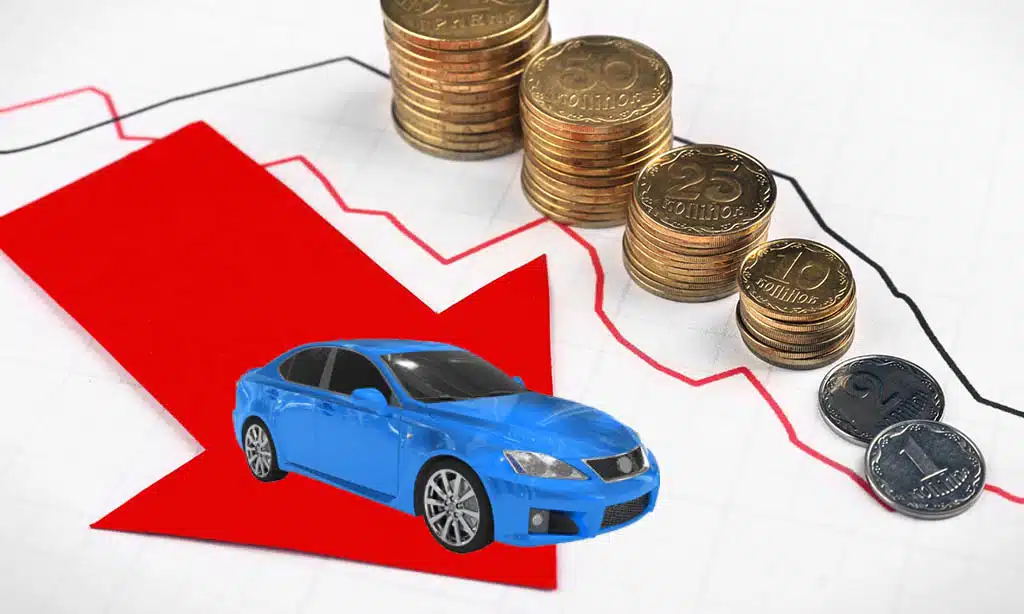
Gas-powered cars face hidden depreciation costs as demand for fuel-efficient and electric vehicles grows. Many buyers are now prioritizing eco-friendly options, reducing the resale value of traditional vehicles. Depreciation can account for 40% to 50% of a gas car’s value within five years.
EVs, while not immune to depreciation, tend to retain their value better thanks to increasing incentives and market demand. In addition, advancements in EV battery technology and longer warranties are improving the resale appeal of EVs.
| Vehicle Type | Depreciation Rate (5 Years) |
| Gas Cars | 40%–50% |
| EVs | 30%–40% |
Lower depreciation rates make EVs a more sustainable financial choice for the long term.
4. Environmental Penalties and Fees
Many governments impose carbon taxes or emission fines on gas-powered vehicles. In urban areas, congestion fees and pollution charges are becoming more common. These hidden costs can add hundreds of dollars annually to car ownership. For instance, cities like London charge fees for high-emission vehicles entering central areas, while California imposes stricter emission standards with penalties for violations.
EVs avoid these hidden charges entirely. In fact, EV owners often benefit from tax credits, rebates, and free access to low-emission zones, which can significantly offset their initial purchase costs.
| Aspect | Details |
| Carbon Tax | Up to $50/ton CO2 (varies) |
| EV Tax Credits | $7,500+ in federal/state incentives |
By choosing an EV, owners not only save money but also support cleaner air initiatives.
5. Increased Insurance Premiums
Gas-powered cars often incur higher insurance premiums due to their higher likelihood of requiring repairs and increased risk of accidents. The complexity of internal combustion engines can also lead to more expensive claims. On average, gas car insurance premiums range from $1,200 to $1,800 annually.
EVs are increasingly receiving discounts on insurance due to their advanced safety features and lower repair risks. Many EV models are equipped with cutting-edge driver assistance systems, such as automatic braking and lane-keeping technology, which insurers consider when setting premiums.
| Vehicle Type | Average Annual Insurance |
| Gas Cars | $1,200–$1,800 |
| EVs | $1,000–$1,500 |
Switching to an EV can result in long-term savings on insurance costs, sidestepping one more hidden cost associated with gas cars.
6. Pollution-Related Healthcare Costs
Gas-powered vehicles contribute to air pollution, releasing harmful emissions like nitrogen oxides and particulate matter. These pollutants are linked to respiratory and cardiovascular diseases, which lead to increased healthcare costs for individuals and society. In urban areas, the health impact of vehicle emissions is particularly severe, with studies estimating billions of dollars in healthcare expenses annually.
EVs, which produce zero tailpipe emissions, help avoid these health-related expenses by improving air quality and reducing pollution. For families with children or elderly members, this can mean fewer medical visits and lower healthcare bills.
| Impact | Details |
| Gas Car Emissions | Causes smog, CO2, and NOx |
| EVs | Zero tailpipe emissions |
Cleaner air from EV adoption translates into healthier communities and highlights another hidden cost of gas cars that EVs avoid—pollution-related health expenses.
7. Noise Pollution Costs
Gas-powered vehicles contribute to noise pollution, especially in urban environments. Engine noise, particularly from older vehicles, can disrupt sleep, reduce productivity, and decrease property values in noisy areas. Noise pollution is a hidden societal cost that affects overall well-being.
EVs, known for their quiet operation, eliminate this issue and create a more peaceful living environment. Reduced noise pollution is especially beneficial in residential neighborhoods and densely populated cities.
| Aspect | Details |
| Gas Cars | High engine noise levels |
| EVs | Quiet operation improves quality |
Quieter EVs enhance quality of life and minimize the stress associated with noise pollution.
Final Thoughts
The hidden charges of gas-powered cars can add up quickly, making them more expensive than they initially appear.
From fluctuating fuel prices and maintenance expenses to environmental penalties and health-related costs, these expenses impact your wallet and quality of life.
EVs avoid these hidden costs, offering lower energy expenses, reduced maintenance, and a cleaner, quieter experience.
By understanding the 7 hidden costs of gas-powered cars that EVs avoid, you can make a more informed decision and enjoy the financial and lifestyle benefits of going electric.