Electric trucks are the future, but where will they charge? Long-haul drivers need fast, reliable stations to keep their rigs running. Germany has a plan to fix this.
By 2025, Germany will roll out 12 heavy-duty charging stations for electric trucks. These stations use powerful Megawatt Charging Systems (MCS) to cut charging time. This blog breaks down where they’re going, how they work, and why they matter.
Keep reading to see how Germany is leading the charge.
Key Takeaways
- Germany will build 12 heavy-duty charging stations by 2025, using Megawatt Charging Systems (MCS) for ultra-fast truck charging. The HoLa project will place them along the A2 motorway, with outputs up to 1,000 kW per station.
- Each station will have 2 to 10+ charging points, located at rest stops and major highways like A1 and A9. The Federal Ministry for Digital and Transport backs the plan, working with BP Pulse, Volvo, and Fraunhofer Institute.
- The stations cut charging times to under 30 minutes, helping meet EU climate goals under AFIR. They aim to reduce CO2 emissions by supporting electric freight trucks with 66 MW total capacity by 2025.
- Future expansions target 130 rest areas and 350 motorway spots by 2030, boosting capacity to 918 MW. The project tests real-world logistics to improve Germany’s nationwide charging network.
- Partnerships with truck makers and energy firms ensure stations fit driver needs. Tesla, BP Pulse, and Dutch-German manufacturers help refine battery tech and grid connections for faster, greener transport.
What are the 12 Heavy-Duty Charging Stations planned in Germany?
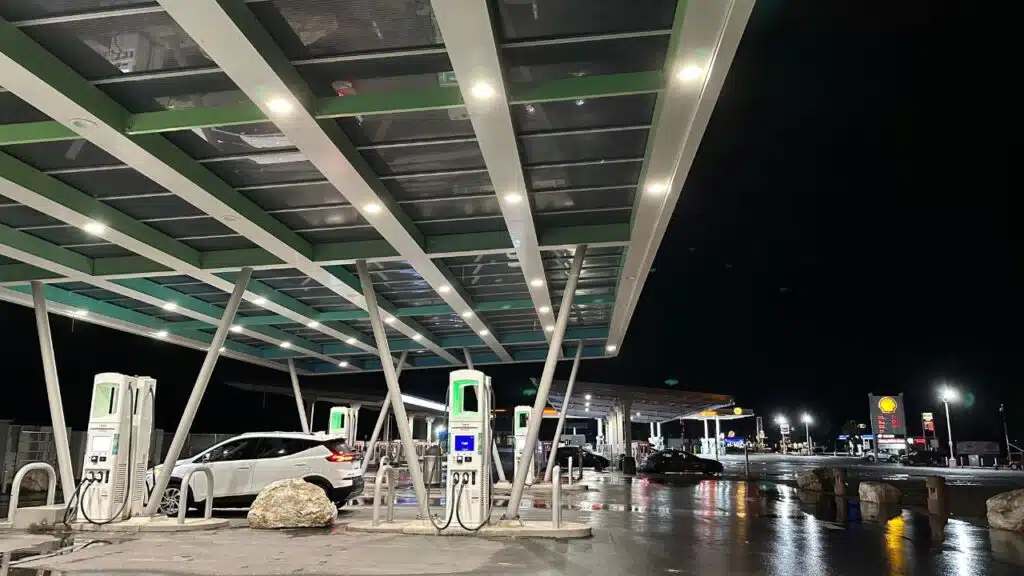
Germany aims to build 12 high-power charging stations for electric trucks by 2025. These stations will support the growing demand for sustainable mobility.
- The HoLa project will install charging points at five key locations along the A2 motorway, linking Berlin to the Ruhr region.
- Each station will use the Megawatt Charging System (MCS) for ultra-fast charging, reducing downtime for large battery electric vehicles (BEVs).
- Stations will include both large hubs with over 10 charging points and smaller stops with at least 2 points to serve varying needs.
- Real logistics operations will test these stations, gathering data for future expansions across Germany.
- The Federal Ministry for Digital and Transport backs the project, working with truck makers and research groups.
- Locations will focus on rest areas and major transport routes for easy access.
- These stations support EU goals under the Alternative Fuels Infrastructure Regulation (AFIR) to cut carbon emissions.
- Volvo FH and other heavy-duty electric trucks will benefit from faster charging on long hauls.
- BP Pulse and other providers will help manage the fast-charging network.
- The project aligns with Germany’s push for renewable energy and grid connections.
- Innovations in battery storage and power electronics will optimize charging speeds.
- Future plans may expand beyond 2025, adding more stations along other motorways.
Key Features of the Charging Stations
These mega-chargers pack serious power, with the Megawatt Charging System (MCS) cutting charge times for big rigs to under 30 minutes. Each station delivers up to 1,000 kW output, giving truckers enough juice during mandatory breaks under EU driving rules.
How does the Megawatt Charging System (MCS) enable faster charging?
The Megawatt Charging System (MCS) speeds up charging by handling much higher power than current systems. It supports charging rates above 350 kW, ideal for large vehicles like long-haul trucks.
Unlike standard CCS connectors, MCS can deliver megawatt-level power. This cuts charging time dramatically, keeping fleets moving with minimal stops.
MCS stations will be placed along major transport routes, matching EU infrastructure goals. The system works with slow-charging hubs, offering flexibility. By using advanced battery tech and DC power, MCS reduces range anxiety for electric trucks.
These fast chargers help decarbonize transport, supporting Germany’s climate targets. Partnerships with truck makers ensure these stations meet real-world needs.
What are the output capacities of the stations, and how do they affect charging?
Germany’s heavy-duty charging stations will pack a punch, with output capacities hitting 66 megawatts by 2025. That’s enough juice to charge electric trucks fast, cutting downtime for drivers.
By 2030, capacity could jump to 918 megawatts, keeping up with growing demand.
Higher output means quicker charging. The Megawatt Charging System (MCS) slashes charging times compared to older tech. More power lets trucks get back on the road faster, easing congestion at stations during peak hours.
With 1,000 charging points needed by 2030, speed matters. Faster chargers help meet EU targets and push decarbonising transport forward.
Strategic Locations of the Charging Stations
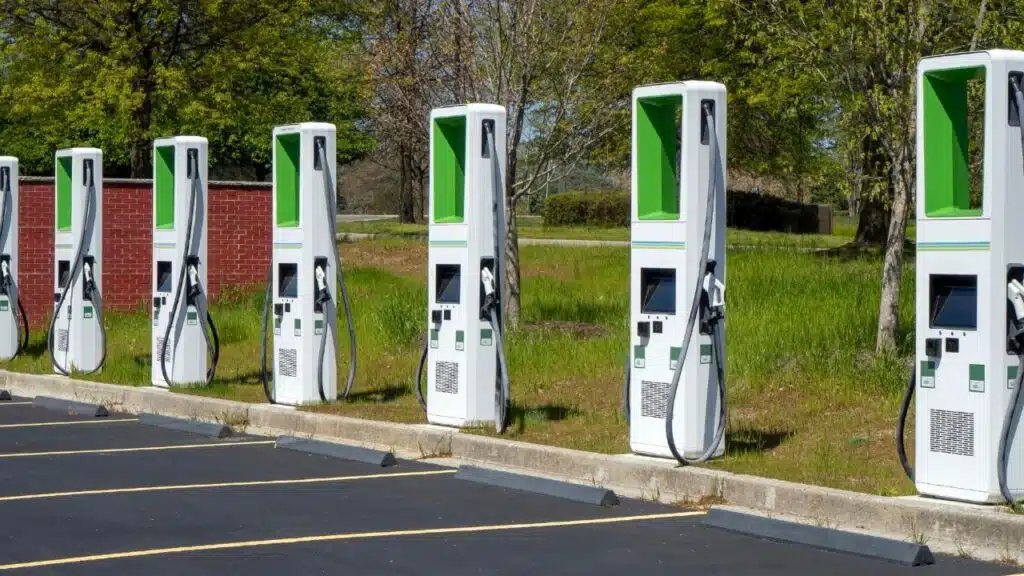
Germany plans heavy-duty EV hubs near key highways like A1 & A9—spots truckers already stop at often. These sites cut detours so drivers can juice up fast without losing time on long hauls.
Where will the stations be placed along major transport routes?
Germany’s heavy-duty charging stations will be located along key freight routes. They’ll mainly sit at 130 unmanaged rest areas and around 350 spots on federal motorways.
These sites were picked to keep trucks moving smoothly. Drivers can quickly recharge without long detours, keeping delivery times tight. The spots also fit with Germany’s push for a nationwide fast-charging network.
How accessible are the stations at rest areas and motorways?
Easy Access for Drivers on the Go
Germany’s heavy-duty charging stations will be placed at key rest areas along motorways. This makes them easy to find for truck drivers and EV users. The compact design helps fit more chargers in tight spaces, so waiting times stay low.
No detours are needed—just pull over, plug in, and get back on the road fast.
BP Pulse and other partners aim to keep these spots convenient. Stations support both Megawatt Charging Systems (MCS) for trucks and standard plugs for electric cars. Smart locations mean fewer empty batteries mid-route.
With EU rules pushing greener transport, Germany’s setup slashes hassle while hitting climate goals.
Funding and Collaboration
Germany’s Federal Ministry for Digital and Transport is pumping millions into these charging hubs. Big names like BP Pulse and top truck makers are teaming up to bring the project to life.
Funding mixes public cash with private muscle, while research labs fine-tune the tech behind the scenes. These partnerships aim to smash roadblocks in EV adoption and make highways greener, faster.
What support does the Federal Ministry for Digital and Transport provide?
The Federal Ministry for Digital and Transport backs Germany’s push for heavy-duty EV charging stations. It provides funding and strategic guidance for projects like HoLa, aiming to build 12 high-power charging parks by 2025.
Daniela Kluckert, Parliamentary State Secretary, highlighted the ministry’s strong commitment to expanding charging infrastructure. The ministry works with truck makers, energy firms, and research groups to meet climate goals under EU regulations like AFIR.
Their support ensures fast, reliable charging along major transport routes.
Which truck manufacturers and research institutions are involved in the partnerships?
Germany’s heavy-duty charging project is a team effort. Truck makers and research groups work together to make it happen.
- Fraunhofer Institute for Systems and Innovation Research ISI studies truck driving habits. This helps plan better charging spots and power needs.
- BP Pulse brings its fast-charging tech to the table. They focus on ultra-fast chargers for trucks.
- Tesla adds its know-how in EV battery technology. Their experience with fast-charging networks is key.
- Dutch and German truck makers join in. They test new battery packs and charging systems.
- Research groups from Oslo share data on hydrogen infrastructure. This helps compare it with electric options.
- Smart grid experts work on load balancing. They keep the power steady at busy charging stations.
No fancy words or fluff, just the facts you need. The goal? Get trucks charged fast and keep things moving.
Role in EU Regulations and Climate Goals
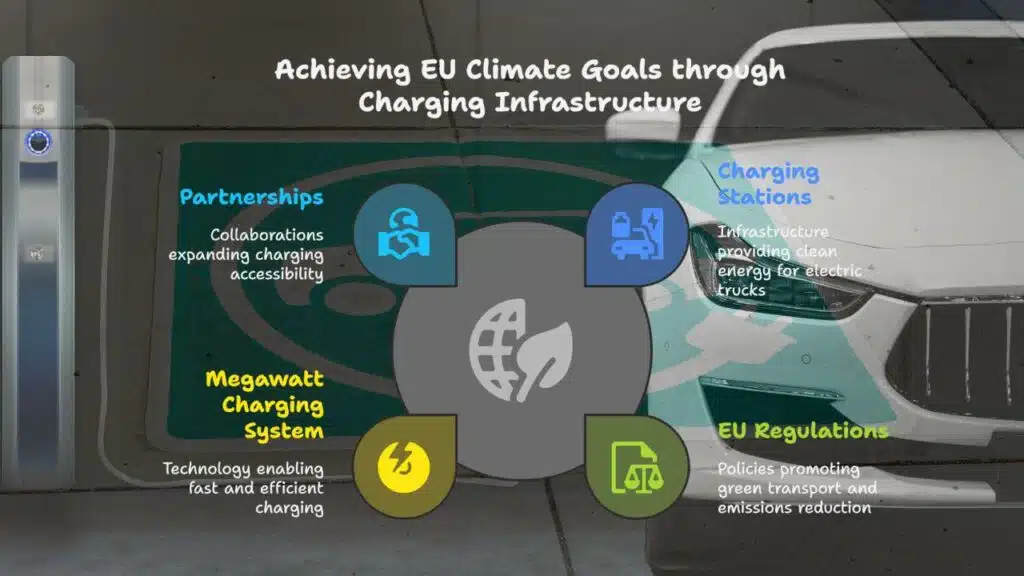
Germany’s new charging stations help meet the EU’s goal for green transport. They cut CO2 emissions by powering electric trucks with clean energy.
The fast-charging network supports EU regulations while making road travel cleaner, one charge at a time.
How do these stations comply with EU charging infrastructure targets?
Germany plans to meet EU charging infrastructure targets by rolling out 12 heavy-duty stations by 2025. These stations will support the EU’s Alternative Fuels Infrastructure Regulation (AFIR), which requires fast-charging networks for trucks along major transport routes.
The first phase includes 32 locations, with more added in later years.
The Megawatt Charging System (MCS) in these stations aligns with EU goals for faster EV adoption. High output capacities and strategic placements near motorways ensure truck drivers can recharge quickly.
Partnerships with companies like BP Pulse help expand reliable charging accessibility, cutting carbon dioxide emissions as the EU pushes for greener transport.
In what ways do the stations contribute to decarbonizing the transport sector?
These heavy-duty charging stations cut CO2 emissions by replacing diesel trucks with electric ones. Freight transport produces a lot of pollution, but fast-charging networks like these make zero-emission logistics possible.
Each station uses ultra-fast chargers to keep delivery fleets running without long stops.
The stations support Germany’s push to lead in electromobility and meet EU climate targets. By 2025, they’ll offer reliable power for long-haul trucks along major motorways. This slashes reliance on fossil fuels while boosting clean energy use in transport.
The Megawatt Charging System (MCS) speeds up turnover, so more goods move with fewer emissions.
BP Pulse and other partners ensure high accessibility at rest areas, making the switch smooth for drivers. With lithium-ion batteries improving, these hubs help phase out carbon-heavy freight travel fast.
Future Expansion Beyond 2025
Germany aims to grow its heavy-duty charging network fast after 2025, targeting 130 rest areas and 350 motorway spots by 2030. The plan includes both large stations with over 10 chargers and smaller setups with at least two.
Partnerships between the government, truck makers, and energy providers will push this expansion. More Megawatt Charging Systems (MCS) are expected, boosting ultra-fast charging for electric trucks.
This fits EU climate goals while cutting carbon dioxide from transport. Rest areas along German motorways will get priority for easy access during long hauls.
Takeaways
Germany’s push for 12 heavy-duty charging stations by 2025 marks a big leap for electric trucks. These stations, packed with Megawatt Charging Systems, will slash charging times along key routes like the A2 motorway.
Federal backing and industry partnerships speed up the rollout, meeting EU climate targets head-on. Smaller and larger stations will balance demand, keeping wait times low. With plans to expand further, Germany is charging ahead as a leader in clean transport (literally).
*(Entities from “Concepts” and “Tools”: charging infrastructure, Megawatt Charging System (MCS), EU regulations, motorways, decarbonization.)*
FAQs
1. What is Germany’s plan for EV charging by 2025?
Germany aims to roll out 12 heavy-duty fast-charging stations by 2025. These will support ultra-fast chargers, making EV adoption easier. The plan follows the EU’s Alternative Fuels Infrastructure Regulation (AFIR).
2. Who is building these fast-charging stations?
Companies like BP Pulse are involved. They will install DC fast charging stations across key locations. The goal is to boost charging accessibility for electric cars and plug-in hybrids (PHEVs).
3. How fast will these chargers be?
They will use ultra-fast chargers with high kWh outputs. This means shorter charging times for EVs. The stations will support Combined Charging Systems (CCS) and CHAdeMO plugs.
4. Will these stations help reduce emissions?
Yes. More fast-charging networks mean fewer petrol stations are needed. This cuts carbon dioxide emissions. The EU is pushing for renewable fuels and better EV battery technology too.
5. Where will these charging stations be located?
They’ll be placed in high-traffic areas, like highways and cities. Germany is working with the Netherlands and others to improve cross-border EV charging infrastructure. Construction is already underway.