The beauty industry is one of the most lucrative sectors globally, with countless products claiming to enhance our appearance, skincare routines, and overall health. However, behind the glossy packaging and alluring promises, many beauty products contain harmful ingredients that may pose long-term risks to both our health and the environment.
As consumers become more aware of these risks, there is a growing demand for safer, eco-friendly alternatives that deliver the same results without compromising our well-being or the planet.
In this article, we will explore the 10 most harmful ingredients commonly found in beauty products, why they should be avoided, and the eco-friendly alternatives you can use for a safer, more sustainable beauty routine. By understanding the potential dangers lurking in everyday beauty products, you can make more informed choices that benefit your skin, health, and the environment.
10 Common Harmful Ingredients in Beauty Products
Many popular beauty products contain synthetic chemicals that can harm your skin, cause irritation, or even disrupt your hormonal system. To protect yourself and the environment, it’s important to understand which ingredients to avoid.
1. Parabens
What Are Parabens and Why Are They Used?
Parabens are a group of synthetic chemicals commonly used as preservatives in personal care products, including shampoos, lotions, and deodorants. Their primary function is to extend the shelf life of products by preventing the growth of bacteria, mold, and yeast. However, they are also notorious for their ability to absorb through the skin and enter the bloodstream.
The Negative Effects of Parabens on Health
Parabens are considered endocrine disruptors, which means they can interfere with hormone production and regulation. Studies have shown that exposure to high levels of parabens can mimic estrogen in the body, potentially leading to hormone imbalances, reproductive issues, and even an increased risk of certain cancers.
Eco-Friendly Alternatives to Parabens
Fortunately, there are natural alternatives to parabens that provide similar preservative benefits without the harmful effects. Plant-based preservatives such as vitamin E, rosemary extract, and grapefruit seed extract are great options for maintaining the integrity of beauty products. These alternatives are safer for both your health and the environment.
2. Phthalates
What Are Phthalates and Why Are They Used?
Phthalates are a group of chemicals commonly used in fragrances, nail polishes, and hair sprays to increase flexibility and enhance scent longevity. They are often found in beauty products labeled as “fragrance” or “parfum,” making it difficult for consumers to identify them on labels.
The Harmful Impact of Phthalates on Human Health
Phthalates are linked to a variety of health concerns, including hormonal disruptions, developmental problems, and even an increased risk of birth defects. Some studies suggest that phthalates can interfere with the endocrine system, leading to changes in testosterone levels and disrupting the development of the fetus during pregnancy.
Safe Alternatives to Phthalates
Look for beauty products that are labeled “phthalate-free” or choose those with natural essential oils for fragrance. Plant-derived fragrances such as lavender, peppermint, or rose oil are excellent alternatives that provide the same appealing scents without the harmful side effects of phthalates.
3. Sodium Lauryl Sulfate (SLS) and Sodium Laureth Sulfate (SLES)
What Are SLS and SLES, and How Are They Used?
Sodium Lauryl Sulfate (SLS) and Sodium Laureth Sulfate (SLES) are common surfactants used in shampoos, cleansers, and toothpastes to create foam and remove dirt and oils. These chemicals are responsible for the sudsing action in many personal care products.
How These Sulfates Can Irritate the Skin
While SLS and SLES are effective cleansing agents, they can also strip the skin of its natural oils, leading to dryness, irritation, and allergic reactions. For those with sensitive skin, these ingredients can trigger rashes, itching, and even exacerbate conditions like eczema.
Eco-Friendly Alternatives to SLS and SLES
For gentler alternatives, look for products containing coconut-derived surfactants such as cocamidopropyl betaine or natural cleansers like castile soap. These ingredients provide a mild, non-irritating cleanse while maintaining the natural balance of your skin.
4. Formaldehyde and Formaldehyde-Releasing Preservatives
The Risks of Formaldehyde in Beauty Products
Formaldehyde is a well-known carcinogen commonly used as a preservative in hair straightening treatments, nail polishes, and certain cosmetics. It is also found in some beauty products under various names, such as methylene glycol or quaternium-15.
Eco-Friendly Alternatives to Formaldehyde
Instead of formaldehyde-based preservatives, opt for products with natural preservatives like grapefruit seed extract, vitamin E, or rosemary extract. These ingredients are effective in preventing microbial growth without the toxic effects of formaldehyde.
5. Synthetic Fragrances
How Synthetic Fragrances Contribute to Skin Irritation and Allergies
Many beauty products contain synthetic fragrances, which are a blend of various chemicals designed to create a pleasing scent. While these fragrances may smell delightful, they can also cause skin irritation, allergic reactions, and respiratory issues in sensitive individuals.
Safe Alternatives to Synthetic Fragrances
Choose products with natural fragrances derived from essential oils or plant-based extracts. Lavender, chamomile, and citrus oils are all excellent options that provide a pleasant aroma without the harmful side effects of synthetic fragrances.
Other Harmful Ingredients to Avoid
In addition to the ingredients listed above, several other harmful substances are commonly found in beauty products. Here are some more ingredients to be wary of:
6. Mineral Oil
What Is Mineral Oil, and Why Is It Used?
Mineral oil is a byproduct of petroleum and is often used in moisturizers, lip balms, and baby oils. It works as a lubricant, helping to lock in moisture and create a smooth texture.
The Environmental Impact of Mineral Oil
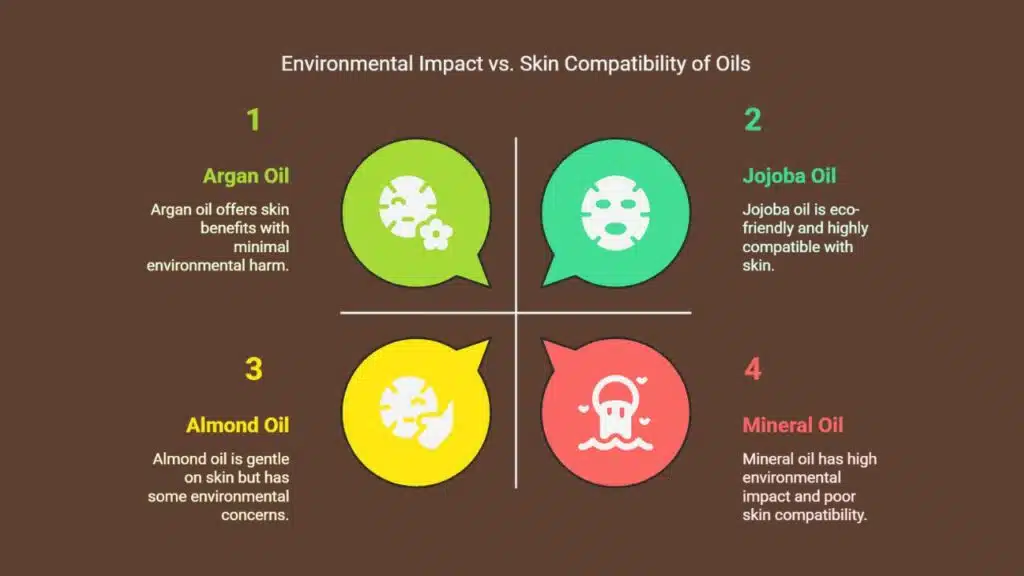
Mineral oil is derived from non-renewable petroleum sources, making it an environmentally harmful ingredient. Additionally, it can clog pores and leave a greasy residue on the skin, which may lead to breakouts and irritation.
Eco-Friendly Alternatives to Mineral Oil
Plant-based oils such as jojoba oil, argan oil, and almond oil are excellent alternatives to mineral oil. These natural oils provide deep hydration without clogging pores or harming the environment.
7. Triclosan
How Triclosan Is Used in Beauty Products
Triclosan is an antibacterial agent commonly found in products like hand sanitizers, soaps, and body washes. While it’s effective at killing bacteria, it has been linked to the development of antibiotic-resistant bacteria and other health issues.
Health Risks Associated with Triclosan
Triclosan has been shown to disrupt hormone function, particularly thyroid hormones, which can negatively affect the immune system and metabolism.
Eco-Friendly Alternatives to Triclosan
Instead of triclosan, choose natural antibacterial agents like tea tree oil, eucalyptus oil, or neem oil. These plant-based ingredients are effective at killing bacteria without the harmful side effects of triclosan.
8. Oxybenzone (in Sunscreens)
What Is Oxybenzone, and How Does It Affect Health and the Environment?
Oxybenzone is a common ingredient in chemical sunscreens that helps block ultraviolet (UV) rays. However, it has been linked to hormone disruption and skin allergies. Oxybenzone also poses a significant threat to marine life, particularly coral reefs, where it can cause coral bleaching.
Natural Sunscreen Alternatives
Opt for sunscreens that contain mineral-based ingredients like zinc oxide or titanium dioxide. These physical blockers provide broad-spectrum protection without the harmful effects of oxybenzone.
9. Toluene
How Toluene Is Used in Nail Polishes and Its Health Risks
Toluene is a solvent commonly found in nail polishes and hair dyes. It is used to help the product spread evenly, but it can also be absorbed through the skin and lungs.
Eco-Friendly Alternatives to Toluene
Water-based nail polishes and natural resins are excellent alternatives to toluene-based products. Look for brands that are free from toxic chemicals like toluene, formaldehyde, and dibutyl phthalate (DBP).
10. Retinyl Palmitate
What Is Retinyl Palmitate, and Why Is It Used in Anti-Aging Products?
Retinyl palmitate is a form of vitamin A commonly found in anti-aging skincare products. It helps promote cell turnover and reduce the appearance of wrinkles.
Health Risks Associated with Retinyl Palmitate
While retinyl palmitate has benefits for aging skin, it can cause skin irritation and increase sun sensitivity. Additionally, when exposed to sunlight, it can break down into harmful compounds.
Eco-Friendly Alternatives to Retinyl Palmitate
Natural alternatives like bakuchiol, a plant-based compound, offer similar anti-aging benefits without the irritation or sun sensitivity.
The Importance of Eco-Friendly Beauty Products
Eco-friendly beauty products are not just beneficial for your health—they also have a positive impact on the environment. Choosing products that use sustainable, biodegradable ingredients helps reduce the amount of harmful chemicals that end up in our water systems and ecosystems. By switching to eco-friendly alternatives, you are contributing to a cleaner, greener planet while also protecting your skin from harmful toxins.
How to Identify Eco-Friendly Alternatives in Beauty Products
Tips for Reading Labels
To make informed choices, it’s essential to read beauty product labels carefully. Look for products that are labeled “paraben-free,” “sulfate-free,” and “phthalate-free.” Be wary of vague terms like “fragrance” and “preservative,” which may indicate the presence of harmful chemicals.
Key Certifications to Look For
Look for certifications like “Cruelty-Free,” “Organic,” “Fair Trade,” and “Vegan” to ensure that the products you’re purchasing align with ethical and environmental standards.
DIY Alternatives
For those interested in making their own beauty products, many DIY recipes use ingredients like coconut oil, honey, aloe vera, and essential oils. These natural ingredients provide effective solutions for skincare, haircare, and body care without the need for harmful chemicals.
Wrap Up
As consumers, we have the power to make better choices when it comes to the beauty products we use. By avoiding harmful ingredients like parabens, phthalates, SLS, and synthetic fragrances, and opting for eco-friendly alternatives, we can protect our skin, health, and the environment.
Take the time to read labels, choose products with natural ingredients, and support brands that prioritize sustainability.
Your beauty routine doesn’t have to come at the expense of your health or the planet—make the switch to eco-friendly beauty products today and enjoy healthier, more radiant skin.