The humanitarian situation in Gaza has now reached a critical tipping point. This week, the Integrated Food Security Phase Classification (IPC)—the world’s leading authority on food crises—officially confirmed that a famine is currently unfolding across parts of the besieged Gaza Strip.
According to the IPC’s latest findings, half of Gaza’s population—over 1.1 million people—are experiencing emergency or catastrophic levels of food insecurity. This includes households where children are dying from hunger, and where families are forced to survive on leaves, animal feed, or dirty water. The agency warned that if humanitarian access is not dramatically increased, the region will face “widespread death and starvation” within weeks.
While aid deliveries have marginally increased, the IPC emphasized that the current level of food assistance is not enough to prevent a total collapse. In their own words, the situation is a man-made famine, triggered not only by food shortages but by conflict, restricted access, and logistical chaos.
Mass Tragedy Near Zikim: At Least 48 Killed While Seeking Aid
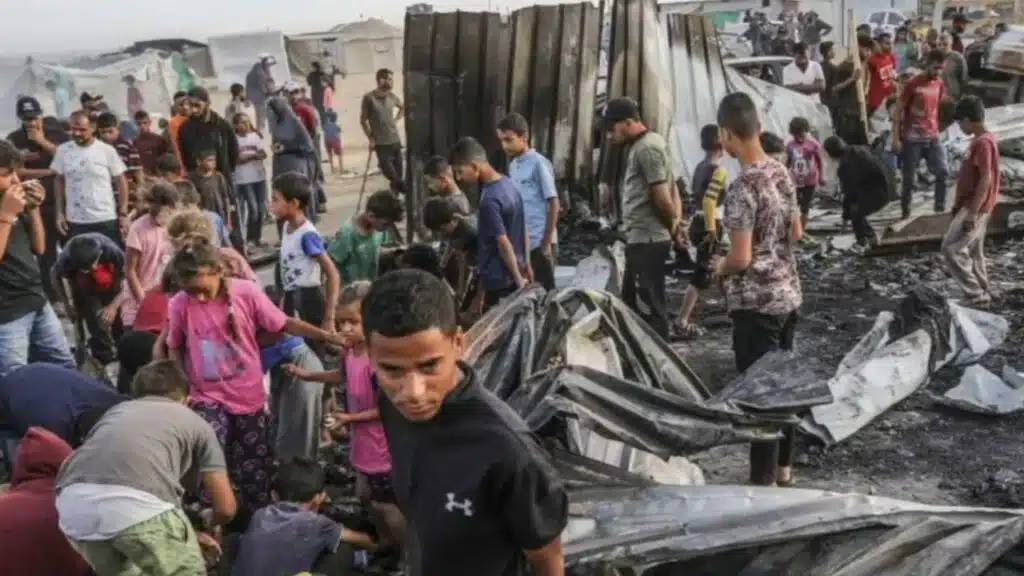
On Wednesday, July 31, tragedy struck near the Zikim crossing in northern Gaza. Desperate civilians had gathered in large numbers, hoping to receive limited aid supplies being allowed through Israeli checkpoints. However, what was meant to be a lifeline quickly turned deadly.
Witnesses and medical officials from Shifa Hospital in Gaza City confirmed that at least 48 people were killed, and dozens more injured, during a violent stampede and confrontation as aid trucks began arriving.
According to field reports, many people had gone days without food. When the trucks arrived, crowds surged forward uncontrollably, with some falling and being trampled, while others were reportedly shot amid the chaos. The exact cause of deaths—whether from trampling, violence, or gunfire—remains under investigation, but the scene was described by aid workers as one of utter desperation and panic.
This isn’t the first time such chaos has erupted. In recent months, similar scenes at other crossings and aid drop points have led to dozens of deaths and injuries, especially in northern and central Gaza.
Aid Is Coming, But Far Too Slowly to Prevent Disaster
Despite some Israeli efforts to ease entry restrictions and create “tactical pauses” for aid deliveries, the actual volume reaching people in need remains critically low. According to UN estimates, Gaza requires at least 500 to 600 aid trucks daily to meet basic survival needs. Yet, current deliveries average just 220 to 270 trucks per day, often delayed by inspection bottlenecks and security concerns.
The Gaza Humanitarian Foundation (GHF)—an international body coordinating the aid flow—has come under harsh global criticism for its failure to ensure efficient and fair distribution. French Foreign Minister Jean‑Noël Barrot recently condemned the GHF’s aid system as “a scandal”, accusing it of militarizing relief operations and endangering lives.
He pointed to a “lack of transparency, safety, and accountability”, with many aid convoys arriving without coordination, and crowd management systems completely breaking down. In some cases, aid is looted by armed groups or rerouted away from high-need areas.
More Than 60,000 Palestinians Killed Since October War Began
The ongoing war—now stretching past nine months—has left Gaza deeply scarred. According to data from the Gaza Health Ministry, the death toll has now surpassed 60,000 Palestinians, including women, children, and the elderly. These figures are widely cited by international media but have not been independently verified due to restricted access.
However, independent analysts and satellite data suggest that the real death toll may be even higher. Reports from Al Mezan Center for Human Rights and Amnesty International estimate that more than 75,000 homes have been destroyed, and over 90% of Gaza’s population is now displaced.
With the healthcare system near collapse, cholera outbreaks, waterborne diseases, and hunger-related illnesses are rising, especially in the southern city of Rafah and the northern Shejaiya district. Children are especially vulnerable, with many suffering from severe acute malnutrition (SAM) and chronic trauma.
Children Starving to Death: Malnutrition Becomes a Silent Killer
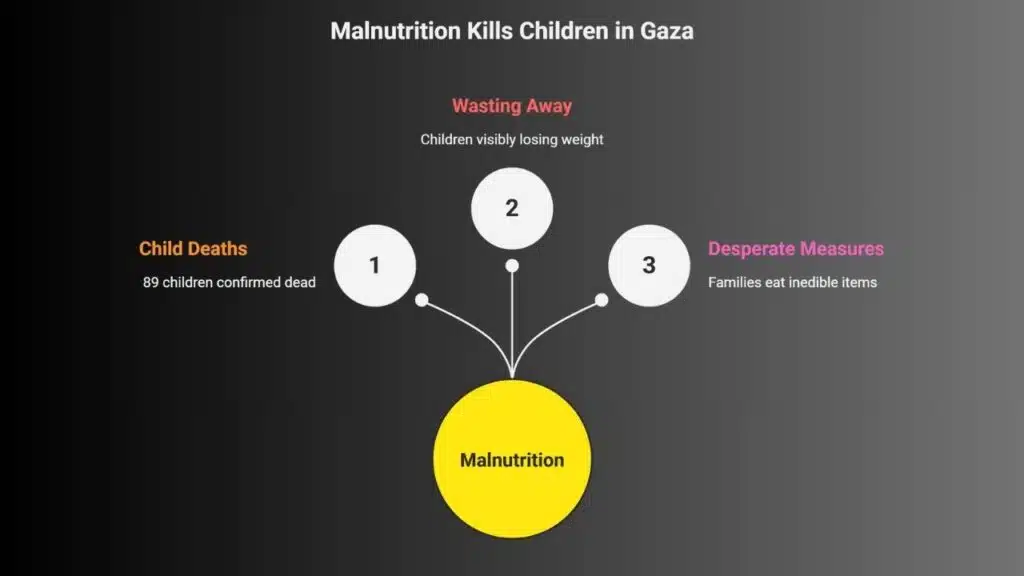
In recent weeks, Gaza’s Health Ministry confirmed that 154 people have died due to starvation and malnutrition, including at least 89 children. In July alone, 63 children under the age of five reportedly died from hunger-related complications.
These numbers represent only hospital-reported deaths. Aid organizations believe the actual toll may be higher, as many people die in remote shelters or are buried without formal records.
The World Food Programme (WFP) warned that children are wasting away in front of their parents, with some families surviving on flour mixed with seawater, while others boil grass or eat date pits for sustenance.
U.S. and International Pressure Builds for Ceasefire and Aid Access
In response to the deepening humanitarian crisis, U.S. special envoy Steve Witkoff visited Israel this week, accompanied by Ambassador Mike Huckabee. The envoy’s mission includes pressuring Israeli officials to allow more aid into Gaza, facilitate ceasefire talks, and rebuild safe distribution corridors.
The U.S. administration has linked any meaningful progress to the release of Israeli hostages still held by Hamas, stating that humanitarian aid cannot fully flow until there is a more stable security arrangement.
Meanwhile, UN Secretary-General António Guterres reiterated his call for an immediate ceasefire, urging all parties to uphold international humanitarian law. He described the situation as “a moral test for the international community.”
Israeli Right-Wing Groups Rally for Settlements Inside Gaza
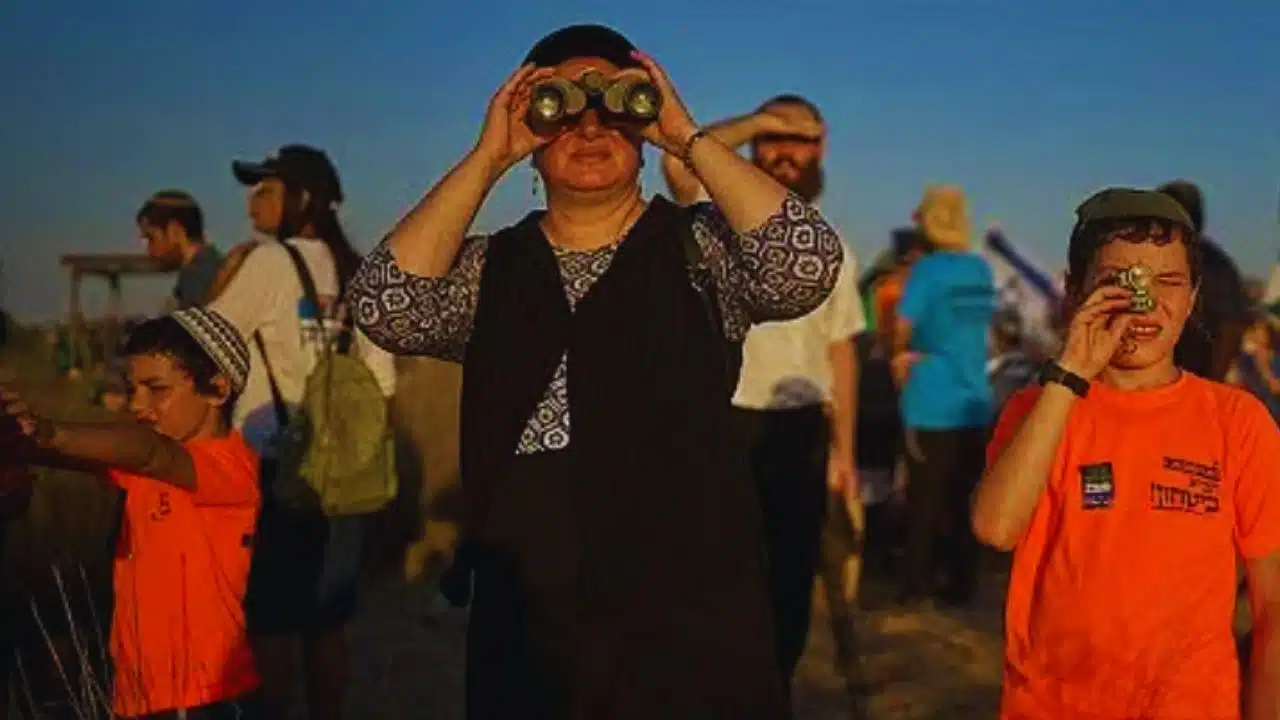
As the humanitarian catastrophe unfolds, Israeli right-wing activists held a rally near the Gaza border on the same day the aid tragedy occurred. The demonstrators, carrying Israeli flags and chanting nationalist slogans, called for the rebuilding of Jewish settlements inside Gaza—a practice that was formally ended in 2005 when Israel unilaterally withdrew from the territory.
These rallies have raised concerns about the long-term intentions of the Israeli government and its post-war plans for Gaza. Critics argue that such moves further inflame tensions and undermine peace efforts, while supporters claim it’s a strategic necessity.
Gaza’s Crisis Reaches a Breaking Point
Gaza is now in the midst of one of the worst humanitarian disasters in modern history. Despite international appeals and limited aid access, the death toll continues to rise, and the specter of mass starvation looms large.
Children are dying. Families are scavenging for survival. Infrastructure is decimated. And diplomacy remains stalled.
Unless there is immediate, large-scale humanitarian intervention, combined with a lasting ceasefire, the situation in Gaza will worsen—resulting in even greater loss of life and regional destabilization.
The Information is Collected from Yahoo and MSN.