In today’s volatile energy landscape, decisions made upstream can define the long-term trajectory of an oil and gas enterprise. From exploration and drilling to production optimization, every stage now generates massive volumes of operational, geological, and financial data. Yet data alone isn’t a competitive advantage — insight is. This is where oil and gas upstream software transforms from a technical tool into a strategic growth engine.
By integrating AI, IoT, and predictive analytics, modern upstream platforms empower decision-makers to move from reactive to proactive — identifying high-yield reservoirs faster, minimizing non-productive time, optimizing well performance, and forecasting risks before they impact profitability. The result is not just greater efficiency, but a data-driven ecosystem that fuels smarter investments, resilient operations, and scalable business growth across global markets.
The Business Challenge Behind Modern Oil and Gas Operations
The oil and gas industry operates in one of the most complex and volatile environments in the world. Companies face fluctuating commodity prices, strict regulatory compliance, and immense operational costs. To remain competitive, leaders must rely on precise data, efficient workflows, and agile decision-making.
However, many upstream companies still depend on outdated systems or disconnected software tools that fail to provide a real-time overview of operations. This lack of integration leads to inefficiencies, costly downtime, and missed opportunities. That’s where oil and gas upstream software becomes a game changer – transforming data into actionable intelligence for strategic business growth.
What Is Oil and Gas Upstream Software?
Oil and gas upstream software refers to a suite of digital tools designed to support the exploration, drilling, and production phases of the energy value chain. These solutions streamline workflows by collecting, analyzing, and visualizing vast amounts of geological, operational, and financial data.
By leveraging upstream software, companies can:
- Monitor drilling performance in real time
- Optimize production rates and resource allocation
- Improve decision-making through advanced analytics
- Predict equipment failures and prevent costly downtime
- Ensure regulatory compliance with automated reporting.
Essentially, this technology connects field operations with business intelligence, enabling leaders to make informed decisions faster and with greater confidence.
Turning Data into Strategic Advantage
Data is the most valuable asset in the modern energy sector, but raw data alone doesn’t create value – insight does. Upstream software helps convert massive data streams into actionable information through machine learning, artificial intelligence, and predictive analytics.
For example, drilling engineers can analyze historical well data to predict reservoir behavior, while production teams can detect performance anomalies before they become critical failures. This proactive approach enables companies to reduce risks, improve safety, and maximize profitability.
Furthermore, by integrating these insights across departments, organizations can align technical and business goals more effectively, driving long-term strategic growth.
Key Benefits of Oil and Gas Upstream Software
Operational Efficiency
Automation of repetitive tasks minimizes human error and boosts productivity. Workflows that once required manual input can now be streamlined through real-time data collection and processing.
Enhanced Decision-Making
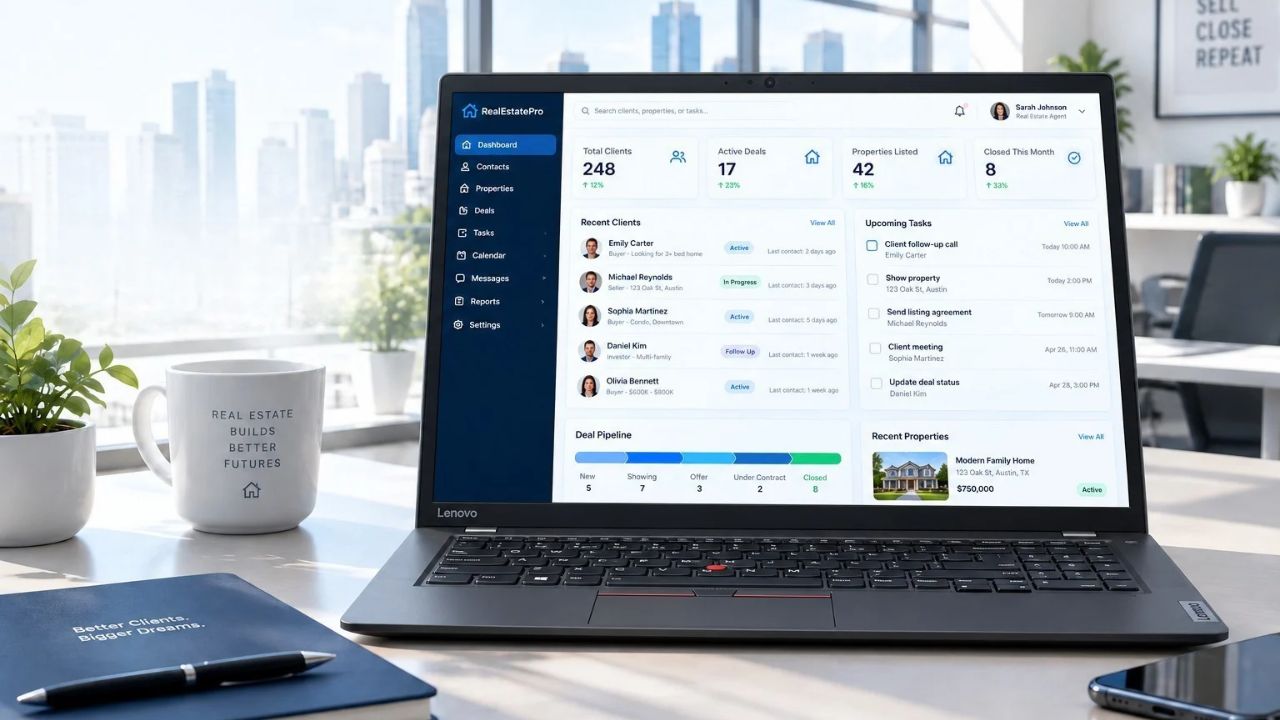
With access to centralized data dashboards and advanced analytics, executives and engineers can make more informed decisions that directly impact profitability and performance.
Cost Optimization
Predictive maintenance tools help reduce equipment downtime, while resource management features ensure optimal allocation of materials and manpower, lowering overall operational costs.
Regulatory Compliance
Built-in compliance tracking ensures that environmental and safety standards are met automatically, reducing the risk of fines and reputational damage.
Scalability and Flexibility
Modern upstream software platforms can easily scale to meet the needs of growing operations or new exploration projects, ensuring long-term value.
Oil and Gas Upstream Software vs. Off-the-Shelf Solutions
While many companies start with generic business software, the oil and gas industry’s unique operational complexity requires specialized tools. Off-the-shelf systems often lack the flexibility to integrate geological modeling, field data, and production analytics in one platform.
Custom-built solutions, however, can adapt to specific operational workflows and integrate seamlessly with existing infrastructure. This allows organizations to develop software that mirrors their internal processes, not the other way around.
When implemented effectively, tailored upstream software becomes a core strategic asset rather than just a technical tool – empowering businesses to innovate faster and operate more efficiently.
Real-World Use Cases
- Exploration Optimization: Advanced modeling and data visualization tools help geologists identify high-potential drilling sites faster and with greater accuracy
- Drilling Automation: Intelligent drilling systems use predictive analytics to adjust parameters in real time, improving safety and performance
- Production Monitoring: IoT-enabled sensors continuously track equipment health, enabling proactive maintenance and minimizing production losses
- Environmental Management: Software-driven monitoring helps reduce emissions and ensures compliance with sustainability goals.
Each of these applications demonstrates how upstream software supports not just operational efficiency, but also corporate responsibility and long-term business resilience.
Why Businesses Choose Oil and Gas Upstream Software from Wezom
For companies aiming to gain a competitive edge, custom-built solutions offer the precision and adaptability required in today’s market. Through oil and gas upstream software, businesses can leverage Wezom’s expertise in developing tailored platforms that align with specific operational needs.
Wezom’s approach focuses on integrating advanced analytics, automation, and real-time monitoring into a cohesive ecosystem – helping companies reduce costs, mitigate risks, and make smarter decisions. By creating software that evolves with the business, Wezom enables long-term scalability and measurable ROI.
Implementation Tips and Common Pitfalls
Start with a Clear Strategy
Define business objectives before implementing any software. Identify which processes will benefit most from automation or data integration.
Ensure Data Quality
Poor data quality undermines the entire system. Invest in proper data governance and validation practices.
Plan for Integration
Seamless connectivity with existing systems (ERP, SCADA, IoT devices) is critical. A modular software architecture can simplify this process.
Train Your Teams
Technology is only as effective as the people using it. Provide continuous training to ensure staff adoption and optimal system performance.
Avoid Over-Customization
While customization is key, excessive modifications can increase maintenance costs and complexity. Aim for a balanced solution that’s both tailored and scalable.
The Future of Data-Driven Energy Operations
The future of upstream oil and gas lies in intelligent automation and predictive analytics. As AI, machine learning, and IoT technologies mature, upstream software will become even more powerful, capable of real-time decision-making with minimal human intervention.
Companies that embrace this shift early will gain a significant competitive advantage – not just in operational efficiency, but in innovation, sustainability, and strategic agility.
Conclusion: Transforming Data into Growth
In an industry where every second and every barrel counts, oil and gas upstream software serves as the bridge between complex data and profitable decisions. By adopting a digital-first strategy and investing in tailored solutions, energy companies can transform operational challenges into business opportunities.
The result is a smarter, more connected, and more resilient organization – ready to lead the next era of energy innovation.