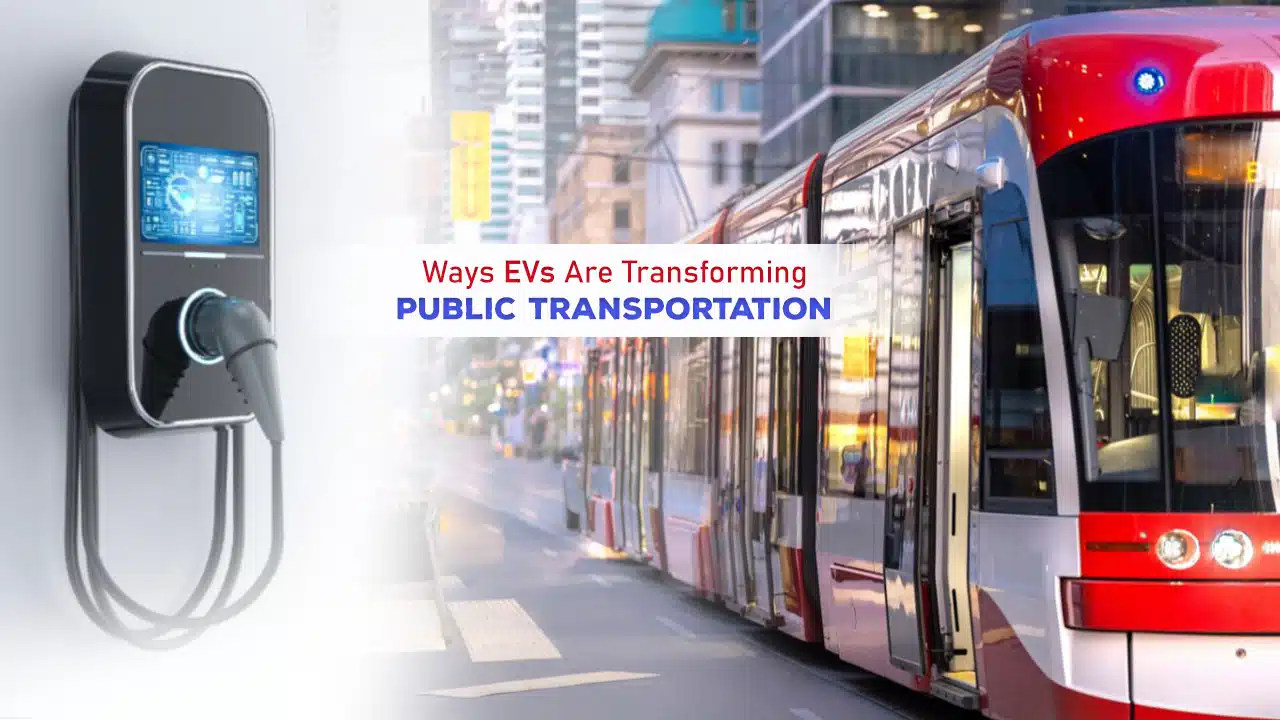
Electric vehicles (EVs) are driving a major transformation in the transportation sector, and public transit systems around the world are increasingly adopting these eco-friendly technologies.
While electric cars for personal use receive much attention, the integration of EVs into public transportation—such as buses, trains, and even electric ferries—is poised to reshape the future of mass transit.
Cities across the globe are turning to electric vehicles to reduce pollution, cut operational costs, improve efficiency, and offer a cleaner, quieter experience for passengers.
In this article, we explore 10 ways EVs are transforming public transportation, creating a sustainable and more efficient transit system for the future.
10 Ways EVs Are Transforming Public Transportation
Let’s get straight into it.
1. Reducing Carbon Emissions
One of the most significant advantages of electric vehicles in public transportation is their ability to reduce carbon emissions drastically.
Unlike traditional diesel or gasoline-powered buses and trains, EVs produce zero tailpipe emissions. As urban areas struggle with increasing levels of air pollution, switching to electric buses or trams can help cities achieve their climate and environmental goals.
Many cities are now adopting electric buses as part of their broader strategies to reduce greenhouse gas emissions.
For instance, Shenzhen, China, became the first city in the world to fully electrify its bus fleet, replacing more than 16,000 buses with electric ones. This shift has led to a reduction of more than 1.35 million tons of CO2 annually, making a significant impact on local air quality and global emissions.
By using clean, renewable energy sources to charge these vehicles, cities can further lower their carbon footprints, contributing to the fight against climate change.
Beyond the environmental impact, reducing emissions from public transit can lead to substantial health benefits.
Lower levels of pollutants such as nitrogen oxides (NOx) and particulate matter (PM2.5) help to improve air quality, reducing the incidence of respiratory issues, cardiovascular diseases, and other health problems associated with air pollution.
The transition to electric public transportation not only benefits the planet but also improves the health and quality of life for city residents.
2. Lower Operating Costs
Though the upfront costs of electric buses or trams may be higher than their diesel counterparts, their operational costs over time are significantly lower.
EVs are more energy-efficient than traditional combustion engines, which means they use less energy to travel the same distance. For public transportation systems, this translates into reduced fuel costs, especially as electricity is generally cheaper than diesel or gasoline.
Moreover, EVs require far less maintenance because they have fewer moving parts. The absence of complex engines, oil systems, and exhaust mechanisms means that maintenance issues such as engine repairs or oil changes are no longer a concern.
Regenerative braking systems, common in EVs, reduce wear on the braking components, which further decreases maintenance costs. Over the lifetime of an electric bus, these savings can amount to tens of thousands of dollars, making EVs a cost-effective solution in the long run.
In Los Angeles, the Metro system has been transitioning to electric buses with the goal of having a zero-emission fleet by 2030.
Initial reports suggest that operational costs for electric buses are 30% lower than for diesel buses, thanks to reduced fuel consumption and lower maintenance needs.
Additionally, agencies like Proterra, a U.S.-based electric bus manufacturer, claim that electric buses can reduce fuel costs by as much as $400,000 over their operational lifespan compared to diesel-powered buses.
3. Quieter and More Comfortable Rides
One of the lesser-discussed benefits of EVs is the significant reduction in noise pollution. Traditional buses, trucks, and other public transit vehicles powered by internal combustion engines produce loud engine noises that can be disruptive, particularly in densely populated urban areas.
Electric buses, on the other hand, operate much more quietly, providing a more peaceful environment for both passengers and pedestrians.
This reduction in noise is especially important in cities where noise pollution has become a growing concern, contributing to stress, sleep disturbances, and other health issues.
By replacing noisy diesel buses with quiet electric ones, cities can create a more pleasant urban experience, making streets less stressful and more pedestrian-friendly. For passengers, quieter public transportation offers a more comfortable and enjoyable commute.
Beyond noise reduction, electric buses offer a smoother ride due to the absence of jerky gear shifts typical of traditional buses.
EVs provide instant torque, allowing them to accelerate more smoothly and evenly. This makes for a more comfortable experience for passengers, especially during stop-and-go traffic common in urban environments.
A quieter, smoother ride can encourage more people to use public transportation, reducing reliance on personal vehicles and further contributing to environmental sustainability.
4. Boosting Energy Efficiency
Electric vehicles are significantly more energy-efficient than internal combustion engine vehicles. EVs convert over 77% of the electrical energy from the grid into usable energy for the wheels, compared to gasoline vehicles, which only convert about 12–30% of the energy stored in gasoline.
For public transit systems, this efficiency translates into fewer energy resources consumed per passenger mile, making EVs an ideal choice for reducing overall energy use.
Moreover, EVs are equipped with regenerative braking systems that capture energy when the vehicle slows down, converting it into electricity that can be stored in the battery.
This system enhances the energy efficiency of EVs, reducing the need for frequent recharges and minimizing energy waste. By optimizing energy use, EVs help public transportation systems achieve greater sustainability.
Cities are increasingly powering their electric public transit fleets with renewable energy sources like solar, wind, or hydroelectric power. By using green energy to charge electric buses and trains, cities can further reduce their environmental impact.
This move toward a fully renewable-powered public transit system aligns with broader efforts to transition to cleaner, more sustainable energy grids.
5. Supporting Sustainable Urban Development
The rise of electric vehicles in public transportation is also driving the development of green infrastructure in cities. Building EV charging stations, integrating electric buses into existing transit networks, and constructing eco-friendly bus depots powered by renewable energy are all part of the transformation.
As cities invest in this infrastructure, they pave the way for more sustainable urban development that supports clean energy and reduces reliance on fossil fuels.
In addition, the integration of EVs into public transportation encourages the development of multimodal transportation systems, where electric buses, bike-sharing programs, pedestrian pathways, and electric scooters work together to create a more efficient and environmentally friendly transit ecosystem.
This approach supports urban planning efforts aimed at reducing traffic congestion, improving air quality, and creating healthier cities.
6. Reducing Dependency on Fossil Fuel
Public transportation has long been reliant on fossil fuels like diesel and gasoline, contributing to air pollution and greenhouse gas emissions.
The shift to electric buses and other EVs represents a significant step toward reducing this dependency. As more public transit systems transition to EVs, the demand for fossil fuels will decline, and cities will be able to meet their transportation needs with cleaner energy sources.
Electric buses can be charged using renewable energy such as solar or wind power, further decreasing the need for fossil fuels in urban transportation systems.
This transition not only helps reduce emissions but also contributes to energy security, as cities become less vulnerable to fluctuations in fuel prices and supply disruptions.
7. Improving Air Quality in Cities
Many urban areas face significant challenges related to air pollution, with transportation being a major contributor.
Diesel-powered buses, trucks, and other vehicles emit harmful pollutants like carbon dioxide (CO2), nitrogen oxides (NOx), and particulate matter (PM), which contribute to poor air quality and have detrimental effects on public health.
Electric vehicles, by contrast, produce zero tailpipe emissions, helping to reduce the levels of these harmful substances in the air.
Cities that have embraced electric public transportation have seen measurable improvements in air quality.
In Oslo, Norway, for instance, the introduction of electric buses has been part of the city’s broader strategy to reduce air pollution and meet its ambitious climate goals.
Cleaner air leads to fewer health problems, such as asthma, respiratory infections, and cardiovascular diseases, improving the overall well-being of city residents.
8. Enhancing Technological Advancements in Transit
The rise of electric vehicles in public transportation is accelerating technological advancements across the industry.
Battery technology, in particular, is evolving rapidly with improvements in battery life, charging speed, and energy density. These advancements are making electric buses and trains more efficient, reliable, and capable of handling the demands of busy public transit systems.
In addition to battery technology, EVs are pushing the envelope in autonomous driving technology. Electric buses are increasingly being equipped with sensors, cameras, and AI systems that enable semi-autonomous or fully autonomous operation.
This could reduce labor costs, improve safety, and provide more frequent and flexible service to passengers in the future.
9. Supporting Resilient Public Transportation Systems
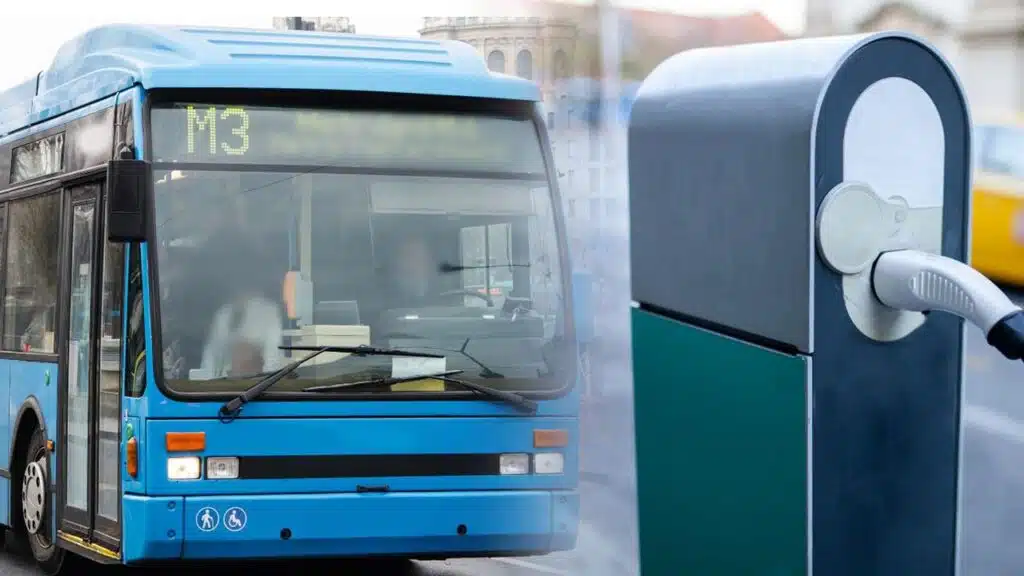
As climate change leads to more extreme weather events, cities are looking for ways to make their infrastructure more resilient. Electric vehicles can play a key role in this effort.
Given that they can run on local renewable energy sources, electric buses and trains are less susceptible to fuel shortages during natural disasters. In the aftermath of hurricanes, floods, or other events, electric public transportation systems could continue to operate when traditional fuel supplies are disrupted.
EVs also contribute to overall grid resilience. With the development of vehicle-to-grid (V2G) technology, electric buses and other transit vehicles can return stored energy to the grid during periods of high demand.
This technology could help stabilize electricity grids during peak times, further increasing the resilience of urban infrastructure.
10. Promoting Public Awareness and Support for EVs
As more cities integrate electric buses and other EVs into their public transportation systems, the public is becoming more familiar with and accepting of electric vehicles.
For many people, public transportation may be their first exposure to EV technology, helping to build trust in its reliability and benefits.
By experiencing the quiet, clean, and efficient operation of electric buses firsthand, commuters are more likely to support the broader adoption of EVs in both public and private transportation.
This exposure can lead to a greater demand for electric vehicles across various sectors, from personal cars to delivery trucks.
Public transit systems that embrace electric vehicles can play a crucial role in driving societal shifts toward cleaner, more sustainable transportation options.
Conclusion: EVs are Revolutionizing Public Transportation for a Greener Future
Electric vehicles are reshaping the landscape of public transportation in profound ways. From reducing carbon emissions and operational costs to improving air quality and passenger experience, EVs offer a cleaner, more efficient solution for moving people within cities.
As public transportation systems continue to evolve with the adoption of electric buses, trains, and even ferries, cities will benefit from quieter, healthier, and more sustainable environments.
The integration of EVs into public transit networks is not just a trend—it’s a vital step toward creating smarter, more resilient urban infrastructure.
As cities continue to invest in electric public transportation, they will not only meet their environmental goals but also provide a better quality of life for their residents. The future of public transportation is electric, and it’s transforming cities for the better.