
Triglycerides, a type of fat in the blood, are crucial for storing energy. However, high levels can pose serious health risks, including heart disease, type 2 diabetes, and pancreatitis.
Managing triglyceride levels through diet and lifestyle changes is essential for overall health. This article provides a comprehensive guide on reducing triglyceride levels, focusing on dietary adjustments, a 7-day meal plan, and additional lifestyle tips.
What Are Triglycerides?
Triglycerides are a lipid, or fat, stored in the body. They are formed when the body converts excess calories from food into fat. This stored fat can later be used for energy. While triglycerides are essential for energy storage, high levels in the blood can increase the risk of several health conditions, such as insulin resistance, obesity, pancreatitis, type 2 diabetes, and cardiovascular disease. People can consume triglycerides directly through foods that contain fat, such as oil and butter.
Additionally, when people consume more calories than they need from other foods, such as carbohydrates, the excess energy is converted and stored as triglycerides. Regular monitoring and maintaining healthy triglyceride levels are crucial for preventing associated health risks.
The body stores most of its fat as triglycerides, making it the most common type of fat. Therefore, understanding and managing triglyceride levels is vital for long-term health.
Healthy Levels of Triglycerides
A healthy adult triglyceride level is below 150 milligrams per deciliter (mg/dL). Levels between 150-199 mg/dL are considered borderline high, 200-499 mg/dL are high, and 500 mg/dL or more are very high.
Regular monitoring and maintaining healthy triglyceride levels are crucial for preventing associated health risks. There are two desirable levels of fasting blood triglycerides. The first is lower than 75 milligrams per deciliter (mg/dl) for children under ten.
The second is lower than 90 mg/dl for children older than ten years and adults. A doctor may diagnose someone with high triglycerides (or hypertriglyceridemia) if their fasting blood triglyceride levels are consistently 150 mg/dl or higher.
Keeping triglyceride levels within the healthy range can help reduce the risk of severe health conditions, such as heart disease and diabetes.
Foods That Can Help Lower Triglycerides
1. Oily Fish
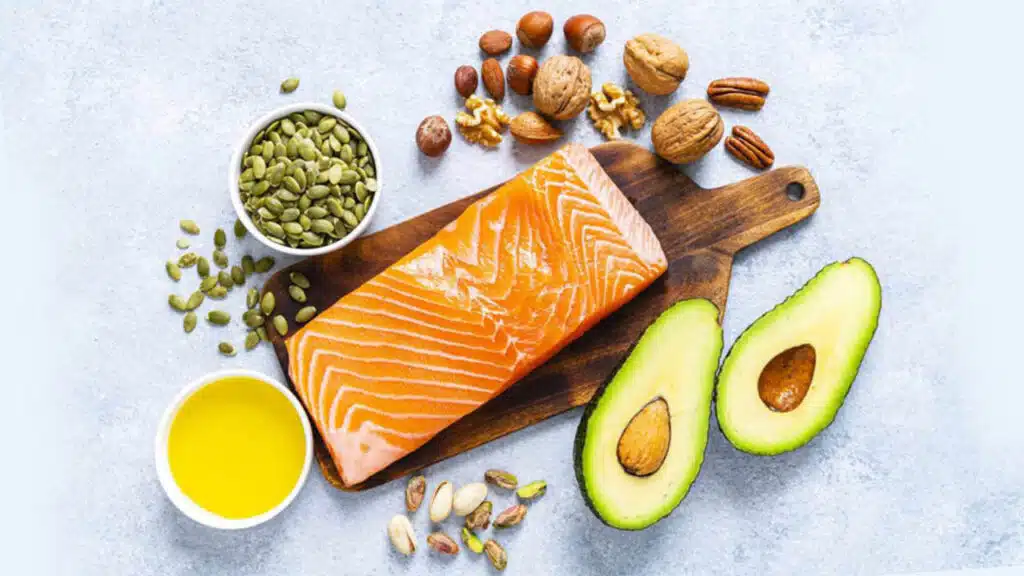
Oily fish such as salmon, sardines, and mackerel are rich in omega-3 fatty acids, which have been shown to reduce triglyceride levels. Including these in your diet twice weekly can significantly impact your triglyceride levels.
Omega-3 fatty acids are essential for heart health and can help lower triglycerides by reducing inflammation and preventing the formation of blood clots. Regular consumption of oily fish can also improve overall cardiovascular health.
For those who do not consume fish, omega-3 supplements, such as fish oil or algae oil, can be an alternative. However, it is always best to consult a healthcare professional before starting any new supplement regimen.
2. Vegetables
Vegetables, especially leafy greens, green beans, and butternut squash, are high in fiber and low in calories, helping to manage triglyceride levels. Fiber helps to slow the absorption of fat and sugar in the small intestine, which can help reduce triglycerides.
Additionally, vegetables are rich in vitamins, minerals, and antioxidants, essential for overall health. Including various vegetables in your diet can also help you feel full and satisfied, reducing the likelihood of overeating and consuming excess calories. Aim to fill half of your plate with vegetables at each meal to maximize their benefits.
3. Fruits
Fruits like citrus fruits and berries are beneficial due to their high fiber content and low sugar levels. They can help reduce sugar cravings and manage triglycerides.
Berries, such as strawberries, blueberries, and raspberries, are exceptionally high in antioxidants, which can help reduce inflammation and improve heart health.
Citrus fruits, such as oranges and grapefruits, are rich in vitamin C, which can also support heart health. When choosing fruits, opt for whole fruits rather than fruit juices or dried fruits, which can be higher in sugar and calories.
4. Low-Fat Dairy Products
Low-fat or fat-free dairy products like cheese, yogurt, and milk can help manage triglyceride levels by providing essential nutrients without excessive saturated fats. Dairy products are rich in calcium and vitamin D, necessary for bone health.
Additionally, some studies suggest that low-fat dairy products help reduce the risk of heart disease and stroke. When choosing dairy products, look for options that are labeled as low-fat or fat-free, and avoid products that contain added sugars or artificial ingredients.
5. High-Fiber Whole Grains
Whole grains like quinoa, barley, and brown rice are excellent sources of fiber, which can help lower triglyceride levels by slowing the absorption of fat and sugar in the small intestine.
Fiber-rich foods can also help you feel full and satisfied, reducing the likelihood of overeating and consuming excess calories.
Additionally, whole grains are rich in vitamins, minerals, and antioxidants, essential for overall health. Opt for whole grains rather than refined grains, stripped of fiber and nutrients when choosing grains.
6. Beans, Nuts, and Seeds
These foods contain fiber and healthy fats that help manage triglyceride levels. They are also excellent protein sources, making them a staple in a triglyceride-lowering diet. Beans like black beans, chickpeas, and lentils are rich in protein, fiber, and various vitamins and minerals.
Nuts and seeds, such as almonds, walnuts, chia seeds, and flaxseeds, are high in healthy fats and can help reduce inflammation and improve heart health. Including various beans, nuts, and seeds in your diet can provide essential nutrients and help satisfy you.
Foods and Habits to Limit or Avoid

Limit Alcohol Consumption
Alcohol can significantly raise triglyceride levels. Limiting alcohol intake is crucial for managing triglycerides. Excessive alcohol consumption can lead to weight gain, liver damage, and other health problems.
If you choose to drink alcohol, do so in moderation. For men, this means up to two drinks per day, and for women, up to one drink per day. Additionally, choose lower-calorie options, such as light beer or wine, and avoid sugary mixed drinks.
Avoid Added Sugars
Added sugars should make up no more than 10% of your daily calories. Reducing sugar intake can help lower triglyceride levels. Sugary foods and beverages like soda, candy, and baked goods can contribute to weight gain and increase triglyceride levels.
Instead, opt for natural sources of sweetness, such as fruits, and use healthier sweeteners, such as stevia or monk fruit, in moderation. Reading food labels and being mindful of hidden sugars in processed foods can also help you reduce your sugar intake.
Reduce Refined Carbohydrates
Refined carbohydrates like white bread and pastries can spike triglyceride levels. Opt for whole grains and high-fiber carbs instead. Refined carbohydrates are quickly digested and absorbed, leading to rapid spikes in blood sugar and triglyceride levels.
On the other hand, whole grains are digested more slowly, helping maintain steady blood sugar levels. When choosing grains, look for options labeled as whole grain or whole wheat, and avoid products made with refined flour.
Choose Unsaturated Fats
Replace saturated and trans fats in animal products and processed foods with unsaturated fats from plant oils, nuts, and seeds. Unsaturated fats, such as those in olive oil, avocado, and fatty fish, can help reduce inflammation and improve heart health.
Saturated and trans fats, on the other hand, can raise triglyceride and cholesterol levels, increasing the risk of heart disease. When cooking, use plant-based oils, such as olive oil or canola oil, and avoid frying foods with unhealthy fats.
Diet Types That Can Lower Triglycerides
Low-Carbohydrate Diet
A low-carbohydrate diet can help reduce triglycerides by minimizing the intake of refined carbs and focusing on high-fiber vegetables and whole grains. Reducing carbohydrate intake can help stabilize blood sugar levels and reduce the production of triglycerides.
When following a low-carb diet, focus on whole, unprocessed foods, such as lean proteins, healthy fats, and non-starchy vegetables. Avoid high-carb foods, such as sugary snacks, white bread, and pasta, and opt for low-carb alternatives, such as cauliflower rice and zucchini noodles.
High-Fiber Diet
Increasing dietary fiber intake can help lower triglycerides by slowing the absorption of fat and sugar. Foods like whole grains, nuts, seeds, vegetables, legumes, cereals, and fruits are excellent sources of fiber.
Fiber-rich foods can also help you feel full and satisfied, reducing the likelihood of overeating and consuming excess calories. Aim to include a variety of high-fiber foods in your diet each day and gradually increase your fiber intake to avoid digestive discomfort.
Vegetarian Diet
A well-planned vegetarian diet can help reduce triglyceride levels by focusing on plant-based foods rich in fiber and healthy fats. Plant-based diets have been shown to reduce the risk of heart disease, diabetes, and other chronic conditions.
When following a vegetarian diet, be sure to include a variety of protein sources, such as beans, lentils, tofu, and nuts, to ensure you are getting all the essential nutrients. Additionally, avoid processed vegetarian foods, which can be high in unhealthy fats and added sugars.
7-Day Meal Plan to Lower Triglycerides
Day 1
Breakfast: Old-fashioned oats with low-fat or plant milk and berries and seeds. Oats are rich in fiber, which helps to slow the absorption of fat and sugar, while berries provide antioxidants and vitamins.
Lunch: Vegetable and lentil soup with whole grain crackers. Lentils are high in protein and fiber, making them an excellent choice for managing triglycerides.
Dinner: Tofu and butternut squash curry with cauliflower rice. Tofu is a good source of plant-based protein, while butternut squash and cauliflower provide fiber and essential nutrients.
Snack: A banana and almonds. Bananas are a good source of potassium, and almonds provide healthy fats and protein.
Day 2
Breakfast: Salmon, whole grain rye bread, and a poached egg. Salmon is rich in omega-3 fatty acids, which can help reduce triglycerides.
Lunch: Sardines in a whole grain wrap, garden side salad, and oil-based dressing. Sardines are another excellent source of omega-3 fatty acids.
Dinner: Chicken and vegetable stir-fry with brown rice. Chicken provides lean protein, and the vegetables and brown rice add fiber and essential nutrients.
Snack: A boiled egg and fresh fruit. Eggs provide protein and essential nutrients, while fruit adds vitamins and fiber.
Day 3
Breakfast: Buckwheat pancakes with low-fat yogurt and berries. Buckwheat is a whole grain that is high in fiber and protein.
Lunch: A spinach, avocado, and tomato salad with black beans and quinoa. This salad is rich in fiber, healthy fats, and plant-based protein.
Dinner: Vegetable and bean chili with a side of kale. Beans provide protein and fiber, while kale is rich in vitamins and antioxidants.
Snack: Celery sticks and almond butter. Celery is low in calories and fiber, and almond butter provides healthy fats and protein.
Day 4
Breakfast: Whole grain cereal with low-fat or plant milk and fresh fruit. Whole grain cereal is high in fiber, and fresh fruit adds vitamins and antioxidants.
Lunch: Barley wraps with tuna, lettuce, and tomatoes. Barley is a whole grain high in fiber, and tuna provides lean protein and omega-3 fatty acids.
Dinner: Grilled salmon or mackerel with steamed vegetables and brown rice. Both salmon and mackerel are rich in omega-3 fatty acids, and the vegetables and brown rice add fiber and essential nutrients.
Snack: Walnuts. Walnuts are a good source of healthy fats and protein.
Day 5
Breakfast: Poached eggs on whole grain toast. Whole grain toast provides fiber, and eggs provide protein and essential nutrients.
Lunch: A tuna or chicken sandwich with whole grain bread, hummus, and a garden salad. Whole grain bread and hummus add fiber, and tuna or chicken provides lean protein.
Dinner: Grilled steak with steamed vegetables and mashed sweet potato. Steak provides protein, and the vegetables and sweet potato add fiber and essential nutrients.
Snack: Fruit salad and low-fat Greek yogurt. Fruit salad provides vitamins and antioxidants; Greek yogurt adds protein and probiotics.
Day 6
Breakfast: Whole grain toast with avocado and a hard-boiled egg or smoked salmon. Avocados provide healthy fats and eggs or salmon add protein.
Lunch: Chickpeas and quinoa over a green salad. Chickpeas and quinoa are both high in fiber and protein.
Dinner: Barley, vegetable, and chicken soup with whole grain crackers. Barley and vegetables provide fiber and essential nutrients; chicken adds lean protein.
Snack: A homemade smoothie made with low-fat Greek yogurt and berries. Smoothies can be a convenient way to add protein, fiber, and antioxidants to your diet.
Day 7
Breakfast: Rolled oats with low-fat or plant milk and fresh fruit. Rolled oats are high in fiber, and fresh fruit adds vitamins and antioxidants.
Lunch: Sardine salad is served on a whole grain bread roll with a garden side salad. Sardines provide omega-3 fatty acids; whole-grain bread and salad add fiber and essential nutrients.
Dinner: Whole grain pasta with a tomato-based sauce, drained red kidney beans, and a garden side salad. Whole-grain pasta and beans provide fiber and protein; the salad adds vitamins and antioxidants.
Snack: Strawberries. Strawberries are low in calories and high in antioxidants and vitamins.
Summary
Reducing triglyceride levels is essential for maintaining overall health and preventing serious conditions like heart disease, type 2 diabetes, and pancreatitis. By adopting a balanced diet rich in whole fruits, vegetables, whole grains, and healthy fats, you can effectively manage your triglyceride levels.
Regular physical activity, avoiding trans fats, and considering beneficial supplements also play a crucial role in maintaining healthy triglyceride levels. It is important to monitor your triglyceride levels regularly and consult with healthcare professionals to tailor a plan that suits your individual needs.
Making sustainable lifestyle changes not only helps in managing triglycerides but also promotes overall well-being and long-term health. Through informed dietary choices and a proactive approach to health, you can significantly reduce the risk of complications associated with high triglycerides and lead a healthier, more vibrant life.