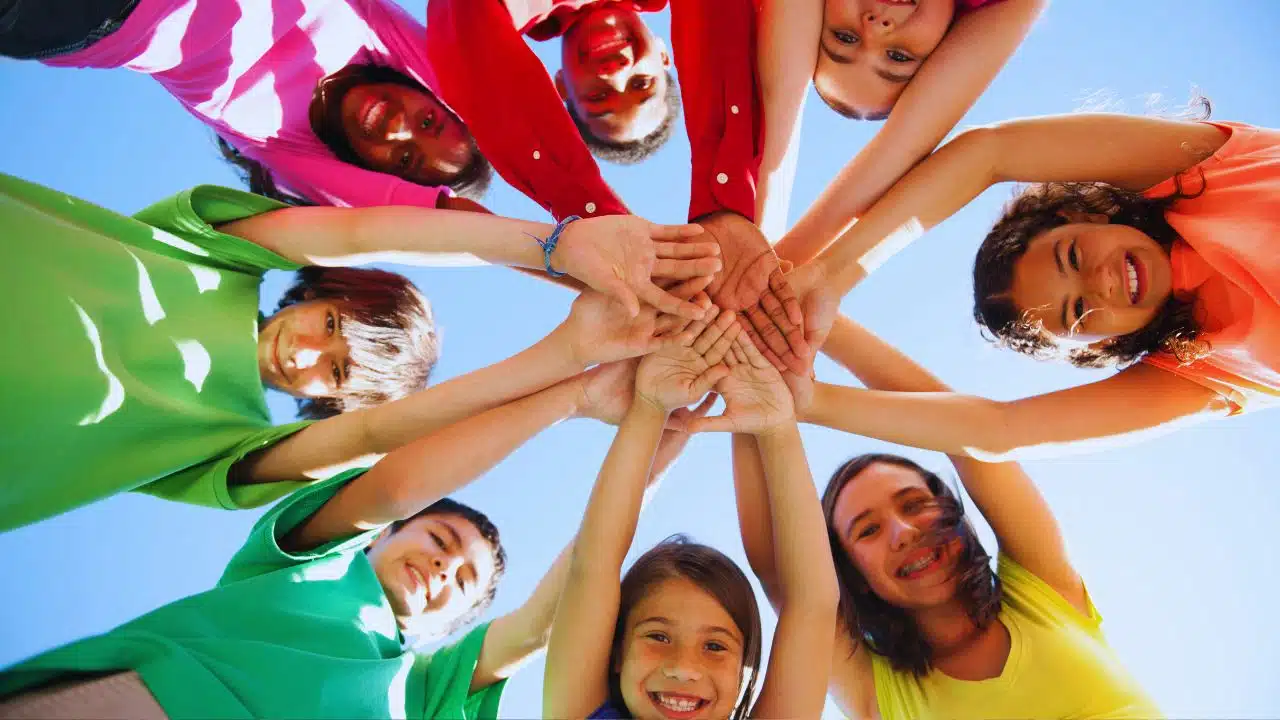
Every year on 14 November, India celebrates Children’s Day, known as Bal Diwas, to honour the birth anniversary of Jawaharlal Nehru, the country’s first Prime Minister. Nehru, affectionately called “Chacha Nehru”, held a deep, lifelong affection for children and believed that the future of India depended on nurturing the minds, dreams, and well-being of its youngest citizens.
Children’s Day in India is more than a symbolic event. It is a reminder of the nation’s responsibility to protect childhood, ensure access to education, and guarantee a safe and joyful environment for every child to grow. Schools and communities across the country mark this day with colourful programs, creative competitions, educational activities, and initiatives that emphasize both celebration and awareness. While the day is filled with fun, it also carries a message about the value of children’s rights, emotional well-being, and equal opportunities.
History of Children’s Day
India originally observed Universal Children’s Day on 20 November, following the United Nations’ recommendation to promote global awareness around children’s rights, welfare, education, and safety. However, Nehru’s extraordinary rapport with children and his profound commitment to their development encouraged India to create its own national observance that reflected both affection and purpose.
Beginning in 1957, India officially shifted its celebration to 14 November, making Nehru’s birthday the central theme. This decision aligned with his belief that investing in children was essential for a strong and independent nation. Nehru frequently emphasized that childhood is the most critical foundation of life — a time when values, imagination, and personality begin to take shape. He envisioned schools not just as formal institutions but as spaces where creativity, curiosity, and confidence should flourish.
Over the decades, Children’s Day has grown into a countrywide observance that includes schools, government institutions, NGOs, and child-focused organizations. Many institutions also hold programs focused on child protection, mental health, nutrition, early education, and creative expression. This expansion reflects the country’s evolving understanding of childhood and its challenges, from access to quality education to issues like child labour, child marriage, and digital safety.
Thus, Children’s Day is rooted in history but continues to adapt to the needs of modern Indian children, keeping Nehru’s vision relevant across generations.
Significance of Children’s Day
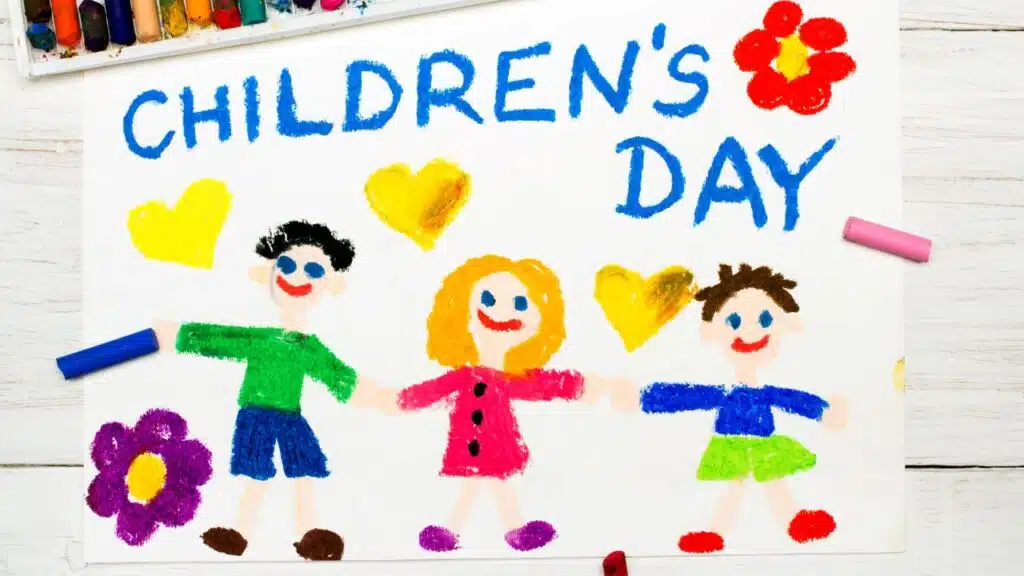
Children’s Day carries deep meaning beyond celebration. It is a reflection of values that Nehru championed and that modern India continues to uphold.
Celebration of Childhood and Joy
The day recognizes the beauty of childhood — innocence, creativity, energy, and the unique perspective children bring to families and society. It reminds adults that children deserve time, attention, emotional support, and safe spaces to grow without fear or pressure.
Nehru’s Belief in Children as the Nation’s Backbone
Nehru believed that children are the most powerful resource for a nation’s progress. His famous idea — that children are “buds in a garden” needing love and guidance — captures his belief that compassionate nurturing leads to a compassionate society. He viewed children not as future citizens only, but as individuals who shape society actively through their thoughts, questions, and imagination.
Education as a Cornerstone of Development
For Nehru, education was not only about literacy; it was about shaping character and unlocking human potential. Children’s Day highlights the need to give every child access to quality learning, modern tools, digital opportunities, and holistic development. Schools often use the day to promote awareness about the importance of learning, creativity, problem-solving, emotional intelligence, and equal opportunities regardless of gender or socio-economic background.
Rights, Welfare, and Protection
The celebration also draws attention to children’s rights — the right to education, safety, good health, nutrition, equality, and freedom from exploitation. Many organizations conduct campaigns and programs addressing issues such as school dropouts, child safety, online risks, bullying, and mental well-being. The day acts as a reminder that children’s voices matter and that society must create systems where they are protected, heard, and respected.
Strengthening National Values and Social Responsibility
By dedicating a day to children, India reinforces the belief that a nation’s future depends on how well it nurtures its youngest generation. Children’s Day inspires parents, teachers, communities, and institutions to invest time and resources in the development of children, making the day not only celebratory but socially meaningful.
All You Need to Know About Children’s Day Celebrations

Children’s Day celebrations vary across India, but the underlying spirit remains rooted in joy, learning, and empowerment. Schools often take the lead with vibrant programs that reflect creativity and fun. Activities commonly include cultural shows, dance and music performances, plays based on children’s themes, drawing and storytelling competitions, debates, fancy dress events, and sports tournaments. Teachers sometimes perform for students or organize special assemblies to make the day memorable. In many schools, students play the role of teachers for a day, which helps build confidence and leadership skills.
Beyond the fun, schools and organizations also use the day to highlight the importance of children’s rights, nutrition, health awareness, and education. Some conduct workshops on safety, digital awareness, emotional health, or personal hygiene. NGOs may hold outreach programs in marginalized communities, focusing on issues like access to schooling, vaccination, mental health support, or elimination of child labour.
The spirit of Children’s Day is not limited to schools. Many parents plan special outings, small gifts, or quality time with their children. Community centres, libraries, and cultural groups organize storytelling sessions, science demonstrations, talent showcases, and interactive learning activities to encourage curiosity and creativity.
It is also important to note that while India celebrates Children’s Day on 14 November, the rest of the world observes Universal Children’s Day on 20 November. This global observance draws attention to the importance of protecting every child’s rights and promoting global standards for education, safety, inclusion, and equal opportunity. India’s date connects this global message with Nehru’s personal legacy and national vision.
Ultimately, Children’s Day reminds society that the well-being and growth of children determine the well-being and future of the nation. It encourages adults to listen, respect, and respond to the needs of children with care and responsibility.
A Day that Celebrates, Reflects, and Inspires
Children’s Day is far more than a festive occasion. It is a day to reaffirm society’s promise to create a world where children can thrive without fear, discrimination, or lack of opportunity. It celebrates the joy, dreams, and potential within every child while also reminding us that our actions today shape their tomorrow.
By honouring Jawaharlal Nehru’s legacy and valuing the promise of childhood, Children’s Day urges parents, teachers, leaders, and communities to ensure that every child receives the love, education, safety, and guidance they deserve. When a society invests in its children, it invests in a stronger, wiser, and more compassionate future. Each child represents a new possibility — and nurturing that possibility is a responsibility shared by all.