Practicing good personal hygiene is important for children, especially at school, where they interact closely with many other students and staff daily.
Learning proper health and sanitation habits early on can prevent illnesses, improve learning outcomes, and set up healthy routines for life. This article will provide an overview of key personal hygiene areas for parents and schools to instill among students.
Content Highlights
- Handwashing, respiratory etiquette, dental care and bathing prevent illness transmission, improving student health.
- Clean clothing and self-care affect social confidence, minimizing self-esteem issues.
- Learning lifelong personal hygiene habits early prioritizes wellness.
- Parents and schools partner to equip children to manage new puberty-related needs.
- Addressing related challenges discretely but directly respects the student’s dignity.
With the right habits instilled in young children, they can enter adolescence equipped to navigate physical changes and self-care needs smoothly while projecting confidence among peers at school.
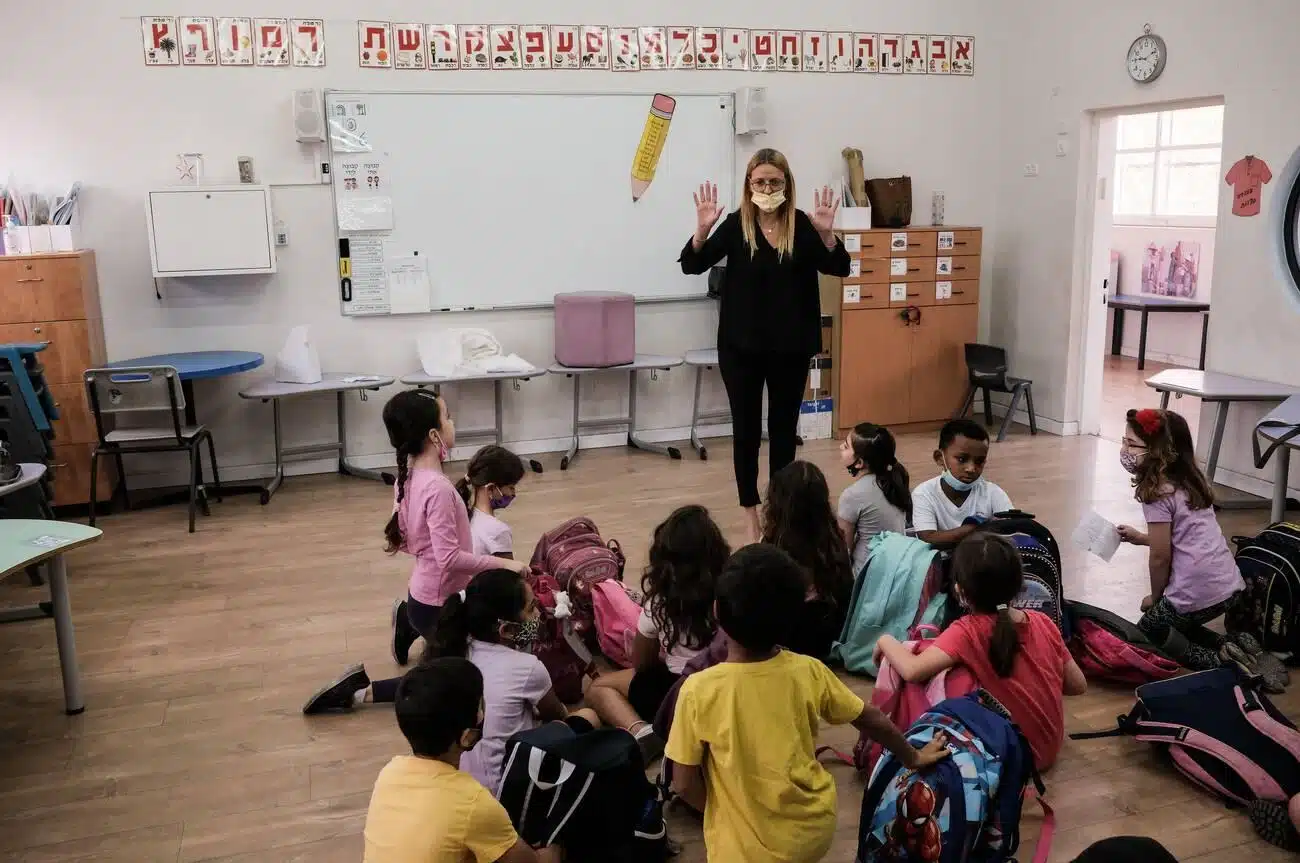
Importance of Personal Hygiene for Kids
Maintaining personal hygiene is vital for a child’s health, social interactions, self-esteem and performance at school. Proper hygiene habits minimize the spread of common transmissible illnesses like colds, flu, pinkeye, strep throat or even COVID precautions today. Practicing hygiene etiquette also projects respect towards classmates and teachers. Kids focused on poor grooming or hygiene issues may endure teasing or isolation, affecting their self-confidence and learning too. By addressing topics early and instilling daily hygiene routines, parents and schools set children up for better health and peer experiences.
Handwashing
Handwashing stands as the top hygiene habit for kids to master in preventing illness transmission. Teachers should schedule time for students to wash their hands before eating, after recess or sports, using restrooms, coughing or sneezing, touching commonly used surfaces, and arriving at home. The CDC guidelines advise washing with soap and water for 20 seconds by rubbing fronts, backs, between fingers, and under nails, and rinsing well before patting dry with a clean towel. Hand sanitizer with at least 60% alcohol also works when soap is unavailable. Frequent, thorough handwashing cuts down on student sickness days.
Respiratory Hygiene
Students coughing or sneezing into their hands spread germs easily to surfaces and classmates. Instead, teach kids to cover coughs by facing into bent elbows, then washing hands immediately after and avoiding touching eyes, mouth or noses where germs could enter. Any tissues should be discarded promptly in lidded bins, followed by handwashing. Distancing from peers when sick also shows awareness. For kids more prone to allergies, runny noses or coughs, sending personal travel packs of tissues and miniature sanitizer encourages good habits.
Oral Hygiene and Dental Care
Tooth decay and gum disease may interfere with children eating, speaking clearly for class participation, or smiling confidently. Schools might provide time daily for toothbrushing after lunch or snacks or teach proper techniques for brushing morning and night. Electric timers, chants or toothbrushing apps add engagement. Kids should use soft-bristled toothbrushes replaced every 3–4 months and fluoride-containing toothpaste in pea-sized amounts for age-appropriate protection. Flossing, rinsing after eating and regular dental cleanings also prevent problems.
Bathing and Skin Care
Bathing 1-2 times weekly and washing hair every 2-4 days maintains cleanliness, healthy skin and a fresh scent. Parents should monitor bathing frequency depending on the child’s age, puberty onset or activities like sports. Soap choice matters too for avoiding breakouts, rashes or irritation. Skin moisturizing, nail trimming, deodorant use for older kids, and other grooming steps improve hygiene too. Schools could share puberty education, offer deodorant or spare uniforms if issues caused teasing. Identifying symptoms like ringworm or lice for discreet follow-up respects dignity.
Clothing, Uniforms and Laundry
Having extra sets of clean clothes, underwear and socks enables students to change following bathroom accidents, food spills, muddy play or other messes, preventing distraction or discomfort. Schools recommending laundry best practices like fabric softener use, stain treatment tips or preventing static cling in uniforms save parents frustration. Locker room or classroom disinfecting sprays, pen spot cleaners and personal mini stain bars also give kids tools to handle small mishaps independently without embarrassing trips to the nurse’s office hampering learning time.
Common Hygiene Issues at School and Home Solutions
Body Odor
As children reach puberty, body chemistry changes, increasing perspiration and odor, which can cause self-consciousness or peer teasing. Beyond frequent bathing, wearing clean clothes and using deodorant daily, breathable natural fabrics help prevent issues arising for middle school students transitioning. A noticeable odor might indicate a need for laundry detergent change if building up in clothes or addressing diet. Limiting strong foods like onions, garlic or spicy cuisines reduces scent issues. Adding baking soda to bathwater neutralizes some odors, along with probiotics aiding digestion. Light starch powder or vinegar rinses deodorize uniforms or PE kits between washings too. Humid climates worsen effects, so accommodating more frequent uniform changes helps kids stay confident.
Bad Breath
Multiple factors, from poor oral hygiene to sinus congestion or habitual mouth breathing because of allergies or sleep disorders, may cause bad breath for students. Thorough brushing morning and night, plus flossing, removes bacteria buildup, producing odors over time when not addressed. White coatings on the tongue or teeth might need professional cleaning. Students should hydrate by drinking sufficient water each day rather than sugary drinks. Chewing gum or sucking on mint leaves, parsley or cloves temporarily masks scents. Identifying and addressing root causes improves bad breath in the long term. Adding chlorophyll drops to water helps too.
Dirty, Tangled Hair
Heading to school with visibly dirty, greasy hair and dandruff accumulation marks poor grooming. Shampooing and conditioning too frequently or not often enough for one’s hair type contributes to issues. Many shampoos strip natural, beneficial hair oils, causing overproduction and looking greasy. Using specific shampoos for thickness, dandruff, oil control or other needs helps. Brushing hair gently before washing also detangles it rather than rubbing dirt further in. Afterward, limiting brushing to twice daily avoids breakage or scattering dandruff. Braids, headbands or updos tidy hair between washes. Diet influences hair condition too. Stress or nutritional deficits may manifest in dull, brittle or shedding hair over time, requiring supplements.
Chapped Lips
Dehydration, seasonal cold weather, excessive lip licking, vitamin deficiency, infection or reactions to grooming products can cause painful red, cracked, flaky or swollen lips. Staying hydrated by sipping water and eating water-rich fruits and vegetables improves this. Additionally, wearing lip balm with protective beeswax, shea butter or coconut oil creates a healing barrier, minimizing the loss of moisture in the thin lip tissue. Stopping habits of biting or licking before applying lip products allows deeper absorption overnight too. Identifying allergies causing irritation or using anti-fungal creams to treat fungal-influenced inflammation both alleviate chapping.
Conclusion
Children spend extensive time every weekday around classmates and school staff. Maintaining good personal hygiene routines protects health, self-esteem and peer relationships vital for academic and personal growth during formative years. Handwashing tops infection prevention advice, along with respiratory etiquette like proper coughing methods. Kids also benefit from learning dental and body care, clothing and laundry habits that prevent issues. By giving children tools and information early on, parents and schools empower students to take pride in cleanliness and wellbeing, even as changes onset during adolescence. Addressing topics and habits openly and positively equips children to practice lifelong healthy hygiene habits critical for their brightest futures.
FAQs
How often should students shower or bathe?
- CDC guidelines suggest students bathe at least 1-2 times per week or whenever they are dirty or sweaty. Increased bathing frequency often occurs when entering puberty and needing deodorant.
What hygiene items should kids have for school?
- Hand sanitizer, tissues, and face masks should stay in children’s backpacks. Middle schoolers benefit from carrying deodorant, breath mints, and lip balm as well. Girls may carry personal hygiene items too.
How can parents identify lice or ringworm?
- Lice appear as tiny tan bugs or nits in hair follicles, best viewed behind ears with magnification. Ringworm exhibits circular rash-like lesions that itch and scab on scalps, bodies or feet treated with antifungal creams. Seek healthcare provider advice on distinguishing rashes.
Why maintain good oral hygiene at school?
- Tooth decay and gum disease cause pain affecting eating, speech clarity, smiling and self-esteem. Cavities also require time-intensive dental visits, costing families. Practicing oral hygiene prevents issues interfering with learning and peer engagement at school.
What personal hygiene challenges intensify during puberty?
- Oil and sweat gland changes, menstruation onset for girls, and body hair and odor increases challenge adolescents newly needing deodorant, acne management, shaving or razor routines, and other personal products like pantyliners while navigating physical and emotional transitions.