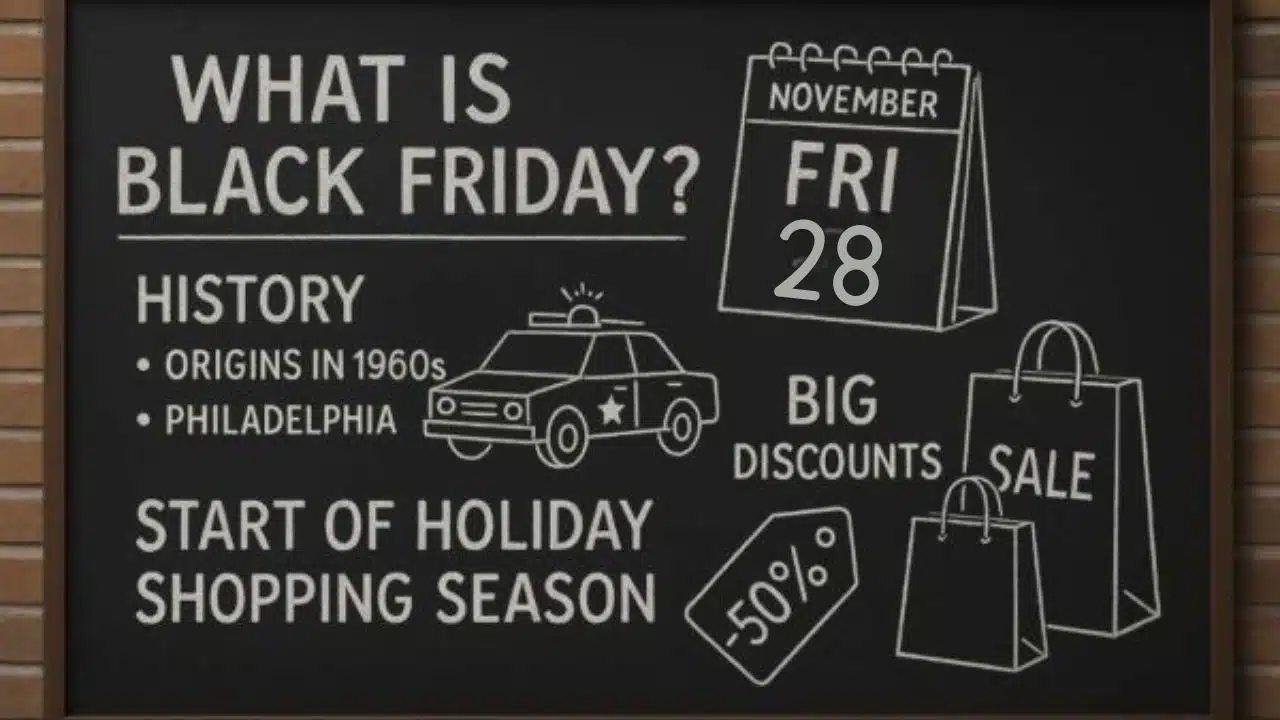
Black Friday is widely recognized as the biggest shopping event of the year. It takes place the day after Thanksgiving in the United States and marks the unofficial start of the holiday shopping season. Retailers offer deep discounts, exclusive doorbusters, bundle deals, and limited-time promotions that attract millions of shoppers both in physical stores and online.
Despite being rooted in American culture, Black Friday has now become a global phenomenon. International retailers, online marketplaces, and regional e-commerce platforms also run Black Friday campaigns, creating a worldwide shopping wave.
Why It Matters for Shoppers and Businesses
For shoppers, Black Friday brings an opportunity to secure high-value items—such as electronics, appliances, clothing, and home essentials—at significantly reduced prices. For businesses, it is a crucial sales period that boosts year-end revenue, clears inventory, and helps attract new customers before the holidays.
A Day That Has Become a Season
While originally a single day, Black Friday now stretches far beyond Friday itself. Many retailers begin offering “Early Black Friday Deals” weeks in advance. Others continue promotions through Saturday and Sunday, merging into Cyber Monday, ultimately expanding into what many now call Cyber Week or Black November.
When Is Black Friday?
Black Friday always takes place the day after Thanksgiving in the United States. Although the exact date changes annually, it consistently falls between November 23 and November 29. This consistency helps retailers plan for inventory, marketing, staffing, and logistics well in advance. This year, Black Friday 2025 will occur on November 28.
For shoppers, it marks the unofficial start of holiday spending—a time when they actively search for gifts, upgrades, and seasonal purchases at reduced prices.
While Black Friday initially began as a single-day event, the shopping period has expanded significantly. Many businesses now launch discounts as early as mid-November, with some promotions starting even sooner. As a result, the “Black Friday season” now extends far beyond the traditional 24-hour window. Consumer demand, the growth of e-commerce, and competitive pressures among retailers seeking to capture shopper attention earlier have driven this evolution.
Thanksgiving Day
Some retailers previously opened on Thanksgiving night to give shoppers early access to deals. Recently, however, many stores have reversed this approach, choosing instead to close on Thanksgiving to allow employees time with family. Despite this shift, online shopping on Thanksgiving continues to grow as retailers release early deals on their websites.
Black Friday
Friday remains the core of the shopping weekend, offering some of the biggest discounts across electronics, appliances, home goods, clothing, beauty products, and more. Long before stores open, lines often form outside major retailers. Online sales also surge as shoppers look for fast, convenient ways to secure deals.
Cyber Monday
Online-exclusive deals take center stage on the Monday following Thanksgiving. Originally launched to encourage people to shop on the internet when e-commerce was still new, Cyber Monday has now become just as popular as Black Friday. Many retailers extend their digital promotions through the entire week, creating “Cyber Week.”
Together, these days create a continuous shopping period that stretches from Thursday to Monday—and often longer—shaping one of the most profitable retail cycles of the year.
Why Is It Called Black Friday?
The term “Black Friday” has two main explanations—one rooted in history and one rooted in business.
The first origin story traces back to Philadelphia in the 1960s. When large crowds came into the city the day after Thanksgiving, police officers labeled the chaos as “Black Friday.” The streets were packed with shoppers and tourists arriving for the annual Army–Navy football game, and law enforcement had to deal with heavy traffic, accidents, shoplifting, and extended working hours. Local newspapers picked up the phrase, and it spread gradually to other regions.
The second explanation—embraced later by retailers—draws from financial terminology. In bookkeeping, red ink indicates a loss, while black ink signifies a profit. Retailers began promoting the idea that the surge in sales on the day after Thanksgiving moved their businesses “into the black.” Although this explanation emerged after the term was already in use, it helped give the phrase a positive meaning and contributed to its widespread adoption in the retail industry.
Over time, the meaning of “Black Friday” broadened. What started as a reference to urban congestion evolved into a national shopping tradition associated with major savings and seasonal spending. Today, the term is recognized worldwide. Countries across Europe, Asia, Africa, and Latin America have adopted their own versions of Black Friday sales, even though they do not celebrate Thanksgiving. This expansion demonstrates the global influence of American retail practices and the universal appeal of significant price reductions.
What Happens on Black Friday?
Black Friday is known for offering some of the biggest price cuts of the year. Retailers prepare months ahead by planning inventory, negotiating with suppliers, creating limited-time bundles, and developing marketing campaigns designed to draw in crowds—both in-person and online. The result is a shopping experience focused on value, speed, and urgency.
Shoppers can expect deals across virtually every product category:
- Laptops, tablets, smartphones, and gaming consoles
- Large appliances and smart home devices
- Fashion, footwear, and accessories
- Home goods, wellness items, and decor
- Beauty and personal care products
- Toys and holiday gifts
In physical stores, Black Friday can bring long lines, early-morning openings, and doorbuster deals that attract shoppers willing to wait hours for exclusive offers. Many of these deals have limited quantities, increasing the sense of competition and excitement.
Online, Black Friday has become even more dominant. The convenience of shopping from home, combined with free shipping, easy returns, and fast checkout options, has made e-commerce the preferred choice for many. Retailers now release online-only promotions, special codes, early-access deals for email subscribers, and time-sensitive flash sales.
Businesses looking to maximize sales typically rely on strong marketing strategies:
- Email marketing campaigns offering early access, countdowns, or personalized deals
- Social media promotions highlighting top discounts, customer reviews, and live updates
- Dedicated landing pages that collect all major Black Friday offers in one place
- Influencer or creator partnerships to showcase deals on visually engaging platforms
- Mobile-optimized experiences to accommodate shoppers browsing from smartphones
The goal is to build anticipation, guide shoppers toward the best deals, and encourage quick decision-making. For customers, this creates a fast-paced shopping environment where acting early often means securing the most valuable savings.
What Black Friday Deals Can Shoppers Expect?

Black Friday deals typically span broad industries and price ranges, making it easy for shoppers to find discounts on products they’ve been planning to buy throughout the year. Many brands reveal their sales in advance through newsletters or social media announcements, helping customers prepare and compare offers.
Shoppers can expect:
- Percentage-based discounts
- “Buy one, get one” promotions
- Special bundles combine multiple products.
- Limited-time flash sales
- Exclusive online-only offers
- Free shipping or bonus gifts with purchase
Because competition among retailers is high, brands often match or beat each other’s pricing, especially in popular categories like electronics, fashion, and home appliances. Online deal-tracking platforms and community boards can help shoppers discover trending bargains quickly, and many price-comparison tools make it easier to check whether a deal is genuine.
Digital shoppers need to be mindful of timing. Some deals go live early in the morning, while others appear as short-window promotions. A strong internet connection, pre-saved account details, and prepared wishlists can make checkout faster and improve the chance of securing high-demand items before they sell out.
Black Friday increasingly overlaps with Cyber Monday, giving shoppers multiple days to explore offers. For those building websites, running online businesses, or managing digital projects, the weekend also provides opportunities to find discounts on hosting, software, design tools, marketing platforms, and e-commerce services.
Holiday Shopping Beyond Black Friday
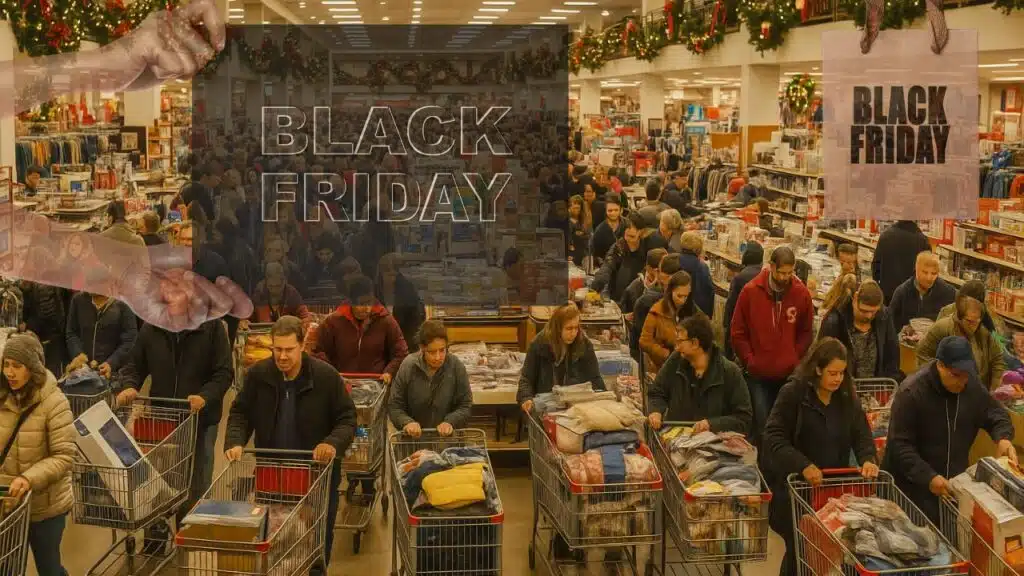
Black Friday marks the beginning of the broader holiday shopping season. Once the frenzy of the weekend ends, retailers continue offering promotions throughout December leading up to Christmas. Many shoppers use the period to buy gifts, décor, household essentials, winter clothing, and personal upgrades.
The season concludes with year-end and New Year sales, which often offer clearance discounts as retailers prepare for new inventory. This extended cycle means that customers can find savings throughout the final quarter of the year, even if they miss Black Friday deals.
For businesses, the entire period represents a critical opportunity. Strong planning, creative marketing, efficient logistics, and timely communication can all contribute to improved conversions and higher seasonal revenue.
Final Thoughts
Black Friday has evolved far beyond a single day of shopping. What began as a post-Thanksgiving rush in one American city has grown into a global retail phenomenon that shapes the entire holiday season. For shoppers, it is an opportunity to secure meaningful savings on products they’ve been waiting for all year. For businesses, it offers an unmatched chance to boost revenue, clear inventory, attract new customers, and strengthen brand visibility during the most competitive retail period.
As Black Friday continues to expand through early-access deals, extended weekend promotions, and the rise of Cyber Monday, both consumers and retailers are adapting to a broader, more digital shopping landscape. Understanding pricing trends, planning ahead, and using trusted deal-tracking methods can help buyers make smarter decisions. At the same time, retailers that prepare strategically—through optimized websites, targeted marketing, and well-structured promotions—stand to gain the most from this dynamic shopping season.
Whether you are preparing to launch a sale or looking to grab the best deals, Black Friday remains a major moment in the retail calendar. With thoughtful planning, it can deliver significant value in the weeks leading up to the holidays and set the tone for a successful year-end.