An immigration judge’s ruling is not always the final word in a person’s case. The Board of Immigration Appeals can review that ruling when a person files properly. When an appellate deadline passes without a filing, the court dismisses the appeal before reading a single argument. A general practice shifts from divorces to contract disputes, while Bassey Law Firm focuses more closely on appeals.
Knowing each step early helps families avoid the mistakes that can end an appeal. The sections below walk through the process in the order that it usually happens.
What The Board Actually Reviews
The Board is the highest administrative body that decides immigration cases in the country. It does not hold a new trial, and it rarely accepts new evidence. When an appeal depends on a record that shows the legal error, early calls to attorneys handling immigration cases matter. Judges on the Board look at whether the immigration judge applied the law correctly. They also check whether factual findings were clearly mistaken given the existing record. A strong appeal points to specific errors instead of simply repeating the original story.
Filing The Notice Of Appeal
The first step is filing a written notice of appeal with the Board itself. The Board must usually receive the notice within thirty days of the judge’s decision. A late filing is rarely excused, so mailing delays can become costly problems. The notice must use the official form and include the fee or waiver request. It should also name the reasons the person believes the judge’s decision was wrong. Vague reasons can lead to a quick dismissal before the Board studies the case.
Writing A Strong Appeal Brief
After the notice arrives, the Board sets a schedule for written legal arguments. The brief is where the lawyer explains each mistake and cites supporting law. Strong briefs link every argument to the hearing record with exact page references. With briefs arriving at the Board each week, a reviewer can quickly find the argument when sections are clearly labeled. The other side, the government, may file a response that defends the earlier decision. Missing a briefing deadline can cause the Board to dismiss an otherwise valid appeal.
Waiting For The Board Decision
Once briefing ends, the Board reviews the full record and then decides the case. Wait times vary widely, and some appeals take many months before any answer arrives. A timely appeal generally pauses the removal order while the Board considers the case. Detained respondents often receive faster attention than people who remain free during the appeal. When the Board finishes its review, the appeal is dismissed or sustained, and some cases go back to court. Each outcome brings different next steps, so families should plan for several results.
Options After A Final Ruling
A denied appeal does not always end every possible path, though choices narrow quickly. Some people file a petition for review with a federal court of appeals afterward. That petition usually must be filed within thirty days of the Board’s final order. Others ask the Board to reconsider its decision because of a clear legal error. A motion to reopen may fit when new facts or changed conditions appear later. Each option carries strict deadlines, so speaking with a lawyer right away is wise.
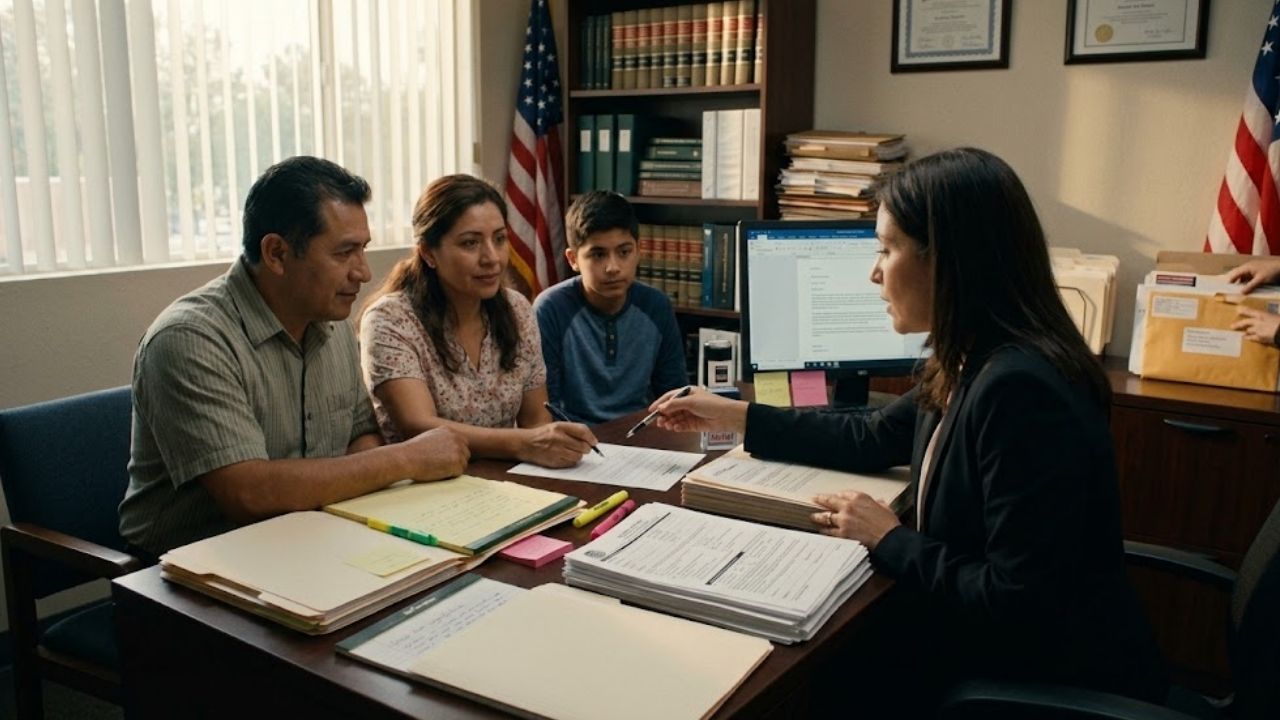
After a ruling goes against someone, the appeal that follows proceeds in a clear, step-by-step order. Each step builds on the one before it, leaving little to guess about what comes next. Start by finding your decision paper and circling the date on a calendar. Thirty days pass faster than most people expect, especially during a hard time. When a notice arrives in the mail, the person appealing copies it and notes each question for the attorney. Once the paperwork sits in a folder and the next step is written down, the review feels less rushed.