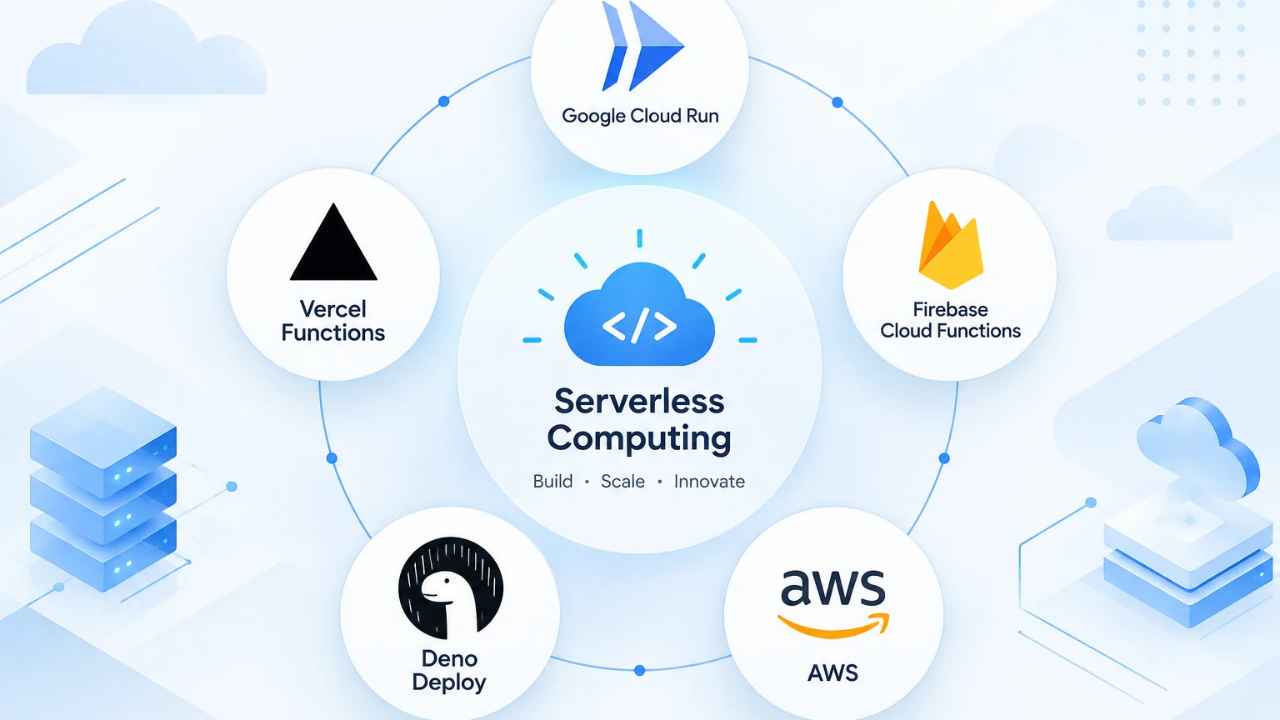
A SaaS app has to stay online, grow fast, and keep costs low. Serverless platforms for SaaS workloads help with all three. You write the code. The platform runs it, adds more power when traffic jumps, and bills you only for what you use. There are no servers to patch or manage.
This guide compares the 10 best options in 2026. For each one, you will see what it does well, who it suits, and what the free plan includes. Prices and limits were checked against current 2026 sources.
What Makes a Serverless Platform Good for SaaS?
Not every platform fits every product. The best serverless platforms for SaaS workloads share a few traits:
- Fast scaling. It handles a sudden rush of users with no manual setup.
- Fair pricing. You pay for real use, and a free tier lets you test first.
- Short cold starts. Users do not wait long when a function wakes up.
- Good tools. Logs, alerts, and simple deploys save your team time.
- Strong security. Private networks and access controls protect customer data.
If you plan to resell software under your own brand, these traits matter even more. Our guide to the white label SaaS platform to resell explains that model in detail.
The 10 Best Serverless Platforms for SaaS Workloads
Each pick below lists its main strength, the best use case, and the free tier. All of these serverless platforms for SaaS workloads let you start without a large upfront bill.
1. AWS Lambda
AWS Lambda is the most widely used option among serverless platforms for SaaS workloads. It connects to almost every AWS service, from databases to queues to AI tools. At re:Invent 2025, AWS added two big features. Durable functions let you write long workflows in code, with saved progress, automatic retries, and runs that can last up to one year. Lambda Managed Instances run your functions on dedicated EC2 machines, which can lower costs for steady, heavy traffic.
Best for: SaaS teams already on AWS that need deep control. Free tier: 1 million requests per month.
2. Google Cloud Run
Cloud Run runs any container and scales it down to zero when no one is using it. That makes it one of the most flexible serverless platforms for SaaS workloads. You are not locked into one language. If your app runs in a container, it runs on Cloud Run. It also supports GPUs for AI features, and Cloud Run functions live on the same system.
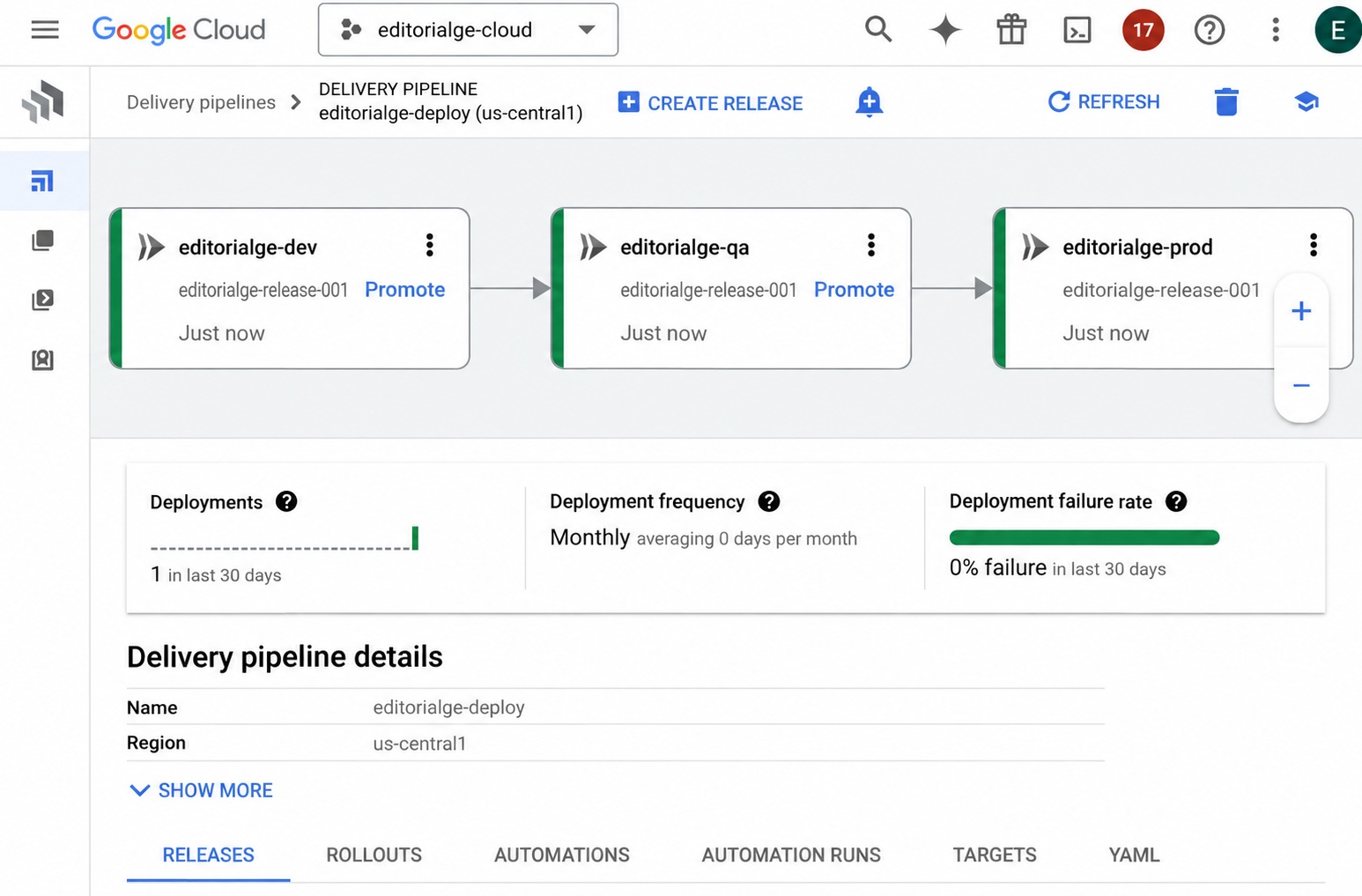
Best for: Teams that want container freedom without managing servers. Free tier: 2 million requests per month.
3. Microsoft Azure Functions
Azure Functions is a strong pick for SaaS products sold to companies that run on Microsoft tools. Microsoft now recommends its Flex Consumption plan for serverless apps. This plan can scale up to 1,000 instances and connect to private networks. In September 2026, rolling updates became generally available on Flex Consumption, so new releases no longer cut off jobs that are still running. Among serverless platforms for SaaS workloads, it fits best when your buyers live in Azure.
Best for: B2B SaaS that works with .NET, Entra ID, or SQL Server. Free tier: A monthly free grant of executions and compute.
4. Cloudflare Workers
Cloudflare Workers runs your code on Cloudflare’s global network. Each request is handled close to the user, so apps feel fast everywhere. Workers start almost instantly, which nearly removes cold start delays. They also pair with Durable Objects, D1 databases, R2 storage, and Workers AI. Its pricing is one of the simplest among serverless platforms for SaaS workloads.
Best for: Global SaaS apps that need low delay in every region. Free tier: 100,000 requests per day. The paid plan is $5 a month with 10 million requests included.
5. Vercel Functions
Vercel is built for frontend teams, especially those using Next.js. Its Fluid compute model bills Active CPU only while your code is running. If a function waits on a database or an AI model, you do not pay CPU time for that wait. This makes Vercel one of the more cost-friendly serverless platforms for SaaS workloads with AI chat features.
Best for: SaaS products with a Next.js frontend. Free tier: The Hobby plan is free for personal use. Pro costs $20 per user each month and allows commercial use.
6. Netlify Functions
Netlify Functions run on AWS Lambda under the hood, but Netlify handles the setup for you. Push your code to Git, and it goes live. Netlify also offers edge, scheduled, and background functions. Since September 2025, new accounts use a credit system, where functions, bandwidth, and deploys all draw from one monthly pool. It is one of the easiest serverless platforms for SaaS workloads for small web teams.
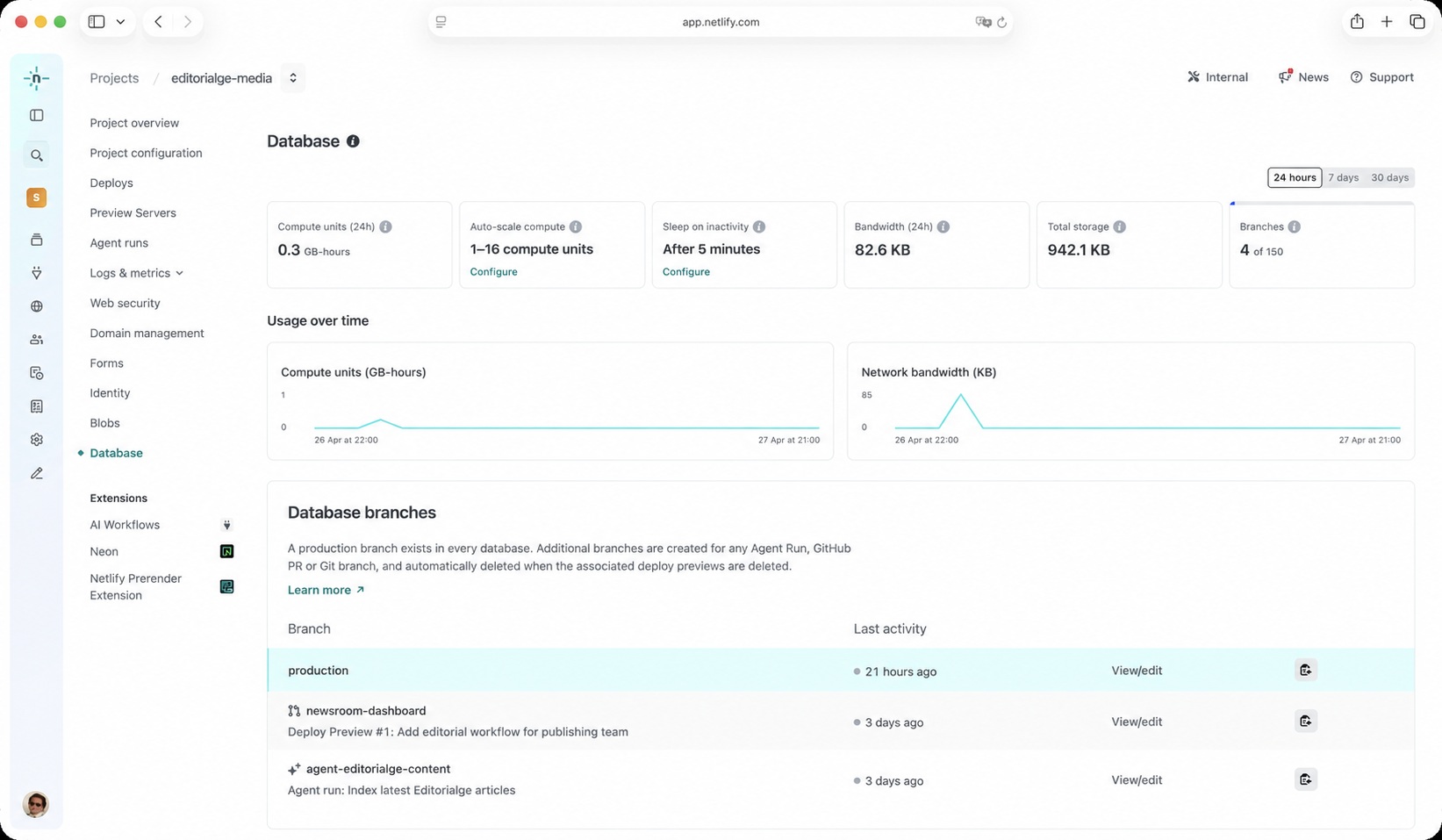
Best for: Dashboards, marketing sites, and small SaaS teams. Free tier: 300 credits per month. Paid plans start at $9 a month.
7. Supabase Edge Functions
Supabase gives you a Postgres database, user login, file storage, and real-time updates in one place. Its edge functions run TypeScript on Deno. Because the backend parts already work together, it is one of the fastest serverless platforms for SaaS workloads when you are building a first version.
Best for: Startups that want a database and functions in one product. Free tier: 500,000 function calls per month. The Pro plan costs $25 a month and includes 2 million.
8. Firebase Cloud Functions
Firebase is Google’s app platform for web and mobile apps. Its cloud functions react to events like a new signup, a database change, or a file upload. The current version runs on Cloud Run. Among serverless platforms for SaaS workloads, Firebase shines when your product also has iOS and Android apps.
Best for: SaaS products with strong mobile use. Free tier: Functions need the pay-as-you-go Blaze plan, which still includes a free monthly amount.
9. Deno Deploy
Deno Deploy runs JavaScript and TypeScript across global regions with almost no setup. It includes Deno KV, a built-in key-value database. The older Deno Deploy Classic shut down on July 20, 2026, so new projects use the current platform. For small teams that like modern TypeScript, it is one of the lightest serverless platforms for SaaS workloads.
Best for: Small TypeScript teams and simple APIs. Free tier: 1 million requests per month. Pro costs $20 a month.
10. Fly.io
Fly.io runs small virtual machines in cities around the world. Machines can stop when idle and start again on the next request, so you get serverless-style savings with full server control. It supports many languages, including Python, Go, Ruby, and Node. Fly.io works best among serverless platforms for SaaS workloads that need long connections, like chat or live updates.
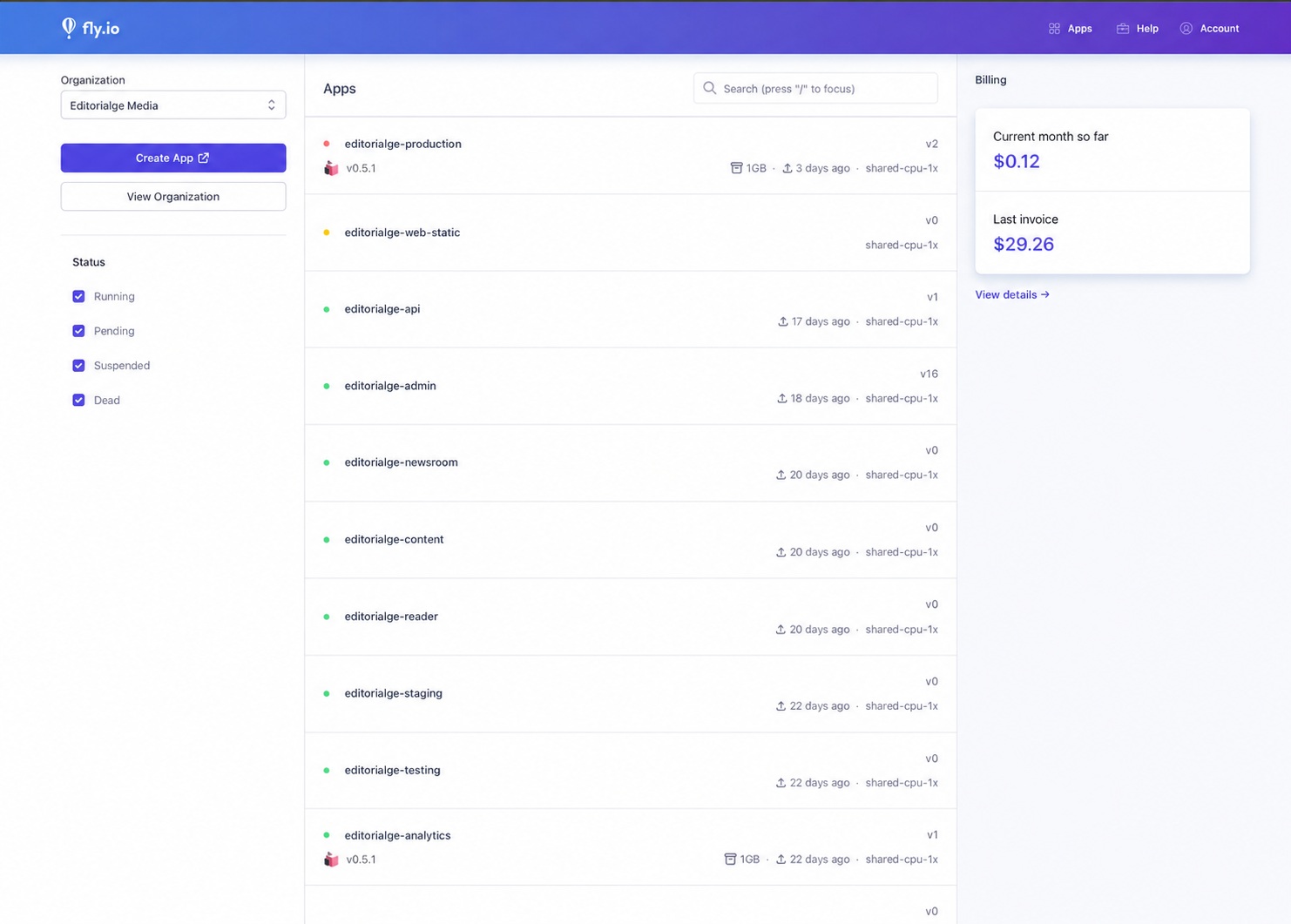
Best for: Apps that need full runtimes near users. Free tier: None. Fly.io ended its permanent free tier in 2024 and now bills pay as you go.
Quick Comparison Table
This table sums up the serverless platforms for SaaS workloads covered above.
| Platform | Best For | Free Tier |
|---|---|---|
| AWS Lambda | Deep AWS control | 1M requests per month |
| Google Cloud Run | Any container | 2M requests per month |
| Azure Functions | Microsoft-based B2B | Monthly free grant |
| Cloudflare Workers | Global speed | 100K requests per day |
| Vercel Functions | Next.js apps | Hobby plan |
| Netlify Functions | Small web teams | 300 credits per month |
| Supabase Edge Functions | Fast MVPs | 500K calls per month |
| Firebase Cloud Functions | Mobile SaaS | Free amount on Blaze |
| Deno Deploy | TypeScript APIs | 1M requests per month |
| Fly.io | Full runtimes | None |
How to Pick the Right Platform
Choosing between serverless platforms for SaaS workloads gets easier when you ask a few simple questions:
- Where does your team already work? If you use AWS, Azure, or Google Cloud, start with that cloud’s option.
- What does your frontend use? Next.js teams often pick Vercel. Static sites fit Netlify or Cloudflare.
- Where are your users? A global user base benefits from edge platforms like Cloudflare Workers or Deno Deploy.
- How long do your tasks run? Long jobs need Lambda durable functions, Cloud Run, or Fly.io.
- How will you connect other tools? Most SaaS apps link to payment, email, and CRM tools. Our list of SaaS integration platforms to connect apps can help.
Also think about how your team works day to day. A distributed team needs shared logs, alerts, and chat tools. See our picks for the best SaaS tools for remote teams.
Frequently Asked Questions (FAQs)
Which serverless platform is cheapest for a SaaS startup?
Cloudflare Workers and Supabase have some of the most generous free plans. Cloudflare’s paid plan is only $5 a month. Still, the cheapest of all serverless platforms for SaaS workloads depends on your traffic and how long each request runs.
Is serverless good for large SaaS apps?
Yes. Many large SaaS products run on serverless platforms for SaaS workloads like AWS Lambda and Cloud Run. For very steady, heavy traffic, options like Lambda Managed Instances can lower the bill.
Final Words
The right choice depends on your stack, your users, and your budget. AWS Lambda, Google Cloud Run, and Azure Functions lead deep cloud control. Cloudflare Workers and Deno Deploy win on global speed. Vercel, Netlify, Supabase, and Firebase make shipping fast and simple. Fly.io fills the gap for apps that need full servers. Start on a free tier, test with real traffic, and pick from these serverless platforms for SaaS workloads based on what your app actually needs.