A buyer may like your software and still leave the pricing page unsure which plan fits—or what the bill will be next month. SaaS pricing mistakes often start with that uncertainty. Over time, it can show up as stalled signups, customers who avoid using a feature, or renewals that become harder to justify.
Price is only one part of the decision. Buyers also need to understand what they are paying for, how the cost changes as their needs grow, and whether the plan will still fit later. Here are ten common sources of friction and what to examine before changing your pricing.
Where Pricing can Create Friction
Pricing affects how buyers understand a product and how customers use it after subscribing. Stripe’s current guidance treats the value metric, pricing model, tier structure, and performance measures as connected decisions. It also suggests looking at plan distribution, expansion, and churn when assessing packaging.
Some SaaS pricing mistakes are hard to spot from the pricing page alone. A plan may appear clear but still discourage team growth, or a free offer may attract signups without giving users a reason to upgrade.
1. Copying Competitors Instead of Learning What Buyers Value
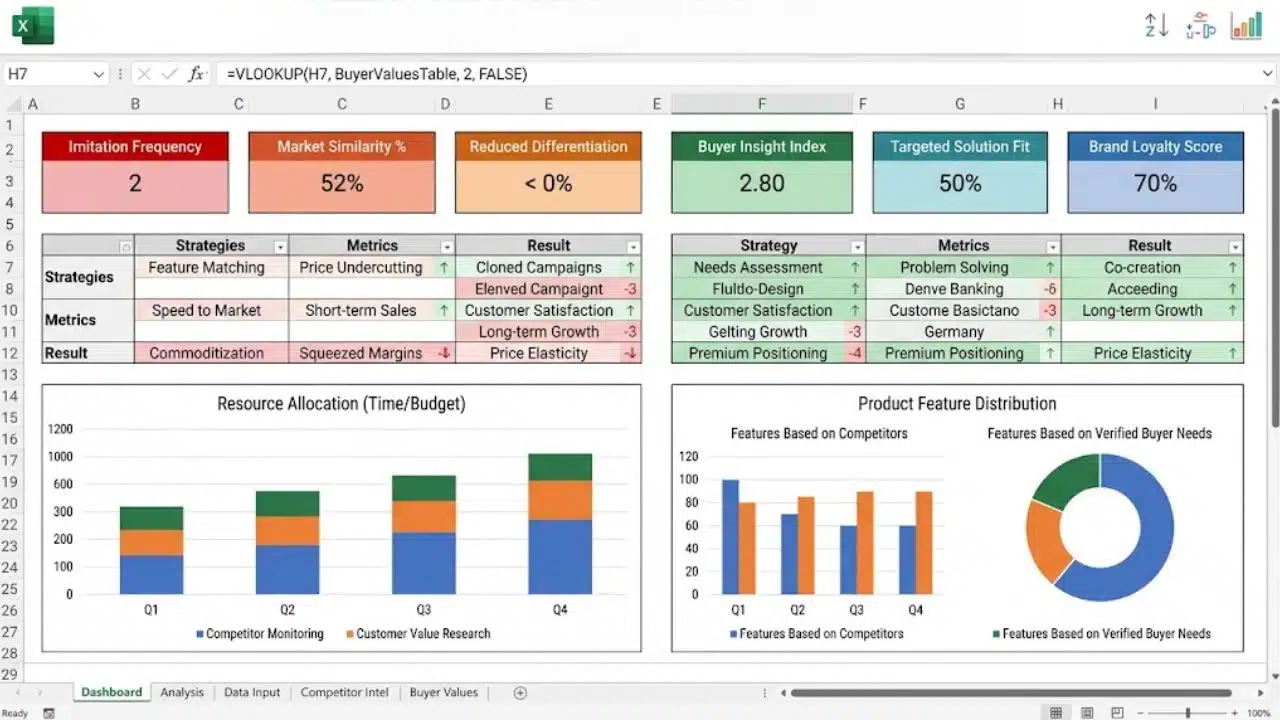
One costly SaaS pricing mistake is matching a competitor’s price before comparing the full offer. That competitor may serve larger organizations, include hands-on onboarding, or solve a more expensive problem.
Imagine two reporting tools with similar-looking plans. One displays data; the other automates work the customer’s team used to do manually. Comparing only monthly prices misses the difference in value.
Competitor research helps reveal what buyers compare, but it cannot tell you what your own customers will pay for. Compare product scope, support, onboarding, and the outcome customers expect. Treat rivals’ prices as context, not a formula.
2. Charging for a Unit that Does Not Track Value
The value metric is what customers pay for: seats, transactions, projects, data volume, or another unit. It should be understandable and make sense as customers get more value.
Per-seat pricing may suit collaboration software because more participating colleagues can make the product more useful. It may fit poorly when a small team gets substantial value from background automation. In that case, seat count may have little connection to the work the product handles.
Ask customers what tells them the product is working, then compare that answer with what your billing system can measure reliably. Stripe’s guidance likewise emphasizes metrics that customers can understand and connect to their budgets. If buyers need a long explanation to understand the bill, revisit the metric or how you present it.
3. Treating Every Customer as the Same Segment
A solo consultant, a startup, and an enterprise may use the same software for different reasons. One plan can burden smaller customers with options they do not need and leave larger ones short of controls or support.
That does not mean every audience needs a separate tier. Look for genuine differences in needs, buying process, and expected service. A qualitative study of 15 SaaS companies identified customer segments, perceived value, purchase complexity, and product specialization as factors in pricing practices. Its small sample is useful context, not a universal formula.
4. Making the Plans Difficult to Compare
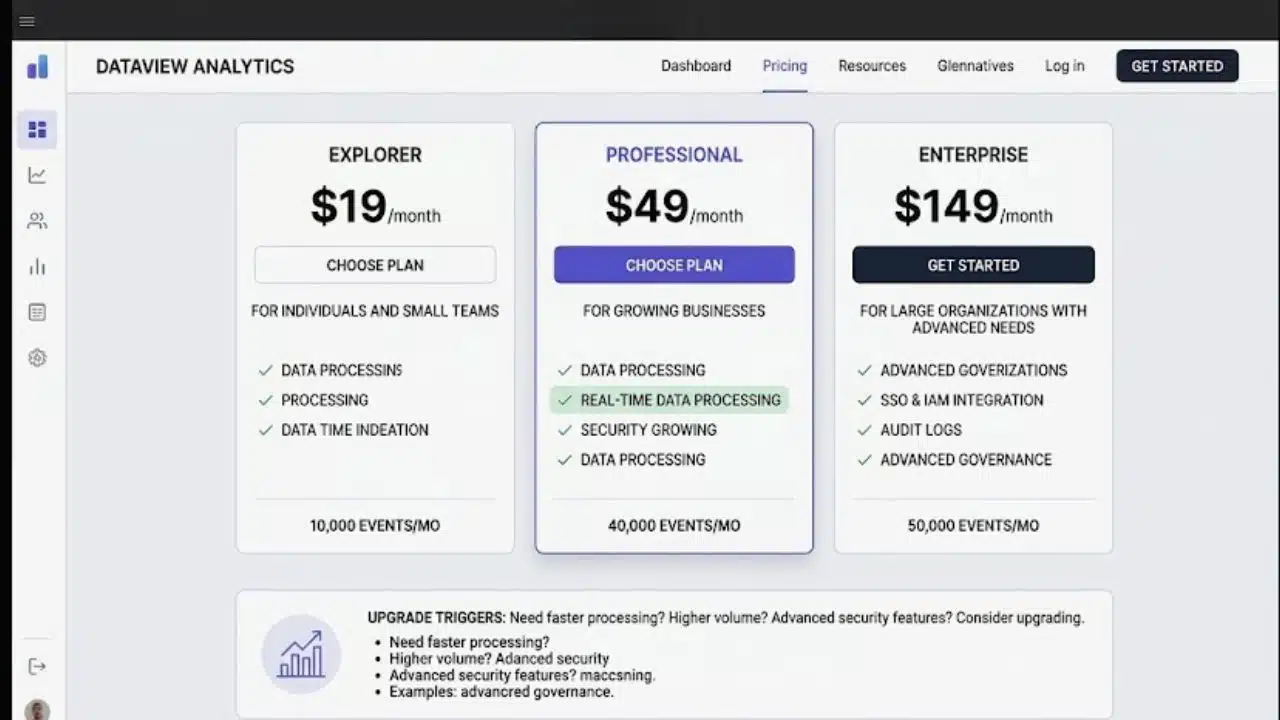
A pricing page should help buyers narrow their choices. If each tier combines a different mix of minor limits, add-ons, and feature gates, customers may delay their decision or choose a plan that disappoints them later.
This is one of the SaaS pricing mistakes that can hide behind a tidy-looking pricing grid: blocking access to a core feature before buyers have experienced the product’s value. Reserve higher-tier features for needs that genuinely differ, such as advanced administration or governance. Explain usage limits in plain language.
Try this test: can a new visitor tell who each plan is for and what would make them upgrade? If not, simplify the distinctions before adding another tier.
5. Using Charges Customers Cannot Predict
Usage-based pricing can fit a product when consumption is closely related to value. But an unpredictable bill may cause customers to limit usage or hesitate before rolling out the product more widely.
If charges vary with activity, explain the meter and how costs accumulate. Give customers a way to monitor usage and see what happens when they reach a limit. A hybrid model—with a base subscription and a usage charge—may suit a product with both steady baseline value and variable consumption. The trade-off is a more complex bill.
Do not choose a metric only because your company can count it easily. A technically precise measure can still feel arbitrary to the buyer.
6. Offering Free Access without a Reason to Upgrade
Free access can help a buyer evaluate a product, but signups alone do not show whether the offer is working. One source of SaaS pricing mistakes is treating a large free audience as proof of a healthy conversion path.
A free plan should let users reach meaningful value while making the paid step understandable. If it is too restrictive, people may leave before they understand why the product matters. If it already meets most target customers’ needs, few may have a reason to upgrade.
A free plan and a time-limited trial serve different purposes. A free plan supports ongoing limited use; a trial gives buyers a set period to evaluate broader access. Consider how quickly customers can see value and whether they need continued free access. Stripe’s guidance distinguishes these models and describes different conversion risks for each.
7. Setting a Low Price without Checking What It Supports
A low price can reduce the first barrier to purchase. It can also leave too little room to provide the onboarding, support, reliability, or development customers expect.
That does not make a higher price automatically better. If a prospect hesitates, find out why. The issue may be the cost, but it could also be unclear value, missing information, or a plan that does not fit.
Before raising prices, identify who would be affected and what they currently use. A broad increase can unsettle loyal customers whose needs have not changed. Sometimes a better tier or clearer packaging addresses the mismatch more fairly.
8. Discounting without Clear Rules
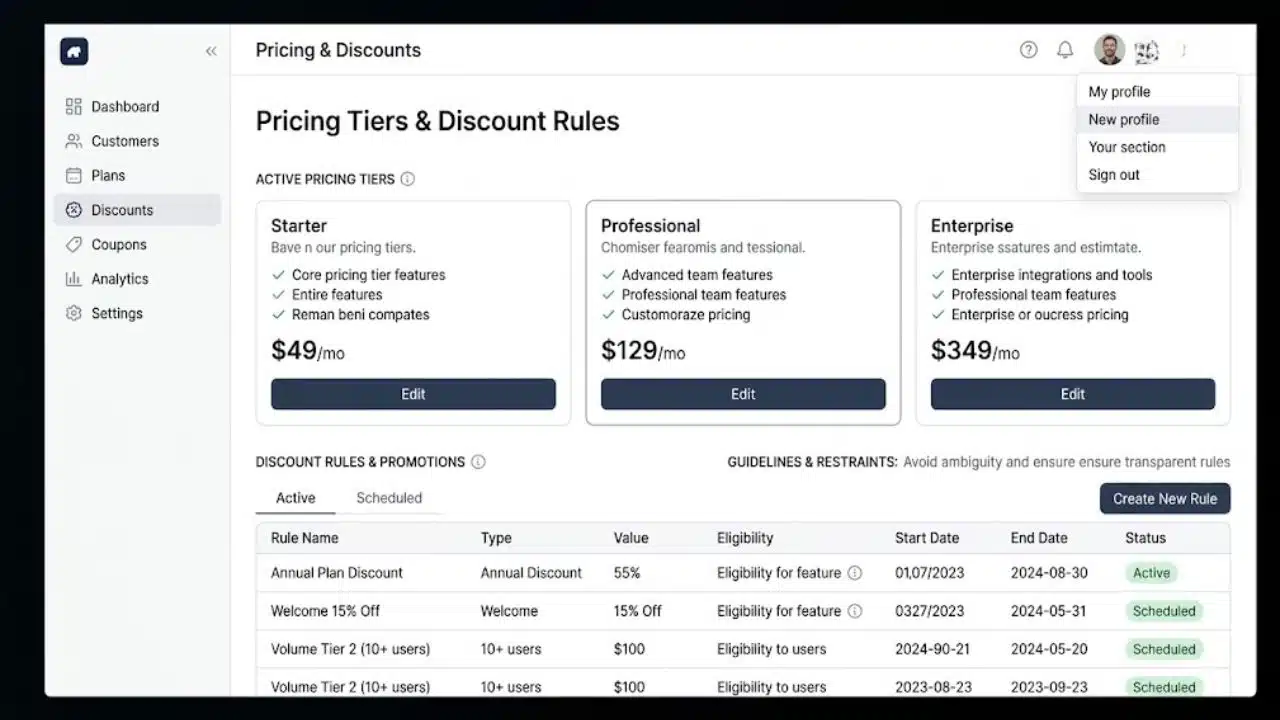
A discount can help with a specific launch or sales goal. Frequent, broad discounts can teach buyers to wait for a promotion and make it harder to tell whether the standard price is viable.
Set rules before discounts spread through the sales process: who can approve them, how long they last, what commitment they require, and what happens at renewal. Review what customers actually pay, not only the public list price.
Be careful with annual billing, too. A new customer may not want to commit for a year before finishing onboarding or seeing enough value. Make the terms and renewal timing clear; do not use a steep discount to disguise a weak value proposition.
9. Never Revisit Prices as the Product Changes
Among SaaS pricing mistakes, leaving an old price in place while the product and customer base evolve is easy to overlook. A tool may grow into a broader platform or start attracting buyers with different expectations.
That does not mean every new feature deserves a price increase. Review pricing when customer needs, product value, delivery costs, or usage patterns change materially. Look at upgrades, downgrades, churn, and which plans customers choose. If many accounts hit the same limit or avoid a feature because it triggers extra charges, investigate whether the structure still fits.
When terms change, explain what is changing and give existing customers time to understand their options. Surprising them at renewal can erode trust, even when the new price has a sound business reason.
10. Treating Billing as an Afterthought
One of the least visible SaaS pricing mistakes is assuming the job is done once the price is set. Buyers still need to know what they will owe. Put billing frequency, included usage, limits, overage rules, and renewal terms where customers can find them.
If several variables affect the bill, a worked example or calculator may help more than another paragraph of fine print. Clear invoices and visible usage matter after signup, too. Unexpected fees or vague limits can make a useful product feel risky—especially in a self-serve checkout where no salesperson is available to explain the details.
Final Thoughts
These SaaS pricing mistakes are easier to address when pricing is reviewed alongside customer behavior. Start with one point of friction: a plan customers misunderstand, a usage bill they cannot forecast, or an upgrade path nobody takes. Talk to affected customers, compare their feedback with account data, and change the part of the offer that the evidence points to.
The practical test is straightforward: can the right buyer understand what they will pay, why the plan fits, and what happens as their needs grow?
Frequently Asked Questions (FAQs)
What are the most common SaaS pricing mistakes?
They include copying competitors without comparing their full offer, charging by a unit disconnected from customer value, confusing plan limits, and making usage charges difficult to predict.
Should every SaaS company offer a free plan?
No. Free access makes sense when buyers can reach meaningful value and there is a clear reason to move to paid use. A trial or direct paid plan may fit better when evaluation requires more support or customers can assess the product quickly.
What should a company check before changing its prices?
Review plan choices, upgrades, downgrades, churn, and customer feedback. Identify who would be affected, explain the change clearly, and confirm that the new offer still matches the value customers receive.